
Have you ever noticed how one strong gust of wind can change everything? A fierce burst can turn an ordinary day into a crisis by tearing away part of your roof and leaving your home unprotected.
Our easy-to-follow guide shows you simple steps for fixing damage and stopping water from getting in. We assist with quick repairs and water removal (taking out the water that has pooled). Our team is ready to help you get back to normal in a safe and speedy way.
Keep reading to learn how our restoration steps can bring hope and lasting security to your home after a storm.
Comprehensive Wind Damage Restoration Solutions

Wind and storm damage can quickly turn a normal day into a stressful one. Strong winds may rip off parts of your roof, break windows, disturb gutters, and damage your landscaping. Always keep a safe distance of at least 35 feet from downed power lines before you check for damage. Our first actions include covering exposed roofs to keep water out and boarding up broken windows and doors with sturdy plywood fastened by screws.
Our professional crew is available around the clock to handle these issues quickly and safely. They are fully licensed, bonded, and insured. Their work covers water removal, mold treatment, structural repairs, and debris cleanup. Temporary fixes like tarping and boarding up help stabilize your property until full repairs can be completed. One homeowner said, "The initial tarping saved my family from further water damage, giving us the time we needed for proper repairs."
Key emergency steps:
- Inspect visible damage like broken shingles, damaged siding, or displaced gutters, but only when it is safe.
- Document every affected area with clear photos and videos before starting cleanup.
- Secure your property with temporary repairs that block out the weather and stop unauthorized access.
Our process helps stop additional damage by quickly addressing areas where water can get in and cause mold. After the emergency fixes, we perform a detailed assessment and create a full plan to restore your home back to its original condition. Remember, after a heavy storm, even one loose shingle can let water in and weaken your home in just a few hours.
Wind Damage Assessment and Documentation Best Practices
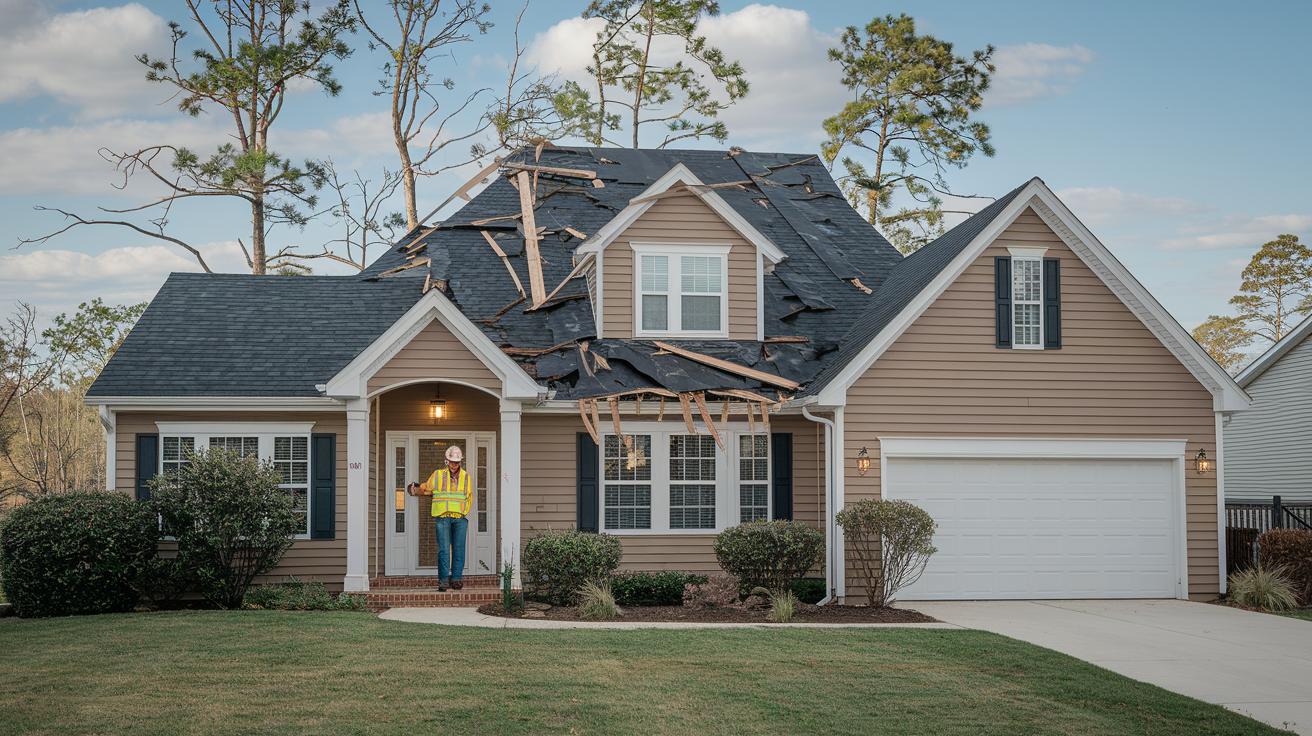
After a wind event, wait until the storm has completely passed before beginning your inspection. Only start once conditions are safe. Begin by checking your roof shingles, fascia, siding, windows, and doors. This careful approach keeps you safe and ensures you capture every detail of the damage.
Document every affected area with clear, high-resolution photos, steady videos, and detailed written notes. Capture images of fallen trees, debris impacts, and any signs of water intrusion. For example, if a window is broken, note it as: "North side window shattered at 3:15 PM with visible water seepage." This clear information helps insurance adjusters review your claim.
Keep a log of dates, times, and technician comments. This record supports your claim and provides a clear timeline of the damage. Follow these steps for complete post-storm documentation:
- List all visible damage.
- Record the weather and any environmental factors that may have contributed.
- Note any unusual occurrences, such as several damage points on one wall.
Accurate records with clear timestamps form the backbone of a strong insurance claim and guide professional restoration services.
Emergency Repairs and Temporary Fixes Post-Windstorm

After a windstorm, quick repairs are key. Cover any damaged roof areas with heavy-duty tarps so water stays out until a lasting fix is made. Secure broken windows and doors with 3/4 inch plywood nailed or screwed in place to help protect your home.
Take clear photos, record videos, and write down details of all damage. Note fallen debris, loose siding, and any exposed interior spaces. Once you have your records, clear away debris quickly by hiring a trusted storm cleanup service.
Moisture control is very important. Use fans and dehumidifiers to dry wet areas while checking humidity levels with a moisture meter (a tool that measures moisture). Also clean all water-soaked surfaces to stop mold from growing. For example, after drying a wet carpet, apply an EPA-approved disinfectant to keep mold risks low.
Essential steps:
- Cover damaged roof areas with tarps.
- Secure broken windows and doors using sturdy 3/4 inch plywood.
- Record all damage with photos, videos, and written notes.
- Remove debris and dry wet surfaces quickly.
- Check humidity with moisture meters.
- Clean water-soaked areas to prevent mold.
| Step | Action | Tools/Materials |
|---|---|---|
| 1 | Cover roof with tarps | Heavy-duty tarps, fasteners |
| 2 | Secure broken openings | 3/4 inch plywood, nails or screws |
| 3 | Document all damage | Camera, video recorder, notepad |
| 4 | Remove debris and dry areas | Fans, dehumidifiers |
| 5 | Clean water-soaked surfaces | EPA-approved disinfectant, cleaning tools |
Permanent Restoration Techniques for Wind-Damaged Exteriors

We begin restoring wind-damaged exteriors with a close look at your roof, siding, windows, and trim. When wind hits your roof, we inspect it carefully. If you have asphalt shingles, we often replace them in a few days. For slate, tile, or metal roofs, repairs may take 2 to 8 weeks because the materials must match exactly and supplies can be limited. Our team works with trusted suppliers to find the best materials so your roof can stand up to future storms. One client even said, "The new shingles fit perfectly even though we had to wait for the right materials."
Next, we check your siding. We remove damaged sections and replace them with durable vinyl or fiber-cement siding (fiber-cement is a mix of cement and fibers that stays strong). We match the new siding to your home to keep it looking great while boosting its protection. We also prepare the surface well so the installation is smooth and neat.
We fix storm-damaged windows with the same care. We replace broken window frames and glass and use proper flashing (a waterproof barrier) to stop leaks. These securely installed windows keep moisture out and help insulate your home.
We also repair or replace gutters, downspouts, and trim. This makes sure water flows away from your home and prevents further damage.
Finally, we check every detail to ensure the repair meets our high standards. We inspect the structure and seals so you know everything is secure. For full repair help, take a look at our approach in this example of effective storm damage repair. Every step in our process brings your home back to its strength and beauty.
Navigating Insurance Claims for Wind Damage Restoration

Call your insurance company as soon as you check your damage. Early notification makes sure you get full use of your policy. Most homeowners' policies cover wind damage and removing debris. Still, check if your policy has any special rules for your situation. For example, if you see broken windows and loose siding, take clear photos and notes before you call.
Keep every repair estimate and record all your calls. Write down the time you called, any repair estimates given, and summaries of follow-up talks. This detailed record will help support your claim, especially if you have a deductible that may be between 1% and 5% of your dwelling coverage.
Filing a storm claim usually involves these steps:
- Gather all your evidence, including clear photos, videos, and written notes about what you see.
- Collect estimates from repair professionals that include exact repair details and costs.
- Write down the dates, times, and names of the person you spoke with at your insurance company.
Your claims adjuster will review this information to confirm all damages before approving any repairs. A well-organized file helps avoid disputes and reduces the chance of unexpected expenses later on.
By keeping your communication clear and your records detailed, you help speed up the process. Even though this situation is stressful, following these steps will guide you to a smoother claims process.
Selecting Certified Wind Damage Restoration Professionals

When wind damage strikes, the right team can restore hope for your home. It is important to work with contractors who are licensed, bonded, and insured. A team that offers 24/7 emergency response means help is always within reach.
Ask for a clear, written estimate that spells out which services are included and what might cost extra. This simple step prevents surprises later on. Also, check that the contractor has proper certifications and many years of local experience, 25 years or more is ideal. Positive local references help confirm they can handle your specific needs.
Be sure the contractor can perform a full structural assessment and provide a quality inspection report. This guarantees that every part of your home is safe to live in. In addition, ask about available warranty options so you know your investment is protected.
Key points to consider:
- Licensed, bonded, and insured professionals
- Detailed written estimates that show standard services versus extras
- Verified certifications with extensive local experience
- Ability to conduct structural assessments and offer warranty protection
Project Timeline and Cost Estimates for Wind Damage Restoration

Our work to restore wind damage happens in three main steps. On day one, we focus on safety and preventing further harm. We quickly cover roofs with tarps and board up any broken windows to keep water out.
Within the first week, our team inspects your home and talks with your insurance company. We check your roof, siding, windows, and other key parts. We record every detail to support your claim and decide the next steps. For example, an asphalt shingle roof typically costs about $3 to $5 per square foot, while metal or slate options can run from $7 to $12 per square foot because of higher material costs and tougher installation.
The final step is to fix the outside permanently. This work can take from 2 to 8 weeks. During this time, we replace missing or damaged parts like siding, trim, and flashing. Ordering materials early can help move things along faster, especially if delays happen.
| Cost Driver | Detail |
|---|---|
| Roof Material | Type and availability affect cost |
| Access Issues | Challenging access and building complexity can raise costs |
| Extent of Damage | More damage means higher repair costs |
By breaking down these steps and cost factors, you can better plan your schedule and budget. We keep you informed at every stage, helping you feel confident as your home recovers from wind damage.
Case Studies: Before-and-After Wind Damage Restoration Success
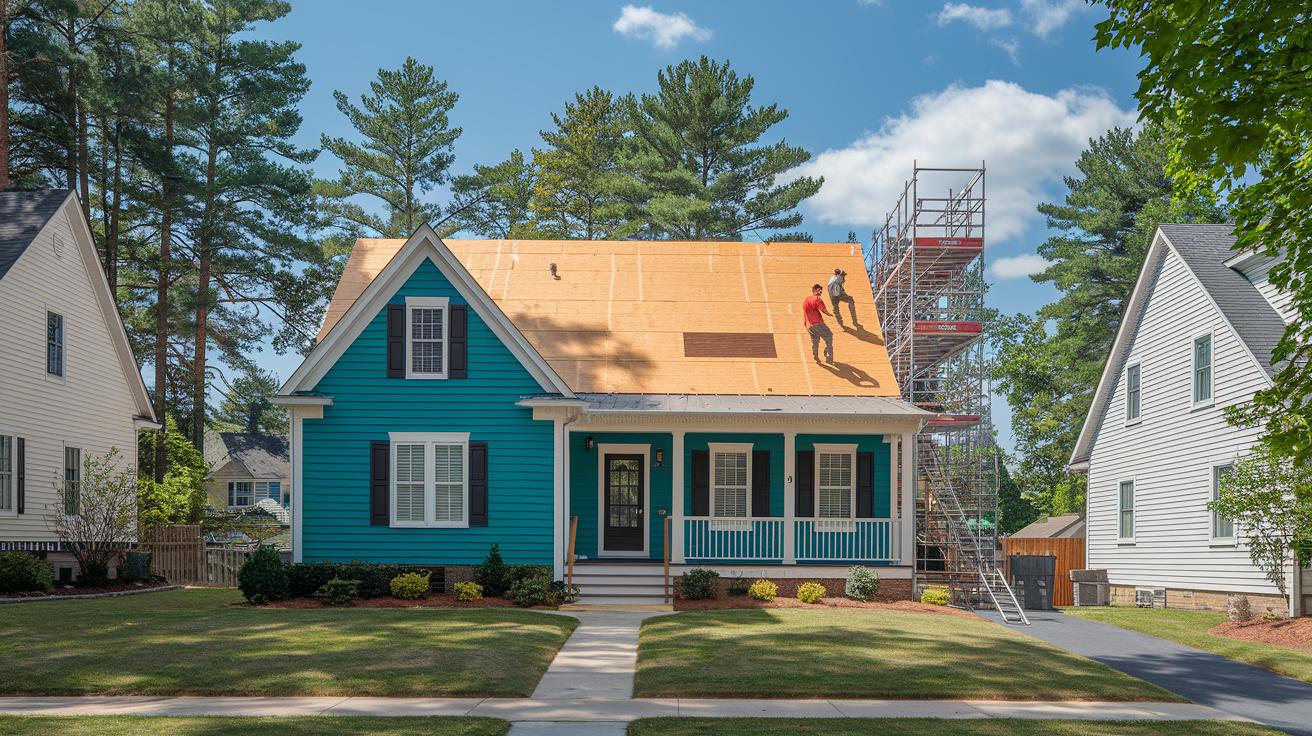
In Dumfries, VA a home received a full roof and siding replacement after strong winds hit. The team worked hard and finished the job in 6 weeks. One homeowner said the change was amazing and rated their satisfaction 9.5 out of 10. This shows that careful work can bring a home and peace of mind back.
In Burke, VA quick action stopped more damage. Our crew put emergency tarps up, cleared debris, and boarded up windows within 24 hours. In just 5 weeks, they completed all the permanent repairs. One resident said the fast response made all the difference in preventing further damage.
In Centreville, VA we used a clear, step-by-step method to handle post-storm repairs. We repaired walls and gutters while taking detailed photos to support the insurance claim. This careful record kept everyone informed and helped smooth the process.
These stories show that quick, professional help can bring hope and improve safety after a harsh storm.
Wind Damage Restoration FAQs and Safety Tips

When wind damage strikes, follow these steps:
-
Only check your property when local officials say it's safe and the power is off. If you notice odd smells from a neighbor's property, keep a note of the area to have it looked at later.
-
Temporary repairs usually take 24 to 48 hours. Complete repairs might take 2 to 8 weeks, depending on the availability of materials and if hidden damage (like problems with the internal structure) is discovered.
-
Take clear photos and write detailed notes about any damage. This evidence helps support your insurance claim. For example, capture pictures of hidden damage in the eaves or unusual stress marks on the roof that might not be clear at first glance.
Final Words
In the action, we reviewed each critical step to keep your home safe, emergency repairs, accurate damage documentation, and insurance coordination. Every part of this process helps limit further harm and control repair costs. We also showed how temporary fixes lead to full restoration. Our focus on wind damage restoration means you get professional help at every stage. Stay positive and know that quick action and trusted experts pave the way to a secure, fully restored home.
FAQ
Where can I find wind damage restoration services near California, Texas, or in my area?
Finding wind damage restoration near California, Texas, or locally means contacting certified companies. They offer 24/7 emergency response, secure your home with temporary fixes, provide thorough documentation, and schedule permanent repairs.
How can I access water damage restoration services near me?
Seeking water damage restoration near you means reaching out to licensed local professionals. They extract water, dry damp areas to prevent mold growth, and assist with accurate claim documentation for a smooth repair process.
Does insurance cover roof damage due to wind?
Insurance coverage for wind-induced roof damage depends on your homeowner policy. Many policies include such repairs, but reviewing your coverage or consulting your adjuster will clarify the specifics for your situation.
What is the average cost of storm damage repair?
The average cost of storm damage repair varies widely based on damage extent, materials, and labor. Repairs can range from a few thousand dollars for minor fixes to significantly more for extensive restoration work.
What’s the difference between remediation and restoration?
The difference between remediation and restoration is that remediation focuses on removing hazards and contaminants, while restoration repairs and rebuilds your property back to its original condition.
Is SERVPRO a good restoration company?
Evaluating SERVPRO shows that it is a nationally recognized firm with quick response and comprehensive services. However, comparing local certified companies ensures you choose the best option for your specific restoration needs.