
Worried that hidden attic mold might be a risk to your home? Many homeowners miss early signs until leaks and moisture turn a space into a health hazard.
We treat attic mold like a rescue mission. First, we locate moisture using reliable tools and repair leaks to stop further damage. Next, we clean the area, seal surfaces, and improve airflow. Step by step, we work to make your attic safe and healthier.
Comprehensive Attic Mold Remediation Process
Many homeowners overlook mold in the attic even though it can cause serious problems. Moisture from roof leaks, poor air flow, or past water damage can lead to mold growth. We begin by checking for moisture using meters and thermal cameras (infrared imaging) to find hidden wet spots. Then we fix any roof or plumbing leaks to keep the moisture level below 60%. This clear, step-by-step process helps prevent more damage and keeps your home safe.
Identify and Address Moisture Sources
We start by using moisture meters, thermal imaging, and careful visual checks to find leaks or areas where condensation forms. When we spot a problem with the roof or plumbing, we fix it right away to stop more moisture from coming in.
Inspection and Containment Setup
After we identify the damp areas, we clear out all stored items from the attic. We inspect any boxes or belongings to see if they have mold. Any contaminated items are thrown away or sent off for professional cleaning. We then set up negative pressure containment to stop mold spores from spreading while we work.
Cleaning, Treatment, and Ventilation Correction
Next, we treat moldy surfaces with antimicrobial cleaners and use HEPA vacuums (high efficiency air filters) to remove mold spores from the area. We also improve the attic's air flow by sealing gaps and installing vents along the soffit or ridge. In addition, dehumidifiers are used to remove extra moisture and help keep the attic environment healthy.
Following these clear steps helps us control moisture and safely remove mold spores. With careful inspection, proper containment, effective cleaning, and better air flow, we work to protect your home from further damage.
Attic Mold Inspection and Testing Methods
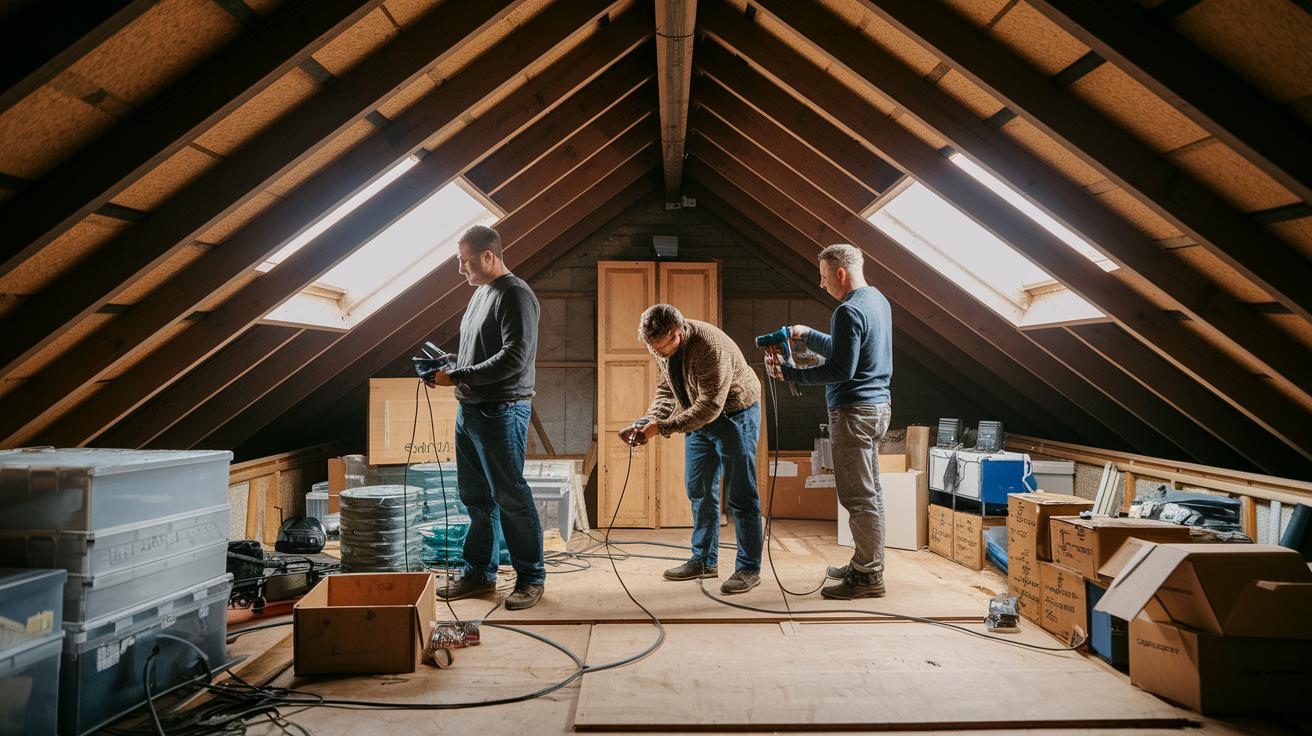
After a water event, inspecting your attic thoroughly is essential to catch hidden moisture that can lead to mold. Our team uses moisture meters (tools that measure dampness) and infrared cameras (devices that capture heat differences) to find wet spots. We check the roof decking, insulation, and even stored boxes. For example, after a heavy rain, moisture can settle behind insulation, quietly starting mold growth before any damage is visible.
Next, we map out moisture with infrared scans and perform energy audits (inspections that check for insulation gaps). We also take air and surface swabs to collect mold spores. These tests reveal the true level of contamination, pinpointing areas that look dry but may hide lingering dampness.
Finally, we send swab samples to a lab for analysis. This step tells us exactly what type of mold is present and in what quantity, including any toxic black mold. With these precise results, we can clearly define the contamination levels and plan the next steps for safe remediation. Although inspections might be charged by room or by square foot, this detailed approach is key to planning effective repairs.
Attic Mold Remediation Delivers a Safer Attic
Our process to remove attic mold uses both physical and chemical methods. We use a HEPA-filtered vacuum (a cleaner designed to trap tiny mold spores) and wire brushes to scrub away the mold from surfaces. Then we apply EPA-approved chemicals (tested products) to kill any mold left behind and stop it from growing again. It is like wiping a table clean until no dust remains.
When harmful mold like black mold is present, our team takes extra care. We wear full protective gear including respirators, gloves, and full-body suits so that no mold spores can escape. We also pack contaminated materials securely in biohazard waste containers before disposal. Think of it as putting on a safety suit before entering a risky area.
We also focus on moisture control to keep your attic safe long-term. We repair leaks, seal gaps, and add vents to boost airflow while using dehumidifiers to keep humidity below 60%. These simple steps work together like fixing a leak and drying a sponge to maintain a dry, safe space.
Calculating Attic Mold Remediation Costs
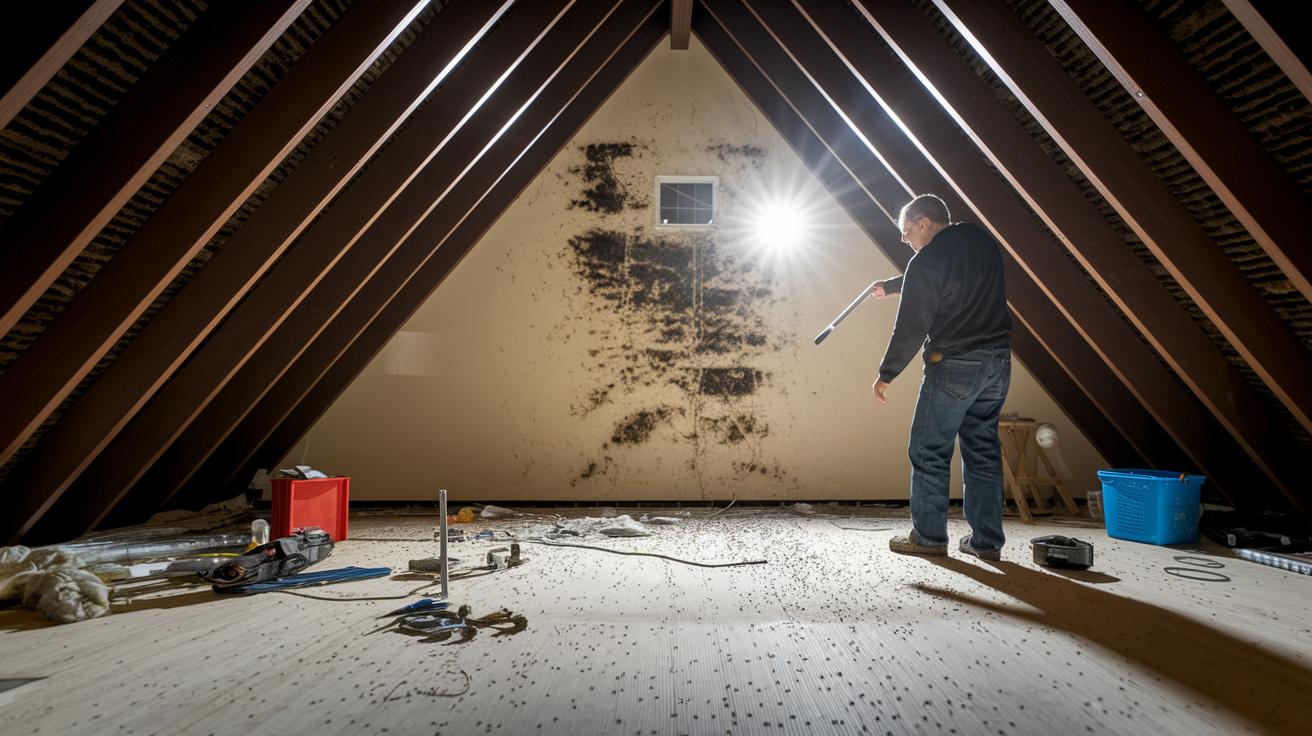
The cost to remove mold from your attic depends on many factors. Professionals usually charge around $2 to $6 for each square foot treated. For a small attic of about 200 square feet, you might pay between $500 and $1,200. Larger jobs or more severe mold issues can cost $2,000 to $3,000 or more. What you pay depends on the attic's size, the amount of mold present, and whether mold is hiding behind drywall or insulation. Extra fees for labor, disposal, and post-remediation testing can also affect the final price.
When you set your budget, keep in mind that labor, disposal fees, and testing after cleaning might raise the price. It is a good idea to add an extra 10 to 20% to your estimate to cover any unexpected costs from hidden mold or extra clean-up work. This planning helps make sure that your project stays on track and that your attic becomes a safe, mold-free space.
Strategies for Preventing Attic Mold Recurrence
Moisture in your attic makes it easy for mold to grow. When your attic stays damp, mold can develop on wood, insulation, and stored items, which can lower the air quality in your home. Keeping the attic humidity at or below 60% is like keeping a sponge dry. In other words, if you control the moisture, mold will have a hard time growing. Preventing attic mold is not just about cleaning what you see. It starts with managing the moisture that gives mold its strength.
Begin by fixing any leaks in your roof or plumbing. This stops water from seeping in and causing damage. Next, clean and maintain your soffit and ridge vents to allow warm air to leave and fresh air to come in. Using insulation like closed-cell spray foam or fiberglass (a type of insulation material) can help block moisture. Adding a vapor barrier over your attic floor joists can also reduce moisture. These steps work together to create a strong shield that keeps your attic dry and mold at bay.
Regular checks and seasonal upkeep are important to keep your attic mold-free. After heavy rains or storms, take a look up there to see if any new leaks or damp spots have appeared. Keep an eye on humidity levels and inspect stored items for signs of moisture. By checking your attic regularly, you can quickly address any issues and maintain a safe, mold-free space all year long.
DIY Versus Professional Attic Mold Remediation

DIY techniques can look appealing because they seem to save money and offer a quick fix. Many homeowners try mold kits or use bleach to wipe away what they see. While these methods can clear mold from surfaces, they often miss hidden sources of moisture. This can lead to unfinished mold removal and even let spores spread. For example, a DIY clean-up might clear the visible mold but leave damp insulation behind, which then encourages mold to grow again.
On the other hand, professional teams come equipped with special tools like moisture mapping (which reveals hidden water), negative pressure containment (a method that safely directs airflow), and HEPA air scrubbers (filters that trap tiny mold particles). They stick to strict safety rules and certified methods to cut down on health risks while meeting building codes. Their work not only clears the visible mold but also tackles the moisture problems causing the mold in the first place. This careful process usually comes with a warranty on the work and proper insurance coverage for extra peace of mind.
Your choice depends on how bad and hidden the mold is. If the mold is widespread or hiding behind surfaces, a DIY fix might put your health at risk and leave some mold behind. Certified professionals make sure that all the underlying issues are addressed and help reduce the chance of mold coming back. For more details, please check the DIY Mold Remediation link (https://mindtangle.net?p=100).
Certifications, Safety Protocols, and Hiring Trusted Attic Mold Experts
Meeting IICRC S520 standards, OSHA requirements and EPA guidelines is essential when handling attic mold issues. We follow clear procedures to control contamination, treat surfaces and dispose of waste safely. For example, IICRC S520 explains how to measure moisture and manage hazardous materials in a safe way. This step-by-step process protects your home and keeps you safe.
Safety protocols are key during mold cleanup. Our team wears full PPE including respirators, gloves and protective clothing to prevent exposure to mold spores. We set up barriers to stop the spores from spreading and use HEPA vacuums (high efficiency air filters) to remove airborne particles. These actions lower risks for both our crew and everyone in the home.
When hiring a contractor for attic mold cleanup, check a few important details. Verify that the company has current licenses, proper insurance and third-party certifications. Ask for references and review recent projects or customer testimonials. A good contractor will also explain how their work meets IICRC, OSHA and EPA standards step by step. This careful review helps ensure you choose a team that is both skilled and safety-focused.
Final Words
In the action, we broke down the step-by-step process from identifying leaks and setting up containment to cleaning and restoring your space. We also explored careful inspection methods, cost planning, prevention techniques, and the contrast between DIY and professional work.
Every detail is geared toward safe, rapid attic mold remediation. With clear documentation, expert coordination on insurance claims, and certified safety checks, your home is steadily on the path to full restoration. Positive steps forward mean a safer, healthier home for everyone.
FAQ
What is the typical cost for attic mold remediation?
The attic mold remediation cost depends on the affected area, repair needs, and services performed. Typical pricing ranges around $2–$6 per square foot for thorough assessment, cleaning, and repair.
Are there local attic mold remediation services near me?
Searching “attic mold remediation near me” helps find local professionals who offer assessments, moisture mapping, leak repairs, and full cleaning services to protect your home.
What is considered the best approach to attic mold remediation?
The best attic mold remediation identifies moisture sources, sets up proper containment, cleans surfaces with antimicrobials, and corrects ventilation to prevent mold from returning.
Can you safely perform DIY attic mold remediation?
DIY attic mold remediation may remove superficial mold but can spread spores and miss hidden problems. Professional experts use specialized tools and techniques for a safer, more effective treatment.
How do I remove mold from attic plywood?
Removing mold from attic plywood involves scrubbing the surface with an antimicrobial cleaner, ensuring thorough drying, and improving ventilation to prevent moisture buildup that fuels mold.
What do discussions on Reddit say about attic mold remediation?
Reddit discussions emphasize testing for moisture, proper containment, and the benefits of hiring professionals over DIY methods to avoid spreading spores and missing hidden infestations.
Is black mold in an attic harmless?
Even if black mold appears harmless, it can cause health issues. Having it professionally tested and treated is the most reliable way to reduce risks and ensure proper cleanup.
How is attic mold remediation handled in Seattle?
Attic mold remediation in Seattle follows strict protocols including moisture mapping, leak repair, containment, and cleaning to ensure homes are safe and mold-free while addressing local climate conditions.
Can mold in an attic be fixed?
Mold in an attic can be fixed by addressing underlying moisture issues, cleaning affected areas with proper antimicrobials, and correcting ventilation to prevent the mold from returning.
What are the warning signs of mold toxicity?
The warning signs of mold toxicity include respiratory distress, headaches, persistent fatigue, skin irritation, coughing, and the presence of visible mold or a musty smell in your attic.
What mold removal products are recommended for attic cleanup?
Common mold removal products include RMR-86 Instant Mold and Mildew Stain Remover, RMR-141 RTU Disinfectant, and Concrobium Mold Control. However, professionals often achieve better, long-lasting results.