
Have you ever wondered how a chemical spill can turn a regular day into chaos? When chemicals or gas escape into our environment, they put people and property in danger. This article explains how these events happen and shows the steps experts take to control the situation. We also share why quick action is important and how these events affect our community and environment. Let us show you what a hazmat incident is and why everyone should know about these risks.
What is Hazmat Incident: Clear Insight
A hazmat incident happens when dangerous materials like chemicals, leaking gas, radiation, or biological agents accidentally escape into the environment. This can put people at risk, damage property, and harm nature. For instance, a chemical spill at a factory might force responders to remove contaminated water and topsoil. It is interesting to note that even a well-known scientist once mishandled lab chemicals, leading to the safety improvements we rely on today.
Trained teams with HAZWOPER (hazardous waste operations and emergency response standards) certification respond quickly to these incidents. They work to remove soil, test water and soil, and neutralize harmful acids and bases with techniques such as hydrovac and jetting. Sometimes they even have to enter tight spaces to make sure all hazards are managed. Safety lines are available 24/7, so help is always nearby.
Strict safety rules and continuous monitoring of air and surfaces guide these operations. Seeing the full impact of a hazmat incident reminds us why immediate, expert help is so important. Quick action not only saves lives but also helps protect our community and the environment from long-term damage.
Common Hazmat Incident Examples and Scenarios

Hazmat incidents can occur in many settings and need quick, specialized action to keep everyone safe. When dangerous materials are accidentally released, our team steps in right away using proven methods like digging out contaminated soil, setting up barriers to stop the spread, neutralizing the hazards, and taking samples on-site (collecting material for testing).
Here are seven common examples:
- Industrial chemical spills: Accidents at factories where chemicals, such as corrosive substances, leak out of their containers.
- Tanker rollovers with acid leaks: Road accidents where tanks overturn and release strong acids onto roads and nearby areas.
- Pipeline gas releases: Cracks or breaks in pipelines that let out flammable or toxic gases.
- Radiological facility leaks: Problems at sites that handle radioactive materials, which can put workers and residents at risk.
- Lab accidents with toxic agents: Incidents in research or laboratory settings where improper handling causes dangerous exposure.
- Pesticide runoff: Situations where chemical pesticides accidentally seep into soil or water.
- Medical waste breaches: Failures in containers at healthcare facilities, causing hazardous biological waste to escape.
In each of these cases, quick response and following standard emergency procedures help prevent further risk and keep everyone safe.
Hazmat Emergency Response Levels and Field Protocols
Hazmat emergencies are split into three levels to match the incident with the right resources and actions. Level 1 covers small releases that can be handled by your own team. In these cases, responders use basic PPE (personal protective equipment) and set up simple barriers. One technician said, "I quickly secured a small spill with standard gear, keeping everyone safe."
Level 2 incidents are bigger and require support from several teams. For these situations, extra help such as third-party contractors and regional oversight is brought in. Teams do full site checks, secure the area with clear boundaries, and create decontamination corridors (pathways for cleaning). They also use neutralizing chemicals to handle acidic or basic spills and use continuous monitoring tools to track safe levels.
Level 3 emergencies are the most serious and need coordination across multiple agencies. Expert teams, including HAZWOPER-trained personnel (specialists in hazardous material handling), take charge of long-term cleanup. In these cases, responders work alongside several groups, carry out strict site checks, and enforce strong decontamination steps. Constant monitoring is key to stopping further damage. One field report shared, "We had to work with multiple teams, adjusting our defense measures as the situation kept changing."
Every level follows these steps: assess the site right away, set up a secure boundary, create a decontamination path, neutralize the hazard, and keep an eye on the area continuously.
Risk Assessment and Safety Containment in Hazardous Releases
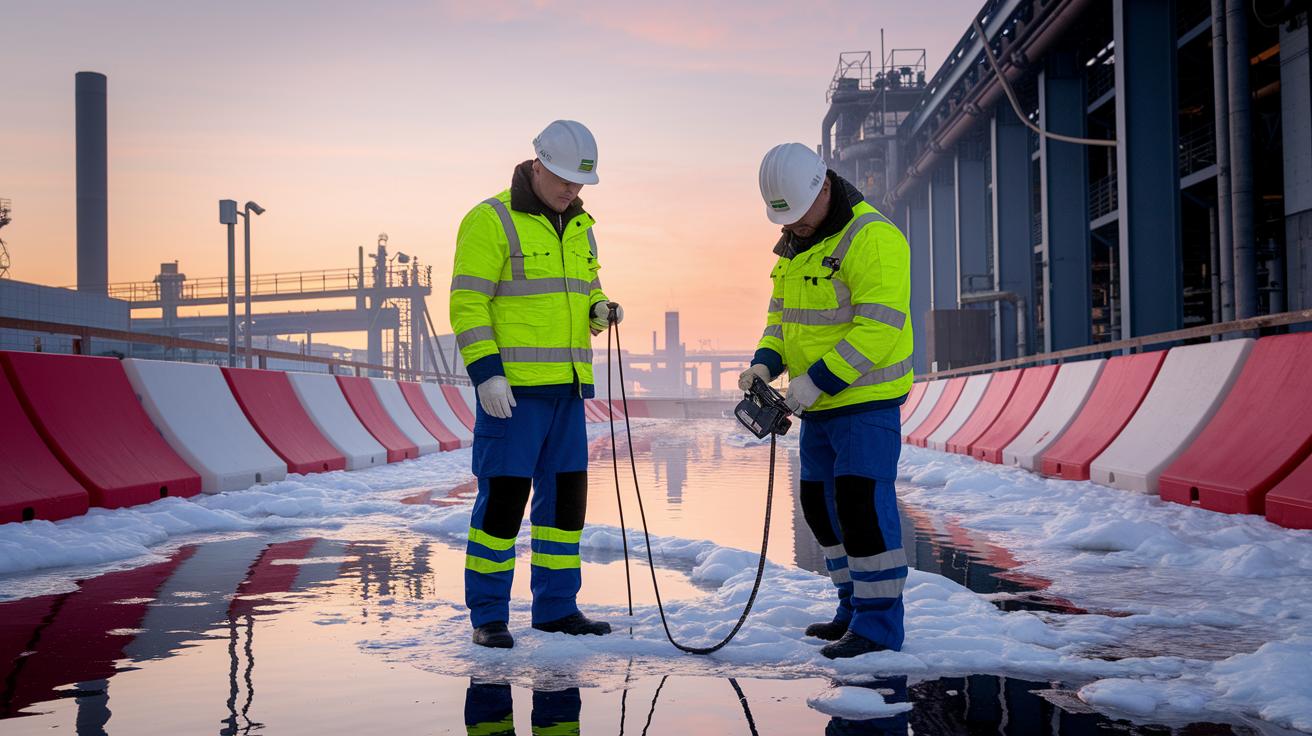
Our team starts by determining which chemical is involved and measuring the spill size. One technician mentioned that early identification helped set up quick barriers to protect nearby areas. This fast check shows how the chemical might spread and guides our next step.
Next, we assess the area using basic air monitors and testing kits. These tools help us pick the best method for containment and make sure toxic substances stay in place.
We then act right away to contain the spill. Our team uses barriers, booms, foam, and absorbent materials to block and soak up the spill. We also sort waste into hazardous, non-hazardous, universal, or medical categories to make safe disposal easier.
These clear steps help stop toxic material from reaching water supplies, soil, or the air. They follow strict safety guidelines and field protocols.
Decontamination and Cleanup Strategies for Hazmat Spills
After stopping the spill, we begin the cleanup process with clear steps to make the area safe. First, we remove the contaminated soil with the right tools. We use hydrovac extraction (a method that uses high-pressure water) and jetting to wash away the toxins. Next, we test the groundwater and soil for any remaining chemicals. We then use neutralization services to treat spills of acids or bases, turning them into less harmful substances. Waste is collected in roll-off dumpsters and organized with vac-box systems to ensure proper disposal. One technician explained, "We track every step to follow first responder orders and our emergency plan."
Here are the main tasks we follow:
- Check the area to plan how to remove soil and debris.
- Use hydrovac extraction and jetting to remove contaminants.
- Test the groundwater and soil to find hidden toxins.
- Treat spills with neutralization services to handle acids and bases safely.
- Organize the waste with dumpsters and vac-box systems.
- Keep detailed records and audit invoices to document proper disposal.
These steps meet strict cleanup standards. Our experienced team uses specialized equipment and follows a clear plan to restore the area and prevent future risks. Detailed records are kept at every step to ensure compliance and provide a clear record for any future reference.
Regulatory Framework and Incident Reporting Requirements
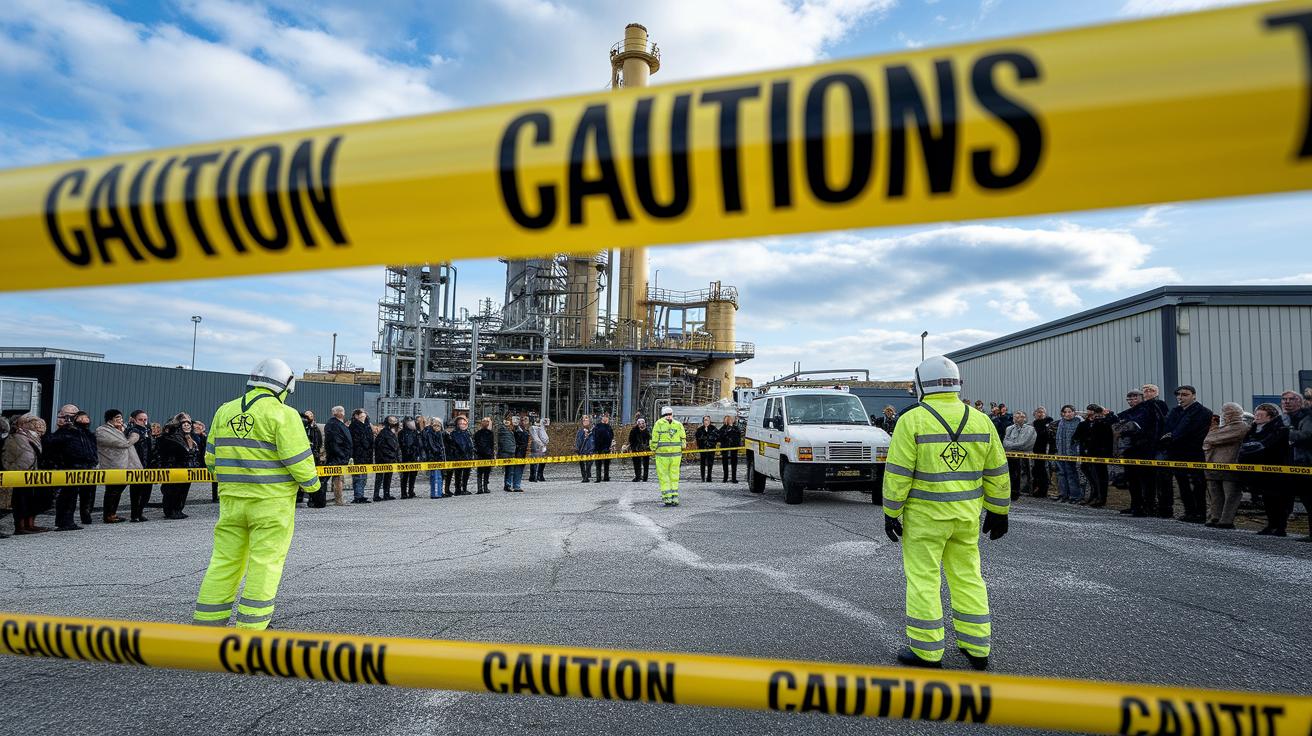
Federal rules for hazardous events include some important guidelines. The EPA's Comprehensive Environmental Response, Compensation, and Liability Act (CERCLA) and the Resource Conservation and Recovery Act (RCRA) set clear rules for managing dangerous materials. The DOT Hazardous Materials Regulations ensure these substances are transported safely. The OSHA Hazard Communication Standard, which you can review in the OSHA safety requirements for restoration contractors, provides steps to keep responders and the public safe on scene.
When a hazmat incident happens, you must call local authorities immediately. Responders need to notify the proper agencies before starting any containment or cleanup work. Once the scene is secure, a detailed report is prepared. This report shows the timeline of events, the actions taken, and any hazards found. It also documents the cleanup plan and any investigative results.
Sorting waste properly is also very important. Waste should be grouped into categories like hazardous, universal, or medical to ensure it is disposed of safely. Following government safety rules is not optional. Each step is crucial to protect people and the environment. Recording all procedures and following established guidelines helps maintain accountability in unsafe situations. Every action is controlled by these strict rules to manage risks and keep the public safe.
Illustrative Case Studies of Hazmat Incidents
These examples show how past hazmat events have shaped today’s response and cleanup efforts. In 1984 in Bhopal, India, a leak of methyl isocyanate caused 3,787 immediate deaths. This sad incident taught teams that a clear chain of command is essential to quickly organize evacuations and safety measures. One technician said, "A clear chain of command is crucial when every second counts."
In 2014 in West Virginia, USA, a spill of 4-MCHM polluted the Elk River and left around 300,000 people without safe water. This event underlined the importance of fast risk communication, quick environmental testing, and notifying the public right away. It showed that giving clear and timely information can greatly protect a community during a hazmat event.
In 1989, the Exxon Valdez spill in Alaska released 11 million gallons of crude oil into the environment. This led to severe environmental damage and very costly cleanup efforts. The key lessons were about the need for strong containment planning and effective waste management practices. It stressed that being prepared with proper containment measures can limit damage when large-scale spills occur.
| Incident | Date | Substance | Impact | Key Lesson |
|---|---|---|---|---|
| Bhopal, India | 1984 | Methyl isocyanate | 3,787 immediate fatalities | Strong command structure |
| West Virginia, USA | 2014 | 4-MCHM | 300,000 residents affected | Prompt risk communication |
| Exxon Valdez, Alaska | 1989 | Crude oil | Massive environmental losses | Effective containment planning |
Training, Preparedness, and Coordination for Hazmat Response
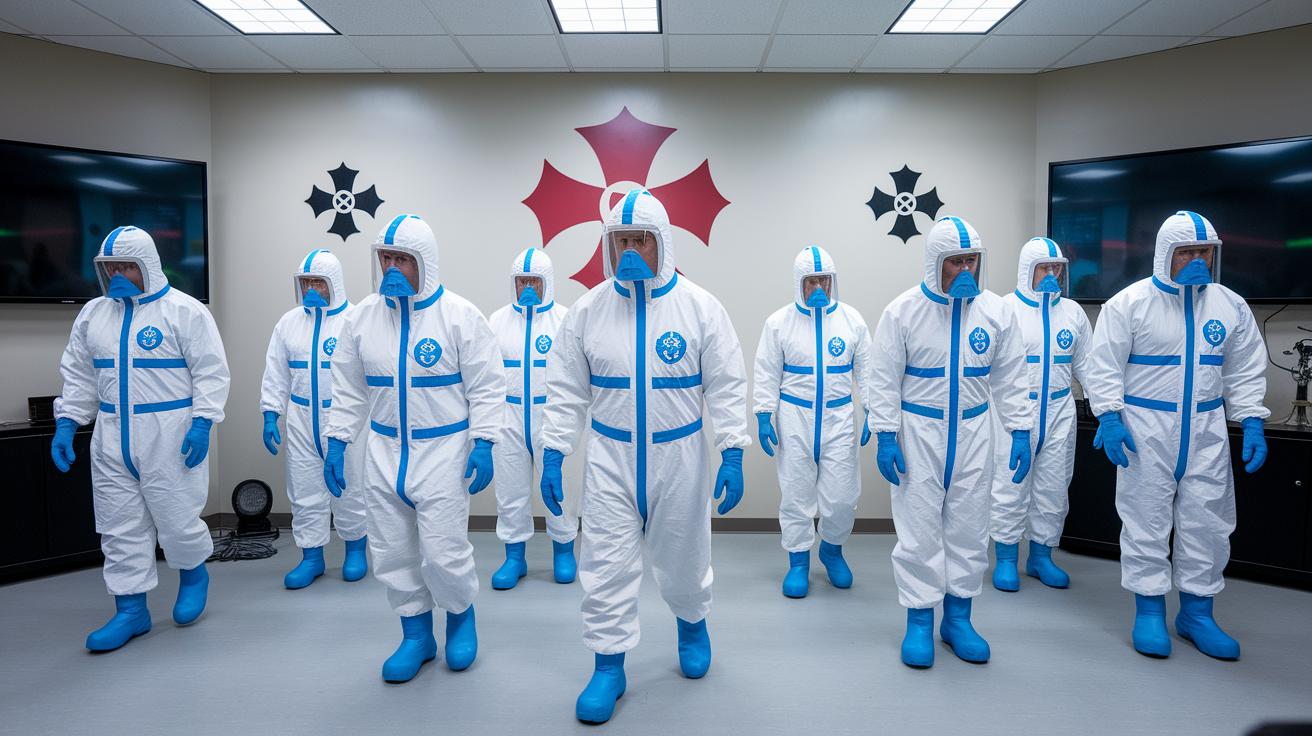
Our hazmat response starts with strong training and teamwork. Teams with HAZWOPER certification (hazardous waste operations and emergency response standards) learn to protect themselves and others during emergencies. They practice with regular drills that build skills and confidence when dangerous materials appear. We also use simulation training with special software so teams can practice responding safely, much like pilots use a flight simulator.
When a hazmat incident happens, working with different agencies is key. Local fire departments, environmental experts, and public health officials work together to set up clear communication and safe evacuation plans. We offer structured training programs, including online courses and free certification opportunities, to keep everyone up to date on safety practices. Regular drills help check that our protocols work well and spot any gaps early.
Public alerts also help keep the community prepared by giving clear instructions during toxic events. Together, these efforts make sure our teams are ready, responsive, and able to manage hazardous material incidents quickly and safely.
Final Words
In the action, we explored the full range of hazmat incidents, from initial definitions and common examples to emergency response levels and cleanup strategies. We broke down risk assessments, safety measures, and regulatory requirements, ensuring every step is clear for rapid response and property stabilization.
Understanding what is hazmat incident helps in acting quickly to limit damage and protect health. Every section builds the roadmap for a swift, safe recovery, leading to a brighter and secure future.
FAQ
Hazmat incident today
A hazmat incident today means a recent or ongoing release of dangerous materials, requiring a quick response by trained teams to protect health, property, and the environment.
What are hazmat incident examples?
Hazmat incident examples include industrial chemical spills, gas leaks from cylinders or pipelines, and radiological releases that threaten public safety and call for specialized cleanup efforts.
What does a hazmat incident near me mean?
A hazmat incident near you indicates a local event where hazardous materials have been released, alerting emergency teams to respond rapidly to limit potential risks.
What should you do in a hazmat situation?
In a hazmat situation, leave the area immediately, notify emergency services, and follow instructions from responders to avoid exposure and keep safe.
What does a hazmat incident mean on Quizlet?
On Quizlet, a hazmat incident typically refers to any accidental release of dangerous chemicals or materials that requires a specialized emergency response and cleanup.
What are famous hazmat incidents?
Famous hazmat incidents include major events such as industrial chemical spills and well-known cases like the Bhopal disaster, each emphasizing the need for effective emergency response.
What training is required for personnel responding to a hazmat incident?
Responders must have HAZWOPER certification, participate in regular drills and simulation exercises, and work in multi-agency teams to safely manage hazardous material events.
What is Hazmat incident Gatech?
Hazmat incident Gatech likely refers to training modules or research programs from the Georgia Institute of Technology that focus on effective hazardous materials response and preparedness.
What does a hazmat situation mean?
A hazmat situation means an accidental release involving hazardous substances, which triggers emergency measures to guard human health, safety, and the surrounding environment.
What is the most common cause of hazmat incidents?
The most common cause of hazmat incidents is accidental industrial spills, often stemming from faulty equipment or pipeline failures that lead to uncontrolled releases.
Can you give an example of a hazmat situation?
An example of a hazmat situation is a chemical spill at a manufacturing facility, where leaked substances pose immediate health risks and require prompt containment and cleanup.
What are two types of hazmat incidents?
Two types of hazmat incidents include minor events managed on-site with basic protective measures and major events that require coordinated response from multiple agencies and specialist teams.