
Ever wondered how to stop water damage fast? Water extraction pumps quickly remove water from your home or office. When a burst pipe or storm hits, these pumps work like a trusted first responder to clear the water and reduce further damage. They push water up against gravity and pressure, which makes them essential in an emergency. In this post, we explain how choosing the right pump can save you time, lower your stress, and protect your property from costly repairs.
Critical Features and Applications of Water Extraction Pumps
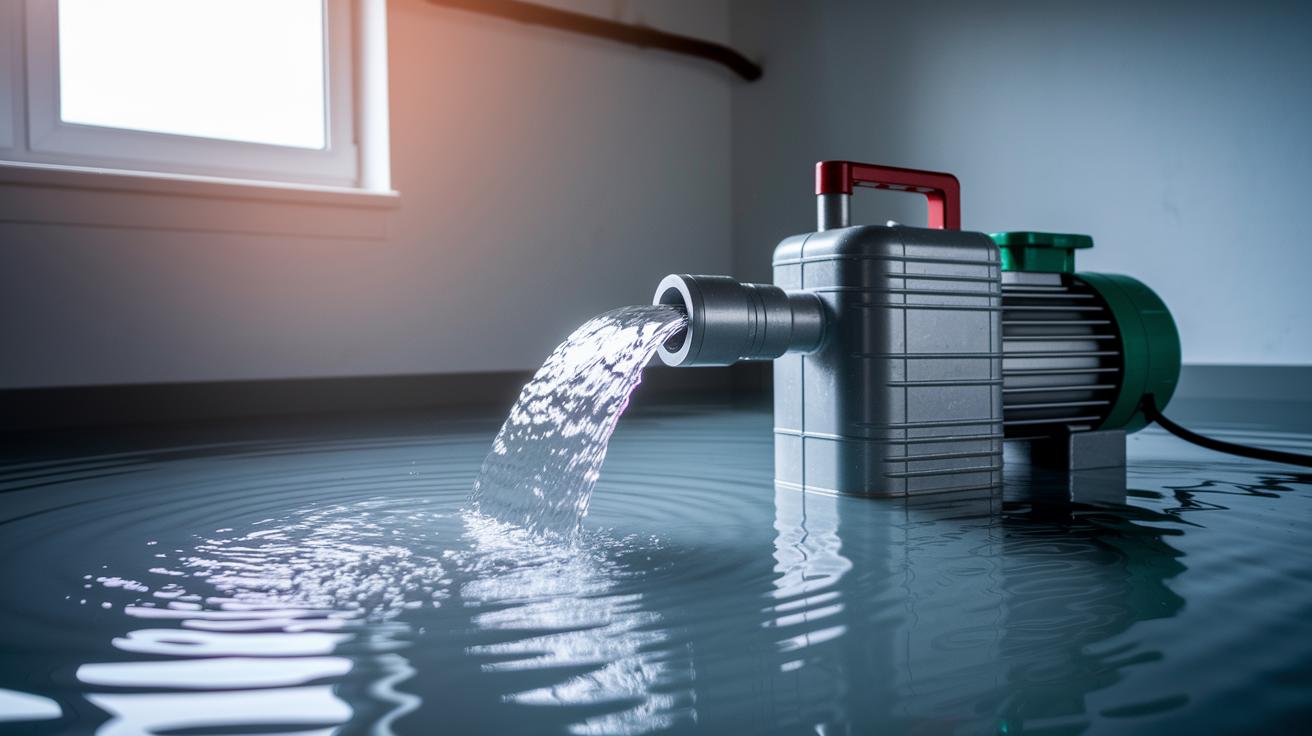
Water extraction pumps are machines that quickly move water using electrical, fuel, or solar power (energy from the sun). They force water along, even against gravity, friction, and pressure. When water finds its way into basements, ponds, or other places it shouldn't be, these pumps clear it out fast.
| Feature |
|---|
| Flow rate (GPM) |
| Total head height (ft) |
| Power source (electric, gas, solar) |
| Self-priming capability |
| Build material durability |
| Solids handling design |
At home, these pumps play a key role during water emergencies. They quickly remove standing water, which helps prevent further damage to your home and lowers the risk of mold. If you face a burst pipe or a flooded basement, these pumps can help restore normal conditions fast. They also work well in offices or stores, clearing water swiftly so that business continues with minimal interruption.
Built tough and easy to move, these pumps serve well in commercial and emergency situations. In events like hurricanes or sudden floods, portable water removal systems are ready to protect your property and reduce downtime. Indoor pumps offer a safe and efficient way to handle large volumes of water, making them invaluable for disaster recovery teams and restoration professionals.
water extraction pumps Deliver Unmatched Efficiency
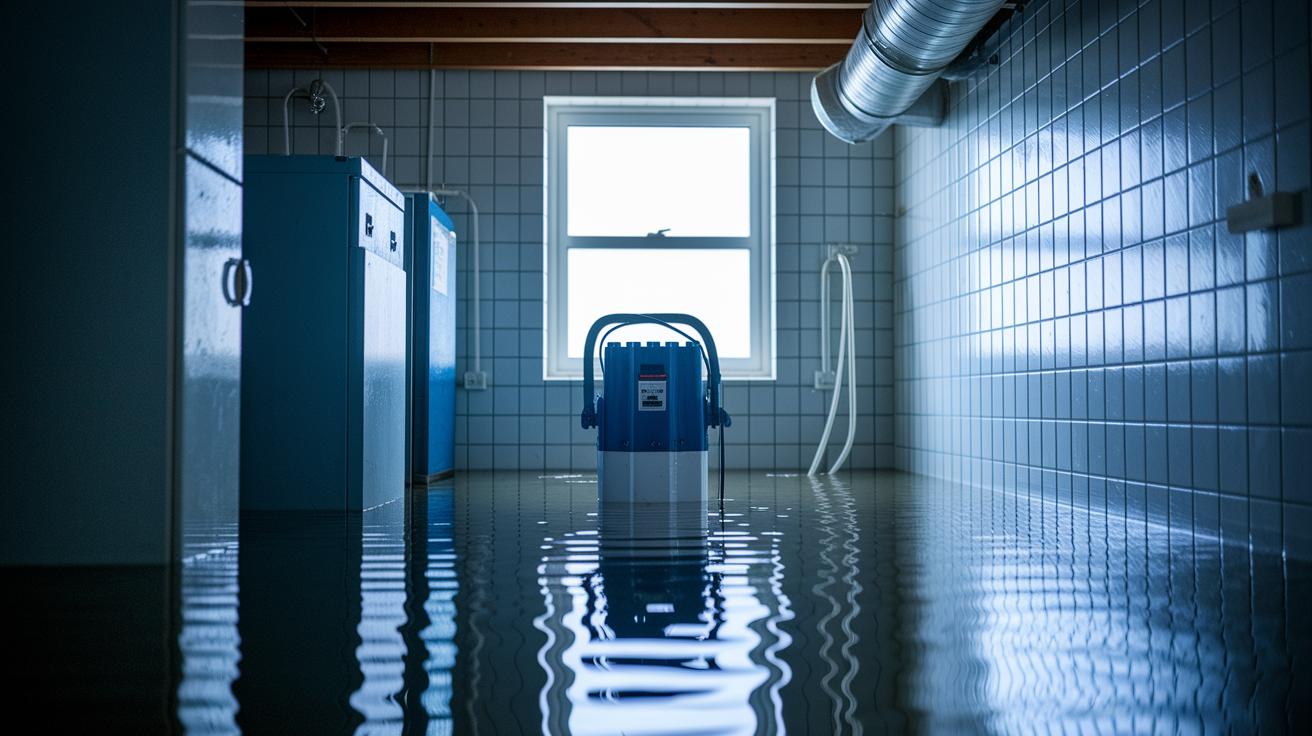
Choosing the right pump is key to removing water quickly and safely from any affected area. Each type of pump has a design that fits different water removal needs.
Submersible Extraction Pumps
These pumps have a motor sealed to work underwater. They are built for basements and sumps (water collection areas), and they perform well within normal limits for gallons per minute (GPM) and water lift (head). They are best when water has seeped deep underground because they run continuously without damaging the motor.
Centrifugal and High-Pressure Pumps
These pumps use a rotating part called an impeller to move water. They mix flow rate and water pressure to work well in deep wells and tall buildings. This design creates a strong water surge, making them suitable when high pressure is needed to move water quickly.
Solid-Handling Trash Pumps
Made from tough, abrasion-resistant materials, these pumps are built to handle solids and debris without clogging. Their strong build and ability to work with larger particles make them a reliable choice on construction sites or for sewage cleanup, where water often carries heavy contaminants.
Portable Flood Extraction Systems
These systems have lightweight frames and quick-connect hoses for easy setup in emergencies. Their mobility means they can get to flooded areas fast, making them essential for rapid water removal when every minute counts.
Truck-Mounted Extractor Units
Designed for large jobs, these units can remove over 500 GPM. Their mobile design allows them to be deployed quickly, which is ideal during hurricanes or flood situations when a large volume of water must be cleared fast.
Selecting the Right Water Extraction Pump: Sizing, Capacity, and Pricing Considerations
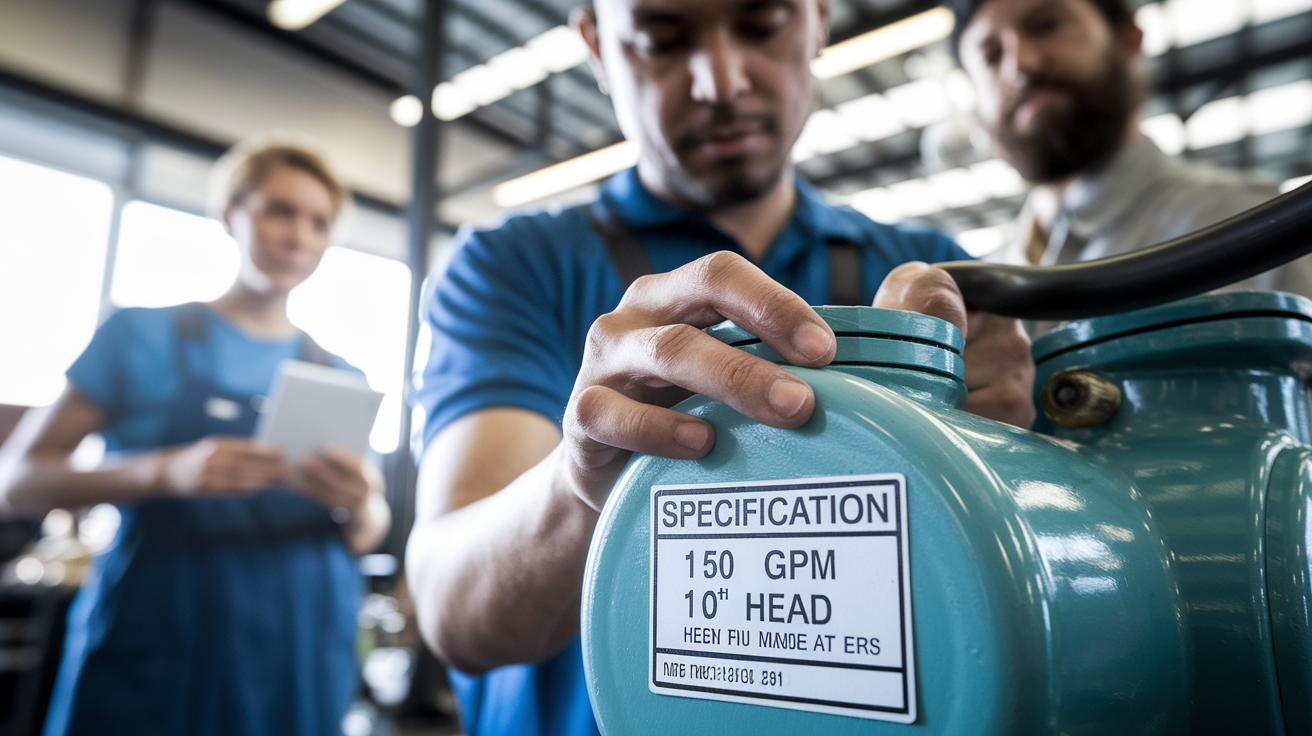
Start by checking your site's needs and the pump manufacturer details. Look at the pump's output in gallons per minute (GPM) and its ability to push water to a certain height (head height). For example, if the spec reads "150 GPM at 10 ft head," it means the pump can deliver 150 gallons per minute while pushing water up 10 feet.
Next, figure out the total head and flow needed for your setup. Begin by identifying the area where water gathers most and then add a little extra to cover any extra height or resistance. This ensures your pump has enough power where it counts. You can find the dynamic head by adding the static lift (vertical distance) and the friction loss in the pipes.
Keep these points in mind:
- Look over the manufacturer's capacity charts carefully.
- Add the static lift and friction to find the total head.
- Check that the pump's horsepower or voltage matches your site's supply.
- Know that portable pumps are budget-friendly but industrial-grade pumps cost more because they offer extra features.
These tips help you pick a pump that works efficiently for safe and cost-effective water removal.
Installation and Maintenance Best Practices for Water Extraction Pumps

Installation Guidelines
Begin by preparing your work area. Place the pump in a spot where water gathers naturally. Mount it on a stable, level surface so it stays secure during use. Make sure all electrical parts stay dry and use the right components for safety. Keep the pump away from hazards while leaving enough space for easy maintenance. For example, secure the pump on a leveled, non-slip platform near the water collection area so it moves less during heavy operation.
Maintenance Best Practices
Regular maintenance keeps the pump working well. Check the pump often for leaks or rust. Clean the impellers and strainers to keep water flowing freely. Inspect all seals and follow the manufacturer's lubrication schedule. In cold weather, drain fluids and store the pump indoors in a dry place to prevent damage. Also, verify electrical connections and ensure nothing blocks the intake. These steps help keep your pump reliable and ready for emergency water removal.
Emerging Innovations in Water Extraction Pump Technology

Water extraction pumps are getting smarter and greener. Many manufacturers now build in solar power using sunlight panels, which helps run the pump without using traditional energy. This approach cuts down on energy use and can lower operating costs. Some pumps include variable frequency drives (systems that adjust motor speed based on the work needed) which optimize energy use and make the equipment last longer.
New models also offer smart control features. For example, some pumps have IoT-enabled diagnostics (internet-based monitoring) that let you check performance remotely in real time. Acoustic insulation improvements help reduce noise, so the pump runs quietly and is more neighbor-friendly. Additionally, using materials like corrosion-resistant composites helps the pump handle tough conditions and extends its lifespan.
One advanced model combines solar power with remote monitoring. This means it can extract water effectively, quietly, and for a long time during both emergencies and routine operations.
Comparing Popular Water Extraction Pump Models
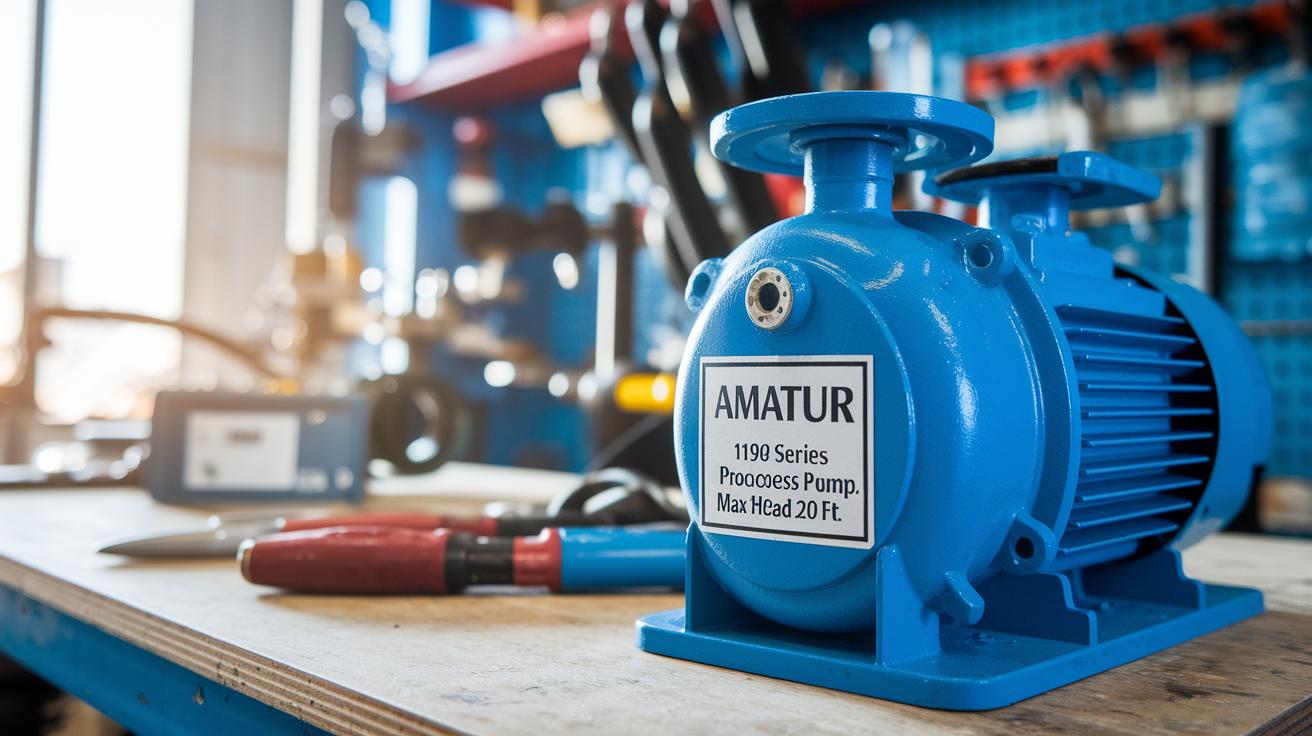
When picking a water extraction pump, it's important to look at key features. Every pump has its own strengths that can help with different water cleanup situations. You should check the pump type, how much water it can move per minute, how high it can lift water, and where it works best. This helps you choose the right tool for emergency fixes or regular maintenance.
| Model | Type | Max Flow (GPM) | Max Head (ft) | Best Application |
|---|---|---|---|---|
| 1196 Series | Process Pump | 140 | 20 | Residential emergencies |
| 1796CC | Close-Coupled | 180 | 25 | Commercial flood response |
| S100 | Self-Priming | 120 | 18 | Indoor liquid evacuation |
| RVI80 | Vertical Multistage | 200 | 30 | High-rise or deep well applications |
| DN Series | Solid-Handling | 160 | 22 | Construction sites/ sewage cleanup |
Match the pump's features to what you need by considering how much water must be removed, where it will be used, and if your work is short-term or longer-term. When you compare numbers like flow rate and head pressure with your exact needs, you can pick a pump that is safe, reliable, and efficient for any situation.
Final Words
In the action, this article explored water extraction pumps, highlighting key features like flow rate, head height, power choices, and self-priming capabilities. It examined various pump types, sizing criteria, and maintenance tips for safe operation. We also touched on emerging technologies and practical model comparisons for real-world applications, from emergency water removal to preventing long-term damage.
By understanding these elements, you'll be better equipped to select the right water extraction pumps for rapid, effective property stabilization. Stay confident and focus on a secure, dry recovery.
FAQ
What are the cost and availability details for water extraction pumps?
The cost of water extraction pumps depends on flow rate, head capacity, and extra features. They are sold online, at hardware stores, and by local suppliers. Checking detailed specifications ensures you get the right model.
What types of water suction and automatic pumps are best for residential use?
Residential pumps range from manual water suction units to automatic models with sensor-activated features. They are designed for ease of use, fast response during flooding, and efficient water removal.
What are the best water extraction pumps for small jobs and flood emergencies?
The best water extraction pumps for small jobs and floods are compact, portable units with high flow rates. They offer quick deployment and efficient removal, making them ideal for emergency water extraction.
How far can a 2 hp pump pull water compared to a 1 hp pump?
A pump’s horsepower influences its ability to move water. Generally, a 2 hp pump can pull water further than a 1 hp pump, though actual performance depends on head height, piping, and system design.
How do I get 2 inches of water out of my basement safely?
Removing 2 inches of basement water calls for a pump with sufficient flow and head capacity. Using a pump designed for basement drainage will remove the water quickly while ensuring safe operation.
What size well pump do I need for a 200 ft well?
The proper well pump size for a 200 ft well depends on the water table depth, flow rate, and head pressure requirements. Consulting manufacturer specs helps match the pump to your well’s unique demands.