
Have you ever thought about how drying your wet carpet might breathe new life into your home? Water damage can go beyond stained floors; it can hide mold and cause health issues if not handled right. In this guide, we show you a simple, step-by-step method to extract the water safely and clean your carpet. Follow these clear safety steps and use the proper tools to stop further damage and enjoy a fresher, healthier living space. Read on to learn how to help your carpets and your home recover.
Efficient Water Extraction from Carpets: Step-by-Step Guide
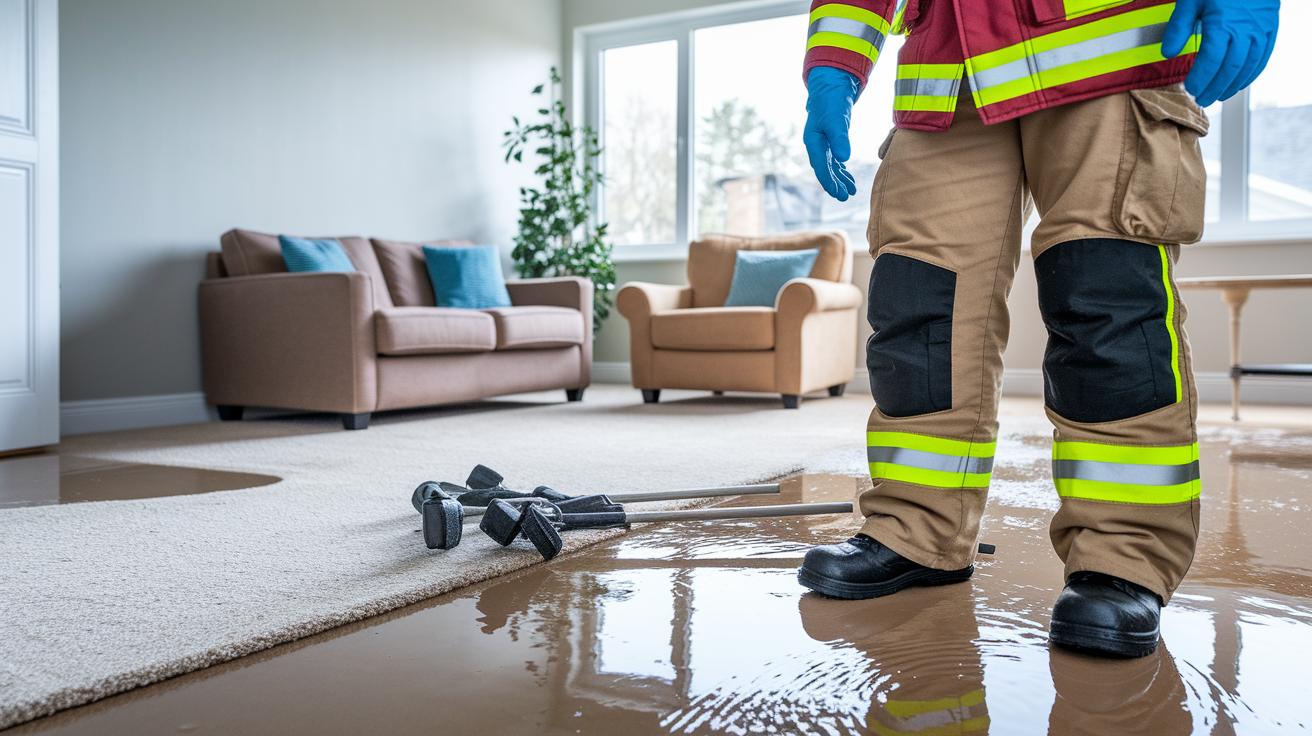
Start with safety. Turn off the power near any wet spots to avoid shock. Wear protective gloves and boots to stay safe from any contaminated water or debris. These simple measures help keep you secure as you work on removing water from your carpet.
Next, clear out the room. Remove all furniture and any obstacles so you can protect your belongings and improve the airflow. A tidy space makes it easier to access every part of your carpet for a thorough cleaning.
Begin by setting your wet-dry vacuum to its wet mode. Press firmly into the carpet fibers to pull out as much water as possible. Then, use white towels to gently pat down and absorb any leftover moisture. This approach speeds up drying and helps prevent moisture buildup.
After vacuuming and towel drying, lift a corner of the carpet to inspect the pad and subfloor. If you notice they are still damp, set up fans and a dehumidifier to run for 24 to 48 hours. This extra step removes residual moisture and helps stop mold from forming.
Follow these final steps:
- Vacuum using overlapping passes to cover the entire area.
- Rotate towels frequently to boost water absorption.
- Use a channel nozzle to reach deeply into the carpet fibers.
- Check the moisture meter regularly to track the drying progress.
Selecting and Using Carpet Extraction Equipment
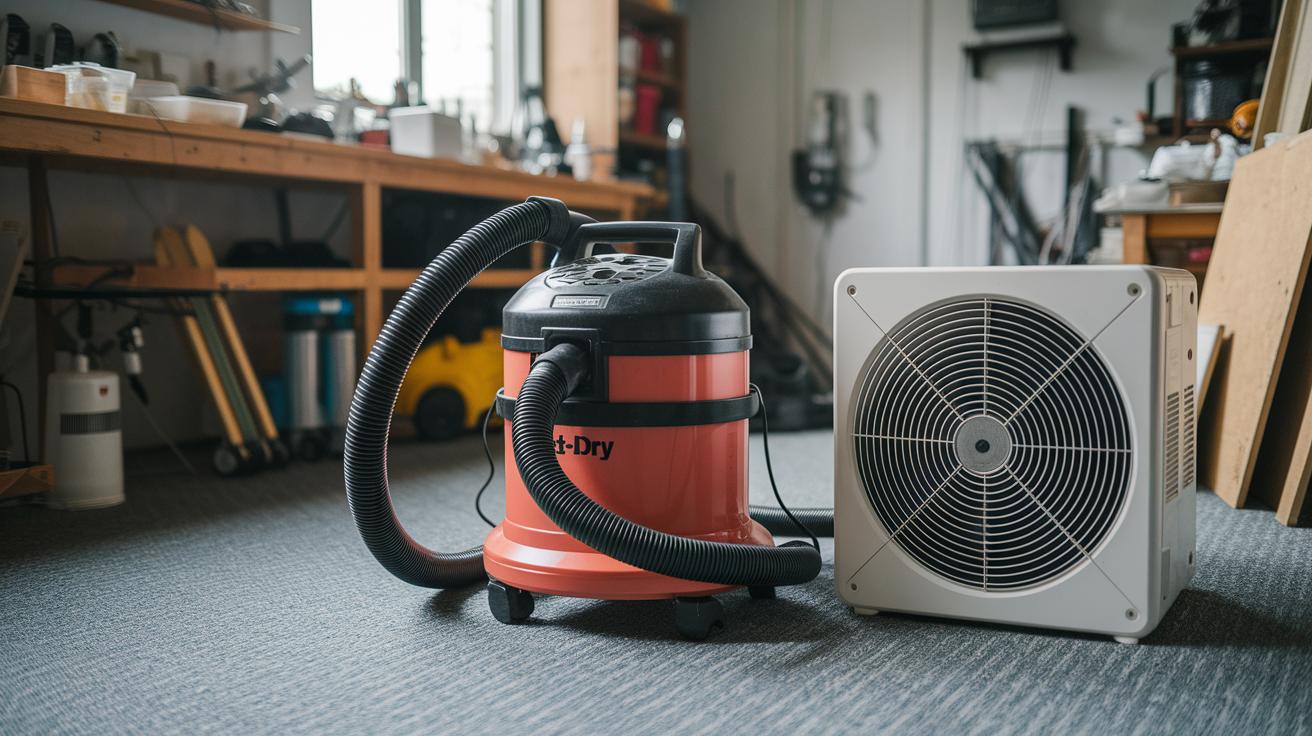
Wet-dry vacuums are key tools for removing water that soaks deep into carpets. These machines come with different suction strengths measured in CFM (cubic feet per minute). This rating helps match the tool to your carpet type. Box and mover blower fans use strong airflow to help dry the subfloor quickly. Dehumidifiers then reduce moisture by lowering the air's humidity to below 40% and can remove 50 to 70 pints of water per day.
When you choose between renting and buying equipment, think about cost and how often you need it. Renting from a hardware store saves money for one-time jobs. If you face water issues more frequently, buying might be a smart move. Consider how long you will use the equipment, how much upkeep it needs, and if you have the space to store it.
Check key details like the CFM on vacuums and pint capacity on dehumidifiers to ensure steady performance. Regular care can help these tools last longer. Using the right attachments can boost cleaning, especially in tight or heavy-soiled areas:
- Crevice nozzle – reaches small corners
- Upholstery tool – cleans stairs and edges
- Channel wand – helps with deep cleaning
- Extension wands – get under furniture
- Filter maintenance kit – keeps the equipment working well
Advanced Drying Strategies for Waterlogged Carpets

Set up fans in a triangle pattern around the room to boost airflow and speed up the drying process. Use ceiling, box, and oscillating fans to create cross-ventilation that pushes moist air away from both the carpet and subfloor. Running the fans continuously for 24 to 48 hours helps circulate fresh, dry air over all affected areas.
Place a dehumidifier 3 to 6 feet from the carpet edge with its outlet facing an open space. This positioning allows the unit to efficiently pull moisture from the air. Let the dehumidifier run for a full cycle of 24 to 48 hours and check its performance every 12 to 24 hours. Adjust its location if you notice any stubborn damp spots.
Monitor the environment regularly to maintain the best drying conditions. Keep the relative humidity below 40% and maintain a temperature between 70°F and 75°F. Starting the drying process within 24 hours is key to preventing mold. By keeping an eye on moisture levels, you ensure that your carpet and subfloor dry completely and safely.
Specialized Techniques for Flooded Carpet Water Extraction

Before beginning any work, make sure the area is safe. Turn off the power at the breaker and cordon off the affected space. Shut off any valves and use a pump to remove standing water to prevent more from coming in. Wear protective gloves and boots to avoid exposure to harmful substances.
Start by removing most of the water with a heavy-duty wet vacuum. Press the vacuum head firmly into the carpet to draw out moisture deep within it. Then, place white towels in the seams and along the edges to soak up water that the machine may leave behind. This combined approach helps reduce the overall saturation.
Once the bulk of the water is removed, tackle odor control and inspect the carpet pad. Sprinkle baking soda over the carpet to neutralize smells and absorb any remaining moisture. Lift a corner of the carpet to check the pad and the subfloor for any damp areas. This method ensures better drying and lowers the risk of mold growth.
When to Call Professionals for Carpet Water Extraction
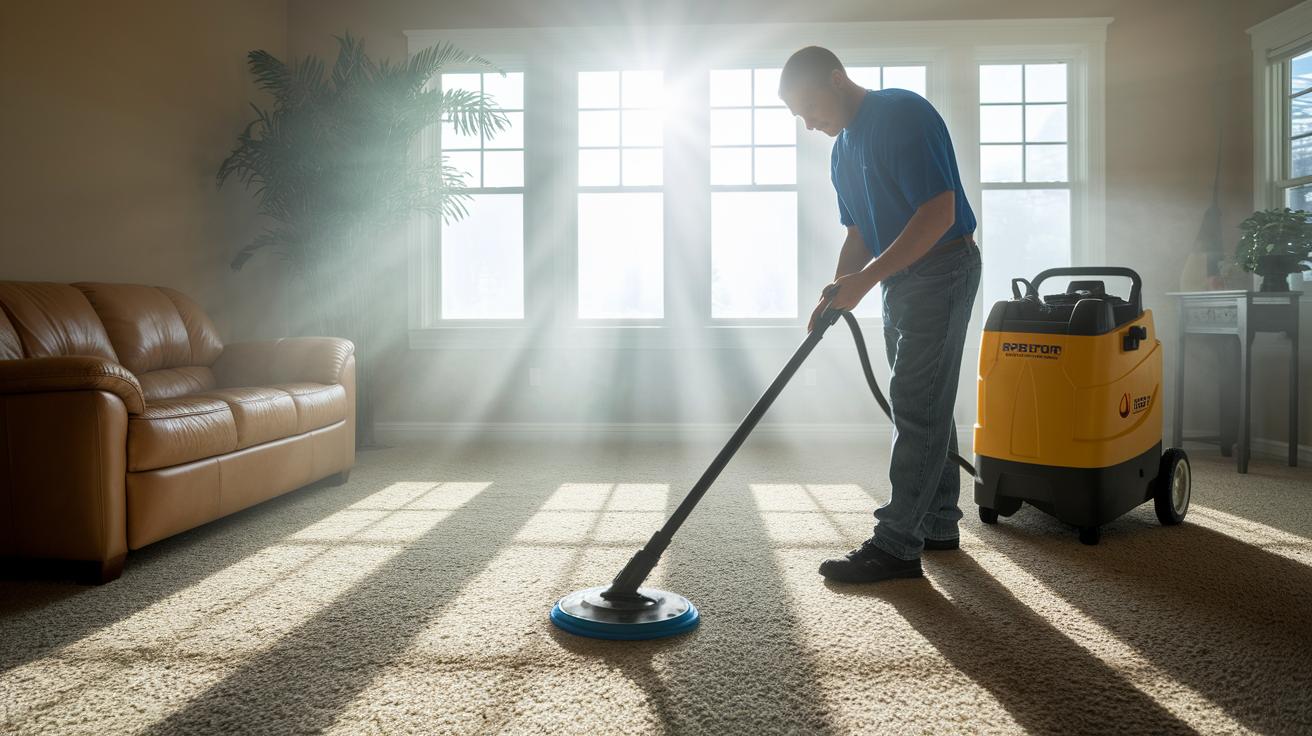
If you have tried to remove water yourself, you may still be dealing with hidden moisture. When water soaks deep into the carpet, leaves tough stains, or saturates the pad and the floor beneath, it is time to bring in the experts. You might even see water left over after using your wet-dry vacuum several times. Continuing to use DIY methods can push the water deeper and raise the risk of mold and damage to your home's structure.
Experts use special equipment designed for a deep clean. They work with truck-mounted extraction systems, heavy-duty HEPA air movers (machines that help filter the air), and large dehumidifiers (devices that remove moisture). These tools reach areas that household equipment cannot and help speed up drying times, especially in busy spaces like commercial areas.
When the damage is serious, keeping a record for insurance purposes becomes important. Professionals document the process, provide cost estimates, and help set a clear timeline for your claim. After the initial work, they also do follow-up checks and treat any remaining stains to help your carpet look and work like new.
Final Words
In the action, we walked through safety measures, removing obstacles, and proper use of a wet-dry vacuum for water extraction from carpets. Each step, from turning off power to using towels and dehumidifiers, is key for immediate, safe recovery.
We also covered the importance of monitoring moisture levels and knowing when to call professionals for extra help. This step-by-step guide shows you how to protect your property and move toward full restoration confidently.
FAQ
How to treat water extraction from carpets, get water out of carpet fast, and remove water from carpet quickly?
The best approach treats water extraction by turning off power, using a wet-dry vacuum with proper technique, and blotting with white towels before running fans and dehumidifiers to thoroughly dry the carpet.
What are carpet water extractors, water extraction machines, and how can I get water out of carpet without a wet vac?
The term refers to specialized tools like wet-dry vacuums, extraction machines, or rental units equipped with attachments that pull moisture from deep within carpet fibers when standard wet vacuums aren’t used.
How do Stanley Steemer water restoration reviews reflect on their service?
Stanley Steemer water restoration reviews generally reflect mixed opinions, with customers praising prompt response and professionalism while experiences may vary by specific incident.
How does water damage cause carpet smell, and how can it be fixed?
Water damage can cause a sour, musty carpet smell due to trapped moisture and mold. Prompt extraction, thorough drying, and deodorizers like baking soda help neutralize the odor.
What should I do with a flooded carpet and how can I find reliable flooded carpet cleaning services or a water extraction company?
When facing a flooded carpet, first ensure safety by turning off power and stopping the water source, then remove excess water. Next, consider contacting a reputable local extraction company for professional cleaning.
How do I file a water damaged carpet insurance claim?
The process starts by documenting the damage with photos and notes, saving receipts, and then contacting your insurer to submit a detailed claim following their established guidelines.
How much does it cost to extract water from carpet?
Costs typically vary by size and severity of the damage, ranging from a few hundred dollars to over a thousand, depending on the equipment used, labor needed, and local service rates.
How long can carpet remain wet before mold develops?
Carpet left wet for more than 24 to 48 hours is at risk of mold growth, so immediate action using rapid extraction and effective drying methods is important to prevent mold.
What materials or methods will absorb moisture out of a carpet?
Absorbents like dry white towels and baking soda help pull moisture from the carpet, while professional equipment and techniques ensure deep-seated moisture is removed.
Should carpet be replaced after water damage?
Replacement depends on the extent of saturation and contamination; if the carpet or padding remains heavily wet or shows signs of mold growth, replacement is often recommended for lasting restoration.