
Has a storm battered your roof and left you wondering what to do next? When heavy winds and rain hit, your roof can fail before you even notice. Simple steps like removing debris and placing a sturdy tarp can prevent more severe damage later on. In this post, we share reliable, quick tips for fixing storm-damaged roofs while keeping repair costs low. Let's walk through easy steps to protect your home and restore your peace of mind.
Immediate Roof Repair and Temporary Protection Measures After Storm Damage

When your roof is damaged by a storm, safety comes first. Make sure everyone is out of harm's way and avoid areas that look risky. Quick steps now can stop further water leaks or even structural problems.
It is important to act fast. Your roof is the first line of defense for your home, and even small damage can lead to bigger issues if not addressed right away. Following these steps immediately can help keep repair costs lower in the long run.
- Debris removal
- Emergency tarping
- Scheduling a professional inspection
- Applying leak containment measures
- Contacting a qualified contractor
Safe Tarping Techniques
Pick a heavy-duty tarp that can stand up to water and wind. Start by placing the tarp over the damaged area of the roof. Use roofing nails or water-resistant tape to secure the tarp’s edges tightly. Make sure the tarp covers every weak spot to keep out rain and wind. For guidance on weatherproof tarping, check local storm repair tips and talk to repair specialists. Always wear gloves and be cautious when working on the roof.
Additional Temporary Repair Methods
Carefully remove any branches or debris that might harm the roof further by using a secure ladder and the right tools like a pruning saw. For small leaks, use a sealant kit to slow down water seepage until a professional can fix the issue permanently. Place buckets to catch any dripping water and protect your home’s interior. Avoid stepping on damaged areas to prevent injury.
By clearing debris, securing a tarp, and fixing leaks temporarily, you help stop more damage while waiting for long-term repairs. This quick action can save you from heavier repair bills later on.
Comprehensive Storm-Damage Roof Assessment and Inspection

After a big storm, getting your roof inspected is very important to spot any hidden problems. A careful look can reveal if any shingles are missing, cracked, or lifting, if granules have washed into the gutters, or if water is pooling because the drainage failed.
Wind Damage Indicators
Strong winds can rip off or lift your shingles. Winds hitting at hurricane strength (74 mph or more) or strong gales (39-54 mph) can break or shift them. If you notice broken or displaced shingles, contact a licensed and insured contractor for an inspection right away.
Hail-Related Shingle Damage
Hail can cause dents or cracks in your shingles. These dents may even remove the protective granules. Look for small dings or deeper cracks that could let water seep into your home. Fast evaluation and repair help prevent more costly damage later.
Moisture & Water Intrusion Signs
Heavy rains can let water sneak under your shingles. Stay alert for puddles, wet spots, or leaks in your attic. These signs mean water is getting in and could harm both the roof and the structure below. Quick moisture testing and repair can help stop further damage.
Debris & Structural Impact
After a storm, falling debris like branches or hail can cause extra harm. If you spot dents or notice that parts of the roof seem off, it could be due to debris impact. A professional roof assessment will check for hidden structural damage and help plan the necessary repairs.
| Sign | Cause | Recommended Action |
|---|---|---|
| Missing Shingles | Strong Winds | Schedule a roof inspection |
| Cracked/Dented Shingles | Hail Impact | Conduct a hail damage evaluation |
| Standing Water | Poor Drainage | Take steps to contain leaks |
| Granules in Gutters | Erosion from Storm | Perform a thorough roof check |
Navigating Insurance Claims for Storm-Damaged Roof Repair
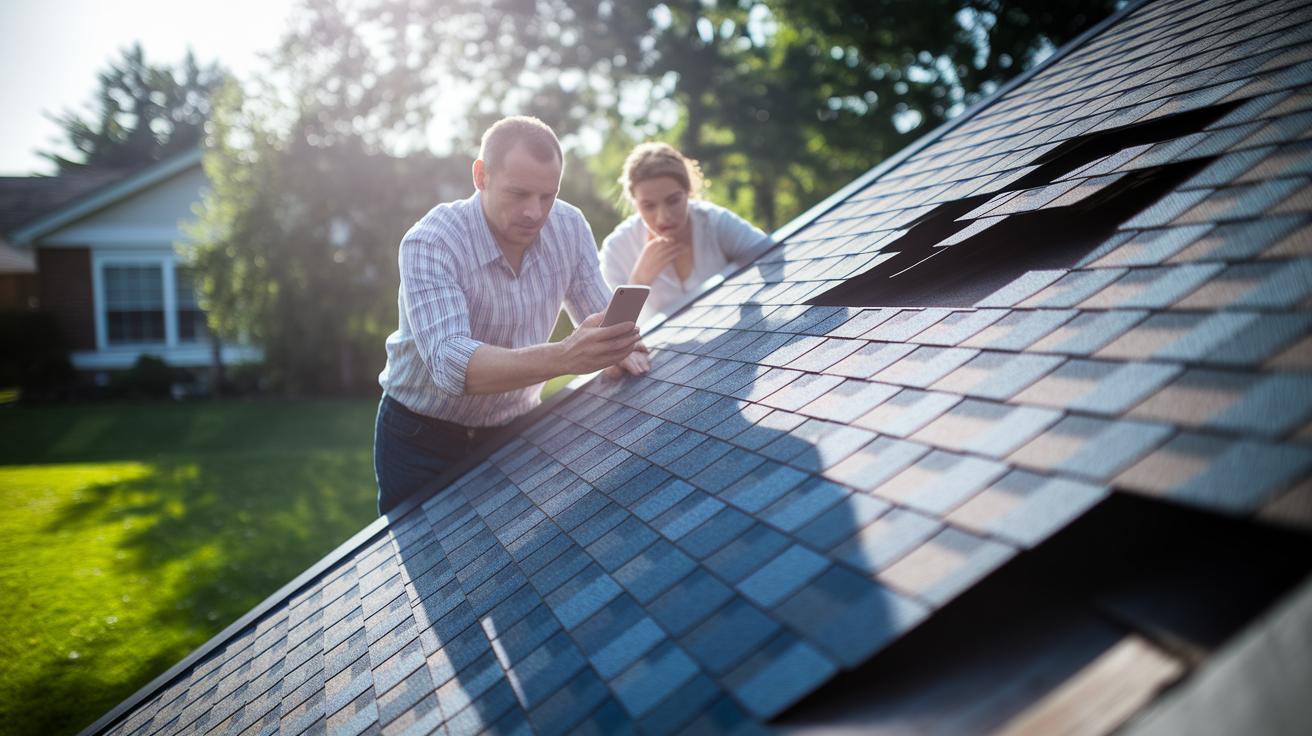
Your homeowners insurance usually covers roof damage from hail, strong winds, and even falling trees. Before you file a claim, take a close look at your policy. Check what is covered and note any restrictions or limits. This simple step can help you avoid surprises later on and give you a better idea of what to expect during the claim process.
Before you call your insurer, take clear photos of all the damage. Capture shots of missing shingles, any leaks, and other visible problems. Write down what you see and note any temporary fixes you made to stop further damage. Doing this shows your insurer exactly what happened and supports your request for a fair claim evaluation.
storm damaged roof repair: Fast & Trusted Help

Dealing with a storm-damaged roof can be very stressful. It is important to choose a contractor who is both licensed (approved by the state) and insured (protected in case of accidents). Local experts often provide free inspections and send you a written quote, so you know exactly what repairs are needed. Check customer reviews and before-and-after photos to be sure they have fixed roofs damaged by both hail and wind.
When selecting a contractor, ask a few key questions. Check how much experience they have with emergency storm repairs and ask for examples of past work, especially for wind and hail damage. Confirm that they are certified storm repair providers and look for positive feedback in customer reviews. Ask them to explain the steps they take during inspections and how they document the damage. This helps ensure that you are working with a contractor who truly understands roof restoration.
Also, consider how quickly the contractor can respond. Many local experts can send an emergency repair team within 24 to 48 hours after a storm. A fast response can limit further damage and give you peace of mind. A contractor with a strong local presence not only repairs your roof efficiently but also helps guide you through the insurance claims process during a difficult time.
Cost Estimates and Budgeting for Storm-Damaged Roof Restoration

After a storm, roof repairs can catch you off guard and stretch your budget. Knowing common cost ranges helps you decide if you need a quick fix or a full roof replacement. Clear estimates also help you plan for repair costs and prepare for deductibles, which usually range from 1% to 5% of your home's insured value.
| Repair Type | Cost Range |
|---|---|
| Minor shingle repairs | $300 to $1,200 |
| Partial roof repairs | $1,500 to $3,500 |
| Full roof replacement | $5,000 to $15,000 |
| Gutter and accessory repairs | $250 to $1,000 |
Many contractors offer financing options with flexible payment plans to ease the cost of emergency roof repairs. In addition, there may be government or utility programs that reward energy-efficient roofing upgrades, which can lower your overall investment. By reviewing these estimates and your financing options, you can make smart decisions that meet your immediate repair needs while keeping your long-term budget in check.
Long-Term Maintenance and Weatherproofing After Storm Roof Repair
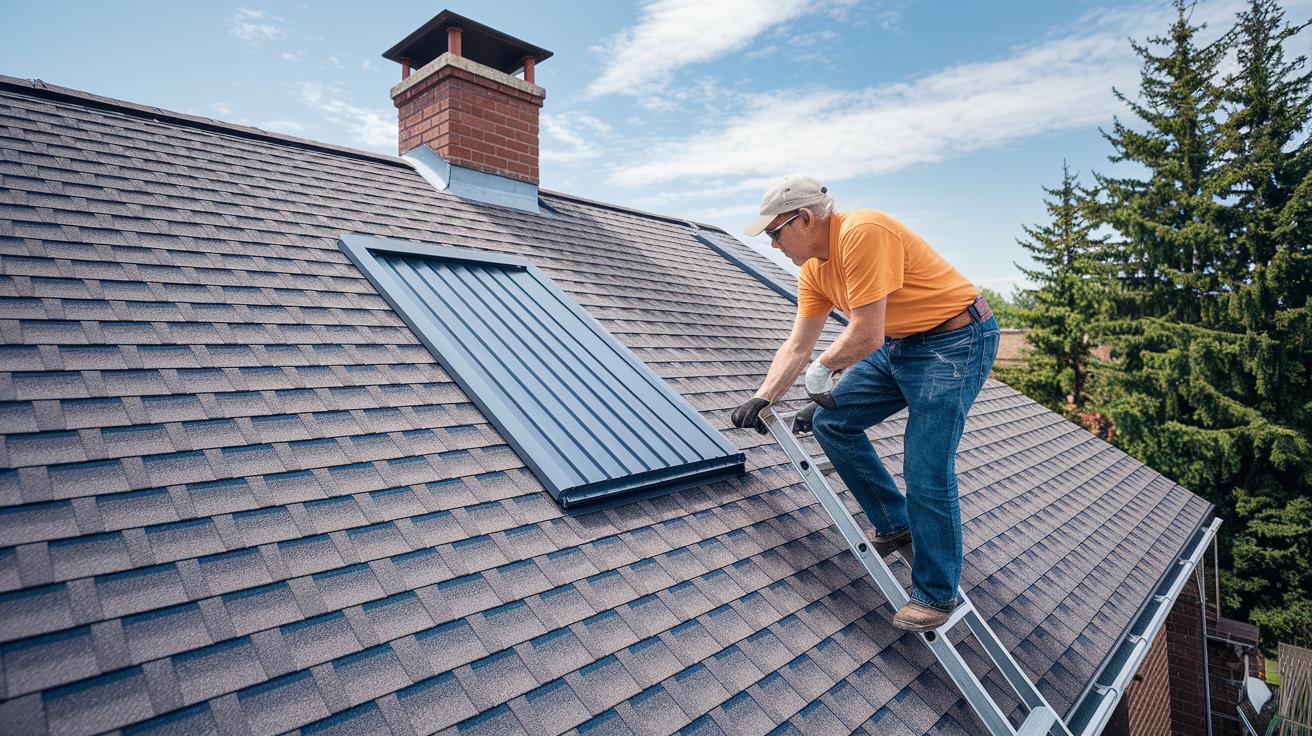
After a storm repair, keeping your roof in good shape starts with using top-quality sealants and shingles made to handle strong impacts. These materials not only block water but also lower the risk of damage from future storms. The sealants fill small gaps and protect weak areas, while the impact-resistant shingles are built to handle heavy hail and fierce winds. This combo helps your roof last longer and cuts down on pricey fixes later.
Another important step is making sure your attic gets enough fresh air. Good ventilation stops moisture from building up, which can harm the underlayment (the protective layer beneath your shingles) and promote mold growth. Upgrading with better ridge vents or extra soffit vents makes it easier for hot air and dampness to leave, protecting the structure and increasing your roof's ability to stand up to future storms.
Finally, scheduling inspections twice a year is key to keeping your roof in peak condition. Regular checks by a professional catch small issues, like worn sealants, loose shingles, or ventilation problems, before they become bigger repairs. This routine maintenance not only gives you peace of mind but also helps keep repair costs low while ensuring your home stays safe.
Before-and-After Case Studies and Customer Testimonials for Storm Roof Repair

Homeowners find comfort in seeing real-life examples of our work. Below are case studies that show how our quick and expert repairs restored safety and confidence in homes after storm damage. These examples prove that prompt and skilled repairs can turn a compromised roof into a strong barrier against harsh weather.
| Location | Damage Type | Repair Conducted | Outcome |
|---|---|---|---|
| Midwest | Hail Damage | Replaced damaged shingles | No leaks after six months |
| Northeast | Wind Damage | Fixed missing shingles and reapplied sealant | Consistent shingle layout and better protection |
Our customers share these positive results. They appreciate our fast service, clear communication, and helpful insurance support during repairs. Their real stories show why it is important to work with professionals you can trust for lasting roof repair solutions.
Final Words
In the action, we covered quick steps from emergency roof fix after severe weather to calling local experts. We broke down immediate tarping and debris removal, detailed how a thorough damage assessment and proper documentation help with insurance claims, and explained choosing reliable contractors for storm damaged roof repair. We also discussed cost estimates and long-term weatherproofing measures to extend your roof's life. Taking action today can limit further damage and repair costs, leaving you ready for a stronger tomorrow.
FAQ
Q: What does storm damage roof insurance claim require?
A: The storm damage roof insurance claim requires you to document all damage with clear photos and records. This helps your insurer process your claim quickly and ensures proper coordination for repairs.
Q: How does storm damaged roof repair near me work?
A: The storm damaged roof repair near me search connects you with local experts who offer fast assessments, emergency tarping, and repair services. These specialists quickly secure your roof and help reduce further damage.
Q: How does roof damage from a storm need to be handled?
A: The roof damage from a storm guide recommends immediate debris removal, temporary tarping, scheduling a licensed inspection, and contacting a trusted contractor to start repairs and prevent worsening damage.
Q: What is the average cost of storm damage roof repair?
A: The average cost of storm damage roof repair varies widely. Minor repairs can be a few hundred dollars, while full roof replacements may range between $5,000 and $15,000, depending on materials and repair scope.
Q: Does homeowners insurance cover roof damage from storms and wind damage?
A: The homeowners insurance roof damage coverage typically includes damage from storms and wind events. However, it is important to review your policy details since deductibles and specific coverage limits may apply.
Q: How often does insurance pay for a new roof after storm damage?
A: The insurance payment for a new roof after storm damage depends on your policy, damage severity, and repair scope. Many policies cover repairs, but full roof replacements are subject to insurance evaluations and policy terms.
Q: What do roof damage from storm pictures show?
A: The roof damage from storm pictures serve as proof of the incident. They capture missing shingles, granule loss, and other signs of damage that support your insurance claim and expedite the repair process.