
Ever wonder why cleaning soot sometimes feels like a battle instead of a simple task? Soot is a dangerous byproduct of incomplete burning that can spread quickly and cause more damage if not removed. In this blog, we show you safe, step-by-step techniques to clean soot from your home. We cover both dry cleaning and wet cleaning methods and explain how to treat surfaces that absorb liquids. These techniques help restore your home while cutting down on tough stains and smells.
Soot removal techniques: Revive Surfaces Fast
Soot is a harmful byproduct from incomplete combustion that can worsen quickly if not treated. Act fast and protect yourself by wearing a mask, gloves, and eye protection. Set up a work area that keeps the soot from spreading to other parts of your home.
Follow this clear process:
- Preparation and safety: Wear the proper gear and set up a controlled workspace.
- Dry cleaning for loose soot: Use tools that gently lift away the loose particles.
- Wet cleaning for stubborn residue: Clean the remaining soot with an appropriate solution.
- Porous surface treatment: Carefully treat materials like fabric or unfinished wood to limit stains and odors.
Each step helps control staining, corrosion, and lingering smells. By following these methods, you can safely manage the cleanup and restore your surfaces for a fresh start.
Prepping for Soot Removal: Safety Gear and Containment
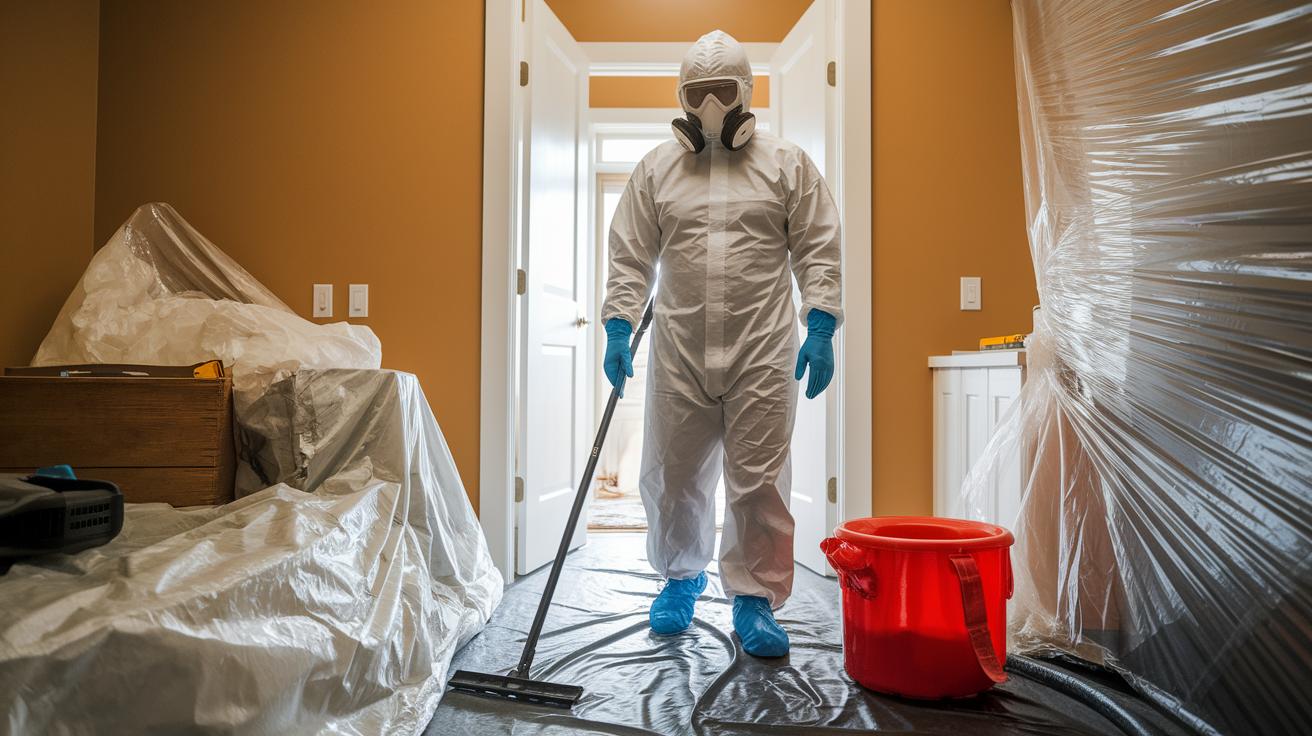
Begin by choosing the right protective gear. Wear either nitrile or latex gloves, an N95 respirator (or higher) to filter out tiny particles, safety goggles, and protective coveralls. Use shoe covers as well. Check that each piece fits snugly and is free of rips or defects. This gear is key to protecting your skin and lungs while cleaning up soot.
Next, set up your work area to keep the soot contained. Seal vents, doorways, and other openings with plastic sheeting that covers at least 6 feet; cover floors and furniture with heavy drop cloths. Turn off your HVAC system to stop moving the contaminated air around. Place fans near open windows to pull in fresh air and push out the particles. These steps help reduce cross-contamination and prevent soot from settling deeper on surfaces. For more guidance, see job safety analysis for restoration work.
Dry Soot Removal Methods for Hard Surfaces
Begin with a vacuum that uses a HEPA filter (a type of filter that traps very small particles) and comes with brush and crevice tools. This tool gently lifts loose soot from walls, trim, and countertops without stirring up further mess. Avoid any moisture at this point, as water can push soot deeper into porous surfaces. Make sure to work carefully in corners and along seams where soot tends to collect.
Next, use dry chemical sponges, moving them in straight, overlapping strokes. This method works well to lift stubborn soot deposits without spreading them around. For smooth surfaces, use one continuous motion to help prevent the particles from sticking back. A steady hand here makes a big difference in how clean the surface looks.
Finish by wiping down the area with a microfiber cloth. This step helps pick up any remaining fine dust, leaving the surface clean without harming any paint or coatings. Pay close attention to edges and seams where dust might settle. This order of dry cleaning not only restores the look of the surface but also sets it up nicely for any further treatments.
Wet Cleaning Procedures and Product Comparisons for Soot Removal
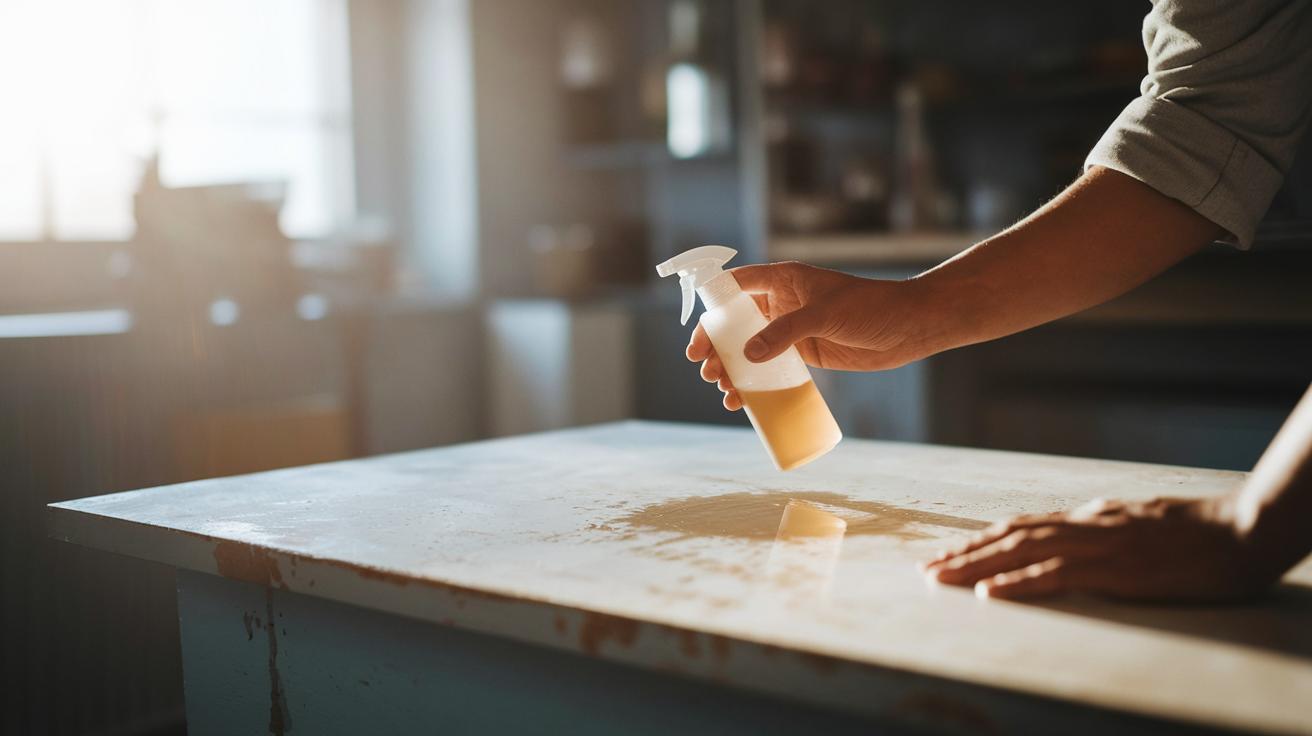
Start by testing your cleaning solution on a small, hidden spot. This quick check makes sure the cleaner will not damage the surface and that it removes the soot without causing stains or harm.
Mix one tablespoon of a phosphate-free detergent in one quart of warm water. Gently apply this mixture with a soft sponge or cloth using circular motions. For soot with oily buildup, enzyme based cleaners can break down the soot (enzymes are proteins that speed up chemical reactions). If you notice stubborn soot from outdoor deposits, a diluted solvent based degreaser might help, but use it with caution to avoid harming painted or finished surfaces. Spread the solution evenly and do not soak the area, as extra moisture can cause streaks or force the soot deeper into the material.
| Product Name | Active Agent | Ideal Surfaces | Pros & Cons |
|---|---|---|---|
| Enzyme Cleaner | Enzymes | Walls, countertops | Removes soot quickly; may require extra time to work |
| Diluted Degreaser | Solvent | Metal, painted surfaces | Tackles oily buildup; must be diluted properly to avoid damage |
After cleaning, thoroughly rinse the area with clear water and dry it immediately to avoid streaks and water marks.
Soot Removal Techniques for Porous Surfaces: Fabrics, Upholstery, and Carpets
Upholstery Cleaning
Begin by vacuuming the fabric with a low-speed upholstery tool. This removes loose soot without harming the material. Next, test a pH-neutral cleaner (one that is gentle on colors) on a hidden area to be sure it does not affect the fabric. Once it is safe, spray an upholstery foam cleaner and gently work it into the fabric with a soft brush. Then, blot the area right away with a white cotton cloth to lift the soot and extra liquid without pushing the particles further into the fibers.
Carpet Extraction
For carpets, first pre-spray an enzyme-based spot remover on the affected area. Let the solution sit for 10 to 15 minutes so it can break up the soot and help neutralize any odors. After that, use a wet vacuum to remove as much moisture and soot as you can. Work in small sections to cover the whole area, and avoid over-wetting the carpet which can drive the soot deeper. Finally, set up dehumidifiers and air movers in the room to help the carpet dry quickly and prevent mold growth.
Drapery and Bedding Treatment
Hang drapes and bedding outside or in a room with good air flow to help them dry faster and avoid re-contamination. For drapes, lightly spray a pH-neutral cleaner and gently dab with a soft cloth on areas where soot is visible. When treating bedding, use a small amount of foam cleaner directly on the spots and blot dry immediately. This method minimizes damage while effectively removing soot from the fabric.
Eco-Friendly and Non-Toxic Soot Removal Methods
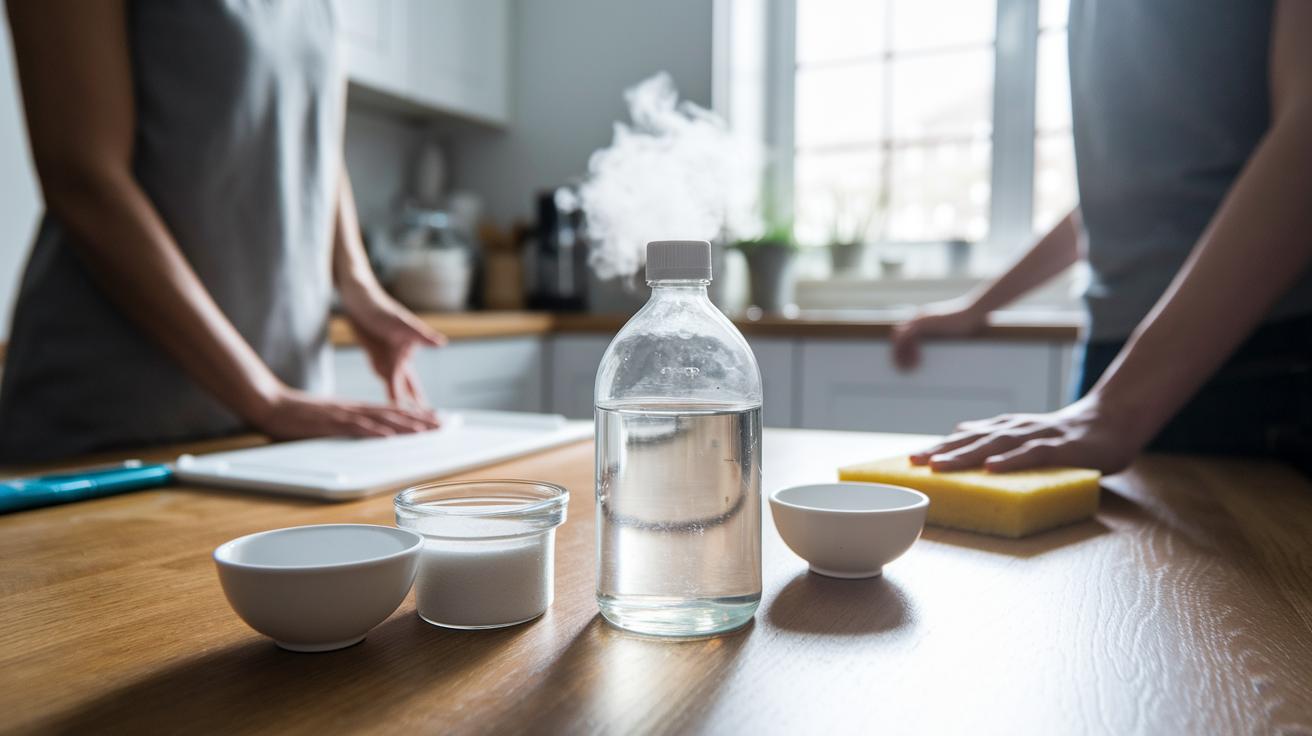
Using everyday household items can be a safe and eco-friendly way to remove soot. Start by mixing equal parts white vinegar and water to cut through odors. If you need a gentle scrub, blend baking soda with a little water to form a paste and lightly rub it on the surface. You can also use oxygen-based bleach as directed to lift stains without harsh fumes. This approach keeps chemical exposure low and protects delicate finishes while treating light soot deposits.
For a bit more equipment support, steam cleaning works well. Hot water vapor breaks down and loosens soot so it wipes away easily. Another green tip is to place activated charcoal in the area; its porous surface naturally absorbs leftover odors. These simple methods help neutralize soot effectively while caring for your home and the environment.
When to Call Professionals: Certified Soot Removal Specialists
If you notice heavy soot on more than 50 square feet of surfaces or see it spread into HVAC systems, drywall, or insulation, it's time to call in the experts. DIY clean-ups can leave behind toxic particles and hidden damage that put your health at risk.
Our certified technicians use industrial HEPA vacuums (high efficiency air filter) and chemical sponges with special neutralizers to safely remove soot. Their training means they work quickly and carefully to protect your home and your health.
These experts can also fix areas that look beyond repair using equipment that meets local building codes and regulatory guidelines. If soot has penetrated walls or impacted your HVAC system, professional help is a must. They work with insurance adjusters and use precise methods that help reduce additional damage and extra costs.
Call certified specialists today to ensure a safe, thorough restoration of your property.
Final Words
In the action, this guide helps homeowners secure safety measures, perform dry cleaning, and follow wet methods to manage soot deposits. It walks through removing loose particles, tackling stubborn residues, and treating porous surfaces. The detailed steps offer clarity on how to use effective soot removal techniques while keeping health and safety in mind.
When damage exceeds DIY methods, professional experts can restore your space safely. Stay focused and positive as you work toward a clean, restored home.
FAQ
Soot removal techniques pdf
The soot removal techniques pdf explains safe cleaning steps, listing essential tools and methods like dry and wet cleaning. It offers clear guidelines to help homeowners tackle soot residues effectively.
Professional soot removal techniques
Professional soot removal techniques use HEPA vacuums, chemical sponges, and specified cleaning agents. Technicians follow strict industry guidelines to remove soot safely while minimizing further damage to surfaces.
How to remove soot from metal
The method to remove soot from metal starts with dry cleaning using a specialized soot sponge. This removes loose particles gently, preventing scratches and keeping the metal surface intact.
Soot sponge
A soot sponge is a dry cleaning tool designed to lift loose soot from surfaces. It traps carbon residues and avoids smearing, making it effective for initial particulate removal.
Homemade soot remover
A homemade soot remover uses common household ingredients like vinegar or baking soda solutions. These mixtures help neutralize acids and gently lift smoke residue from affected surfaces.
Dry cleaning soot sponge
A dry cleaning soot sponge is used to blot and lift dry soot from walls and hard surfaces. It minimizes smearing by gently collecting loose soot, preparing surfaces for further cleaning.
Fire Soot Cleaner
A fire soot cleaner is a specialized product formulated to remove stubborn soot deposits. It contains agents that break down carbon residues while being safe on various surfaces damaged by fire.
Soot cleaner for walls
A soot cleaner for walls lifts and removes soot from painted surfaces. It uses a chemical formulation that cleans effectively while protecting the underlying wall materials and preserving paint quality.
What works best to remove soot?
The best approach to remove soot involves combining dry cleaning with HEPA vacuum extraction, the use of chemical sponges, and follow-up wet cleaning. This method ensures efficient removal while safeguarding surface integrity.
How long does soot stay in the air after a fire?
Soot particles can linger in the air for several hours to days after a fire. Proper ventilation, air circulation, and prompt cleaning help reduce airborne particles and improve safety.
What chemical breaks down soot?
Chemicals that break down soot include enzyme-based cleaners and diluted solvent agents. These products work by dissolving carbon deposits, making it easier to remove stubborn soot during cleaning.
How do professionals clean soot from walls?
Professionals clean soot from walls by first vacuuming with HEPA attachments, followed by using dry sponges to lift particles. They then gently apply wet cleaning agents and microfiber cloths to remove remaining deposits.