
Ever wonder what to do when raw sewage backs up in your home? Time is critical. Sewage mixes with water and can bring germs and harmful gases into your space. Acting fast can help stop further damage and protect your family. This guide gives you clear steps to secure your home and keep unwanted contamination at bay.
Sewage backup cleanup procedures: Safe and swift action
Raw sewage can make you sick because it carries harmful germs. I know this is stressful. Please keep everyone away from the water until help arrives. First, do not let anyone touch the contaminated water. For instance, keep kids and pets away until professionals take over.
Next, turn off the main water supply to stop more dirty water from coming in. Then, shut off the electricity at the breaker panel so the risk of electric shock is minimized. After that, block off the area using physical barriers or caution tape to keep people safely away while cleanup continues.
Follow these safe steps as soon as possible:
- Wear waterproof boots and gloves to avoid direct contact with the sewage.
- Turn off the main water supply to stop more water from backing up.
- Switch off the electricity at the breaker to prevent any shock risks.
- Set up barriers to stop untrained people from entering the area.
- Pay attention to any sour sewage smell, which can mean high levels of bacteria.
Remember that starting the cleanup early limits the spread of contamination. If there is a large amount of sewage, do not try to clean it yourself. Wait for professionals who are trained to handle hazardous waste. Think of it like stopping a leak before cleaning up the mess.
Stay safe and follow these steps to keep your home protected until professionals arrive.
Identifying Hazards and Health Risks in Sewage Backup Cleanup

When sewage backs up, it brings dangerous bacteria like E. coli, Salmonella, and hepatitis A (a virus affecting the liver). These germs can make you sick if you come into contact with the contaminated water. Even a small splash can spread infection.
In addition to bacteria, toxic gases such as methane and hydrogen sulfide might build up. These gases can cause explosions or even make you pass out if the area does not get enough fresh air. Think of it as an unseen, harmful mix that puts your safety at risk.
Water from sewage can also weaken building materials like wood and drywall. Over time, soaking these materials can lead to collapse, which is a serious safety hazard.
Before you start any cleanup, check the area carefully. Look for signs of mold or rust on metal parts. Always wear the right protective gear like gloves, masks, and goggles.
For dealing with contaminated waste, follow the proper guidelines found in our Biohazard Cleanup Process. And remember, trained professionals should handle large cleanup jobs to keep everyone safe.
Assessment and Site Preparation for Sewer Backup Cleanup Procedures
Begin by carefully checking the area affected by the backup. Sewage flows from home fixtures to municipal sewers or septic tanks. Tree roots, debris, or flooding often block these paths. Walk around and note signs such as damp walls, warped floors, or rust on metal.
Next, take clear photos of every damaged spot. Capture images of wet surfaces, insulation, and any affected personal items. These photos help document the damage for your insurance and guide the cleanup work. Be sure to record details such as the time and the depth of any standing water.
Then, make a list of items that can be saved and those that need to be tossed. Check each room to decide what can be cleaned later and what is beyond repair. For instance, decide if wet furniture is worth restoring or if it should be disposed of.
Finally, make sure all safety measures are in place. Turn off the gas and electrical systems at their main shutoffs to cut off further hazards. Set up a safe work zone with barriers or caution tape to keep uninvited people away. These steps set the stage for a safe and efficient cleanup for everyone involved.
Effective Water Extraction and Sewage Waste Removal Techniques
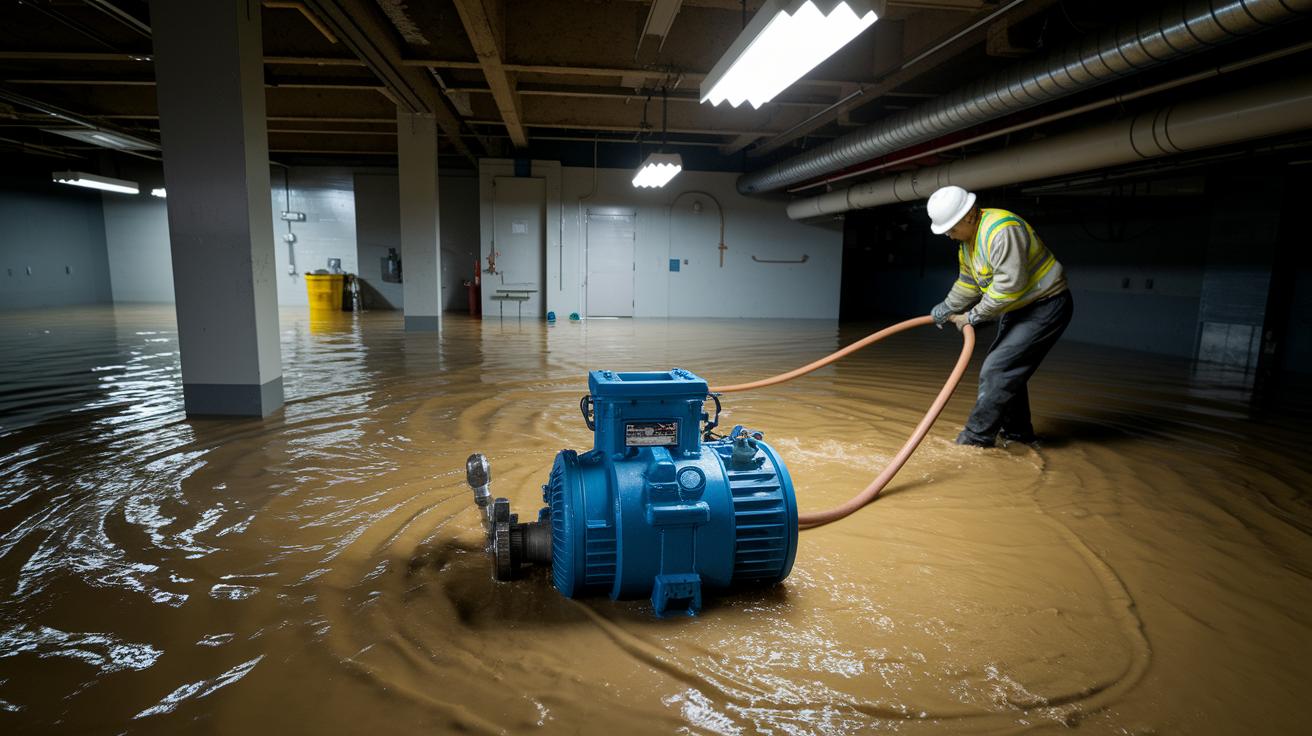
Regular wet/dry vacuums cannot handle large amounts of contaminated water. If sewage floods your basement, you need the right equipment to remove both the water and the sludge fast. The first step is to set up a submersible pump. This pump can remove more than 50 gallons of water per minute. It lowers the water level quickly so you can start the next steps.
Once the water level drops, solid waste begins to settle. Heavy waste and debris are best removed by shoveling or by using a hose to blast the sludge into a nearby sanitary drain. Running the pump continuously is important because sewage can hide in hard-to-reach spots. Steady pumping keeps the work area under control.
You can also blast the sludge with a garden hose to clear stubborn deposits along wall bases and floors. This method removes thick residues and cuts down on extra manual work. Professional-grade equipment works better than standard tools and helps reduce the risk of further contamination during cleanup.
Always check that your equipment is in good shape and that your team wears the proper protective gear. These steps work together to create an efficient cleanup process, leading to thorough disinfection and safe restoration of your home.
Cleaning, Disinfection, and Sewage Decontamination Protocols
Begin by mixing a 1:10 bleach-to-water solution or an EPA-approved quaternary ammonium disinfectant (a cleaning agent that kills germs). These cleaners break down harmful substances and kill dangerous bacteria. For toxic water cleanup, we use a saturated mop on small, 2-foot square sections to cover all surfaces evenly.
Let the cleaning solution sit for at least 10 minutes. This wait time is important because it gives the disinfectant time to neutralize pathogens. After the 10 minutes, rinse the area well with clean water to wash away the disinfectant and loosened contaminants.
When the scrubbing is finished, the technicians follow strict personal hygiene steps. They take a hot shower and use antibacterial soap to remove any leftover chemicals and bacteria. They also use a nail brush to clean under their fingernails to get rid of hidden contaminants.
Follow these steps carefully for complete sewage decontamination. By applying the solution precisely and allowing enough dwell time, we lower the risk of harmful effects from contaminated surfaces. This preventative cleaning helps protect the health of occupants and minimizes long-term damage from bacteria.
Keep an eye on equipment and surfaces while you work. If you notice a slick spot or some residue even after rinsing, repeat the cleaning and rinsing process. Staying thorough with these protocols helps keep the area safe until it can be fully restored.
Drying, Dehumidification, and Mold Prevention After Sewage Backup
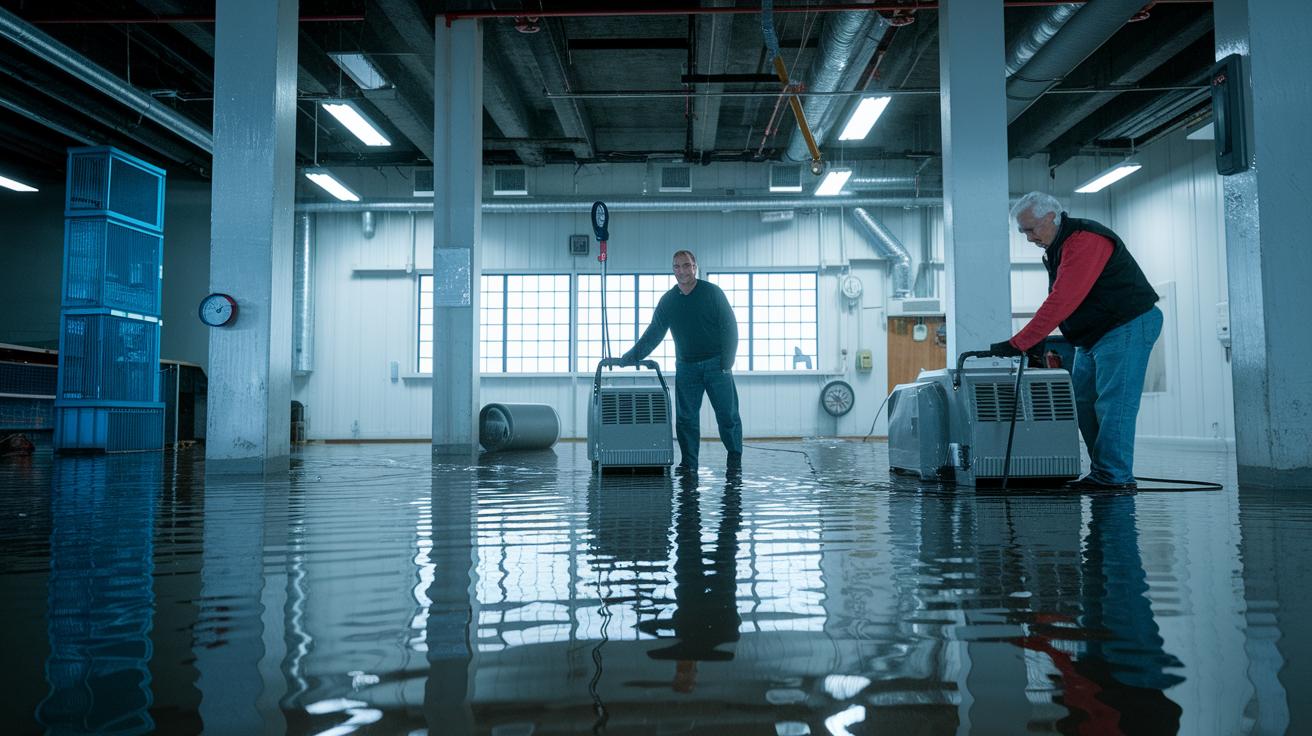
Once the wastewater is removed, set up heavy-duty air movers and dehumidifiers to run nonstop for 48 to 72 hours. These machines lower moisture and help stop mold from growing. Use a hygrometer (a tool that measures humidity) to check the drying process; aim for readings below 50% and for drywall and framing, ideally under 15%.
- Place industrial air movers in important spots to boost airflow over wet areas.
- Use dehumidifiers to pull moisture from busy indoor spaces.
- Check the hygrometer every few hours and adjust the equipment as needed.
Fast drying is key. It stops mold and other damage by removing the moisture mold needs to grow. Keep checking the readings. If they do not reach the target, move the machines for better air flow. This setup is essential for a safe and lasting restoration.
Recording moisture levels shows that the building is truly dry and helps lower the risk of mold. By acting fast with the right tools and ongoing checks, you reduce future problems and support a strong water damage restoration process after a sewage backup.
Safe Disposal of Contaminated Materials and Biohazardous Waste
If you are cleaning up after a sewage backup, it is important to dispose of the contaminated items correctly. First, separate the items that were affected by the sewage. Items like carpet, insulation, and ceiling tiles soak up water and need extra care. They must be sealed in two layers of red biohazard bags (bags made to hold dangerous waste) to stop harmful bacteria from spreading.
Next, take these sealed materials to a licensed hazardous waste facility as your local rules require. This step stops the dangerous waste from mixing with your regular garbage.
For items that do not absorb water, such as sealed flooring, hard plastics, and metal fixtures, you can often clean and disinfect them. Follow the proper cleaning steps using the right cleaning agents and give them enough time to work properly.
Always check your local guidelines to be sure you meet all safety requirements. Following these steps helps protect your health and keeps the environment safer.
Personal Protective Equipment and Safety Measures for Sewage Cleanup
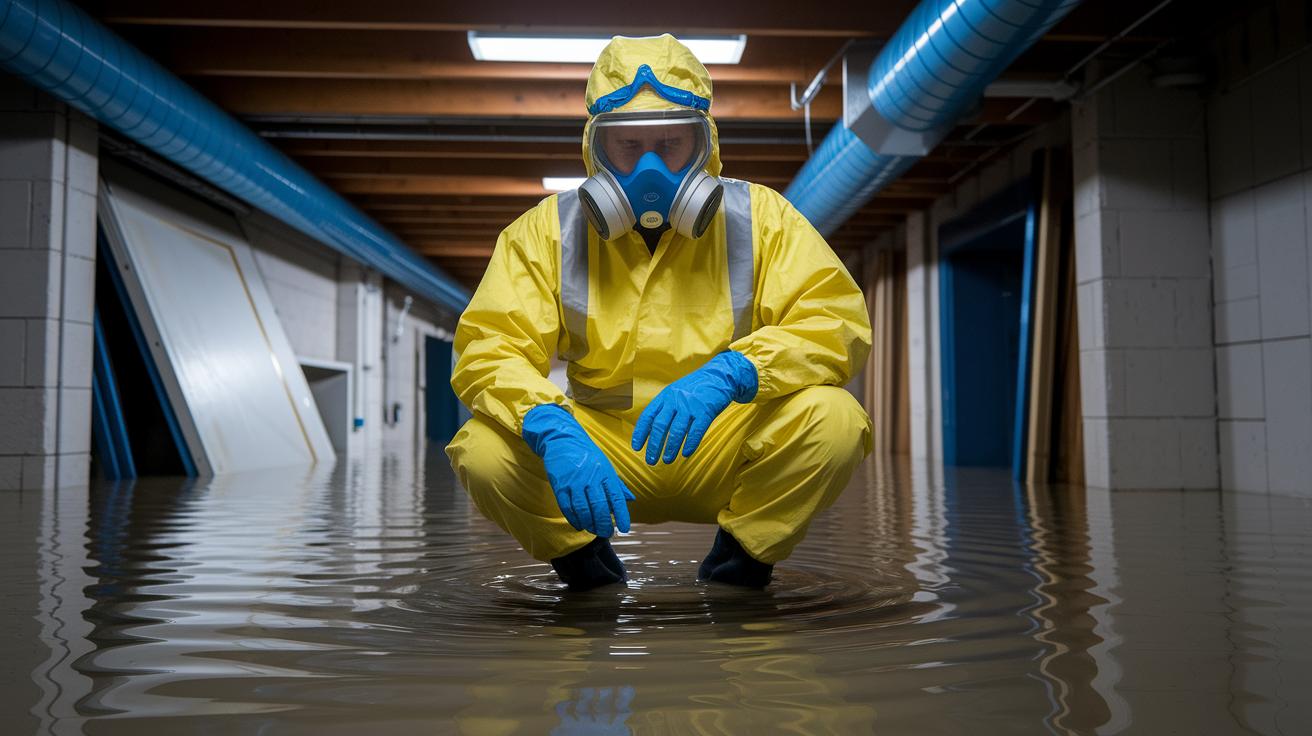
When cleaning up after a sewage backup, your safety comes first. The proper safety gear reduces your chance of exposure to harmful germs and chemicals and helps keep the work area safe for everyone.
Be sure to use the following equipment:
- Nitrile or heavy-duty gloves to keep contaminated water off your skin.
- An N95 respirator (or better) to block harmful airborne germs.
- ANSI-rated safety goggles to protect your eyes from splashes.
- Rubber boots to keep your feet safe from contaminated liquids.
- Tyvek-style coveralls to protect your clothing and skin.
- Full hoods and face shields to cover your entire face from splashes and airborne particles.
Before you begin, check that each piece of equipment is clean and in good shape. Look over every item for any signs of damage and replace them if needed. Make sure your gear fits well for continuous protection in the hazardous area.
In addition to wearing this protective equipment, follow all safety rules. Look for other dangers like exposed wiring or gas leaks before starting. Mark off the area to keep untrained people out. When you finish, remove and either dispose of or clean your gear using safe decontamination methods.
For more details on required gear, please refer to the PPE for Restoration Work guidelines.
Post-Cleanup Inspection, Documentation, and Prevention of Future Sewage Backups
After cleanup, we check every surface with a moisture meter to make sure nothing is left wet. This step is important to stop mold from growing. Use the moisture meter on each area, and record the reading along with the time of the check. For example, note something like, "At 10:00 AM the basement measured 45% humidity; 48 hours later it dropped to 12%." These notes and photos taken before and after help with insurance claims and future reference.
Next, use this simple checklist to ensure nothing is missed:
- Verify that all rooms and hidden spots, such as under appliances and behind walls, are completely dry.
- Write down the time and moisture reading at each step.
- Take clear photographs to show the condition before and after the work.
To help avoid future sewage backups, consider installing backwater prevention valves to reroute extra sewage during heavy rains. Schedule a professional cleaning for your sewer line every six months to clear out buildup and debris. Also, be sure to only flush items that break down easily. Avoid non-degradable items like paper towels and diapers that can cause clogs. Regular maintenance and good records not only support your insurance claim but also set you up with a plan to prevent future issues.
When to Engage Professional Sewage Cleanup and Remediation Services
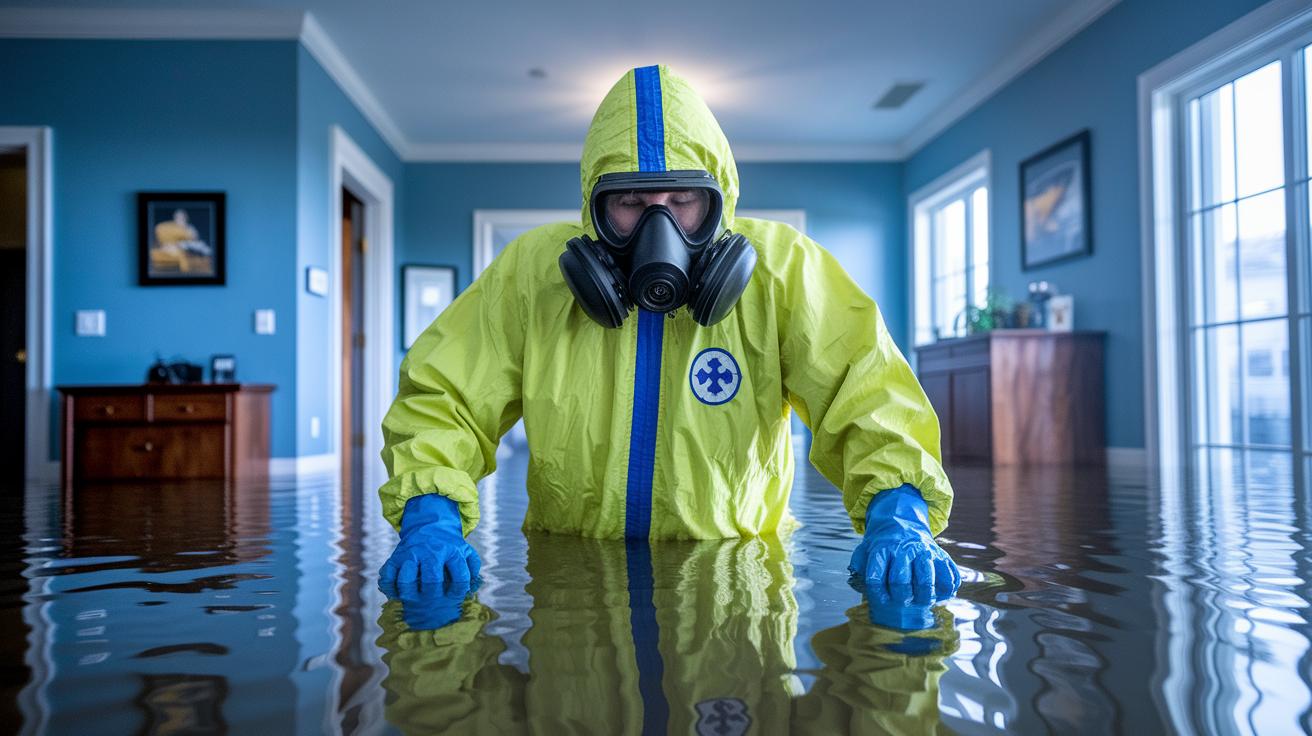
When you face big backups, unknown clogs, or damage to your home, it is time to call a certified cleanup contractor. If the damage is more than you can safely handle, trained experts in commercial sewage cleanup will take action while keeping you safe. They have HAZMAT training (special procedures for dangerous conditions) and set up barriers to stop the contamination from spreading.
They also use HEPA air scrubbers (devices that catch very small particles) to improve the indoor air quality during cleanup. The team follows OSHA guidelines (safety rules set by the Occupational Safety and Health Administration) to protect everyone. If you see warped flooring or damaged walls, these professionals can assess the structure and make the proper repairs.
For instance, if you observe heavy sludge buildup or suspect that a pipe is damaged, do not try to fix it on your own. A professional team has the right equipment and skills to handle unknown clogs and commercial sewage projects safely.
Remember, emergency response is usually available from Monday to Saturday, between 8 AM and 8 PM. Calling a certified crew quickly can help reduce further damage and keep your family safe.
Final Words
In the action, we reviewed each step, from immediate safety and hazard checks to proper water extraction, disinfection, and drying. We stressed effective sewage backup cleanup procedures to contain damage and prepare for restoration.
Each step focuses on mitigating further harm while safeguarding health and aiding insurance claims. This method leads to swift stabilization and a cleaner, safer return to normal. Keep calm and take measured steps for safe property restoration.
FAQ
What is the estimated cost of sewage backup cleanup?
The estimated sewage backup cleanup cost depends on the damage extent and services needed. Local professionals can provide personalized quotes based on your specific situation.
How do you safely clean up raw sewage in a basement and after a backup?
The process starts by stopping utilities and wearing proper PPE. Remove standing water with professional-grade equipment, safely discard contaminated materials, and disinfect all affected areas.
What procedures are followed for sewage backup cleanup near me or in California?
Local cleanup procedures include halting water flow, assessing hazards, extracting contaminated water, disinfecting surfaces, and isolating the area. Experts in your region follow guidelines for safe decontamination.
How do you clean up a sewage spill outdoors?
To clean an outdoor sewage spill, first cordon the area and wear proper PPE. Remove debris and solids, then apply an EPA-approved disinfectant to the affected surfaces and dispose of waste safely.
Which is the best cleaner for sewage backup?
The best cleaner is an EPA-approved disinfectant or a bleach solution mixed at a 1:10 ratio. This cleaner effectively decontaminates surfaces when used with proper safety protocols.
Is it safe to stay in the house after a sewage backup?
It is not safe until full cleanup is completed. The presence of contaminants and gases poses health risks, making it vital to get professional decontamination and ensure the area is thoroughly dried.
How do you disinfect carpet after a sewer backup?
Disinfect carpet by removing solids and applying an EPA-approved disinfectant directly. Allow a proper dwell time for effective sanitization, and consider professional cleaning for deep contamination.
Who cleans up sewage in a basement, and what services are available?
Professional sewage cleanup and remediation services handle basement sewage cleanup. They use specialized equipment and follow strict safety and health protocols to ensure full decontamination.