
Filing a roof damage claim can feel confusing at first. We know this process might seem overwhelming, but it works like a simple puzzle when you follow a few clear steps. First, take clear pictures of your roof and keep any repair estimates handy. These details can help make your claim stronger. This guide explains each step in plain language, so you can file your claim quickly and get back to feeling safe at home.
How to File a Roof Damage Insurance Claim: Step-by-Step Guidance
When your roof is damaged, acting fast is key. Right after a storm, make sure you gather clear proof of the damage. Take sharp, clear photos or videos with visible dates and times. Capture images of missing shingles, sagging spots, watermarks, or hidden stains.
After you document the damage, check your insurance policy and call your insurer immediately. Know your deductible and whether your plan pays the actual cash value (ACV, what you would get for a used item) or replacement cost value (RCV, what it costs to replace the item). A professional roof inspection report along with detailed repair estimates from a contractor can really back up your claim.
- Take clear photos and videos of the damage. Write down the date and time.
- Call your insurer as soon as possible and ask about any filing deadlines.
- Read your policy to see what is covered, including your deductible, ACV, and RCV.
- Get a professional roof inspection report to prove the damage.
- Put together a detailed claim report with your pictures and videos.
- Prepare for an adjuster visit where they will inspect the damage and any short-term fixes.
- Provide itemized contractor repair estimates and any other proof if needed.
- Hire a licensed contractor to fix the roof according to the claim requirements.
- Arrange for a final inspection to confirm that the repairs are done and the claim is closed.
By following these steps and keeping good records, you set yourself up for a smoother claim process and a better chance at a fair settlement.
Checking Eligibility for a Roof Damage Insurance Claim

Homeowners policies usually cover roof damage that happens suddenly, like from heavy wind, hail, ice, snow, fire, or falling trees. If a gust of wind blows your shingles off or a hailstorm hits your roof hard, your insurance may step in. The damage must happen all at once, not over a long time.
Keep in mind that you have strict deadlines to file a claim. Many policies require you to report the damage within 12 months, though some may ask as soon as 30 days and others allow up to two years. Filing on time is very important.
Before you file a claim, read your policy carefully. Most policies do not cover damage from normal wear and tear, poor maintenance, or issues like preexisting mold, rot, or pest problems. Some policies may also exclude certain roof types such as cedar shakes or metal roofs. How much you get back depends on your deductible and whether your policy covers the actual cash value (ACV, which is the current value of your damaged roof) or the replacement cost value (RCV, which is the cost to replace it with a new one).
Make sure to review your insurance details to see if your roof damage meets the coverage criteria.
Essential Documentation for Your Roof Damage Insurance Claim
Gather your proof carefully so you don’t repeat work. Collect items that clearly show the damage and tell the complete story of your claim. Doing this helps keep everything organized and speeds up the review process.
Here are the key items you should include:
- Dated, clear photos and videos that show all angles of the damage.
- Detailed contractor estimates that list every repair or replacement cost.
- A professional inspection report that points out structural issues and suggests repairs.
- A completed claim form along with a copy of your policy’s declarations page.
- Maintenance records that prove you have kept up with roof care to avoid disputes about wear.
When you organize your files, use digital tools to add a date and location label to each item. For example, label a file "2026-02-17 – Front Roof Damage" so it is easy to find. Group documents by type and timeline. This way, your claim shows clear events and avoids mix-ups like mismatched timestamps or unclear labels. An organized index of evidence helps adjusters quickly understand the damage and leads to a smoother claims process.
Working with Adjusters on Your Roof Damage Insurance Claim
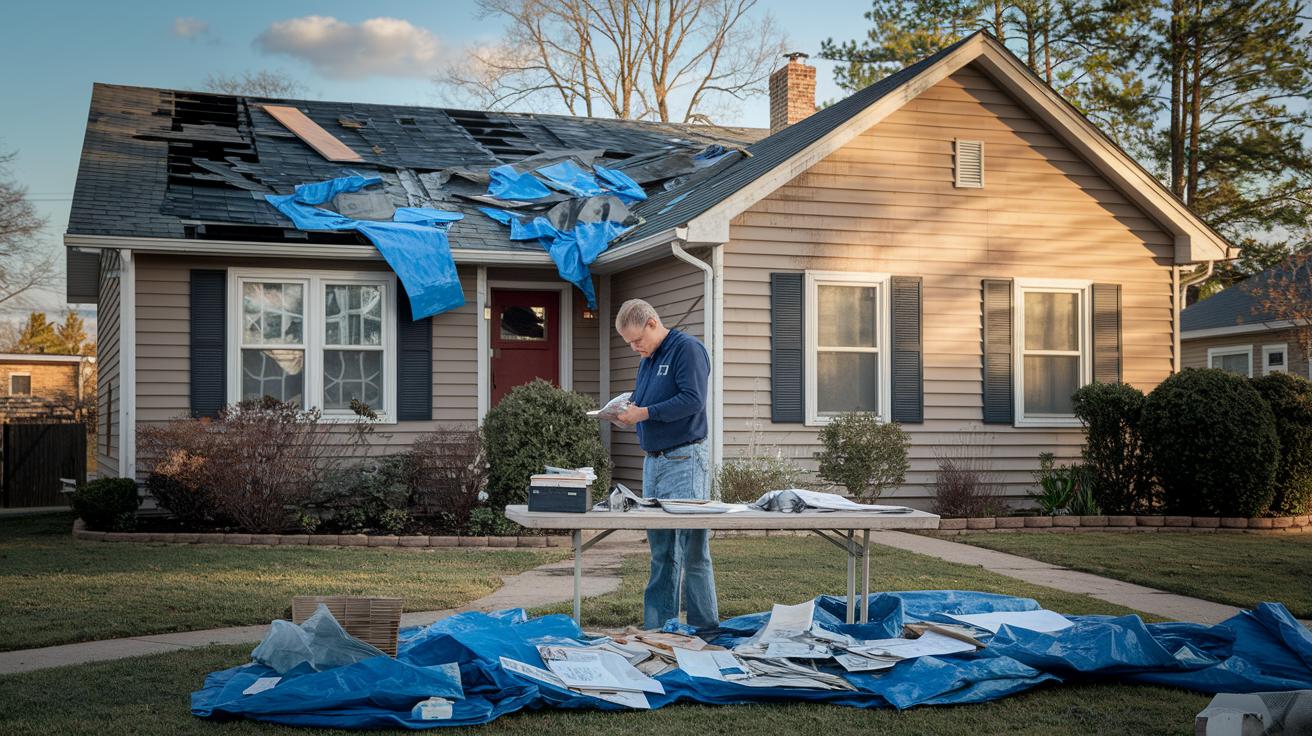
When the adjuster visits your property, they will carefully check your roof. They take photos of every area that has damage and review any emergency tarps or quick fixes you've put in place. Make sure to bring all your documents, including dated photos and any inspection reports. Being organized can help the process go quickly.
If you think the adjuster's report underestimates the damage, add more proof to support your claim. Share detailed estimates from contractors, weather reports that show the storm's effect, and extra photos from various angles. This extra evidence helps show the full side of the damage and can lead to a fair settlement.
Keep safety in mind during the inspection. Clear any debris near your roof and make sure the adjuster has safe access. Keep your documents easily available so they can quickly review key details. These steps protect everyone and allow the adjuster to do a thorough job.
Maximizing Compensation for Wind and Hail Roof Damage
Start by gathering trusted weather records to back up your claim. Look for details such as wind speeds, hail sizes, and storm dates from reliable sources. For instance, note if a storm on a specific day had winds over 50 mph and hail almost 1 inch thick. This clear data shows the damage is from severe weather rather than normal wear.
Carefully inspect your roof for visible damage. Check for dents, cracks, missing granules, or water marks that might weaken the structure. Take clear photos and videos from different angles. Focus on broken or missing shingles and signs of water intrusion. This solid visual evidence links the weather report to the roof damage and makes your claim even stronger.
Also, learn the difference between ACV and RCV to help you get the best settlement. ACV (actual cash value) pays you based on the current replacement cost minus wear and tear. RCV (replacement cost value) covers the full cost of replacing your roof after repairs. Review your policy to know which method applies. Understanding this can improve your negotiations with your insurer, especially if your roof is older or severely damaged.
What to Do When Your Roof Damage Insurance Claim is Denied

Sometimes your claim is turned down because the policy excludes normal wear, tear, or flood damage, or you miss a deadline. If your documentation is missing clear, dated photos of missing shingles or watermarks, the insurance company may say the damage is just routine upkeep. And if you file your claim too late, the policy might automatically deny it.
Another common issue is a lack of solid evidence. When you send in your claim without current contractor estimates or a recent inspection report, the insurer can doubt the extent of the damage. Homeowners often find that early reports do not beat claims of preexisting issues. Taking new photos, getting updated estimates, and having a second inspection can help show the full scope of the damage.
Take time to review the denial letter alongside your policy details. Look at the clause they reference and match it with your records. This careful review will help you see if the denial is correct or if you can add more evidence to support your case.
Next, file an official appeal by sending your new information through certified mail. In your appeal letter, point to the specific policy section, include all new evidence, and ask for another look at your claim. If that does not work, consider getting help from experts like a public adjuster or attorney, or file a complaint with your state’s Department of Insurance.
Negotiating Settlement and Repair Costs for a Roof Damage Claim
Gather detailed contractor estimates and independent appraisals. These documents help when you challenge a low offer from an adjuster. For example, an estimate that lists costs like "Replace 10 missing shingles at $150 each" clearly shows the damage and supports your claim.
Talk with your insurer about depreciation recoveries. ACV, or actual cash value, covers the current damage, while recoverable depreciation is paid after repairs are finished. You might say, "We expect an initial ACV payment, followed by recoverable depreciation when repairs are complete." This clear explanation can help reduce any out-of-pocket expenses.
Address policy limits and deductibles by asking for both the ACV and the later depreciation payouts. This method helps lower your immediate expenses while ensuring that full repair or replacement costs are covered. If your deductible is high, show how the repair costs exceed that amount to justify a better settlement.
Keep records of every step. Save emails, phone call notes, and any written responses from adjusters and contractors. This clear documentation strengthens your case and makes sure each detail of the negotiation is noted.
Common Pitfalls to Avoid in Your Roof Damage Insurance Claim
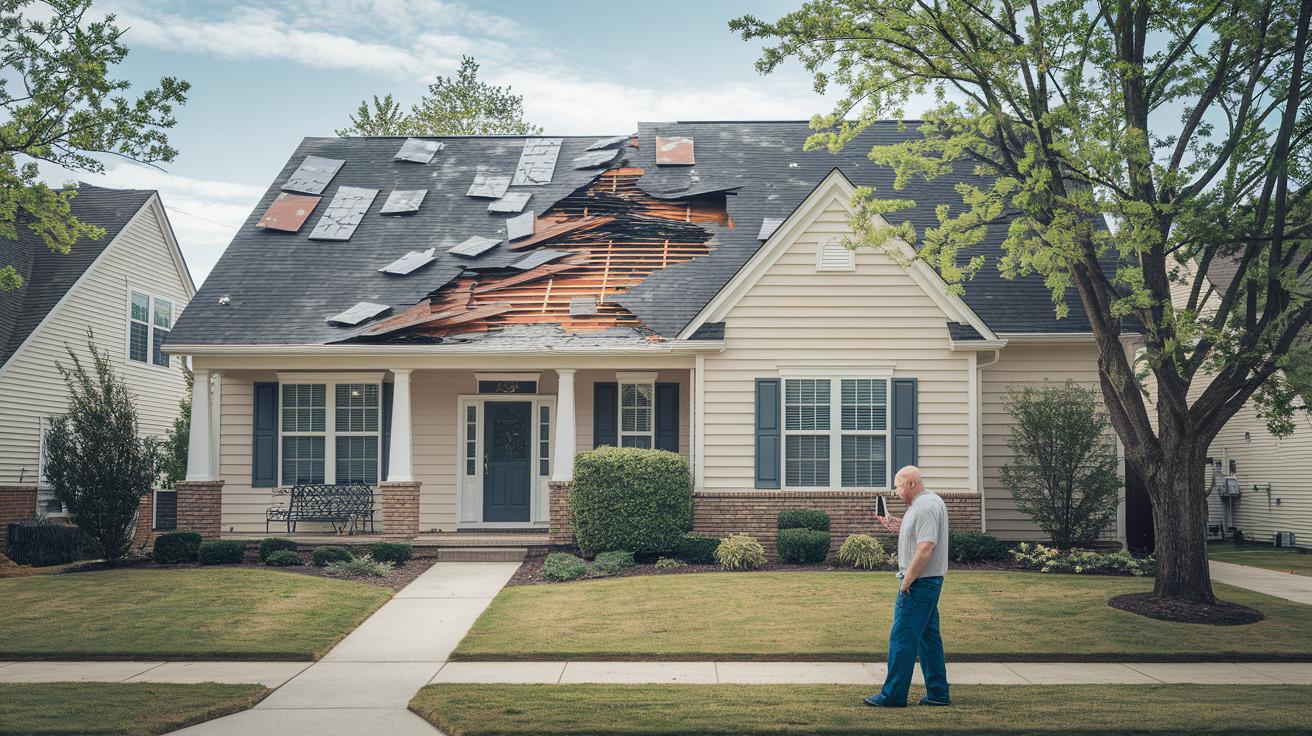
Don’t wait to file your claim. A delay can mean missing the filing window and having your claim denied. One homeowner waited too long and lost important evidence because no time-stamped photos were taken immediately. For example, take a clear photo with the time noted, like "Photo at 3:20 p.m. on April 15 showing visibly displaced shingles." Without a collection of organized photos and videos from every side, you might not be able to show all the damage.
Make sure you understand your policy details. In one case, a homeowner mixed up actual cash value (ACV, which factors in depreciation) with replacement cost value (RCV, which covers the cost of new materials) and ended up with a lower payout. Hiring an unlicensed contractor can also cause disputes with your insurer over repair quality. Keep records of all communications and service estimates to support your claim and protect your rights.
Roof Damage Insurance Claim Timeline: What to Expect
When you file a roof damage claim, you go through a set of clear steps. Usually, an adjuster is scheduled within 1 to 2 weeks, and you will receive a confirmation to begin the process.
Typically, you get your first cash value payment 2 to 4 weeks after filing your claim once all your documents are ready. After the repairs are complete, extra steps such as negotiation and releasing the recoverable depreciation (money held until repairs are finished) may take another 2 to 6 weeks. Simple cases may be resolved in about a month, but more complex ones or disputes might extend the process to three months or more. How quickly things move depends on how fast you send in photos, inspection reports, and contractor estimates, and how promptly your insurer verifies them.
Sometimes, missing paperwork or extra field inspections can slow things down. In these cases, the claim timeline may be longer until every required detail is checked.
Final Words
In the action, you learned how to document damage, contact your insurer, and get professional inspections to support your roof damage insurance claim. We walked through step-by-step guidance for gathering evidence, securing estimates, and preparing for the adjuster’s visit.
This clear process helps keep repairs on track, limit extra expenses, and support a successful claim. Facing roof damage is never easy, but following these steps paves the way to a smoother, safer recovery.
FAQ
What is a roof damage insurance claim form?
The roof damage insurance claim form is the document used to report your roof damage. It collects details, repair estimates, and supporting evidence needed to process your claim quickly.
What is the best roof damage insurance claim?
The best roof damage insurance claim is one that is well-documented, timely filed, and supported by clear photos, professional inspection reports, and detailed repair estimates to ensure proper evaluation by your insurer.
How do I file a roof damage insurance claim in California?
The California roof damage insurance claim requires you to follow specific state guidelines, promptly document the damage with photos, review your policy details, and adhere to filing deadlines for a smooth process.
How do I get insurance to pay for roof replacement?
The process to get insurance pay for a roof replacement involves submitting a detailed claim with clear photos, contractor estimates, and a professional inspection report to prove the damage was accidental and sudden.
Will my homeowners insurance go up if I file a roof claim?
Filing a roof claim may lead to higher premiums, as some insurers adjust rates after claims are made. It is wise to review your policy and ask your provider about any potential rate changes.
Will insurance cover a 20-year-old roof?
The coverage for a 20-year-old roof depends on your policy and the cause of damage. Insurers may reduce payouts due to depreciation on older roofs, so it is important to check your policy details.
How is roof storm damage handled in an insurance claim?
A roof storm damage claim starts with documenting damage from wind or hail with photos and videos. Next, you file a claim with your insurer, who will assess the damage and determine repair or replacement support.
What should I consider when choosing a storm damage roofing company?
When choosing a storm damage roofing company, look for proper licensing, positive reviews, detailed repair estimates, and experience in working with insurance claims to help restore your roof in a timely manner.
Is it worth claiming roof damage on insurance?
Claiming roof damage may be worthwhile if repair costs exceed your deductible or if the damage affects roof safety. Consider potential premium impacts and your policy terms before filing a claim.
What should I avoid saying to a roof insurance adjuster?
When talking with a roof insurance adjuster, avoid statements that admit fault or exaggerate damage. Stick to verified facts, present your documented evidence, and refrain from speculating on repair costs.
What happens when you file a claim for roof damage?
Filing a roof damage claim starts the assessment process, which includes a review of your documentation, an on-site adjuster inspection, and evaluation of repair estimates to determine your settlement based on policy terms.
How often can you claim roof damage on insurance?
The frequency for claiming roof damage depends on your policy and the actual damage events. Frequent claims may be limited by insurer guidelines, so it is best to review your policy and ensure each claim is justified.