
Have you ever wondered if you're getting the full value from your insurance claim? Many homeowners miss out because some details get overlooked. A public adjuster works only for you. They check every part of your claim, from the obvious damage to hidden issues like a sour smell that may signal water damage. Their careful review helps make sure nothing is missed so you get the best possible payout. This article explains how teaming up with a public adjuster can boost your payout and ease your stress when handling insurance claims.
How a Public Adjuster for Insurance Claims Can Maximize Your Settlement

A public adjuster is a licensed expert who works just for you, the policyholder. They review your claim from start to finish to make sure nothing is missed.
Public adjusters do several important tasks. They check the damage carefully, decide which losses your policy covers, and figure out repair costs correctly. They record every loss in detail, even hidden issues like a sour smell behind the walls that may signal water damage. This careful work helps them negotiate fairly with your insurance company for a better settlement.
They handle each step of the process, from evaluating the damage to finalizing the settlement. This means you have less paperwork to deal with while you focus on recovering and getting back to normal.
The Claims Process with a Public Adjuster for Insurance Claims
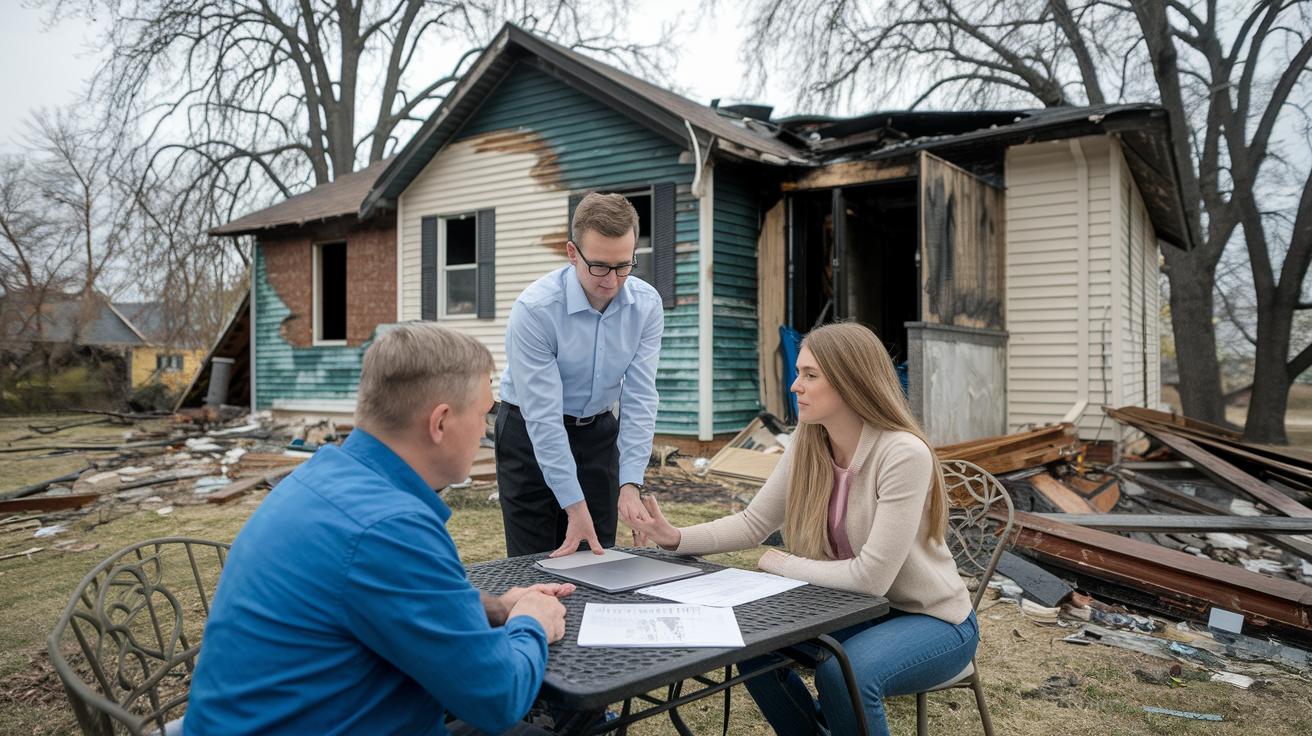
Working with a public adjuster is a clear, step-by-step process. They guide you from the first meeting right through to a final settlement, making sure no detail is missed. Depending on how complex the damage is, the claim process may take a few days or up to a couple of weeks. For more details, you can check guides on how long insurance claims usually take.
Step 1: Initial Consultation
At the start, the adjuster meets with you to review your policy and understand what was lost. They listen to your concerns, set clear expectations, and explain the steps that come next.
Step 2: Onsite Damage Inspection
Next, the adjuster visits your property to check the damage in person. They look for all issues, both obvious and hidden, like water stains or structural problems. This ensures every affected area is carefully noted.
Step 3: Loss Documentation and Policy Analysis
During this step, the adjuster documents the loss with photos, measurements, and clear notes. They also review your policy to see what is covered and spot any gaps that might affect your claim.
Step 4: Negotiation with Insurer
With all the details gathered, the adjuster talks directly with your insurance company. Their goal is to secure a fair settlement that covers every aspect of the damage.
Step 5: Settlement Review and Approval
Lastly, the settlement offer is reviewed to ensure everything is correct. The adjuster works with you to confirm that the offer reflects your losses before you give final approval.
| Step | Activity | Typical Duration |
|---|---|---|
| Initial Consultation | Review policy and set expectations | 1–3 days |
| Onsite Damage Inspection | Check and record property damage | 2–5 days |
| Loss Documentation and Policy Analysis | Capture loss details and review coverage | 1–2 weeks |
| Negotiation with Insurer | Present findings and negotiate settlement | 3–7 days |
| Settlement Review and Approval | Double-check settlement accuracy | 1–3 days |
Key Benefits and Potential Drawbacks of Hiring a Public Adjuster for Insurance Claims

Hiring a public adjuster means having an expert by your side who looks for hidden losses. They carefully check every detail of your damage, including signs like a damp, musty smell that could hint at water problems. They record all findings so that nothing is missed, and this thorough work often leads to higher payouts. One homeowner shared, "After my adjuster looked everywhere, my settlement went up by 30%." Their careful record-keeping is key to getting a fair settlement.
Most public adjusters work on a contingency fee basis, which means they only get paid when you receive money from your claim. Their fee usually ranges from 5% to 15% of the payout. This makes their service attractive, but if your claim is small or simple, the fee might take up a big part of your recovery.
While their expertise can lead to a higher settlement, having a public adjuster can sometimes lengthen the claim process. Their detailed inspections and negotiations may add extra time and cost. It is important to consider these benefits and extra expenses when deciding if hiring a public adjuster is right for your claim.
How to Select a Qualified Public Adjuster for Insurance Claims

Start by doing your research to find a trusted public adjuster. Licensed adjusters meet strict industry rules and can represent you well. Check trusted directories like NAPIA to confirm their licensing and build your confidence.
When you review your options, keep these points in mind:
- Look at how long they have been working in the field and if they have experience with your type of claim, such as water damage, fire, or commercial losses.
- Ask specific questions about past cases. For example, "How did you handle a tricky fire claim?" This can help you see if they have the right know-how.
- Make sure their fee structure is clear. They should explain their contingency fee arrangement in simple terms.
- Choose someone who communicates in plain language and answers your questions quickly. This shows they can walk you through each step and have a track record of getting higher settlements.
One policyholder said, "Having an adjuster who takes the time to explain every detail made a huge difference in my recovery." This shows that clear communication matters.
You can also use local directories and professional networks to get detailed profiles. Calling references and checking reviews will give you more insight. These steps help you find a reliable public adjuster who focuses on maximizing your payout while reducing your paperwork.
Understanding Fees and Costs for Public Adjuster Services in Insurance Claims

Public adjusters only earn a fee once you receive a settlement. They charge based on a percentage of your payout. For instance, if your claim earns you $100,000, you might pay between $5,000 and $15,000, or 5% to 15% of that total.
Their fee covers tasks like inspecting the damage, recording detailed losses (such as a damp attic or hidden water marks), reviewing your policy, and negotiating with your insurance company. With larger claims, this fee is a smaller part of the overall amount, while smaller or straightforward claims may see the fee take up a larger portion.
Before you sign any agreement, review the fee details closely. Ask about what services are included and if there are any extra charges. Make sure all fee terms are clearly written down to avoid any surprises.
Success Stories: Case Studies with a Public Adjuster for Insurance Claims

Real case studies show how a public adjuster can really make a difference in your insurance claim. A public adjuster is an independent expert who examines every detail and works hard to secure a fair payout for you. For example, one case reminds us that detailed documentation can completely change the outcome of your claim.
One homeowner suffered serious water damage. The insurance company's first offer only covered the visible damage. After a public adjuster inspected the full loss, including hidden leaks and moisture issues, the payout increased by 30%. This case shows how expert documentation can lead to a much better result.
In another case, a small business faced a fire that damaged both inventory and equipment. The public adjuster spotted extra coverage for items that were overlooked and used smart negotiation tactics. This effort resulted in an extra $50,000 added to the original settlement offer.
These examples show that careful evaluations and skilled negotiations can turn a claim around. Public adjusters work with care and determination to ensure you get the best possible payout.
Frequently Asked Questions about Public Adjusters for Insurance Claims

What is the difference between a company adjuster and a public adjuster?
A company adjuster works for your insurance company and focuses on lowering your claim payout. A public adjuster, on the other hand, works for you. They review your claim carefully and push for a fair settlement on your behalf.
Can I file a claim without hiring a public adjuster?
Yes, you can file a claim by yourself. However, handling everything on your own means you might miss key coverages that a public adjuster would catch. Doing the paperwork and talking to the insurance company by yourself can add extra stress during an already difficult time.
How much does a public adjuster charge?
Public adjusters typically get paid only if your claim is settled successfully. They take a percentage of your final settlement, usually between 5% and 15%. This means you only pay for their service when they help you get money from your claim.
Are there any drawbacks to using a public adjuster?
Hiring a public adjuster might make the claims process take a bit longer because they spend time doing a detailed review of the damage and documenting everything. Their fee might also seem high if you have a small or straightforward claim.
How long does the claims process take with a public adjuster?
The time needed can vary based on the extent of the damage and how quickly your insurance company responds. In some cases, the claim may be settled in a few days, while more complex situations can take several weeks.
Final Words
In the action, a public adjuster for insurance claims steps in to assess damage, document losses, and negotiate with insurers for a fair settlement. Their hands-on approach simplifies the process, from the initial consultation to a detailed inspection and thorough documentation. Each step builds a stronger case, ensuring you leave no detail behind. Remember, the right public adjuster can boost your claim value and ease the stress during recovery. Trust in expert claim advocacy, and know that brighter days are ahead.
FAQ
Q: What is the difference between a public adjuster and a claims adjuster?
A: The difference between a public adjuster and a claims adjuster is that public adjusters represent policyholders, while claims adjusters work for insurers. Public adjusters help document losses and negotiate for higher settlements.
Q: Is using a public adjuster a good idea?
A: Using a public adjuster is a good idea if you need expert help to document damage and secure a fair settlement. They advocate solely for your interests, ensuring all losses are properly recorded and estimated.
Q: How much does a public adjuster charge?
A: A public adjuster charges on a contingency fee basis, typically between 5% and 15% of the final settlement. Their fee depends on the claim’s size and complexity, so you only pay when you receive a recovery.
Q: How do I get a public adjuster near me?
A: Getting a public adjuster near you involves searching online directories and reading local reviews. Checking licensing boards and asking for recommendations can also help you locate qualified experts in your area.
Q: How can I become a public adjuster for insurance claims?
A: Becoming a public adjuster for insurance claims requires obtaining the necessary state license, passing relevant exams, and gaining industry experience. Training programs and state-specific requirements will guide you through this process.
Q: What is the average salary for a public adjuster?
A: The average salary for a public adjuster varies by region, experience, and claim volume. Public adjusters typically earn competitive wages with additional income potential tied to the success of the settlements they negotiate.