
Ever worry if your safety gear is really protecting you during repairs? When damage happens, each piece of personal protection equipment (gear used to protect your body) acts like a shield against hazards. Safety glasses guard your eyes, and respirators filter out dangerous particles. Using the right gear lowers risks and gives workers the confidence to tackle challenges head-on. Think of it as building a wall of protection, where every item plays a key part in keeping the recovery safe and effective.
Comprehensive PPE Overview for Restoration Work Safety
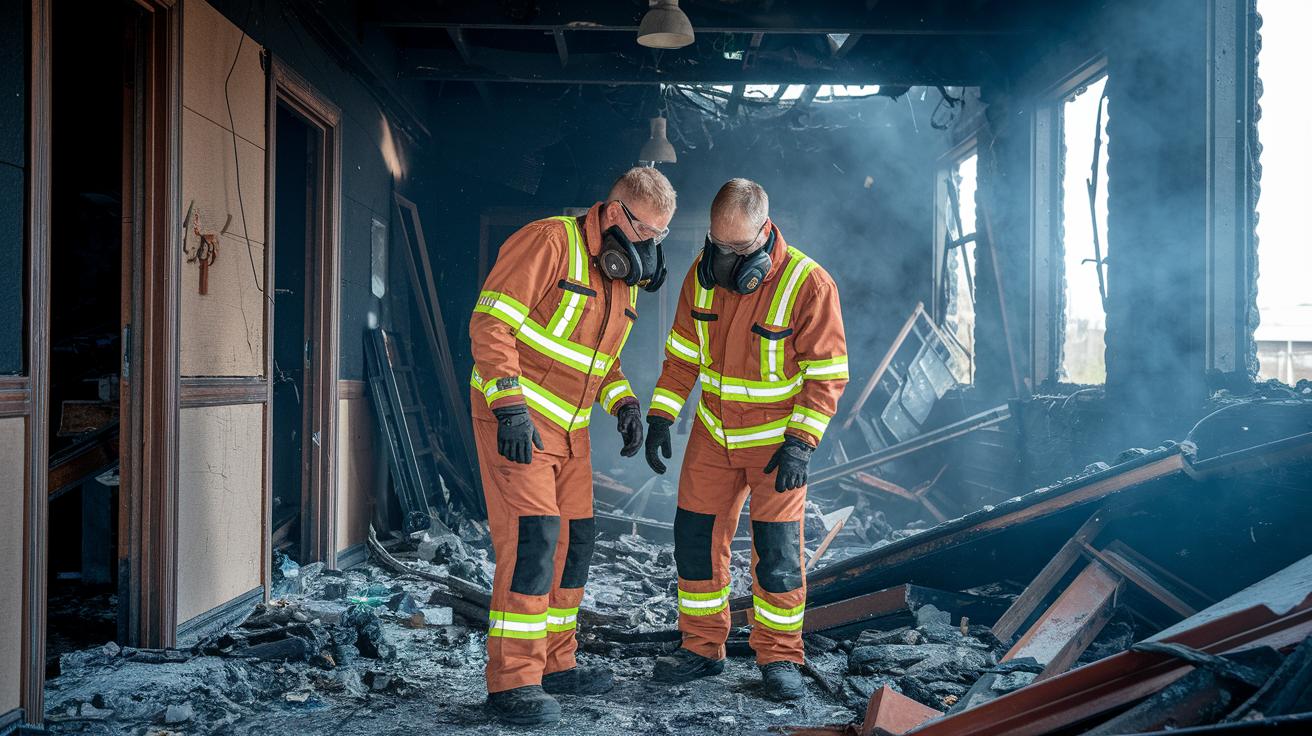
Safety glasses and goggles protect your eyes from harmful splashes and flying debris. For example, when removing burned materials, technicians wear these to keep particles from getting in their eyes.
Respirators are also very important. They filter out smoke, mold spores, asbestos fibers (tiny bits of asbestos), and chemicals so that every breath is clean. Picture a worker after a fire wearing a NIOSH-certified respirator to keep the air safe to breathe.
Fire-resistant clothing is key too. This gear does not catch fire easily and helps slow down flames, which lowers the risk of burns in hot areas. In a fire-damaged home, workers rely on these clothes to protect themselves from sudden flare-ups.
Work boots with slip-resistant soles and strong construction also play a big role. They keep feet safe from sharp objects and help prevent falls. They offer good grip on wet or uneven surfaces, which is common during water damage cleanup.
Helmets and hard hats protect the head from falling debris and bumps. They are especially needed in zones where materials might drop from above.
Air scrubbers and negative air machines add extra protection by cleaning the air. They come with adjustable settings and HEPA filters (filters that remove very small particles) to capture fine soot and dust. For example, in a project with heavy smoke, these machines clear the air and create a safer work environment.
Choosing the right protective gear means understanding the risks and matching each item to a specific hazard. This complete set of gear acts like a safety map for restoration workers, building trust and keeping dangers at bay. Think of it as building a fortress where every piece works together to protect you.
Risk Assessment and PPE Selection in Restoration Projects
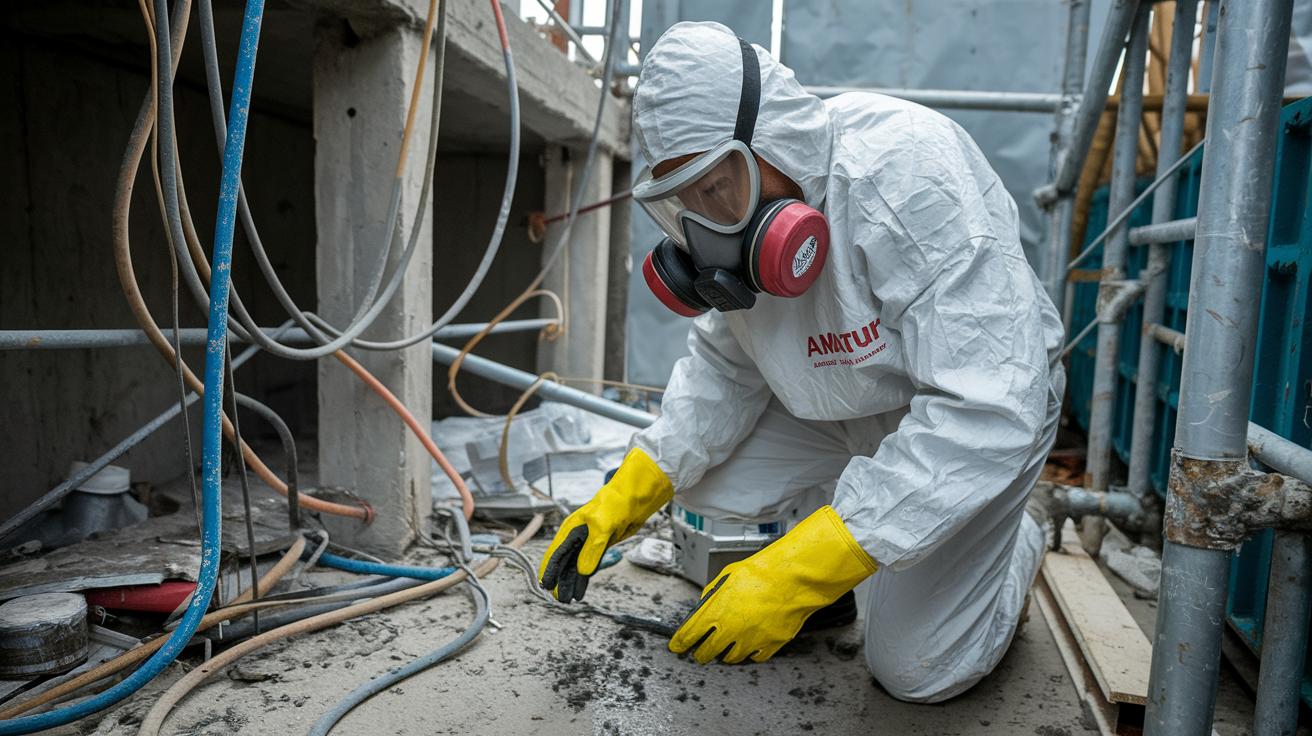
At the start of a restoration project, we carefully examine the jobsite for any hazards. We look for things like dust, chemicals that can hurt your skin, unstable floors, open wiring, or spills. We work like detectives, checking every spot for clues to potential dangers.
Once we have identified the risks, we choose protective gear that fits each threat. For example, we use respirators (masks that filter harmful particles) to guard against dust and fumes. We also wear gloves and chemical-resistant suits to keep our skin safe from solvents. In biohazard situations, we wear barrier clothing, and hard hats protect us from falling debris or weak structures.
We follow a simple safety checklist that outlines every step. This list helps us keep the site safe and provides a clear record for insurance and safety reviews. The steps include:
- Walk the area to spot potential hazards.
- Pick the right respirators, gloves, suits, and hard hats based on what we find.
- Record each hazard and the matching protective gear in a standard form.
We also check for structural risks like overhead hazards and live electrical wires before choosing our gear. This ensures that every item of protective equipment, from masks to hard hats, meets the unique needs of the project.
Respiratory Defense Equipment for Restoration Work
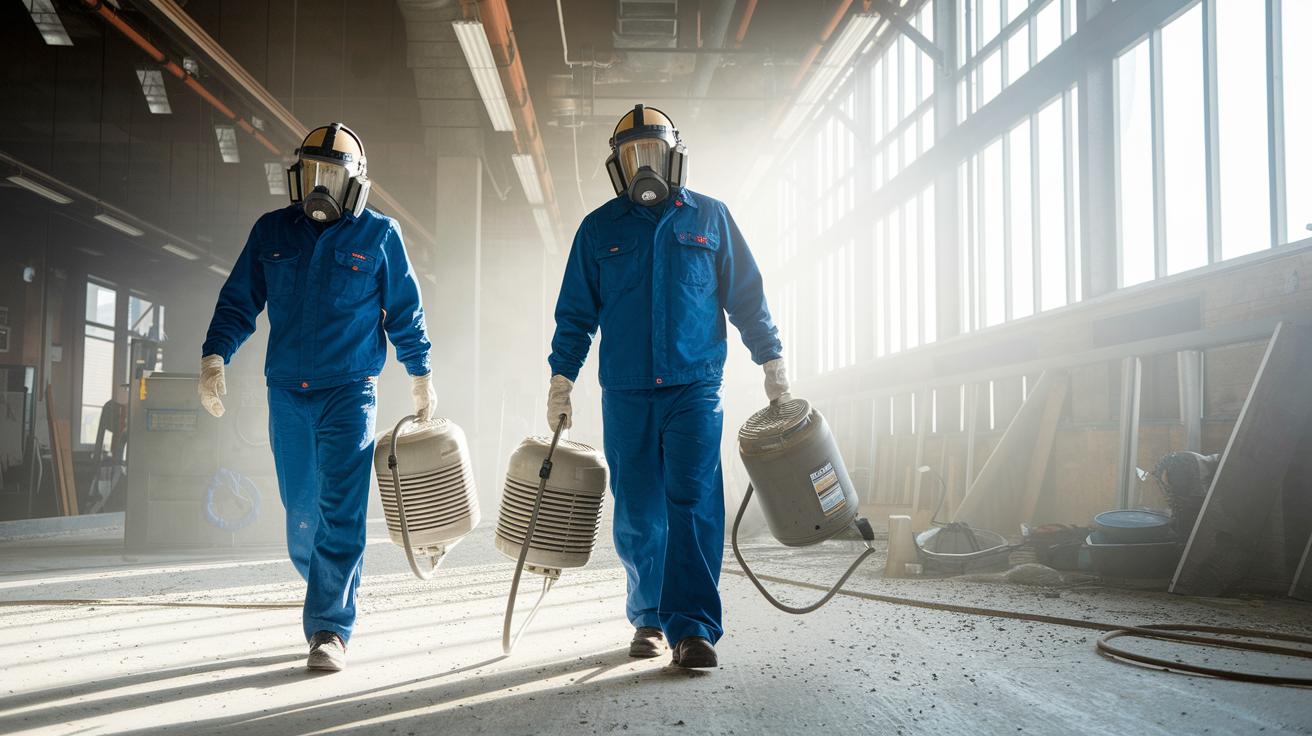
We use NIOSH-approved respirators and masks on restoration sites. They block smoke, mold spores, asbestos fibers, and other small particles. One technician even said, "Wearing a certified mask makes breathing feel noticeably easier even when the air is thick with dust." This everyday protection is vital after fire damage or during heavy renovations.
Workers also use organic vapor masks with special cartridges. These protect against chemical fumes, solvents, and volatile organic compounds (harmful chemicals in the air) that are released during tasks like paint stripping or adhesive removal.
Air scrubbers and negative air machines play a key role on the job site. They use HEPA filters (high efficiency air filters that trap fine particles) to capture particles as small as 0.3 microns. With adjustable airflow, we can set them to suit the space. Think of them as powerful vacuums that clear the air of dangerous particles.
Sometimes we use hydroxyl generators for odor control in areas that are still in use. These tools neutralize smells without affecting breathing. Ozone machines can also remove odors, but they require very good ventilation because ozone can irritate the lungs if not handled properly.
Choosing the right respiratory equipment not only protects workers immediately but also helps ensure a safe and steady recovery on the site.
Hand and Skin Protection Gear for Restoration Environments

Reinforced gloves are one of the first safety steps on any restoration site. They protect your hands from cuts and punctures caused by sharp debris, nails, and rough surfaces. For example, when taking down a damaged wall, workers use these gloves to guard against jagged edges and metal scraps.
Chemical-resistant gloves add extra safety. They are made to shield your hands from harmful cleaning agents such as solvents (liquids that dissolve substances) and acids. These gloves help prevent skin irritation and chemical burns during tasks like biohazard cleanup or chemical spill response.
Disposable coveralls and protective suits are crucial for stopping the spread of contamination. When cleaning up mold or biohazards, using new disposable garments ensures that harmful substances do not transfer from one area to another. This method lowers the risk of exposure and keeps the work area cleaner.
Using the right gear for your hands and skin is key to avoiding injuries and chemical exposure. Follow proper safety steps and check your equipment often. This approach not only protects you but also helps your team handle any challenge quickly and safely.
Eye, Face, and Head Protective Systems for Restoration Trades

ANSI-rated safety goggles and face shields form your first line of defense against chemical splashes, dust clouds, and flying debris. They keep your eyes safe from harmful substances, such as soot residue, which can irritate if it gets into your eyes.
Hard hats and bump caps shield your head from falling objects and sudden impacts. They become crucial in places with overhead hazards or unstable structures. In tasks like thermal fogging, some face shields even include built-in barriers to block dangerous chemicals from reaching you.
Wearing the proper eye, face, and head protection together creates a strong safety net on any project. This approach not only helps reduce injuries but also promotes a culture of safety among team members. When a worker puts on a shield with an integrated barrier, it shows a clear commitment to safety on the job.
Using these protective systems correctly gives the team the confidence needed to work safely during restoration. Each piece plays an important role in keeping everyone safe on site.
Footwear and Auditory Safety Devices in Restoration Work
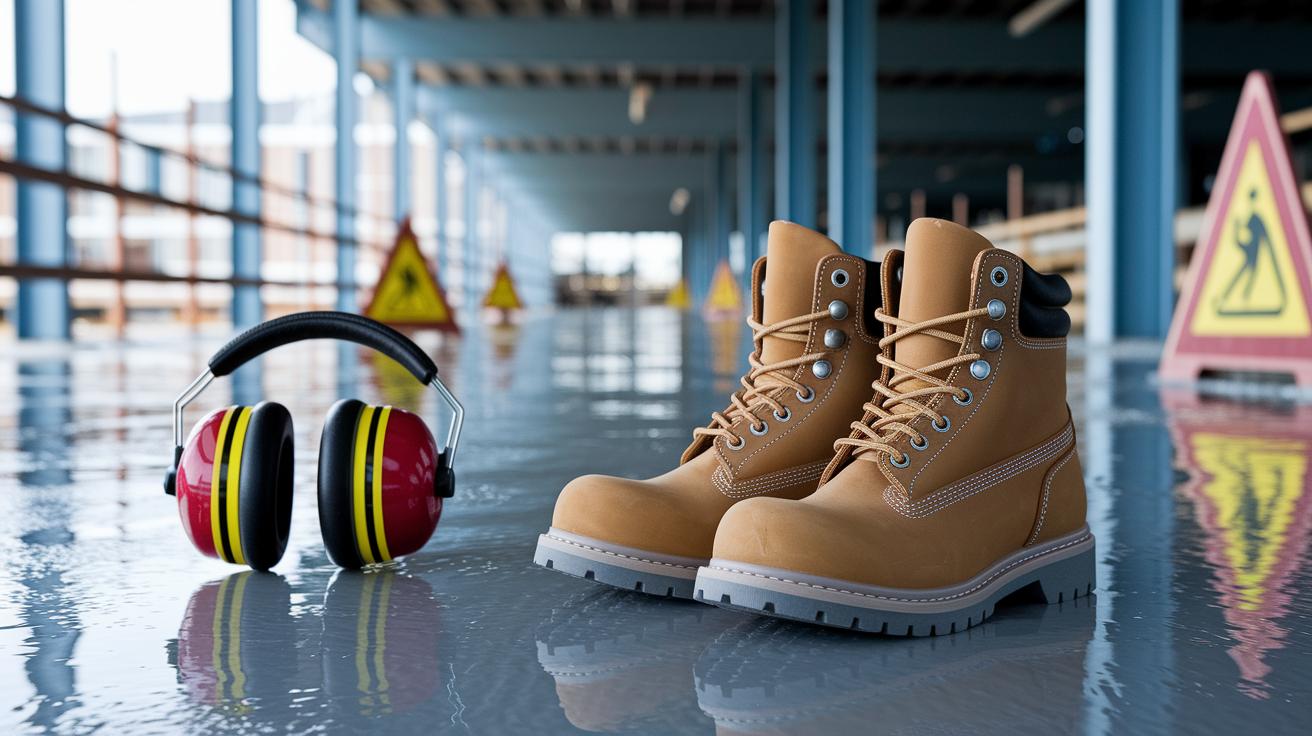
When you work on restoration projects, protecting your feet and hearing is as important as keeping hazardous materials at bay. We suggest using certified safety boots with slip-resistant soles and steel-toe protection. These boots help shield you from falling objects and slips on wet or uneven surfaces. For jobs like water extraction or mold cleanup, waterproof and chemical-resistant shoes cut the risk of injury in damp or contaminated areas.
Hearing protection is just as key. Restoration sites can get very loud from equipment such as air movers, dehumidifiers, and power tools. Using earplugs or earmuffs lowers these loud sounds, helping prevent long-term hearing loss and ensuring clear communication on the job.
Follow these steps for safety:
- Regularly check your boots to ensure they are in good condition.
- Wear your hearing protection correctly throughout your shift.
- Use the proper footwear for each task to reduce the chance of accidents.
Key measures include:
- Slip-resistant, steel-toe safety boots for excellent foot protection.
- Waterproof footwear for tasks involving water extraction.
- Earplugs or earmuffs to guard against high levels of noise.
Specialized PPE for Hazardous Restoration Situations
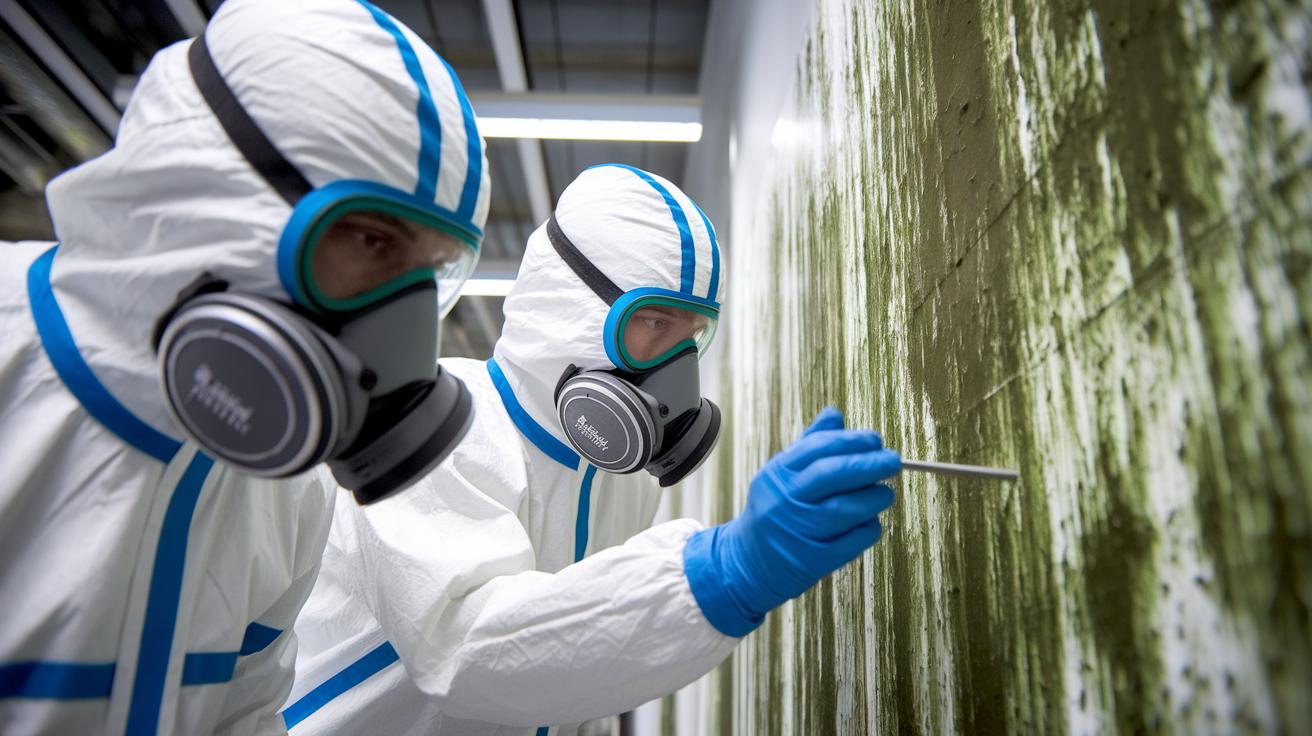
When handling high-risk tasks like cleaning mold or removing asbestos, using proper protective gear is vital to keep everyone safe. We rely on P100 or higher-rated respirators that catch the tiniest mold spores and asbestos fibers, making every breath safer. One technician explained, "I feel secure knowing my respirator stops even the smallest fibers."
Full-body suits with built-in hoods and boot covers form a complete protective barrier. These suits act like a second skin, shielding every part of the body from toxic substances. For asbestos removal, teams also use barrier systems and negative-pressure enclosures (devices that control airflow) to trap fibers and keep contaminated air from spreading. This layered protection safeguards both the worker and the surrounding area.
In biohazard situations, gear is just as specialized. Fluid-resistant clothing helps prevent contact with infectious agents, and using two pairs of gloves adds an extra layer of defense. Face masks further protect against harmful inhalation, completing a system that is critical during biohazard cleanup.
Key protective measures include:
- P100 and higher-rated respirators to filter out tiny particles.
- Full-body suits with integrated hoods and boot covers for complete sealing.
- Barrier systems and negative-pressure enclosures to contain asbestos fibers.
- Fluid-resistant clothing with double gloves and face masks for effective biohazard safety.
Maintenance and Regulatory Compliance for PPE in Restoration Work
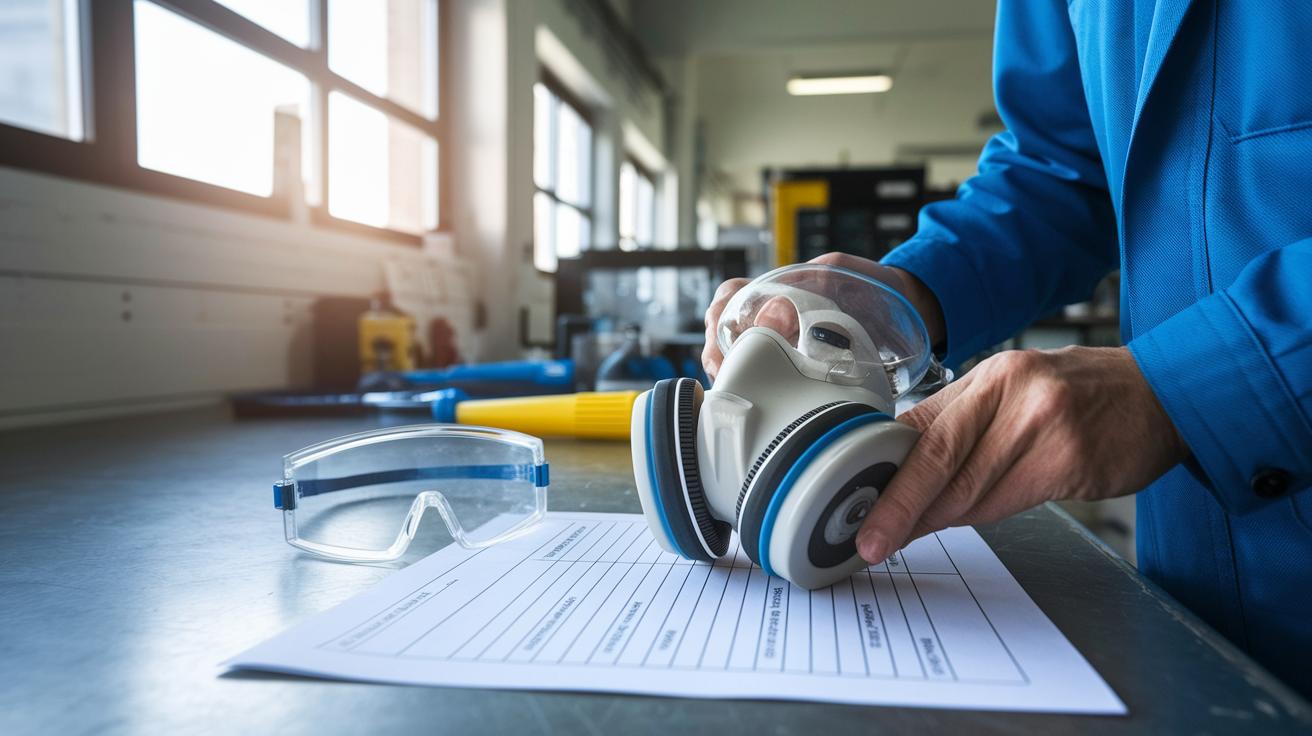
Every day, taking care of your safety gear is a must. We inspect personal protective equipment (PPE) daily to check for tears, damage, or worn-out filters. One technician shared, "I always check my respirator before each shift, like checking your car's brakes, to make sure nothing is worn or expired." We replace any damaged parts right away to keep you safe from harmful substances.
Cleaning and sanitizing the equipment is just as important. We follow the manufacturer's instructions when cleaning respirators, goggles, and reusable garments. This simple step keeps your gear working well and helps it last longer. It is much like washing your kitchen tools after cooking to prevent contamination and keep them reliable.
We also follow guidelines from OSHA (Occupational Safety and Health Administration) and ANSI (American National Standards Institute) to ensure every piece of PPE meets strict safety rules. These standards help us avoid fines for non-compliance. Our team records maintenance schedules and check-ups as proof during safety audits and training sessions. This practice builds a culture of safety and accountability on every jobsite.
Key steps we follow:
- Inspect the gear each day for any defects.
- Clean and sanitize equipment regularly.
- Record all maintenance and compliance checks promptly.
Training, Documentation, and Best Practices for PPE Use in Restoration Operations

Restoration teams get real hands-on training that shows them how to put on and take off their protective gear properly. This practice session makes sure every technician learns the steps for donning (putting on) and doffing (removing) gear safely. For instance, during a live drill, workers practice removing contaminated gear to stop the spread of harmful particles.
We also create clear, written protocols and checklists to track PPE use. Digital forms record every step to ensure each piece of equipment is used correctly and replaced when needed. One checklist item is "Inspect respirator seals for wear." This way, workers always check the critical parts before they start the job.
Regular audits and tests on safety apparel make sure each item holds up in the tough conditions of restoration work. Scheduled reviews help us replace damaged or expired filters without delay. In addition, having emergency kits filled with essential PPE lets us respond quickly when hazards arise, keeping everyone safe even when conditions change fast.
By combining solid training, careful documentation, and regular gear checks, we build a strong culture of safety. This approach helps our teams work efficiently while reducing risks and staying in line with strict safety standards.
Final Words
In the action, this guide showed how proper PPE for restoration work keeps crews safe when tackling hazards on-site. We detailed everything from safety glasses to full-body suits and explained their roles in protecting against chemicals, debris, and airborne particles. Each piece of gear plays a crucial role from initial risk assessment to final clean-up. Regular upkeep and training ensure your equipment meets safety standards. Every step we outlined helps create a safer environment, paving the way for a successful restoration effort. Stay safe and keep moving forward.
FAQ
What is personal protective equipment and why is it important?
Personal protective equipment (PPE) means gear that safeguards you against hazards in healthcare, restoration, and construction. PPE items include gloves, safety glasses, respirators, and helmets to help prevent injuries.
What PPE does a restorer need when handling sewage backups?
For sewage backups, a restorer should use waterproof suits, chemical-resistant gloves, eye protection, and respirators to prevent exposure to harmful contaminants and reduce health risks.
What PPE is needed for maintenance and construction work?
Maintenance and construction work requires PPE such as hard hats, safety glasses, gloves, high-visibility vests, and slip-resistant boots. This gear protects against falling debris, chemical spills, and other on-site hazards.
What common items appear on a typical PPE list or in a PPE PDF?
A typical PPE list includes safety goggles, NIOSH-approved respirators, various gloves (chemical-resistant, cut-resistant), helmets, and protective clothing. These items are essential for minimizing exposure to jobsite hazards.
What are the key uses and benefits of commonly used PPE items?
Common PPE items protect specific body areas: respirators filter harmful particles, gloves guard hands against chemicals and cuts, safety eyewear shields eyes from splashes, and hard hats prevent head injuries from falling objects.