
Ever wonder how strict safety rules shape a restoration project? We follow clear guidelines, from safely handling asbestos (a harmful material) to using proper fall protection. These rules keep workers and residents safe and the job site secure. In this article, we explain the latest OSHA guidelines, share real examples, and show why every restoration contractor must stick to these protocols.
osha safety requirements for restoration contractors: Sound
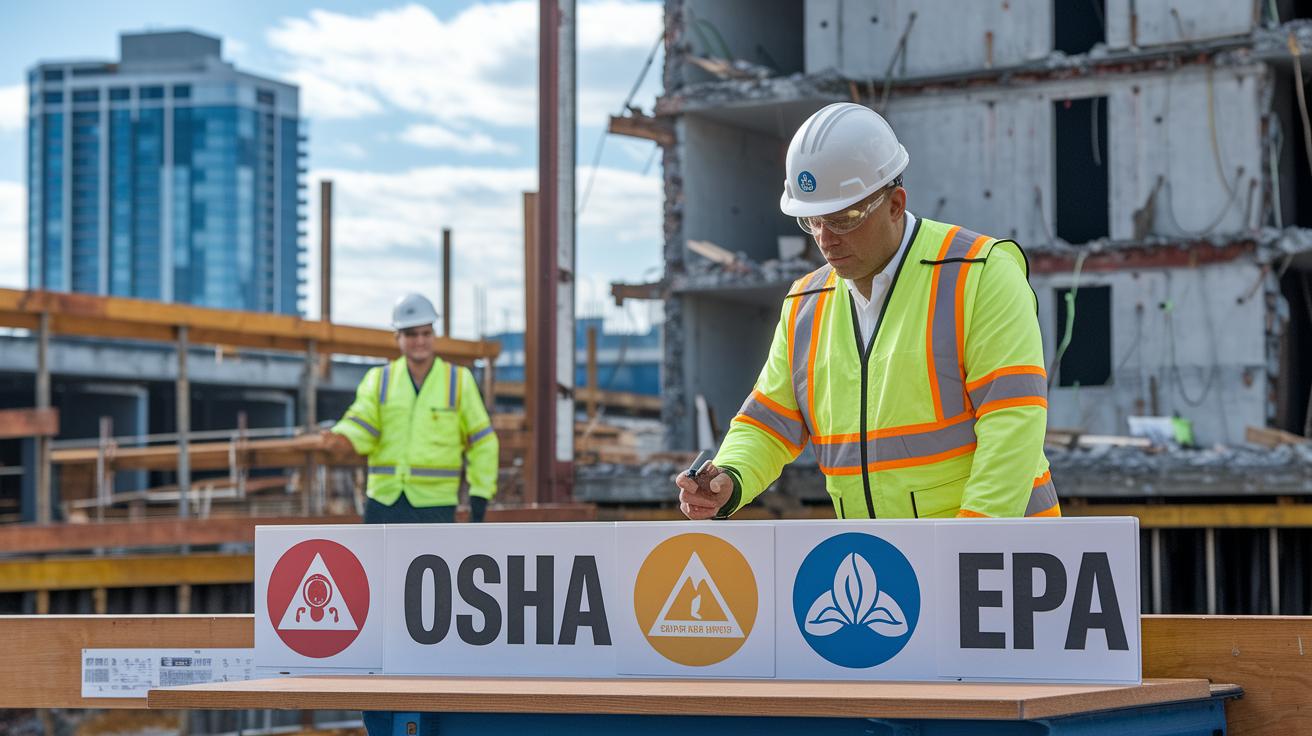
Restoration contractors must follow strict federal rules to keep work sites safe and meet compliance standards. They follow OSHA rules and EPA guidelines, like the National Emission Standards for Hazardous Air Pollutants (NESHAP, rules for controlling harmful air pollutants), when handling asbestos materials during demolition or renovation work. Asbestos can break apart easily and release harmful fibers into the air, so careful planning is essential to protect both workers and residents. Fall protection is also crucial. Guardrails, safety nets, and personal fall arrest systems are required to ensure safety on elevated areas. Updated guidance as of September 20, 2023 makes it clear that regular training and careful adherence to safety rules are vital, with tougher penalties for any violations.
Critical OSHA standards include:
- 29 CFR 1926.1101 – Asbestos guidelines for construction work
- 29 CFR 1910.1001 – Asbestos guidelines for general industry work
- 29 CFR 1926.502 – Fall protection requirements
- 29 CFR 1910.147 – Lockout/tagout procedures (methods to control hazardous energy)
- 29 CFR 1910.146 – Safety measures for working in confined spaces
- 29 CFR 1926.454 – Scaffolding safety rules
- 29 CFR 1926.416 – Electrical safety standards
These regulations provide a clear set of steps to manage job site hazards. For example, a contractor might say, "Before we start work, we test all materials for asbestos as required by EPA NESHAP and OSHA." This proactive method cuts down on risks, protects the crew, and keeps the job site safe.
Job Site Hazard Assessment for OSHA Compliance in Restoration

Restoration contractors start with a complete hazard assessment on site. They look for risks like asbestos (a dangerous material that can release harmful fibers) and mold (fungus that can spread airborne spores). They follow a clear job safety analysis to find chemical, biohazard, and structural risks. For example, a technician might check storage areas for hidden mold or test debris for unexpected contaminants before beginning work.
Next, contractors use OSHA’s control methods to manage these risks. They decide if they can remove the hazard, use a safer substitute, or control the hazard with engineering fixes and safety rules. They then select personal protective equipment (PPE) as a final safeguard. This careful plan helps keep everyone safe and limits long-term exposure.
Daily, contractors follow four emergency management steps: mitigation, preparedness, response, and recovery. Building these steps into their routine safety checks means the team is ready to handle sudden hazards. This approach protects both workers and clients throughout the restoration process.
Personal Protective Equipment Guidelines under OSHA for Restoration Work
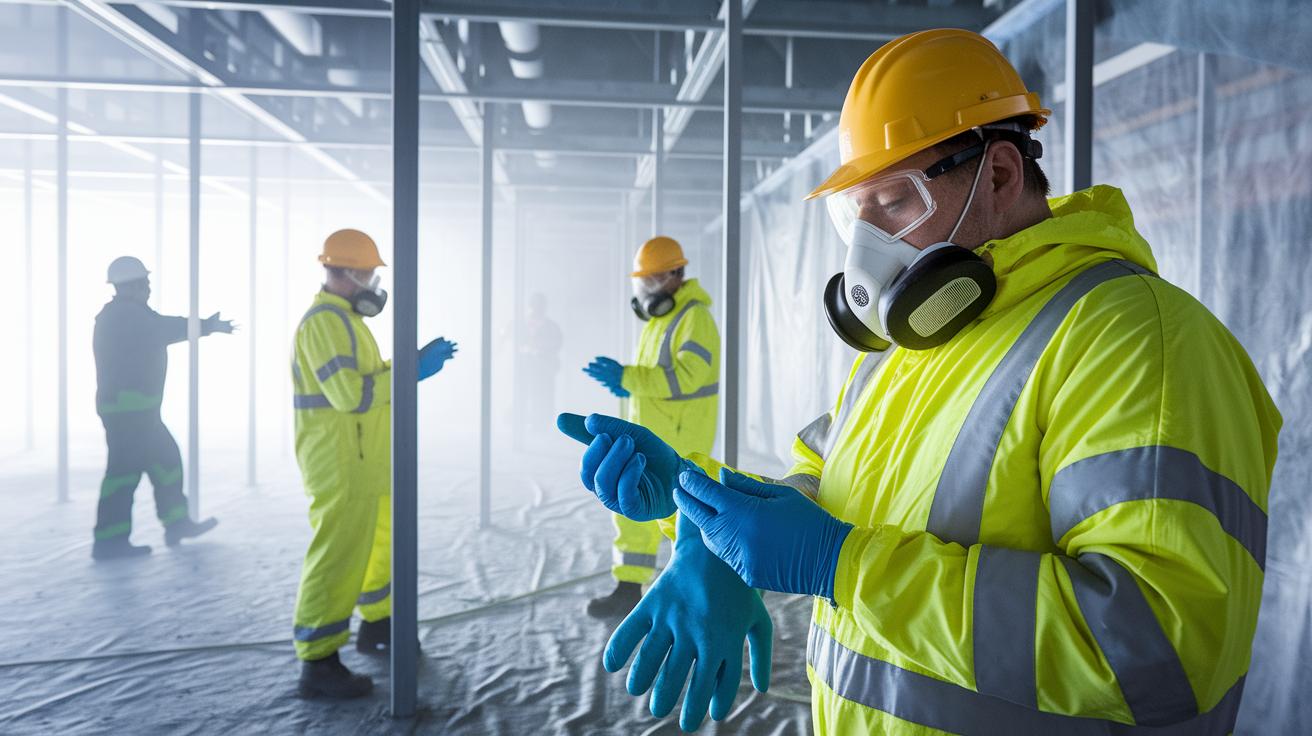
When doing restoration work, safety is our number one priority. Whether you are dealing with asbestos or cleaning up chemicals, the right safety gear can protect you from harm.
If you are working with asbestos, you must use a respirator that meets the required protection standards (APF standards). You should also follow a written plan for respiratory protection in line with 29 CFR 1910.134. When handling loose asbestos, guidelines call for sealed spaces and decontamination units to help keep dangerous fibers from spreading.
Before every shift, check that every piece of personal protective equipment (PPE) is in good shape and certified by agencies like NIOSH or MSHA. At a minimum, wear gloves, goggles, coveralls, and a hard hat. This gear helps ward off risks such as chemical spills and falling debris. Protecting your eyes and face is especially important when there might be chemical splashes, as stated in 29 CFR 1926.102. For more details on choosing the right gear, refer to the resource on PPE for restoration work.
| Hazard Type | Recommended PPE | OSHA Standard |
|---|---|---|
| Asbestos Handling | Full-face respirator, disposable coveralls, gloves | 29 CFR 1926.1101 |
| Chemical Exposure | Chemical-resistant gloves, goggles, apron | 29 CFR 1910.132/1910.133 |
| Fall Hazards | Full-body harness, lanyard, anchor | 29 CFR 1926.502 |
| Electrical Work | Insulated gloves, dielectric footwear | 29 CFR 1926.416 |
| Mold Remediation | Half-mask respirator (P100), washable coveralls | 29 CFR 1910.134 |
Regular inspections of your PPE are essential. Check each item for damage before you start working and make sure all gear meets the current OSHA standards.
OSHA Safety Training and Certification Standards for Restoration Contractors
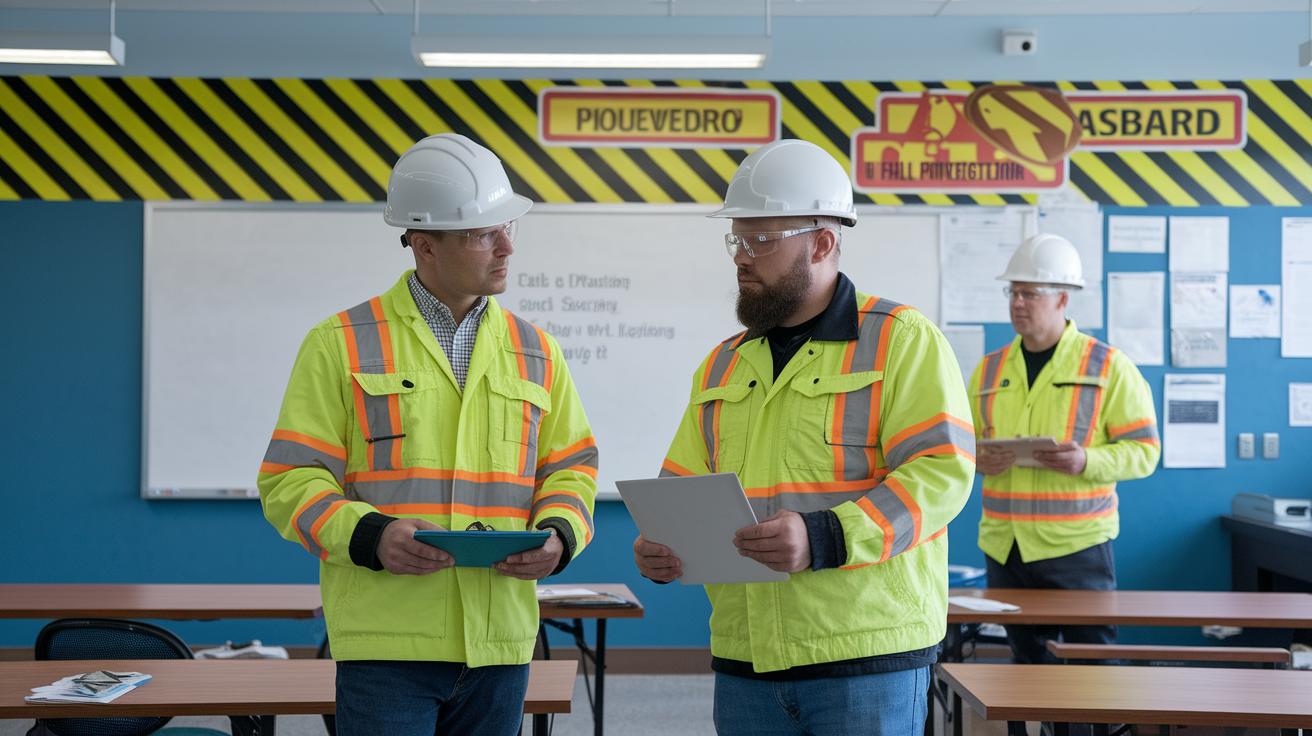
Contractors must offer both initial and yearly refresher training on key topics such as hazard communication, proper use of personal protective equipment (gear that keeps you safe), and fall protection. These sessions ensure every team member knows the right procedures for handling materials and managing potential airborne hazards safely. For example, a technician might say, "We review our fall protection protocols every year to keep our work areas secure."
When work involves asbestos (a harmful material), specialized accredited training is required. This training must follow EPA-approved courses, and many states ask for extra licensure from health or environmental departments. This process builds the practical skills needed to handle hazardous materials safely and shows that the work meets OSHA standards.
Regular training is held so crews stay updated on changes, such as new rules in 29 CFR 1926 (safety regulations) and the latest safety methods. These sessions often include hands-on exercises and scenario planning that get the team ready for real job site challenges. This ongoing education not only reduces risks but also creates a safer work environment.
Certification renewals vary from one to three years based on the type of work. Contractors must keep clear records of training dates, certifications earned, and renewal schedules. For example, a crew might record, "Our asbestos handling certification is renewed every two years," ensuring that they remain compliant and prepared for OSHA inspections.
Documentation and Audit Procedures for OSHA Compliance in Restoration

Contractors should keep a complete set of records for at least five years. This includes training logs, hazard check reports, equipment inspection records, and incident reports. For instance, a note might read, "On 2023-08-15, training logs were updated after the annual refresher session." These records help run daily safety checks and serve as proof during OSHA or EPA reviews. Written documents concerning asbestos inspections before renovations and the related sample tests are also necessary to meet NESHAP (National Emission Standards for Hazardous Air Pollutants) rules.
Digital record systems make the audit process faster by providing quick access to safety logs, inspection reports, and other compliance files. They improve transparency and help spot any missing information during external audits. Many contractors review their digital files regularly to ensure all records are current and easy to find. This proactive step cuts down risks and reinforces adherence to OSHA standards during both planned and unscheduled inspections.
Emergency Response and Incident Reporting Standards for Restoration Contractors

Emergency Management Phases and Hierarchy of Control
Every restoration site must have an emergency plan that meets OSHA rules (29 CFR 1910.38). We follow four key steps: mitigate, prepare, respond, and recover while using OSHA's safety controls. First, we remove hazards when we can. Next, we substitute dangerous materials for safer ones, use engineering fixes (physical changes to reduce risk), add clear safety policies, and finally equip our team with the proper protective gear. For example, if there is a chemical leak, we first shut off the source, then isolate the area, and require personal protective equipment for anyone entering. This clear plan helps us quickly evacuate, report issues, and get medical help when needed.
Incident Reporting and Investigation Steps
When an incident occurs, we act fast to document everything. We follow OSHA's Recordkeeping Rule (29 CFR 1904) and complete OSHA Form 301 for any recordable injury. Here is our step-by-step process:
- Report the incident immediately and record details like time, location, and current conditions.
- Investigate the incident to find the root cause. For example, if someone falls, we look at equipment issues, problems with procedures, and the site conditions.
- Take corrective actions right away to prevent the same incident from happening again.
This process ensures we document every incident carefully and work continuously to improve safety on site.
Staying Updated on OSHA Regulatory Changes for Restoration Contractors

Keeping up with OSHA rules is essential for any restoration contractor. As of September 20, 2023, OSHA has tightened its enforcement policies with tougher penalties for intentional rule-breaking. We recommend staying in the loop by signing up for OSHA’s e-News and checking Federal Register updates on the 29 CFR 1926 and 1910 codes. One contractor noted, "We check updates every month to ensure we follow the latest rules."
Regular internal audits are critical for being ready for inspections. By reviewing safety programs and paperwork ahead of time, teams can spot and fix problems before inspectors arrive. Since some states, like California with Cal/OSHA, have stricter guidelines than the federal standards, it is important to compare local rules with national ones. This approach not only helps avoid fines but also keeps everyone on the job site safe.
Staying on top of OSHA rule changes helps contractors identify updates that can affect daily work. By adding these updates to routine safety checks and training, restoration professionals ensure a safe work environment and lower the risk of violations during inspections.
Final Words
In the action, we reviewed how to meet key OSHA standards, assess hazards, and implement proper PPE use. We also covered thorough safety training, detailed documentation, and clear emergency response steps. Each element is crucial in protecting property and ensuring safe re-entry. Regular internal audits and staying updated on regulatory changes keep your work on track. By following osha safety requirements for restoration contractors, your team sets the stage for secure, efficient recovery and restoration. Moving forward with these steps ensures a safer, smoother restoration process.
FAQ
OSHA safety requirements for restoration contractors near California
The OSHA safety requirements for restoration contractors near California include following federal OSHA standards along with Cal/OSHA’s stricter rules, ensuring proper hazard assessments, use of approved PPE, and accurate documentation of safety measures.
OSHA safety requirements for restoration contractors near Texas
The OSHA safety requirements for restoration contractors near Texas mandate adherence to federal OSHA guidelines, emphasizing hazard evaluations, the use of proper PPE, and meticulous recordkeeping while also observing any Texas-specific safety directives.
OSHA requirements for trace asbestos
The OSHA requirements for trace asbestos focus on monitoring and managing even minimal asbestos residues. Contractors must use proper containment methods and PPE to limit exposure and prevent airborne fiber release.
OSHA caulking
The OSHA guidelines for caulking work stress the importance of safe handling and application. Workers should use sufficient ventilation and wear proper protective gear to avoid exposure to hazardous fumes and repetitive motion risks.
OSHA less than 1% asbestos
The OSHA rules for materials with less than 1% asbestos call for careful handling. Even low asbestos levels require controlled work practices and the use of appropriate PPE to minimize any health risks.
OSHA asbestos roofing
The OSHA guidelines for asbestos roofing require contractors to follow safe removal, handling, and disposal procedures. This ensures that asbestos fibers do not become airborne and pose a health risk during roofing projects.
OSHA asbestos work classes
The OSHA asbestos work classes define different categories of risk based on exposure potential. Each class outlines specific safety protocols and controls for handling, removal, or maintenance tasks involving asbestos-containing materials.
OSHA asbestos 1%
The OSHA standard for asbestos at a 1% concentration mandates stringent controls. Contractors must apply safe work practices and appropriate PPE to prevent fiber release, even when material contains low percentages of asbestos.
What’s the 20/20/20 rule in OSHA construction?
The reference to the 20/20/20 rule in OSHA construction generally suggests regular safety assessments during tasks. Although not an official rule, it reminds teams to frequently review practices to maintain clear workspaces and safe procedures.
What are five OSHA safety requirements?
The five key OSHA safety requirements include performing thorough hazard assessments, using appropriate PPE, implementing effective fall protection, conducting regular safety training, and maintaining clear incident and inspection records.
Does OSHA apply to contractors?
OSHA applies to contractors by enforcing worksite safety standards regardless of employer type. Contractors must comply with all OSHA guidelines to ensure the job site is safe for all workers and visitors.
What are the safety expectations of a contractor?
Safety expectations for a contractor include conducting detailed hazard assessments, using and maintaining proper PPE, completing regular safety training, and consistently documenting all safety practices and incident reports.