
Have you ever wondered if bleach is the right answer for your mold? Many homeowners see the mold fade in minutes after using bleach, only to watch it come back later. Bleach works by cleaning the surface, but it does not reach the deeper mold roots hidden below.
In this post, we take a close look at how bleach works on hard surfaces and explain why it may not fully fix your mold problem. Our goal is to give you a clear picture of what bleach can and cannot do, so you can decide the best way to protect your home.
Evaluating Bleach’s Role in Mold Remediation
Bleach is a type of sodium hypochlorite solution that many people use to clean mold off hard surfaces like tile, glass, and countertops. When you apply it, you can see the mold stains fade quickly because the bleach causes an oxidation reaction. For example, if you use bleach on a ceramic sink, you might notice the dark mold spots become much lighter right away.
However, bleach only works on the surface. It does not reach the tiny mold roots called hyphae. Because bleach is about 99% water, using it on porous items like drywall or wood adds extra moisture. That extra moisture can actually help mold grow instead of stopping it.
Bleach makes mold look less obvious by changing its color, but it does not really kill the mold that hides deep inside the material. Also, bleach loses its strength over time. If a bottle of bleach sits unused for about three months, it can lose up to half of its available chlorine, making it much less effective.
In short, bleach offers a quick, surface-level fix. While it reduces the visible signs of mold on hard surfaces, it does not remove the hidden mold, which means the problem might come back. Bleach is not approved by the EPA for mold remediation, and its chlorine fumes can irritate your eyes, throat, and lungs, especially if there is not enough fresh air.
Proper Bleach Dilution and Application Techniques for Mold Cleaning

Start by mixing one part bleach with nine parts water. This mix works best on hard, smooth surfaces like tile or glass. Pour the bleach and water into a clean container and apply it with a spray bottle or a clean cloth so the entire area is covered. Let it sit for at least 10 minutes. For example, if you spray it on a ceramic countertop, you might see the mold spots start to lighten during that time.
Keep in mind that fresh air and proper temperature matter. In a room with little ventilation, chlorine fumes can build up and may irritate your eyes, throat, and lungs. Also, avoid using this solution on materials like drywall or wood because it can trap moisture and worsen mold. Use bleach only on non-porous surfaces to prevent extra dampness where mold can grow. Always check the area around the treated spot to ensure it dries properly.
After the bleach has had time to work, rinse the area with clean water. Make sure to dry it completely within one hour to avoid any lingering moisture. And remember, never mix bleach with ammonia or acids since that can make toxic gases. These steps help clean visible mold while keeping your space safe and minimizing extra risks.
Bleach vs. Alternative Mold Removal Methods
Bleach and other mold removal methods each have their own strengths and limits. Bleach works fast to brighten mold stains on hard surfaces like tile and glass. However, it only cleans the visible area. Bleach cannot seep into porous materials where mold hides, which means some harmful mold threads may remain.
Vinegar contains acetic acid that can go deeper into materials such as drywall and wood. It reaches the hidden mold better than bleach but may not remove every spore. In cases of heavy mold infestation, you might need to use it several times.
Another option is using 3% hydrogen peroxide or enzyme-based treatments that are registered by the EPA. Hydrogen peroxide creates oxygen radicals that damage mold cell walls on both porous and non-porous surfaces. Enzyme-based treatments break down mold molecules to give longer control and do not produce harsh fumes. Although these methods remove mold more completely, they tend to be pricier and might need professional help for larger areas.
| Treatment | Active Ingredient | Surface Suitability | EPA Registered | Drawbacks |
|---|---|---|---|---|
| Bleach | Sodium hypochlorite | Non-porous surfaces | No | Limited penetration; may leave mold threads |
| Vinegar | Acetic acid | Porous materials | No | May not remove all spores; repeated use needed |
| Hydrogen Peroxide/Enzyme Products | Oxygen radicals/Enzyme biocides | Both porous and non-porous | Yes | Higher cost; may require professional application |
Safety and Health Considerations for Bleach-Based Mold Remediation
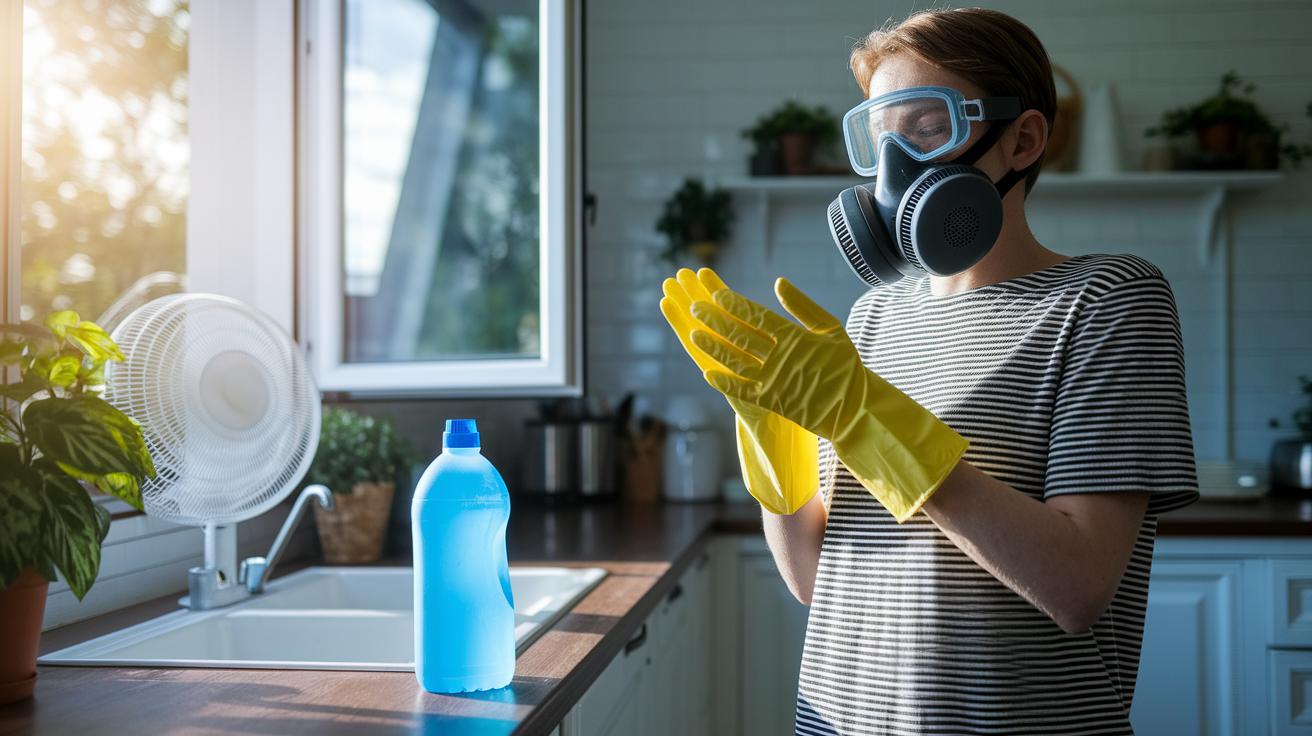
Bleach can release chlorine gas that irritates your eyes, throat, and lungs. This gas may also worsen symptoms for people with asthma or allergies. Always work in a room with good airflow by opening windows and using fans. This helps lower the amount of fumes in the air.
Wear protective gear when using bleach. Use goggles, nitrile gloves, and a half-mask respirator rated for chlorine (this gear protects you from fumes). When you work with small amounts in one area, you can reduce the risk of fumes spreading.
Bleach runoff can harm nearby plants and contaminate drains. Capture rinse water and dispose of it according to local rules to protect the environment. Using bleach a lot or in large areas can damage surfaces over time, weakening materials and increasing chemical exposure. By controlling how you use bleach and following these safety steps, you help protect both your health and the environment during mold cleanup.
mold remediation with bleach: A Clear Solution
For small mold spots on hard surfaces, you can use a bleach solution mixed with water (1 part bleach to 9 parts water) as a short-term fix. This method works best when the mold is limited and the exposure is low. But if the mold covers more than 10 square feet, if your HVAC system shows signs of contamination, or if someone in the home has breathing issues, it's safer to call in a professional. Experts use barriers, moisture meters (tools that measure water levels), and EPA-approved chemicals to remove mold and stop it from coming back.
When to Call a Professional
If you see mold growing in large areas or in hard-to-reach spots, a DIY fix might not be enough. Large infestations and mold in ducts need advanced tools and proper containment to keep your indoor air safe. Professionals are trained to handle hidden moisture and protect your home from further damage. When mold is widespread or poses health risks, calling a specialist ensures the job is done safely.
Ongoing Prevention and Monitoring
To keep mold from returning, it helps to have regular inspections along with your routine home care. Using a diluted bleach solution in wet areas like bathrooms or kitchens can help, but it should work together with proper ventilation and humidity control. Running dehumidifiers and ensuring good airflow are key steps to maintain a safe, mold-free environment.
Final Words
In the action, we explored bleach's chemical action on non-porous surfaces and explained how to mix and apply it safely. We compared its effects with other treatments and discussed best practices for health and environmental protection. Expert tips help you decide when to tackle small areas and when to call professionals.
Maintaining proper guidelines and clear documentation can ease the stress of unexpected damage. With the right approach, mold remediation with bleach is one tool to restore your home safely and effectively.
FAQ
Frequently Asked Questions
What does mold remediation with bleach on Reddit and Home Depot discussions suggest?
The discussions on Reddit and Home Depot indicate that many use bleach for surface cleaning on non-porous materials, though experiences vary and professionals often advise caution due to its limitations.
Does bleach kill mold or just hide it on a wall?
Bleach generally removes stains and surface mold but does not penetrate porous materials or kill mold roots, meaning it may only hide the issue on walls.
What are the best practices for DIY mold remediation with bleach?
DIY mold cleanup requires using a diluted solution (one part bleach to nine parts water), a ten-minute contact time, proper PPE, and adequate ventilation to help reduce risks and improve results.
What kills mold on wood?
Mold on wood typically needs treatments that penetrate porous surfaces, such as hydrogen peroxide or EPA-approved enzyme cleaners, as bleach may not effectively eliminate mold from wood.
Does vinegar or bleach work better for mold removal?
Vinegar can penetrate mold more deeply while bleach can quickly lighten stains; however, neither is a complete solution on its own, and additional steps may be needed for lasting mold control.
What kills 100% of mold?
No treatment can kill 100% of mold; effective remediation uses a combination of cleaning, moisture control, and sometimes multiple agents to address both surface mold and hidden spores.
How long does it take bleach to kill mold?
Bleach generally requires a minimum of ten minutes of contact time on non-porous surfaces to lighten and kill mold, although it may not eliminate mold roots that live deeper in porous materials.