
Battling mold can be really stressful. If you're tired of a never-ending fight with mold in your home, we have good news. In this guide, we share five proven tips that clear mold fast.
Each tip comes from trusted practices and real experiences. We explain every step in plain language so you can protect your home and health. By using these clear, safe guidelines, you can stop mold from growing and keep your home secure.
Let's review these techniques and take charge of your mold problem today.
Essential Steps for Successful Mold Remediation Techniques
Finding mold early is key to protecting both your home and your health. By following EPA guidelines and trusted industry standards (IICRC protocols), we can stop mold and limit the spread of spores. Our process uses safe cleaning products and boosts ventilation to halt mold growth quickly. We start by checking affected areas and monitoring moisture levels to keep problems from worsening.
A simple, clear plan is vital. We document each step so that every action is recorded, which helps with insurance claims. This careful process meets professional standards and reduces risks while restoring your building. Here is our seven-step process:
- Visual inspection
- Hazard assessment
- Containment setup
- Mold removal
- Antimicrobial application
- Drying and dehumidification
- Post-remediation testing
We keep detailed records, photos, and measurements at every stage. Regular checks help us find any moisture issues early so we can act fast if mold returns. This follow-up process confirms that the cleanup worked and that your home stays mold-free.
Safety Measures and Equipment for Mold Remediation Techniques
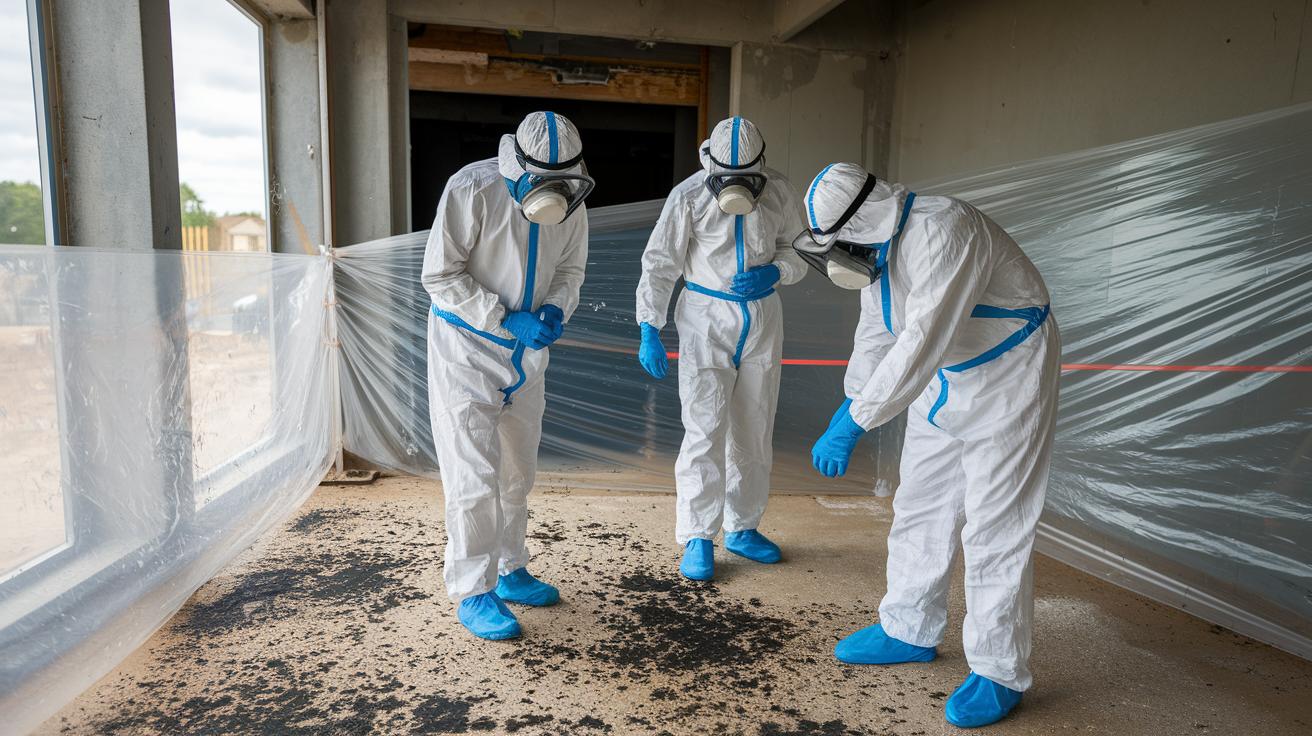
Our trained technicians always wear the right gear to stay safe. They use respirators (masks that filter out harmful particles), gloves, eye protection, and full-body suits to guard against mold spores. We follow OSHA mold safety rules and make sure every team member has the proper equipment before they start working. To learn more about the gear, visit the linked page.
We also set up a clear barrier around the work area. We use heavy plastic sheets and strong tape along with negative-air machines (machines that pull in air to help contain particles) to stop mold spores from spreading. This method keeps the affected area isolated and protects the rest of your space from contamination.
We rely on modern equipment to remove mold effectively. Our HEPA-filter vacuums catch even the smallest particles, air scrubbers clear unwanted contaminants from the air, dehumidifiers reduce moisture levels, and antimicrobial sprayers treat surfaces. This mix of tools and techniques helps us work quickly while keeping everything safe.
Comparing DIY versus Professional Mold Remediation Techniques
For small mold spots less than 10 square feet, you can often use household cleaners and basic moisture control. These spots, usually found on hard surfaces or in quiet corners, rarely pose a major health risk. But if the mold covers a larger area or is growing on damp building materials, it might hide toxic mold that can lower air quality and affect the health of those living in the home. That's when calling a certified expert becomes the safest choice. Burns Environmental Services, for example, is available 24/7 with IICRC (industry restoration standards)-certified technicians who are trained to tackle more serious mold issues.
DIY Mold Cleanup Techniques
For small areas of mold, keep safety in mind:
- Wear gloves and a mask to protect yourself.
- Use a diluted cleaning solution on the affected area.
- Improve ventilation by opening windows or using fans.
- Regularly inspect the area and repair any leaks to prevent mold from growing back.
Benefits of Professional Mold Treatment
Certified professionals use advanced tools and containment methods to remove mold safely. Their process limits the spread of mold spores and addresses the moisture problems that cause mold growth. This careful approach helps lower the risk of health issues and cross-contamination. When mold covers a large area or if there is a health concern, getting professional help is the best way to make sure your home is safe and secure.
Residential versus Commercial Mold Remediation Techniques

Residential mold remediation is all about targeted cleaning and careful moisture control. Homeowners usually deal with small mold patches on walls or in basements by using cleaning methods and safe products that stop excess water from causing more problems. This not only keeps the house structurally sound but also preserves the air quality for the people living there. For example, if you spot mold on your bathroom ceiling, focused cleaning and moisture control can clear it up without major disruption.
On the other hand, commercial mold issues require a broader approach due to the larger and more complex spaces. In a business or workplace, larger containment setups are needed to isolate the mold. This process often involves continuous ventilation and heavy-duty air filtration systems (such as industrial filters that capture mold spores) to manage both widespread mold and safety regulations. Office buildings or retail centers might require constant monitoring and even 24/7 emergency services to protect staff and keep operations running smoothly.
Commercial efforts often use high-capacity air scrubbers and large dehumidifiers, following strict safety standards. Advanced equipment and professional procedures are key to managing mold effectively across extensive commercial areas.
Cost Analysis and Budget Planning for Mold Remediation Techniques
Mold cleanup costs depend on the size, type of mold, and the building materials affected. Typically, pricing falls between $10 and $25 per square foot. More severe issues, like black mold (a type known for its health risks), may cost extra due to the additional labor and specialized treatment required. Factors such as how easy it is to access the affected area, what materials are impacted, and the risk of further damage will also affect the final cost.
| Infestation Type | Cost per Sq Ft | Approximate Total Cost |
|---|---|---|
| Light Mold | $10 | $10,000 (for 1,000 sq ft) |
| Moderate Mold | $18 | $18,000 (for 1,000 sq ft) |
| Heavy Mold | $25 | $25,000 (for 1,000 sq ft) |
Financing and insurance can help manage the initial costs. Some companies offer loans for projects up to $25K or even $100K. Your insurance may cover preventive cleanup or part of the remediation, depending on your policy's terms. When planning your project, keep detailed records of the damage and cleanup needs. This documentation will help with insurance claims and assist in creating a clear, cost-effective plan. Transparent pricing and thorough planning help avoid surprises and set realistic expectations for everyone involved.
Natural and Eco-Friendly Mold Remediation Techniques
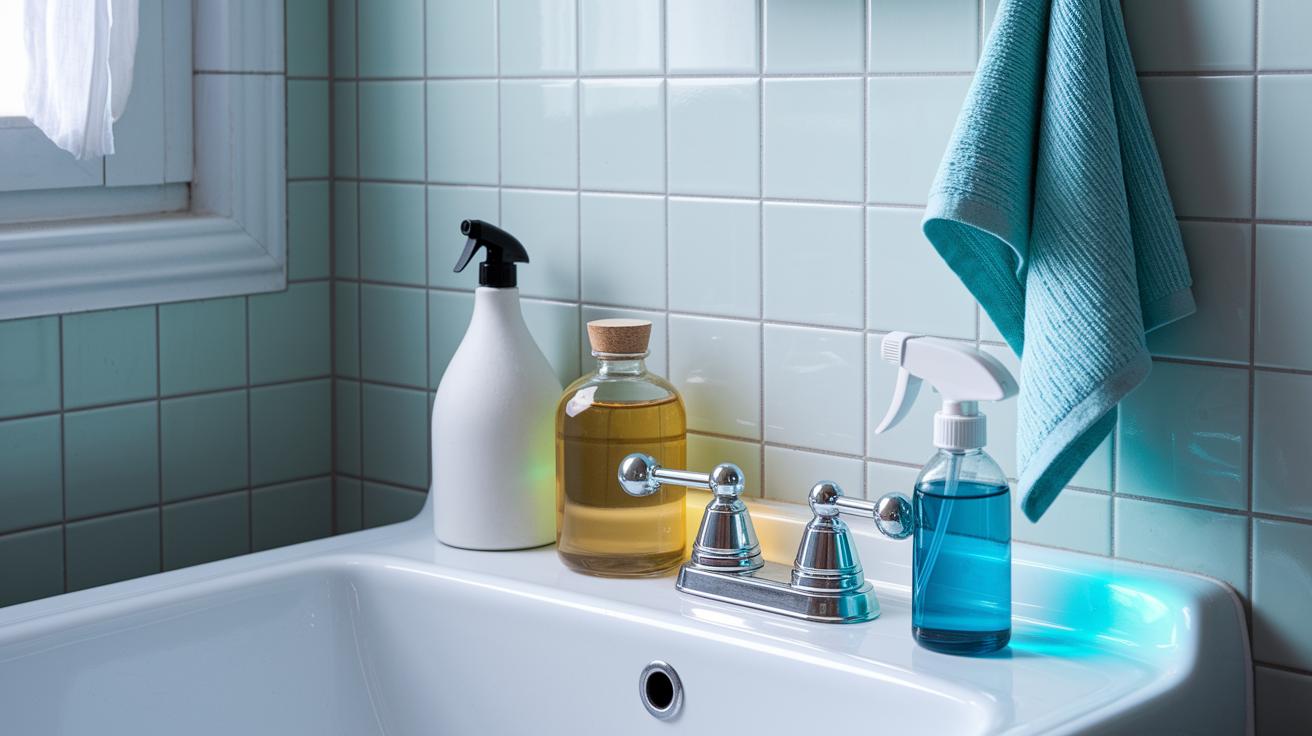
If you notice a small patch of mold, you can try natural methods that are safe and effective. Vinegar helps kill mold without harsh chemicals, and baking soda mixed with water makes a gentle scrub that lifts mold from surfaces. Essential oil sprays with tea tree or eucalyptus oil add extra germ-fighting power and leave a clean scent. These natural formulas work well on spots like bathroom tiles or small sections of walls where you want to avoid chemical exposure. They are a great choice for homeowners looking for an eco-friendly solution.
For painted walls, wood surfaces, and tile, apply the mixture with a soft cloth and let it sit for a few minutes. This pause allows the solution to break down the mold so you can wipe it away easily. Keep in mind that these methods may not work for large or hidden mold infestations that can affect health or damage your home. In these cases, it is safest to call in professional help using certified technicians and industrial-grade equipment. Always test the solution in a small area first and ensure good airflow while cleaning to support the process.
Post-Remediation Testing and Prevention Techniques in Mold Remediation
After we finish mold removal, our team tests both the air and surfaces. We send these samples to a lab to count the mold spores (tiny pieces of mold) and confirm all the mold is gone. This testing shows that your home is safe to live in and gives you peace of mind.
Keeping moisture low is key to stopping mold from coming back. We use dehumidifiers to keep indoor humidity below 50%, which helps stop mold growth. In areas that tend to be damp, like basements, we install vapor barriers for extra protection. These steps work together to keep your space dry and mold-free.
Improving your home's ventilation also helps reduce mold spores in the air. Air purifiers with HEPA filters (special filters that catch small particles) remove mold spores effectively. Upgraded HVAC systems help circulate and clean the indoor air. These improvements lower the number of spores and contribute to a healthier living environment.
Regular inspections and maintenance are essential to prevent mold from returning. Follow-up visits let us monitor your home for any changes in moisture levels, so we can catch and fix problems early. This proactive approach ensures your space stays safe from future mold growth.
Final Words
In the action, this blog post outlined step-by-step procedures to handle mold safely while protecting your property and health. We walked through visual inspections, hazard assessment, and the use of proper protective gear alongside effective equipment like HEPA vacuums and dehumidifiers.
Every section stressed a clear process from mold removal to prevention, highlighting the value of expert help when needed. With proper assessment and documented methods, reliable mold remediation techniques can restore your space quickly and safely. Stay positive and proactive.
FAQ
What are effective mold remediation techniques for residential and whole-house settings?
The mold remediation techniques for homes involve isolating affected areas, removing moldy materials, applying antimicrobials, drying thoroughly, and following EPA and IICRC guidelines to protect your home and health.
What outdoor mold remediation techniques are used?
Outdoor mold remediation techniques focus on cleaning exterior surfaces, applying antimicrobial treatments, and addressing moisture issues to prevent mold regrowth while keeping the building’s exterior safe.
What are the standard mold remediation procedures?
Standard mold procedures start with an inspection and hazard assessment, then move to containment, removal, antimicrobial application, drying, and post-remediation testing based on EPA guidelines.
When is mold remediation required?
Mold remediation is required when visible mold appears, especially after water damage, or when hidden mold affects air quality and structural integrity, posing potential health risks.
How do EPA mold remediation guidelines influence the process?
EPA guidelines influence the process by outlining safe removal practices, proper containment measures, effective cleaning methods, and ensuring post-treatment testing reduces mold spores to safe levels.
Who pays for mold remediation?
Payment for mold remediation typically falls on homeowners or renters, though some insurance policies may cover all or part of the costs depending on the cause and policy terms.
How do you remove mold from walls?
Removing mold from walls involves scrubbing with a mold-killing solution, cleaning the affected surface thoroughly, and drying it completely to stop mold growth and prevent future issues.
Can I remediate mold myself, and what are the best methods?
You can tackle small, non-toxic mold patches with household cleaners, but larger infestations require certified professionals equipped with proper tools and techniques for safe and effective removal.
Can mold cause a rash, and what kills mold permanently?
Mold can trigger skin irritation or rashes in sensitive individuals, while permanent elimination requires complete mold removal, effective antimicrobials, moisture control, and proactive prevention measures.
What does water damage mold remediation involve?
Water damage mold remediation involves extracting water, drying affected areas thoroughly, cleaning with antimicrobial agents, and monitoring humidity to prevent mold from recurring after water exposure.
How do I get a free mold remediation estimate near me?
To receive a free mold remediation estimate, contact licensed local companies or trusted brands like Service Master for an on-site evaluation and a customized remediation plan at no cost.
What do mold remediation companies do?
Mold remediation companies inspect and assess mold issues, contain and remove affected materials, apply treatments, thoroughly dry areas, and conduct post-remediation tests to ensure your home is mold-free.