
Ever wonder if your mold cleanup is truly safe? Hidden mold can expose you to health risks, so it is important to follow clear safety steps. This guide lays out a simple plan to protect your home or business. First, check the area for any hazards. Next, put on the proper gear for protection. Then, carefully contain the mold before cleaning it. Finally, dispose of the mold correctly. With these steps in hand, you'll have a straightforward and safe way to handle mold problems.
Mold remediation safety protocols: Reliable & Secure

Mold cleanup safety rules are a series of clear steps made to handle mold in your home or business safely. Mold can release toxins that may hurt your lungs, so it is important to stop it from spreading and keep everyone safe. These rules are written to guide the cleanup process in a careful and efficient way.
The mold cleanup work usually follows five main steps:
- We start by checking for dangers. We look carefully at the area and sometimes use tools like gas detectors (devices that check for harmful gases) to see what is needed.
- Next, we choose the right safety gear. Items like respirators and disposable coveralls protect workers from mold toxins.
- Then, we secure the area by using plastic sheeting to keep mold spores from leaving the work zone.
- After that, we clean the area with approved cleaning products that remove mold residue.
- Finally, we pack and dispose of contaminated materials in a safe way.
Keeping the area dry is very important for a successful mold cleanup. Guidelines from January 12, 2025, remind us to fix any leaks right away or use dehumidifiers (machines that remove moisture) to stop mold from growing. For small spots (under 30 square feet), a simple barrier of plastic can help keep spores in check, while larger areas need stronger methods and constant monitoring to control moisture.
These steps follow top professional practices and meet all federal rules. By checking for hazards, using proper gear, setting secure barriers, cleaning thoroughly, and handling waste correctly, we help protect both the cleanup crew and the people in the building.
Conducting a Comprehensive Hazard Evaluation for Mold
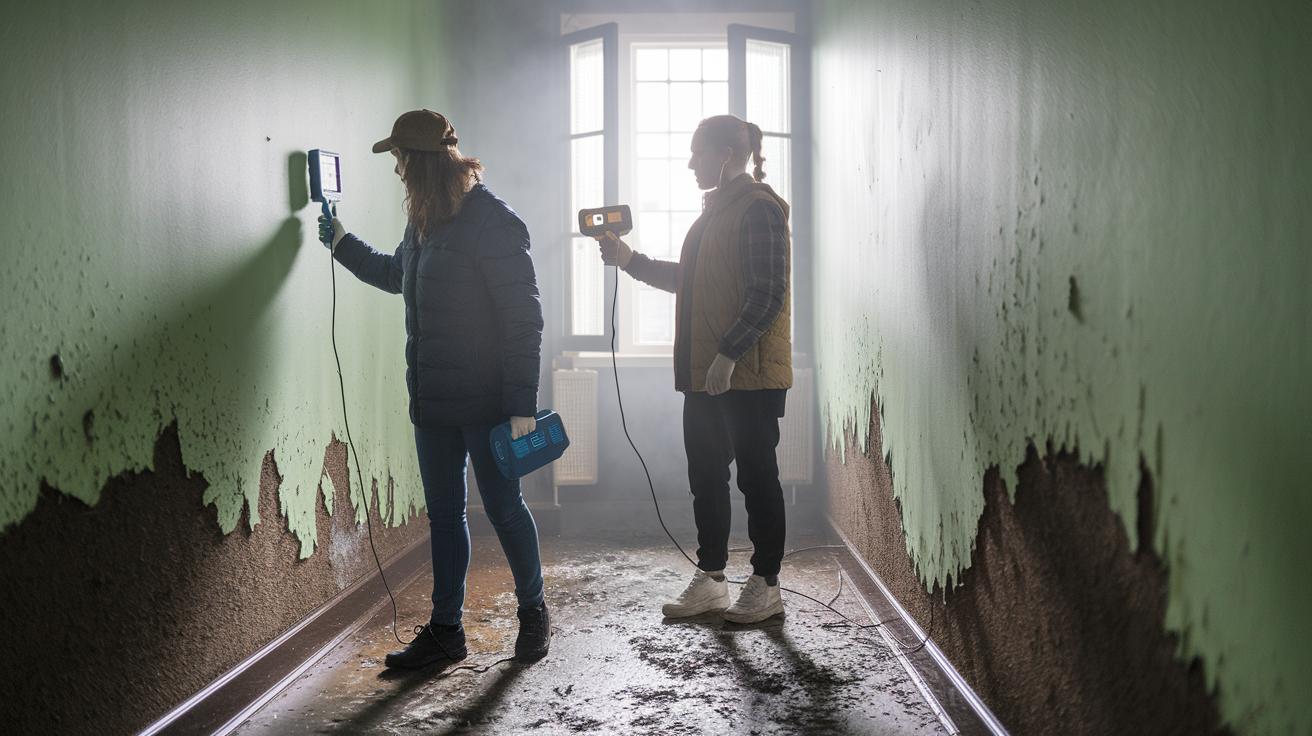
Start by walking through the area to spot any mold and water damage. Look at walls, floors, and hidden corners for signs of mold. Use a moisture meter (a tool that shows water levels) and a gas monitor (a tool that detects harmful chemicals) to find damp spots and any dangerous gases. This careful check makes sure you catch every risky area.
Next, sort the moldy spots by size and the risk to people. Small areas under 30 square feet might seem harmless, but they can still cause breathing problems, especially for those who are more vulnerable. Bigger spots need extra caution because they can affect more occupants. This step helps decide the right way to contain and remove the mold.
Finally, do a health risk check and set up a clear worksite plan. Look for any toxins (poison-like substances) that the mold might be giving off. Factor in how sensitive the people in the area might be and how the environment might affect the cleanup. Write down a plan with scheduled checks and notes on each step. This keeps the cleanup team and everyone in the area safe as we work through the process.
Key PPE Standards and Respiratory Protection

Mold cleanup work calls for reliable protective gear to keep everyone safe. The right equipment shields team members from mold toxins and stops the spread of contamination. We often use items like respirators, disposable coveralls, gloves, and eye or foot protection. For example, a half-face respirator that meets N, R, P-95 standards (for filtering mold spores) or a full-face PAPR in high-toxicity areas is essential. Disposable coveralls made of Tyvek cut the risk of carrying toxins elsewhere. Gloves approved by NIOSH (a safety certification agency) help you handle cleaning chemicals safely, while proper eye protection meeting ANSI Z87.1 standards guards against splashes. Shoe covers are also important since they help keep contaminated particles contained. Trusted brands like 3M, Moldex, DuPont, and Allegro set the bar for quality gear.
| PPE Item | Recommended Standard | Use Case |
|---|---|---|
| Half-face respirator | N, R, P-95 | Cleaning areas under 100 sq ft |
| Full-face PAPR | PAPR standard | High-toxicity or enclosed zones |
| Disposable coveralls | Tyvek type | Large-scale remediation |
| Chemical-resistant gloves | NIOSH approved | Surface cleaning tasks |
| Eye protection | ANSI Z87.1 | Working near liquids or splashes |
| Shoe covers | Disposable | Preventing cross-contamination |
Fit testing is key in making sure that respirators seal properly and function as they should. Routine upkeep, including cleaning and replacing filters, keeps your gear effective throughout the job. Make sure to dispose of single-use items like coveralls and shoe covers correctly so that they do not cause further exposure. By choosing high-quality gear, checking the fit, keeping equipment in good shape, and disposing of items safely, mold remediation teams can greatly lower the risk of spreading mold toxins during cleanup.
Containment and Ventilation Strategies

We set up a sealed work area to keep mold spores from spreading. We create a zone with negative pressure, which directs airflow so contaminants leave the area instead of moving into clean spaces. Re-wetting surfaces and covering contaminated zones with taped plastic helps keep settled spores undisturbed.
Here are the steps we follow:
- Seal doors and windows with heavy plastic and tape
- Install zipper-access portals for entry and exit
- Use machines with HEPA filters to pull air out
- Position exhaust fans to push airflow outside
- Mist or re-wet demolition areas to manage dust
We regularly check the pressure and the integrity of the seals. Using pressure gauges and visual inspections, we make sure the system works properly and fix any issues quickly. This routine helps us keep the spores contained and the area safe during remediation.
Decontamination Methods and Chemical Agent Selection

When cleaning mold, we use both wet and dry methods. Wet cleaning uses detergents that loosen mold and lift away dirt and stains from hard surfaces. Dry cleaning, like using a HEPA vacuum (a high efficiency air filter that traps tiny particles), picks up dust and spores without adding extra moisture. This teamwork helps stop mold from spreading or coming back.
After the cleaning, we decontaminate with chemicals to cut down on mold toxins and VOCs (volatile organic compounds, which are harmful chemicals in the air). We might use quaternary ammonium compounds, bleach mixed at a 1:10 ratio, hydrogen peroxide, or eco-friendly biocides. Each chemical needs to sit on the surface for a set time to work well without harming the material. Our team follows strict safety rules by not eating or drinking in treated areas and covering items with plastic before they are disposed of. This keeps the area safe and prevents cross-contamination.
Once decontamination is done, we check our work. We inspect surfaces to make sure no mold remains and nothing is damaged. Air checks confirm that any leftover spores or fumes are now at safe levels. These steps give extra confidence that the area meets professional standards for safety before we move to the next phase.
Safe Handling and Disposal of Contaminated Materials

We begin by containing moldy debris right on-site. We double-bag the debris in heavy plastic and seal it tightly with tape. Our team wears disposable coveralls to stop mold spores from sticking to other areas. These steps keep the contaminated materials under control from the moment they are collected until they are removed from the work zone.
After the debris is cleared, we clean and disinfect all reusable tools and work surfaces. We make sure that tools like HEPA vacuums (air filters that capture tiny particles), scrapers, and sprayers get washed and sanitized after each use. We wipe down hard surfaces with approved cleaning agents and check that spill-containment kits and first-aid supplies are fully stocked. This routine cleaning prevents mold from spreading and keeps the work area safe.
When handling disposal, we follow local solid-waste management rules. We double-bag waste, label it clearly, and use proper transport methods. We record every detail of the disposal process, including packaging, transfer, and final disposal. Sticking to these guidelines ensures we comply with regulations and manage waste safely from start to finish.
Regulatory Compliance and Industry Standards

Federal guidelines like OSHA 29 CFR 1910.134 (for respirators) and EPA rules such as Mold Remediation in Schools and Commercial Buildings (EPA 402-K-01-001) set the ground rules for mold cleanup. These standards help us work safely and protect both workers and building occupants from dangerous toxins. Local building codes and health-department rules add extra steps. This means our teams must regularly update their methods to meet the most current safety measures.
Certification programs and industry standards give our crews hands-on training with the latest mold cleanup techniques. This training builds trust with homeowners and ensures that every team member knows the federal guidelines along with trusted industry practices, making the cleanup process both efficient and safe. A clear safety plan, regular site checks, and detailed recordkeeping are essential. We document every stage, from the first inspection to the final cleanup, to confirm that all safety steps are in place. Routine audits help us improve continuously and confirm that we follow standards like OSHA and EPA if questions arise.
Training, Monitoring, and Quality Assurance in Mold Remediation

Our team starts every mold cleanup project with solid training and certification. These programs explain the dangers of mold and the steps needed to work safely. Regular courses, like the job safety analysis for restoration work (https://mindtangle.net?p=163), build the skills and confidence needed for the job. The training covers how to use equipment correctly, follow safe work practices, and complete incident reports. All of this creates a strong base for quality mold remediation.
We keep safety high by checking the work continuously throughout the cleanup. Teams use air and surface sampling checklists to spot any leftover mold spores or contaminants. They also run safety audits regularly, reviewing and updating the hazard management plans as necessary. Frequent equipment checks, like making sure gas monitors and moisture meters are working right, help the team respond quickly if issues arise.
A clear incident-reporting system is essential for improving our mold remediation efforts. When a problem occurs, detailed reports capture what happened, why it happened, and how it was fixed. This ongoing process of tracking corrections and reviewing safety practices ensures that every project benefits from updated, practical protocols.
Final Words
In the action, we covered each step to secure your home from mold hazards. We broke down hazard evaluations, proper PPE, and effective containment measures while explaining moisture control and waste disposal. Each protocol plays a key role in ensuring a safe and efficient cleanup. With mold remediation safety protocols at the core, following these guidelines can help stabilize your property and protect your health. Trust that every step is designed to steer you toward a safer, healthier living area.