
Is your home air safe? Mold often hides in dark, damp corners and can harm your health without warning. We use special dehumidifiers that work like a sponge, quickly soaking up extra moisture to slow mold growth. Less moisture means cleaner air and a safer home for you and your family. In this post, we'll explain step by step how these devices lower humidity and help fight mold, so you can breathe easier.
mold remediation dehumidifiers: Clean Air, Quick Results
Dehumidifiers pull in warm, moist air and cool it until water forms, so the moisture can be removed. Keeping indoor humidity between 30% and 50% (as the EPA recommends) makes it harder for mold to grow. Lower humidity also dries out visible mold and limits the release of spores.
There are different types to fit various spaces. For tight areas like crawl spaces, special models work best. Portable units are good for areas up to 800 square feet. Mid-size dehumidifiers cover 1,000 to 1,500 square feet. Larger models handle up to 2,000 square feet, while high-capacity commercial units are built for spaces over 2,000 square feet. Many devices offer extra features such as condensate pumps (for removing collected water), remote controllers, hanging kits, or vapor barriers to suit special needs.
Lowering humidity not only keeps mold in check but also improves air quality. Faster moisture extraction means fewer allergens and a cleaner indoor environment. Each dehumidifier is chosen for its ability to quickly lower humidity in the right area, making the cleanup process efficient and effective for a safer home.
Key Technical Features in Effective Mold Remediation Dehumidifiers

When you pick a dehumidifier to fight mold, look for one that uses Low-Grain Refrigerant (LGR), which works well even when indoor humidity drops to 30-40% RH. Standard units, in contrast, slow down when the humidity dips below 50% RH. This energy-saving design is important for lowering moisture and stopping mold growth.
Airflow is as important as the dehumidifier's capacity. For instance, a machine that moves 700 CFM pulls moisture much faster than one that moves only 360 CFM. Matching both the airflow and water extraction ability to your space is key. Look for units with a digital hygrometer (a tool that measures humidity) or a built-in humidistat (a device that automatically adjusts the machine) to monitor and manage moisture levels in real time.
Modern dehumidifiers also offer connectivity features like Bluetooth and Wi-Fi/app monitoring, which help with keeping track of the cleanup process. Automatic pumps reduce the need for manual drainage. Accessories such as condensate pumps, remote controllers, hanging kits, and vapor barriers can customize and improve performance in diverse spaces like crawl spaces, attics, or commercial areas. These technical features work together to extract moisture quickly, deliver clear results, and keep your indoor air safer.
Selecting the Right Dehumidifier Capacity for Mold-Prone Spaces
Choosing the right dehumidifier for a mold-prone area is essential to control moisture. For spaces up to 800 square feet, a portable unit works well. It can remove between 30 and 50 pints of water each day and weighs around 40 to 50 pounds. This makes it easy to move around in basements or small rooms where dampness is a concern.
Mid-size dehumidifiers suit larger spaces that range from 1,000 to 1,500 square feet. These units extract about 50 to 70 pints per day and typically weigh between 60 and 80 pounds. Many homeowners prefer them for living areas that need steady moisture control without dealing with a bulky machine.
Large dehumidifiers are designed for areas between 1,500 and 2,000 square feet. They pull out 70 to 97 pints of water daily and usually weigh 80 to 100 pounds. They work well in larger basements or multi-room settings where stopping mold is a top priority.
For very severe moisture problems or large areas, industrial or commercial models are available. These powerful units remove between 100 and 266 pints a day and weigh 85 to 116 pounds, making them ideal for spaces over 2,000 square feet. Some models even include pump options for areas where gravity doesn't help move the water. Others come with hanging kits and vapor barriers to improve air circulation in crawl spaces.
| Unit Type | Coverage Area | Capacity (pints/day) | Weight (lbs) |
|---|---|---|---|
| Portable | Up to 800 sq ft | 30–50 | 40–50 |
| Mid-Size | 1,000–1,500 sq ft | 50–70 | 60–80 |
| Large | 1,500–2,000 sq ft | 70–97 | 80–100 |
| Industrial | 2,000+ sq ft | 100–266 | 85–116 |
| Crawl Space | Enclosed spaces | 20–30 | 35–45 |
Installation and Safety Best Practices for Mold Remediation Dehumidifiers
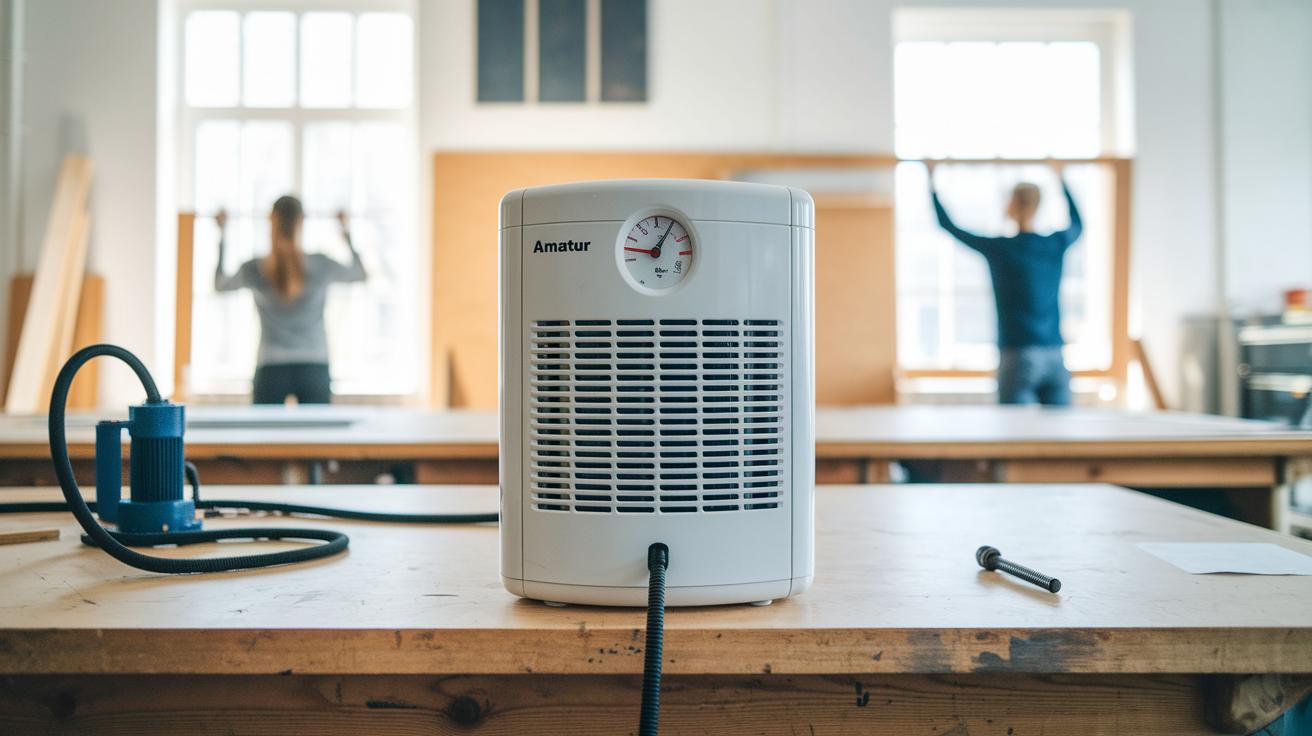
Place the dehumidifier in the center of your work area. This helps pull moisture from all sides evenly. Leave 12 to 18 inches of space around the unit so air can flow freely. Use a condensate pump or attach a gravity drain to remove water as soon as it collects. This step stops pooling water and reduces the risk of mold growth.
In areas like crawl spaces and attics, use hanging kits or vapor barriers to keep moisture away from nearby materials. Rely on a built-in humidistat or a digital hygrometer (tool that shows air moisture levels) to monitor the air. Check that the humidity stays between 30% and 50%.
Make sure to perform regular maintenance. Change filters as needed and clean the coils and housing each month. This helps you avoid any buildup that could lead to microbial growth. Always wear the recommended personal protective equipment for restoration work when setting up or servicing the unit. These careful installation and safety steps help control mold spore spread and keep your remediation job on track.
Routine Dehumidifier Maintenance and Cleaning to Stop Mold Recurrence
Replace or wash filters as the manufacturer recommends. For example, HEPA filters trap airborne spores and keep the airflow clean. Check and clean water reservoirs and drain trays once a week to remove any standing water that might help mold grow. Clean the coils and the housing every month using a gentle detergent, water, or EPA-approved cleaning agents. This keeps the inside surfaces clear and stops a buildup of mold-causing germs.
Regularly check the internal parts for any signs of mold or sticky residue. If you see any discoloration or buildup, scrub those areas well with a cleaning solution. Make sure to remove and let dry any moldy materials near the dehumidifier before you run it. Dispose of any contaminated debris properly to prevent mold from coming back.
Keep a simple log of your cleaning and maintenance routine. Regular upkeep not only makes your device last longer but also helps control moisture inside your home. Use a digital hygrometer (a tool that measures humidity) to check that your space stays in the right range to avoid mold growth.
Top Dehumidifier Models for Mold Remediation: Performance vs Price
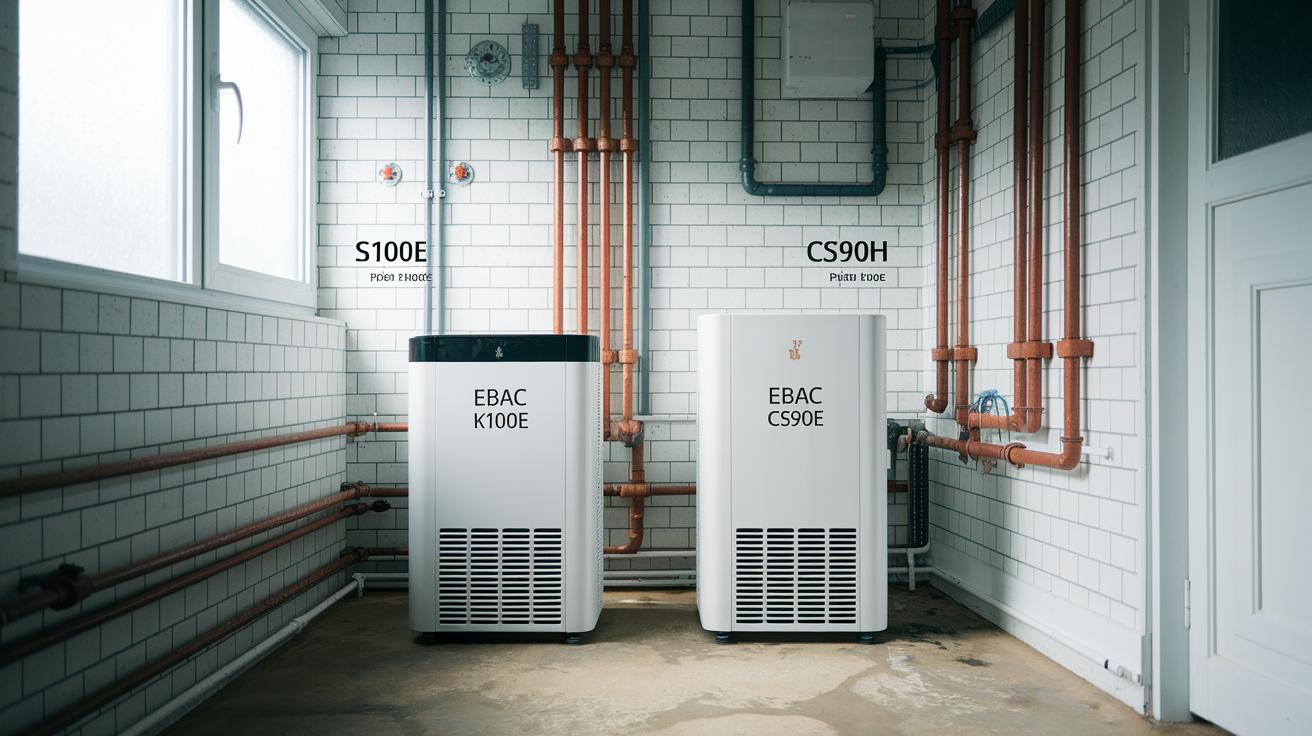
When choosing a dehumidifier to fight mold, it is important to match the unit’s power with the needs of your project. Each of these models brings its own strengths to the table.
The Ebac K100E pulls 97 pints of water per day while moving 700 cubic feet of air each minute. Weighing 116 pounds and costing about $3,503, it works well for mid-sized homes and small businesses that need fast, continuous drying.
The Ebac CS90H is built for smaller jobs. It removes 57 pints daily with 360 cubic feet of air flow and runs quietly at 57 decibels. At roughly 84 pounds and a price of around $2,254, this model handles localized mold issues without adding extra noise.
For tougher jobs and larger spaces, the Abatement AQUATRAP AT250RS LGR stands out. It removes 266 pints per day with 400 cubic feet of air flow and weighs 100 pounds. This heavy-duty machine is made for challenging mold situations.
The XPOWER series offers options for homes and professionals. The XD-125Li LGR takes out 125 pints each day and moves 420 cubic feet of air while weighing 88 pounds. Its reliable performance is ideal for
Final Words
In the action, our guide broke down how dehumidifiers lower moisture levels to stop mold from taking root. We explained unit choices, setup tips, and routine care to keep indoor air clear and limit extra damage. Step-by-step safety measures and regular cleaning ensure you prevent further issues while staying on top of insurance documentation. With the right tools and proper use of mold remediation dehumidifiers, you can move swiftly from crisis to recovery and enjoy a safer, healthier space.
FAQ
Mold remediation dehumidifiers reviews
Mold remediation dehumidifiers reviews help users understand performance, efficiency, and durability. Reviews offer insights into how well units lower humidity levels, which is crucial for slowing mold growth and protecting your indoor space.
What are the best mold remediation dehumidifiers or dehumidifiers for mold?
The best mold remediation dehumidifiers effectively lower moisture to inhibit mold growth. Top models often include advanced low-grain refrigerant (LGR) technology and ample airflow to quickly bring indoor humidity down to safe levels.
What is the typical price range for mold remediation dehumidifiers?
Mold remediation dehumidifiers price varies with capacity and features. Options range from a few hundred to several thousand dollars, depending on whether you need a portable model or a high-capacity unit for extensive mold prevention.
How are mold remediation dehumidifiers available at Home Depot?
Mold remediation dehumidifiers at Home Depot come in various sizes and capacities. They offer models suited for smaller areas or larger spaces, making it easier for homeowners to find equipment to match specific mold cleanup requirements.
What should be placed in a dehumidifier to prevent mold?
What to put in a dehumidifier to prevent mold centers on keeping it clean. Routine maintenance, including washing or replacing filters and sanitizing reservoirs, helps stop internal mold growth and ensures safe operation.
Is mold building up inside a dehumidifier dangerous?
Mold in a dehumidifier can be harmful as it may release spores into the air. Regular cleaning and proper maintenance are essential to prevent mold buildup that could impact your health and worsen indoor air quality.
Which is better for tackling mold: an air purifier or a dehumidifier?
Air purifiers capture airborne mold spores, while dehumidifiers lower humidity to prevent mold growth. Professionals often use both, as dehumidifiers stop mold at the source and air purifiers clean the air of remaining spores.
Will a dehumidifier eliminate mold on its own?
A dehumidifier alone will not eliminate mold but helps stop its spread by lowering humidity levels. Complete mold remediation usually requires cleaning and removal of existing mold, paired with moisture control.
What do professionals use when remediating mold?
Professionals use a mix of high-capacity dehumidifiers with LGR technology, air scrubbers with HEPA filters, and approved cleaning agents. This combination helps control moisture and remove mold safely from affected areas.
When should a dehumidifier not be used during mold remediation?
A dehumidifier should not be used if the area poses electrical hazards, structural risks, or if the space is already dry. Safety is prime; in such cases, focus on proper cleaning and stabilization before employing moisture control devices.