
Are you surprised by mold cleanup costs? I know many homeowners worry about steep bills when mold shows up. But when you understand the details, you can save money. In this post, we share real cost ranges. Small jobs might run about $500 while large projects can cost over $6,000. We also explain how things like the area size and hidden moisture add to the cost. Knowing these factors helps you take quick, smart steps to protect your home and budget.
Typical Mold Remediation Cost Breakdown
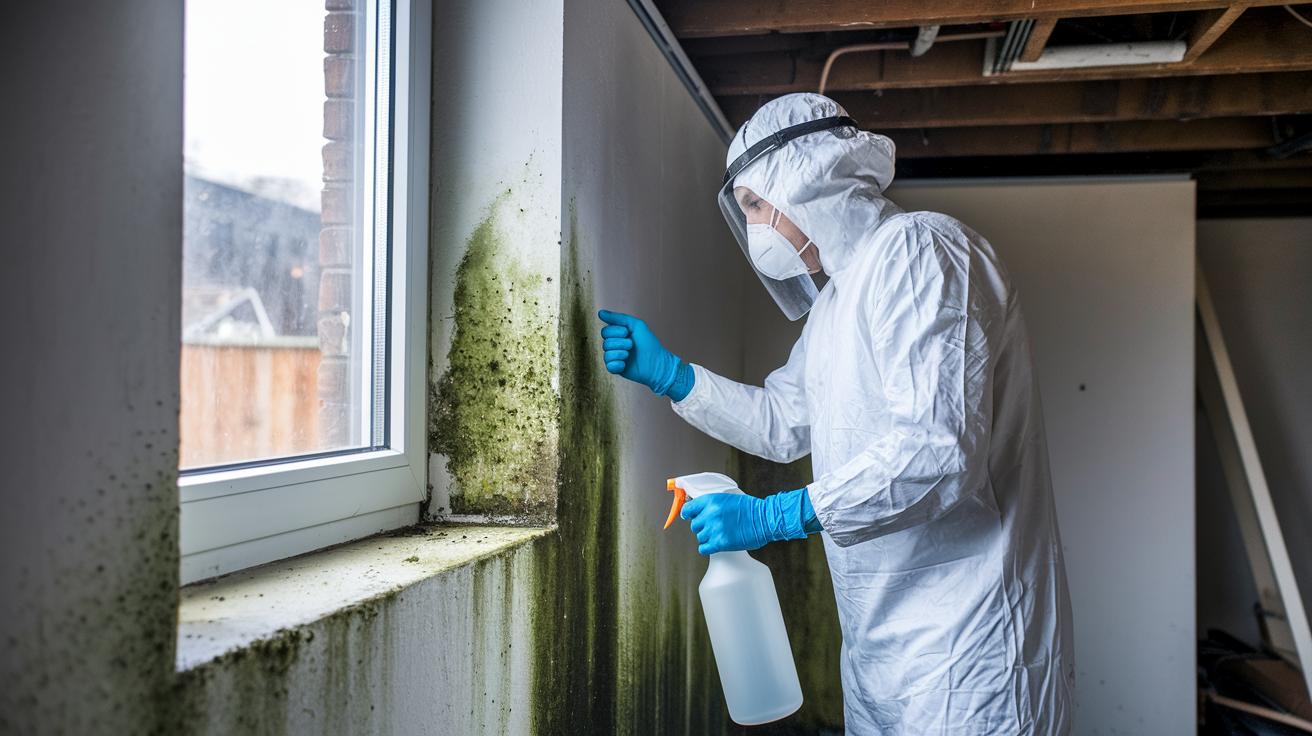
Mold cleanup prices can change a lot depending on how big the job is and how bad the mold is. On average, professional mold cleanup costs about $2,347. For a tiny project, you might pay around $500, but larger or more difficult jobs can cost over $6,000. The price depends on things like the area that needs attention and the type and location of the mold.
For homes, pricing is usually based on the square footage affected. You might see rates from $10 to $30 per square foot. For example, if you have an area of 150 square feet and the rate averages $15 per square foot, the total cost would be about $2,250.
For commercial spaces, the pricing works in a similar way. However, large areas or complicated conditions can make the cost go up. Most home projects finish in 1 to 5 days, with an average of 3 days. Sometimes, additional work like fixing structural damage or extra services can add time and expense. Inspections and testing, which help us know exactly what needs to be done, can add another $300 to $700 to the cost.
For instance, if you have a small area of 80 square feet, you might see prices between $500 and $1,000. This shows why taking action early is a smart move.
| Project Size | Typical Cost |
|---|---|
| Small: <100 sq ft | $500–$1,000 |
| Medium: 100–300 sq ft | $1,000–$3,000 |
| Large: >300 sq ft | $3,000–$6,000+ |
Mold Remediation Cost per Square Foot
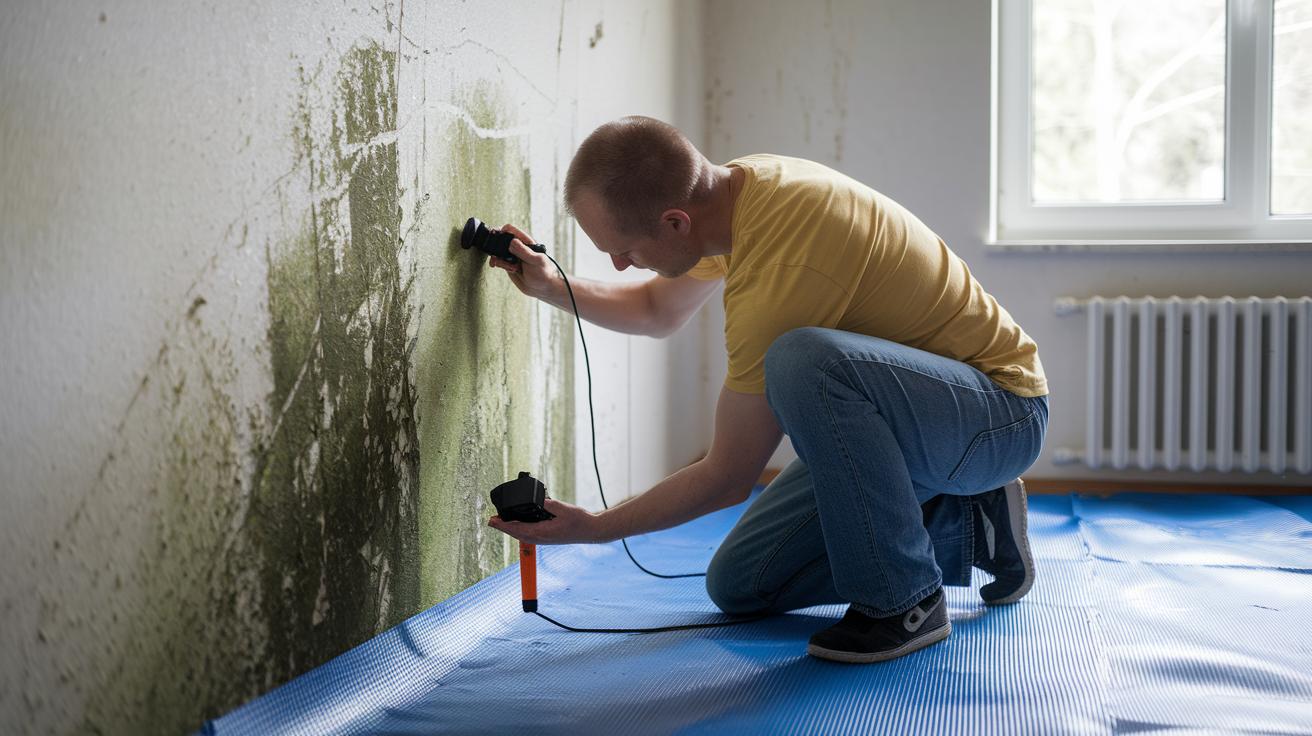
When we look at the size of an area, we can start estimating the cost. Experts usually charge between $10 and $30 per square foot. However, the price doesn't depend only on the size. Sometimes heavy mold or hidden moisture means we need extra steps like special cleaning and containment. For instance, a 150-square-foot area with heavy mold might cost around $25 per square foot because of the extra work and equipment needed.
Other things that can change the cost include:
- How much mold and moisture damage there is
- How hard it is to get to the affected area or if there is unseen structural damage
- The type of material involved, such as porous surfaces that need extra attention
- Local labor rates and cost differences
We see that bigger spaces don’t always mean a simple price increase. Larger areas may face tougher conditions that drive up costs. For example, a 400-square-foot area in an older home might average about $20 per square foot if a lot of remedial work is needed. The best way to get an accurate price is to have a certified professional assess the situation.
Key Factors Influencing Mold Remediation Costs

Mold cleanup costs depend on several things that add up to the final price. The main factor is the size of the affected area. A larger area means more cleaning, extra labor, and more supplies. For example, a patch with 6 inches of mold buildup may need extra treatment.
Another factor is the type of mold. Some molds are harmful, like Stachybotrys, which require special removal methods and extra safety steps. This can mean additional containment and air filtering measures.
How easy it is to access the mold matters too. Areas like attics, HVAC systems, or crawlspaces may need special tools or modifications for safe cleaning. One technician noted, "We needed a lift to safely reach mold in a cramped attic."
Water damage can also increase the cost, as it might damage walls, insulation, or pipes. One technician mentioned, "We had to replace damaged insulation because of ongoing moisture."
Inspection and testing fees also add to the price, usually ranging from $300 to $700. Extra services such as cleaning air ducts or testing air quality after the cleanup can further affect the final cost.
| Factor | Impact |
|---|---|
| Size of the affected area | More area means more cleaning and supplies |
| Type of mold | Toxic molds require special methods and extra safety |
| Access to the mold | Hard-to-reach locations may need special tools |
| Water damage | Can lead to extra repairs like replacing drywall or insulation |
| Inspection and testing fees | Usually cost between $300 and $700 |
Every mold cleanup project is unique. These factors combine differently in each case to set the final cost and schedule for safe mold removal.
Regional and Local Variations in Mold Remediation Pricing

The national average for mold cleanup runs between $10 and $30 per square foot. Local factors can change these numbers. Here are some important points to consider:
- Labor markets: In places where wages are lower, prices can drop to about $8 per square foot. In busy, high-cost areas, the price might be higher.
- State rules: Stricter building codes often mean more materials and extra steps, which can increase the cost.
- Insurance: Areas with better insurance coverage may help lower your out-of-pocket expenses.
These details show that while the general cost range holds true for the country, local labor, rules, and insurance play a big role in what you ultimately pay.
Professional vs. DIY Mold Remediation Cost Comparison

When dealing with mold, your costs can vary a lot based on whether you hire a professional or decide to do it yourself. A full-service clean by an expert averages around $2,347. This price covers the cleaning, safety measures, containment, and testing afterward to make sure the mold is completely removed. Experts follow safe, standard protocols that help lower health risks and stop the mold from coming back.
For very small mold problems (less than 10 square feet), a DIY approach might seem appealing. Homeowners who choose to do it themselves usually spend between $50 and $300 on cleaning agents, HEPA vacuums (vacuum with a high efficiency air filter), and other supplies. For example, if you have a small mold patch on your bathroom tiles, a DIY solution might work for a short time. Just be sure to check back to see if the mold returns.
Remember, DIY is safest only for non-toxic mold in spots that are easy to reach. If the mold is toxic or hidden in a damp area, trying to handle it yourself might not remove it properly. This can end up costing you more if you later need professional help.
Key comparisons include:
| Method | Cost Range | Best For |
|---|---|---|
| Professional | $2,347 | Thorough cleaning with safety checks |
| DIY | $50-$300 | Minor, non-toxic mold spots |
For more details on the differences between these methods, check out the diy mold remediation guide.
Insurance Coverage & Budgeting Guidance for Mold Remediation

Insurance can be tricky when it comes to mold cleanup. If a burst pipe or a sudden event causes mold, your insurance will likely cover it. But if the mold comes from long-term leaks or poor upkeep, it usually isn't covered. It's important to review your policy and talk to your insurer before you start any work. Mold inspection and testing, which cost between $300 and $700, often need your insurer's approval first. Repairs like fixing drywall or replacing insulation due to water damage might also require proper documentation.
Planning your budget is essential. Combining mold removal with water-damage repairs may help your claim go through and lower your out-of-pocket expenses. When figuring out your budget, include every possible fee: inspection tests, cleaning services, and even extra measures if the mold is hard to reach. Keeping clear records, photos, and written estimates will help make the claim process smoother. One technician once said, "Document every step and cost to help your insurer understand the full scope of work."
Key steps to follow:
- Take clear photos and write down notes about the damage.
- Collect all repair and service estimates.
- Submit the inspection and testing reports as your insurer requires.
For more details on claim timelines and documentation, check out this guide: how long do insurance claims take. Preparing carefully can help ensure that your mold removal project stays within budget and meets all your insurance requirements.
Actionable Tips to Reduce Mold Remediation Costs

Start by catching mold early. If you see damp spots or notice a sour, musty smell, act now. Early detection helps keep repairs smaller and less expensive.
Next, walk through your home and look for sources of moisture like leaks or broken vents. Fixing these problems as soon as they appear stops mold from growing and lowers cleanup costs. One homeowner fixed a slow leak under the sink right away and avoided big cleaning bills.
Keep a written record of any damage and note down measurements. This makes it easier to use an online cost estimator for mold cleanup and compare prices.
Finally, ask for at least three quotes from certified mold professionals. Many companies offer savings if you combine an inspection with the cleanup. Getting several estimates helps you choose the best value.
- Spot mold early to prevent larger problems.
- Check for leaks and other moisture issues.
- Record damage details and use online tools to budget.
- Compare multiple quotes and consider bundled services.
Frequently Asked Questions on Mold Remediation Cost

How do regional differences affect pricing?
Local costs vary widely. In some areas, higher wages and material prices can push up the total expense by as much as 20%. This means that one area may cost significantly more than another because of local economic factors.
What financing options exist?
Many companies offer flexible payment plans to ease the burden. Some even work with your insurance to cover part of the cost. For example, you might have the option to pay in three smaller installments, making it easier on your budget.
What do hidden fees typically include?
Hidden fees cover extra services not mentioned in your initial quote. These might include removing debris, cleaning personal belongings, and additional air quality tests to make sure all mold is removed. Such fees can add another 10-15% to the overall cost.
- Local pricing can vary due to differences in labor and materials.
- Flexible financing options help manage upfront costs.
- Extra fees often cover debris removal, personal contents cleaning, and further air quality testing.
Final Words
In the action, we’ve broken down mold remediation cost factors and provided clear pricing examples. We reviewed cost ranges by project size, explained per-square-foot charges, and shared tips to save on expenses. We also explored how insurance can help alleviate costs. Every step was explained in simple terms so homeowners can feel confident during a crisis.
Remember, understanding mold remediation cost details helps you plan and act quickly. The right decisions now bring a safer, restored space sooner.
FAQ
What does mold remediation cost per square foot mean?
The cost per square foot for mold remediation typically ranges from $10 to $30. Larger areas, especially those over 300 square feet, usually push costs toward the higher end.
Who pays for mold remediation?
The responsibility for paying often falls on the homeowner unless the damage results from a sudden event covered by insurance. Always check your policy details to confirm coverage.
How do online mold remediation cost calculators and free estimates work?
Online calculators and free estimates quickly gauge pricing by using details like area size and project scope. They offer a rough idea to help you budget and compare local service providers.
What is the cost of a full mold remediation or professional mold treatment?
A full mold remediation typically averages around $2,347. Costs start near $500 for small jobs but can exceed $6,000 for larger, more complex projects, depending on area and damage.
What should you do if you can’t afford mold remediation?
When costs are challenging, explore insurance options, request multiple quotes, and ask about financing plans from remediation companies. Early intervention may also help minimize overall damage and cost.
Can mold be completely removed from a house?
Mold can be effectively removed and risk minimized with proper treatment. While it is hard to eliminate every spore, professional remediation focuses on long-term control and prevention of regrowth.
How do costs vary for remediation in bathrooms, attics, basements, and services like ServPro?
Costs vary by location within the home. Bathrooms, attics, and basements have unique challenges, and companies like ServPro follow industry-standard guidelines to ensure complete and safe remediation.
What is a mold remediation hotline?
A mold remediation hotline offers immediate access to experts who can provide advice, schedule inspections, and respond quickly during urgent mold issues, guiding you to prompt and effective help.
How can you secure affordable mold remediation?
Affordable remediation involves early detection, addressing sources of moisture, obtaining multiple estimates, and sometimes bundling services like inspection and remediation to secure package discounts.