
Have you ever thought about how the right cleaning chemicals could renew your home? When mold appears, it isn't just an eyesore, it can also affect your family's comfort and safety. Using effective mold treatments removes the harmful growth and stops it from returning.
In this article, we focus on trusted solutions like quats (quaternary ammonium compounds, which are chemicals that kill mold) and natural essential-oil blends. These treatments clean, disinfect, and halt mold quickly. Learn how they can refresh your home and help keep your loved ones safe.
Essential Mold Remediation Chemicals: An In-Depth Overview

First, we need to assess the mold problem by checking how widespread it is and which materials are affected. For example, a technician might say, "I found mold colonies on a damp kitchen wall." This detailed look helps us choose the right chemicals for the job.
The chemicals we use do two important things. They remove the mold that has already grown and they help stop it from coming back. One common chemical type is quats (quaternary ammonium compounds, which are trusted for killing mold). These have been used safely for many years in many different formulas.
There are also natural options like essential-oil blends. These not only fight the current mold but also help keep new mold from growing. They work by cleaning, disinfecting, and stopping mold in one easy step.
We always follow strict industry standards and manufacturer instructions. This careful approach makes sure our treatment is safe, effective, and meets all rules. It also means your home is better protected for the long run.
Criteria for Selecting the Right Mold Remediation Chemicals
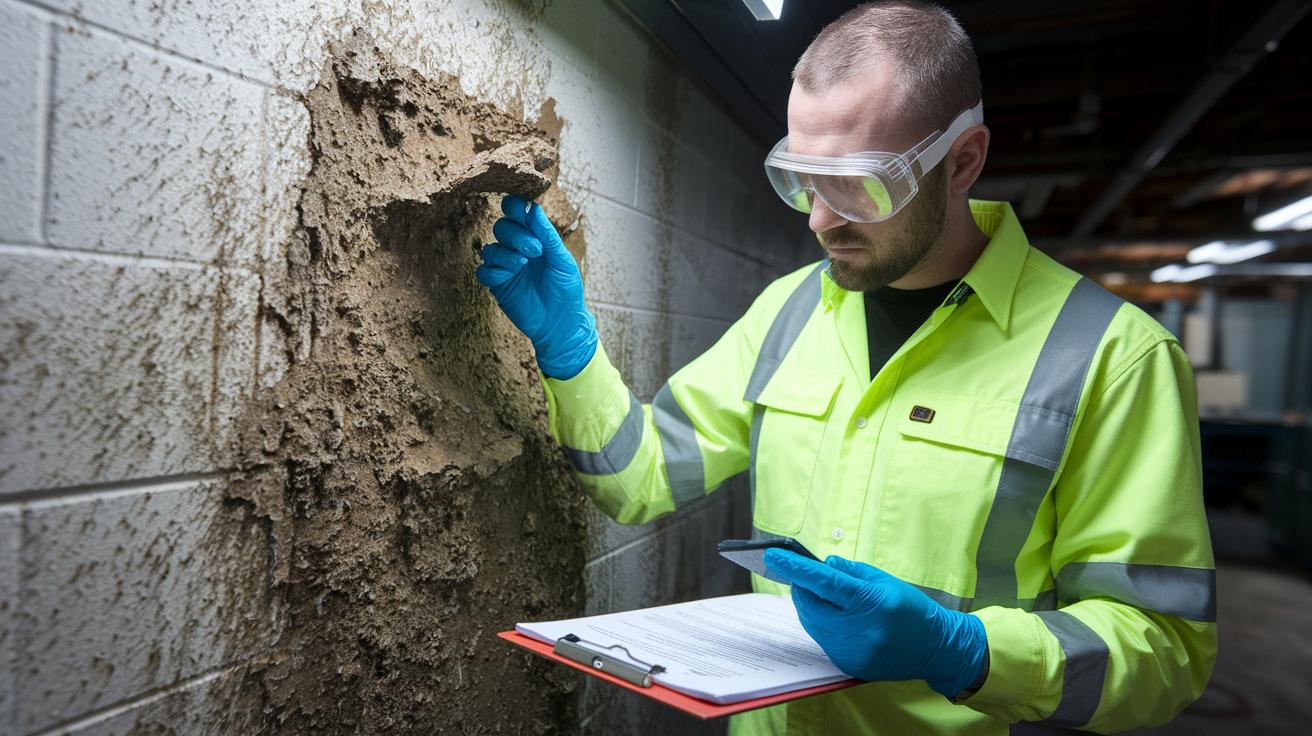
Choosing the right chemical treatment for mold control is a careful process guided by ANSI standards. These guidelines explain the work needed and list the approved chemicals for different mold types and surfaces. Experts start by checking the manufacturer Safety Data Sheets (SDS) to learn about toxicity levels, VOC (volatile organic compounds, which can affect air quality) content, and environmental impact. For example, one technician said, "We chose a low-VOC spray to protect indoor air quality," which helps keep residents safe.
We prefer products that work in several ways. These multi-role formulations act as an antimicrobial, fungicide, and disinfectant all at once. This method cuts down on steps and minimizes handling multiple chemicals, making the work safer and more efficient. We also use eco-friendly mold inhibitors when indoor air quality is a top concern.
Key steps include:
- Reviewing the SDS to understand application rates, required dwell times, and necessary personal protective equipment (PPE).
- Writing clear guidelines so every team member follows the same safety measures.
- Considering industrial mold neutralizers for situations that need strong chemical action while keeping resident health in mind.
By focusing on performance, safety, and regulatory details, experts can confidently choose the right chemical for each remediation job. It is important to check the work area regularly and adjust the chemical use as needed to maintain a safe and healthy environment.
Detailed Comparison of Top Mold Remediation Chemical Products

We take a close look at a range of chemicals that help with mold cleanup. Each option is chosen based on where it works best and where it might fall short. For example, one technician explained, "We use quats (quaternary ammonium compounds) for quick action on many surfaces." This shows that these products are effective at cleaning areas and killing mold colonies.
Below is a table that outlines four main chemical types often used in mold remediation:
| Chemical Category | Uses | Strengths | Limitations | Ideal Application Context |
|---|---|---|---|---|
| Quaternary Ammonium Compounds | Removes active mold and sanitizes surfaces | Years of proven results with broad mold-killing action | May leave a residue if not rinsed thoroughly | High-use commercial settings and severe mold cases |
| Essential Oil-Based Formulas | Provides natural mold inhibition and cleans surfaces | Eco-friendly and low-toxicity; uses natural oils like thyme oil | Less effective for heavy mold infestations | Residential use and light to moderate mold problems |
| Disinfectant-Cleaner Blends | Cleans and kills mold in one application | Simplifies the process with combined cleaning and mold-killing | May not offer long-lasting mold control | Routine maintenance and quick cleanup scenarios |
| Combined Antimicrobial-Fungicide Concentrates | Removes mold and helps prevent its return | Offers dual-action benefits that can save time | Requires precise application and strict safety protocols | Professional jobs needing deep cleaning and lasting control |
The best product to use depends on the type of mold, the area affected, and your cleanup goals. Quick-acting spore eliminators like quats are often used for serious cases, while a gentler mold solvent might be chosen for home projects. One technician noted, "Using combined antimicrobial-fungicide concentrates has cut our cleanup time in half," stressing how the right product can boost both efficiency and safety on the job.
Mold Remediation Chemicals: Enhance Home Vitality

We begin by inspecting the affected areas to see how far the mold has spread. We check every surface and note where mold is growing.
Next, we set up containment zones to keep mold spores from moving into other parts of your home. This helps protect your space while we work.
Then, we start a pre-cleaning stage by removing loose debris. This step prepares the surfaces for the chemical treatment that follows.
After that, we apply cleaning chemicals with either a spray or foaming tool. We follow the manufacturer's instructions carefully and let the chemicals sit for the recommended time. During this period, we agitate the area so the solution can soak deeply into porous materials.
Once the chemical treatment is complete, we rinse the surfaces to wash away any remaining chemicals and reduce exposure risks.
We then dry the area using fans or dehumidifiers to stop any chance of moisture leading to more mold growth. Dry conditions are key to keeping your home safe.
Finally, we conduct post-testing to ensure the mold spore levels are within safe limits before the space is reoccupied. We record every step of our process to meet ANSI standards and for future quality checks.
Safety Measures and Regulatory Compliance for Mold Remediation Chemicals

Every project begins with a close look at the Safety Data Sheets (SDS) and a job-specific safety plan. This plan tells every team member about the chemical dangers and the safety gear needed, like respirators, gloves, goggles, and coveralls. For example, a technician might say, "Put on your safety gear before handling any mold chemicals," to stress OSHA safety rules.
We stick to strict guidelines for using these chemicals. ANSI standards (set guidelines for safety) help us set up safe work areas and prevent the spread of mold. We also carry out regular air checks to keep mold spores from drifting into other areas during cleanup.
We also handle waste the right way. Contaminated waste is clearly labeled, sealed, and taken to a licensed facility for proper disposal. This process meets environmental rules and OSHA guidelines while using non-toxic antifungal options. Every step, from the SDS review to waste disposal, is meant to protect both homeowners and our cleanup teams.
Environmental and Health Impacts of Mold Remediation Chemicals
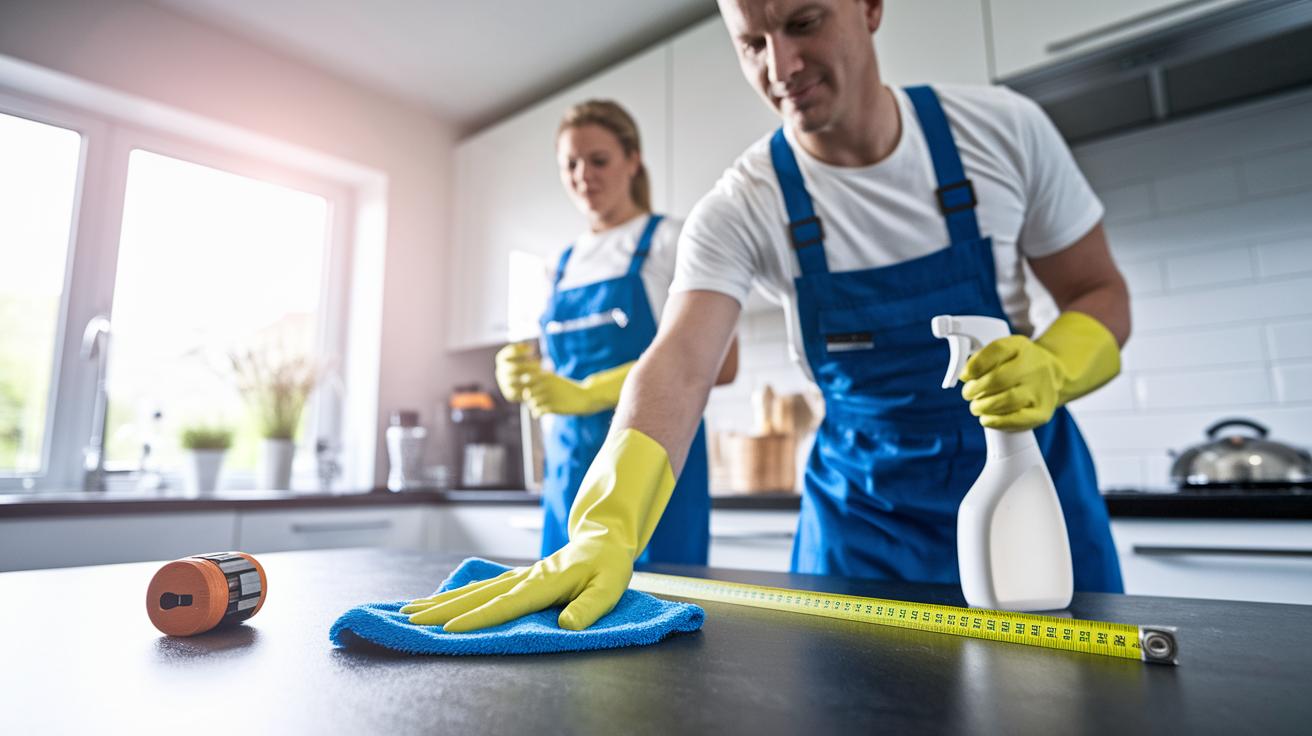
When we use mold cleanup chemicals, we think about both the environment and the health of those living inside. Chemicals like quaternary ammonium compounds (quats) work well but may leave a film on surfaces if they are not rinsed off properly. One technician mentioned, "I always double-check the rinsing process to reduce residue." This careful step helps keep your home cleaner and safer.
Low-VOC cleaning sprays help make indoor air quality better by reducing the chance of harmful chemicals being released. Cleanup teams often choose these sprays to maintain a fresher space during and after treatment. Greener products, such as eco-friendly mold inhibitors, have lower toxicity. This is especially important in homes where children or sensitive individuals are more at risk from chemical exposure.
Sustainable cleanup practices use biodegradable formulas that break down naturally. This means we neutralize leftover solutions and rinse our equipment according to local hazardous-waste guidelines. Following these proper disposal steps protects the environment and improves your indoor air quality.
We also make sure to use child-safe antimicrobial treatments so that your family's health remains our top priority throughout the mold cleanup process.
Purchasing Options and Cost Considerations for Mold Remediation Chemicals

If you need strong chemicals for mold cleanup, start by buying from certified wholesalers or specialized restoration distributors. These suppliers offer products that are approved by ANSI (the organization that sets quality standards) and meet strict quality checks. Many professionals choose these sources to get trusted multi-surface anti-fungal liquids and mildew sprays for larger jobs. Buying in bulk helps reduce the cost per unit, making it a smart choice for big projects. For smaller tasks or emergency fixes, pre-measured sprays can be a more cost-effective option.
DIY kits and eco-friendly formulas are also available online and at major home improvement stores. Homeowners and small contractors often pick these out because they are safe for home use and very convenient. When you choose a product, be sure to check for proper certification and look at the batch labels for expiration dates and manufacturing details. This step ensures your product is genuine and safe to use. Always follow the manufacturer’s instructions to keep safety first and get the best results when removing mold. Choose the option that suits your needs and budget to help restore your home efficiently.
Innovations and Future of Mold Remediation Chemicals

Researchers are making big strides with mold remediation chemicals. Scientists are now developing new compounds that act at a tiny, molecular level. These bio-engineered spore inhibitors target mold cells directly, which means treatments can work faster and more effectively. Teams are also working on mold neutralizers that use low-VOC formulas (which means fewer harmful chemicals) to kill mold quickly and keep it away longer.
New microbial barrier agents are being refined to last longer and keep both homes and businesses safe. One exciting advance is the use of precision delivery systems like electrostatic spraying. This method helps chemicals cover surfaces evenly, reducing waste and ensuring a complete application.
These improvements build on basic chemistry ideas to offer solutions that are easier to use and kinder to our environment. By adding bioactive chemical control for mold into everyday practices, service calls can be reduced and results become more dependable. In short, these developments point to a future where mold remediation is safer, more efficient, and more sustainable for everyone.
Final Words
In the action, we reviewed how each step, from initial assessment to complete clearance testing, ensures mold is effectively targeted. We detailed the essential functions of decontaminants, compared top product classes, and stressed the importance of safety measures and regulatory compliance.
The focus on mold remediation chemicals guides you through selecting effective, low-VOC options that protect your home and health. Every step builds towards a safer, fully restored property. Stay proactive for a secure, positive tomorrow.
FAQ
What kills mold permanently?
The process to kill mold permanently involves using chemicals that remove active colonies while inhibiting future growth, such as quaternary ammonium compounds combined with antimicrobial agents when applied according to manufacturer directions.
What chemical is used in mold remediation?
The chemical used in mold remediation often includes quaternary ammonium compounds (quats) or essential oil blends that both eliminate mold and prevent its regrowth by combining disinfectant and fungicidal properties.
What do professionals use for mold remediation?
Professionals typically use advanced formulations like Concrobium Mold Control, RMR-86 products, or similar quats, which offer both cleaning and long-term inhibition of mold when applied following strict safety standards.
What is the best chemical to use to get rid of mold?
The best chemical for mold removal depends on the situation; options include quats for durable performance and low-toxicity eco-friendly formulas for sensitive areas, ensuring both mold elimination and air quality safety.
Do DIY mold remediation chemicals work?
DIY mold remediation chemicals can remove light mold stains effectively, but for extensive issues, professional-grade solutions offer more robust removal and long-term mold inhibition.
How do Japanese bathrooms not get mold?
Japanese bathrooms avoid mold buildup by using efficient ventilation, regular cleaning routines, and prophylactic mold inhibitors that lower moisture levels and discourage mold growth.
What mold killer spray works on walls?
Mold killer sprays formulated for walls combine cleaning and anti-mold chemicals to eliminate surface mold while preventing recurrence, ensuring the walls remain free of mold and mildew.