
Have you ever thought about how a clear safety check can transform your restoration work? This easy process breaks down tough tasks into simple steps. It helps you spot risks like wet floors or loose wiring before they become a problem. When your crew follows these steps, they work with more confidence and stay safe. Safety is more than just checking boxes. It is the heart of a strong and secure repair job.
job safety analysis for restoration work elevates confidence
Job safety analysis is a step-by-step process that builds our confidence by breaking down restoration work into clear, simple tasks. We start by listing every action in the process, from removing water to clearing out debris, and then we look for any dangers linked to each step. This four-step approach makes sure we miss no detail.
We first divide each job into its basic parts. For example, when taking water out of a damaged room, we examine every move from start to finish. At that point, hazards like wet, slippery floors, toxic mold, or unstable electrical systems are quickly spotted to help avoid danger. Next, we set up safety measures such as barriers, proper protective gear, and plans for using emergency tools. Each safety step is checked and repeated when needed so no risk goes unnoticed.
We also keep an eye on our safety measures to confirm they work well. In fields like oil and gas, experts use special job safety analysis steps; in our work, we use similar ideas to handle risks like cross-contamination or exposure to harmful materials.
Steps in the job safety analysis process include:
- Breaking down tasks into clear steps.
- Spotting hazards immediately as we work.
- Creating measures that prevent risks.
- Checking our controls to make sure they work.
This organized method not only raises confidence on the job site but also keeps our team safe and ready to handle any new hazards that come up.
Identifying Hazards in Restoration Work Environments
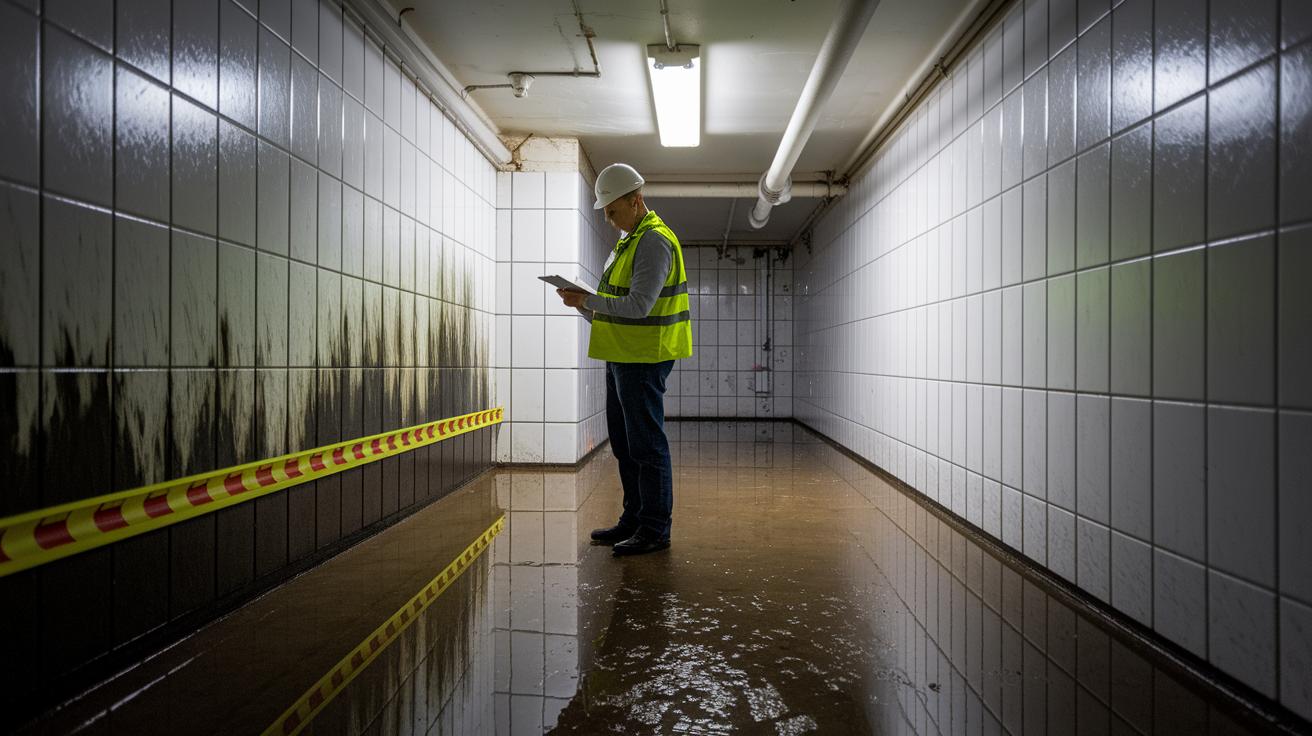
Before work begins, we conduct a careful safety check. Our team walks the site and takes detailed pictures and notes about things like moisture buildup that might lead to toxic molds and bacteria.
Some hazards we commonly find include:
- Toxic molds and bacteria: You might notice a sour, damp smell or dark spots behind walls.
- Asbestos: We test for it since demolition may release tiny fibers.
- Cross-contamination: We set up barriers to keep harmful substances contained.
We use clear photos and detailed notes early on to spot these issues. For example, pictures showing 6 inches of standing water during extraction help us pinpoint areas likely to grow microbes.
Every risk we identify is added to our safety plan so every team member knows exactly what steps to take.
Risk Assessment and Mitigation Strategies for Restoration Work
We look at every restoration job carefully to find any hazards that could affect safety or work. We use sensor data to help us see problems clearly. For instance, one sensor picked up a sudden rise in moisture, which led us to inspect the area right away. This detailed method helps us cut down on surprises and keeps everyone safe.
We use special tools to handle risks more precisely. Instead of just relying on basic protective gear and barriers, we add advanced extraction systems, real-time monitors, and automatic containment measures. For example, a system that adjusts airflow based on sensor readings lets us respond to water damage faster and more accurately.
Risk Validation and Proactive Monitoring
We now check our systems constantly to ensure they work as they should. We track sensor data with a live dashboard so we can spot any drops in performance and make quick adjustments. When a dip was seen in a barrier's strength, our team recalibrated it immediately. This ongoing check helps us keep safety protocols strong and our risk management effective.
Key steps for effective risk mitigation:
- Break down each task using both a visual check and sensor data.
- Use advanced controls like automatic extraction systems and real-time monitors.
- Keep validating each control with data to ensure optimal performance.
Regulatory Compliance in Restoration Job Safety Analysis
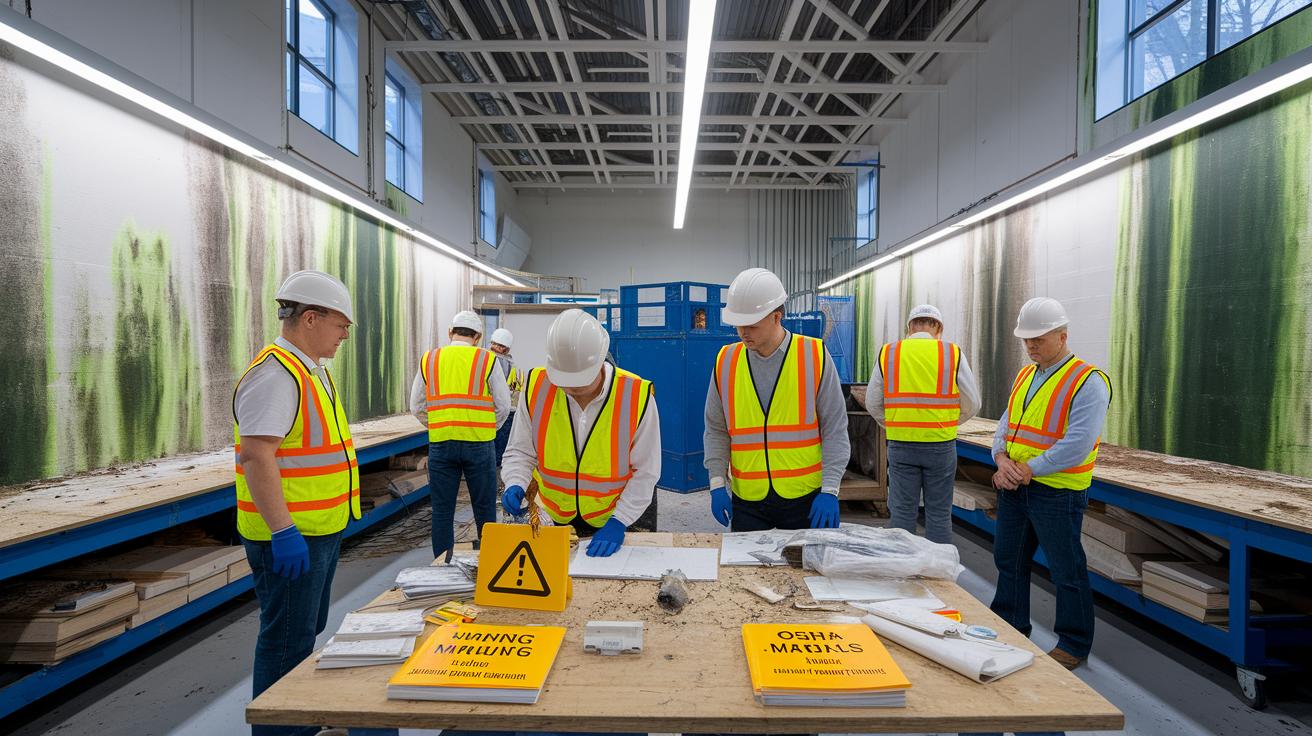
Restoration work must follow clear rules to keep everyone safe. OSHA (the Occupational Safety and Health Administration) sets the basic guidelines, but restoration projects often add extra risks like toxic mold and asbestos. That means companies need to have up-to-date licenses, proper certifications, and complete extra training to cover both common safety steps and the unique dangers of restoration work.
Certification shows that a company knows the risks and is ready to work safely. This is not just a rule to follow, but also a promise to maintain high rebuilding standards and take responsibility for the work. Regular training and recertification help teams handle hazards confidently and keep job site risks low.
Events such as the RIA Convention & Expo and The Experience Convention and Trade Show on April 27, 2026, provide a great chance for professionals to learn the latest safety practices, updates in regulatory rules, and new hazards in building recovery. By keeping certifications current and learning from these events, restoration experts make sure their safety checks are strong and meet all required rules and building standards.
Designing JSA Forms and Checklists for Restoration Projects
Using both digital and paper forms makes tracking safety steps easy. We rely on one clear JSA form to record each step, which helps avoid confusion and ensures nothing is overlooked. We follow a six-step plan: first, list the job actions; next, note any hazards as soon as you see them; then, assess the risk of each hazard so we know which safety measures to use; after that, choose controls like barriers or protective gear; document all findings; and finally, review the process for any gaps. This method makes sure every potential danger is addressed.
Core Elements of a Restoration JSA Form
A strong JSA form includes basic details like the job title, location, and a clear description of the tasks. It also uses simple logic so that extra sections appear only when specific hazards come up. For example, if asbestos is found, the form prompts for extra details on testing methods. It also has a built-in approval step, requiring a supervisor to sign off. This extra check helps confirm that all risks are properly noted and handled.
Sample Field Inspection Checklist
- Check the work area visually.
- Look for signs of water damage or mold.
- Note any traces of asbestos or toxic materials.
- Ensure containment barriers are set up.
- Verify that personal protective equipment is in use.
- Write down any unusual hazards and notify your supervisor immediately.
Using these forms and checklists creates a reliable, repeatable system for job safety. It makes sure each inspection is thorough and that all necessary safety actions are taken to protect everyone involved.
Training, Certification, and Best Practices for Restoration JSA

We make sure our teams have the right background by offering targeted training sessions that focus on risk evaluation and compliance. Our staff uses simple EHS management tools to handle audits, incidents, and ongoing training. This way, everyone stays informed when they work with hazardous conditions.
We run simulation drills and expert-led workshops to ensure proper use of protective gear and correct responses to unexpected hazards. For example, a drill might have a technician practice safely isolating a contaminated area before starting water extraction work.
We offer certification programs designed for restoration work. Our staff must complete courses that explain both the technical aspects of job safety analysis and the practical use of safety controls. Digital resources, such as downloadable eBooks, support ongoing learning and keep our teams up to date with the latest techniques and rules.
Our approach builds both competence and confidence. We standardize training practices and update certifications often to keep our teams ready for any situation. This ongoing education helps reduce risks on job sites while ensuring every step in the job safety analysis is done safely and correctly.
Leveraging Technology for Job Safety Analysis in Restoration Work
Technology is changing the way we do job safety analysis for restoration work. We use smart tools like AI and easy-to-use mobile form apps to speed up inspections and lower costs. A technician fills out a digital form that automatically spots hazards, making sure nothing is missed.
Our software has tools for audits, incident reports, compliance tracking, and training records. These real-time updates let us keep an eye on safety as work goes on. Picture a dashboard that shows a new hazard right away so our team can quickly adjust on the job site.
These digital tools help us show a clear return on investment. For example, if a digital form saves 15 minutes during an inspection (with a labor cost of $50 per hour), every minute saved adds up. This method improves safety planning and builds a strong case for using new technology in property projects.
By adding these systems to our emergency protocols for reconstruction, we record every step and keep track of the process. This preventive planning makes sure our teams stay safe, informed, and ready for even the toughest restoration jobs.
Final Words
in the action, this post breaks down a structured approach to safety in restoration work. We reviewed how to assess hazards, evaluate risks, and design clear checklists for each task. We also addressed regulatory standards and the benefits of using modern tools, all designed to keep work safe and efficient. Applying job safety analysis for restoration work ensures everyone on site is protected while limiting unnecessary costs. Following these steps helps secure a smoother, safer restoration process and supports a positive recovery outcome.
FAQ
What does a risk assessment in a safety PDF include?
A risk assessment in a safety PDF includes clear guidelines and step-by-step procedures to evaluate hazards in restoration work, determine risks, and outline effective prevention measures.
How does a chemical job hazard analysis work?
A chemical job hazard analysis works by identifying toxic substances and chemical risks, evaluating potential exposures, and recommending control measures like proper PPE and containment practices.
How do you identify hazard control options in a job hazard analysis?
Identifying hazard control options in a job hazard analysis involves assessing each task step to pinpoint dangers and select preventive measures such as engineering controls, safe work practices, and appropriate protective equipment.
What fall hazards exist in the workplace and how can they be prevented?
Fall hazards in the workplace include slippery surfaces, uneven floors, and unsecured ladders. Preventive measures include regular inspections, proper training, and the use of guardrails and non-slip materials.
What can we learn from workplace fall injury statistics?
Workplace fall injury statistics provide data on the frequency and severity of falls, helping to pinpoint high-risk areas and guide the development of targeted strategies to improve fall prevention and overall safety.
What hazards are associated with each step of a job safety analysis?
Hazards associated with each step of a job safety analysis are specific to the task being performed; this approach ensures that every phase—from task breakdown to control evaluation—includes measures to limit potential risks.
What should be included in a job safety analysis?
A job safety analysis should include a detailed task breakdown, clear hazard identification, a thorough risk assessment, specific control measures, and complete documentation to guide safe work practices.
What are the main steps in a job safety or hazard analysis?
A job safety or hazard analysis generally follows steps like task breakdown, hazard identification, risk evaluation, and implementation of control measures, with some processes extending to eight steps depending on job complexity.