
Have you ever wondered how water extraction stops hidden moisture before it turns into a bigger problem? Water extraction is more than just cleaning up a spill. It is a step-by-step process that pulls out both the visible water and the water hidden in walls and under floors. Think of it like squeezing a wet sponge to get all the water out. This method controls the moisture and helps prevent mold from growing. Let's take a closer look at how this works and why every minute counts.
Core Principles of the Water Extraction Process
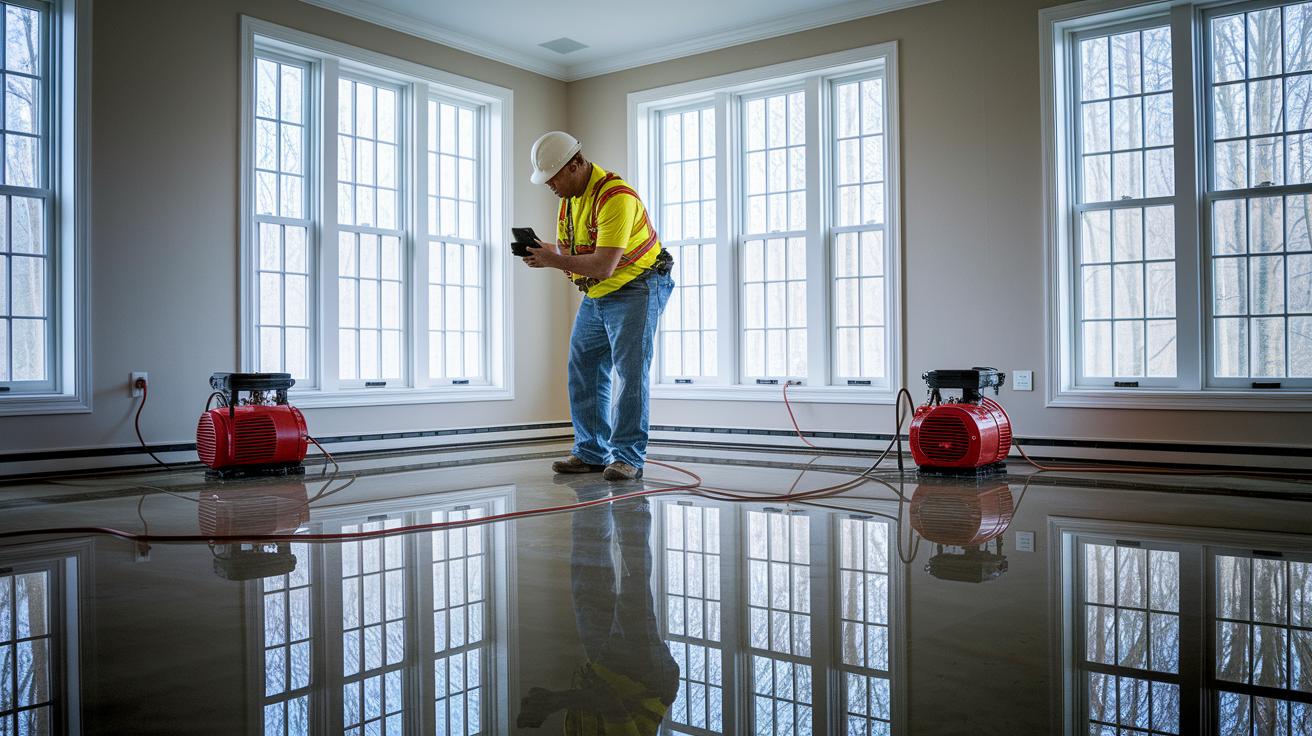
Water extraction removes both visible water and hidden moisture to keep your home safe and mold-free. It is more than simply cleaning up a spill. We work methodically to dry every part of the area, protecting your home from long-term damage. Think of it like quickly drying a spill that soaks into your floor and seeps into the walls; our goal is to stop the damage before it spreads.
Our process uses clear, step-by-step methods to remove water. Our team uses special tools to take out pools of water and to dry damp spots behind baseboards and under carpets. It's similar to squeezing a wet sponge: first, we remove the bulk of the water, and then we let air circulation finish the job. This approach ensures no hidden moisture is left behind.
Quick professional help is key because every minute counts. By addressing both the visible water and the moisture you might not see, we help prevent expensive repairs and long-term issues. This thorough method is our best defense against water-related damage, protecting your home and your health.
Step-by-Step Breakdown of the Water Extraction Methodology
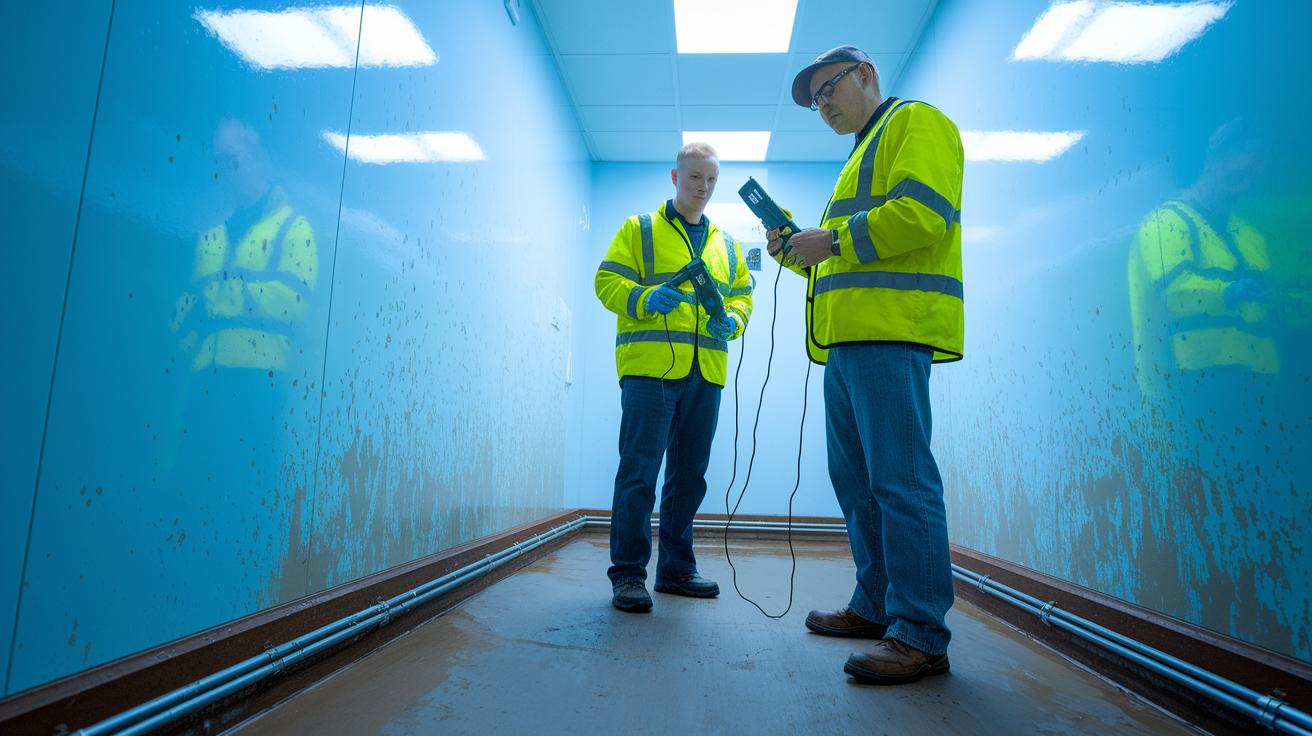
Water extraction is a methodical process that removes both visible water and hidden moisture. Below are the steps our certified technicians follow to control dampness and protect your property.
-
Damage assessment and moisture mapping. First, we inspect the area and identify spots that show signs of water damage. Our technicians use moisture meters (tools that measure dampness) to create a detailed reading. For instance, one technician might record extra moisture near the baseboards to ensure even hidden areas are noted.
-
Bulk water removal with pumps and extractors. Next, we use strong pumps and extractors to remove most of the standing water quickly. This step is similar to emptying a soaked sponge, stopping further saturation of building materials.
-
Targeted extraction with high-vacuum systems. After most water is gone, we use high-vacuum equipment to reach water trapped deep in carpets, under floor coverings, and within walls. This makes sure every hidden pocket of water is removed.
-
Structural drying with air movers and heat. Then, we apply air movers and controlled heat to circulate warm air around the space. This speeds up the evaporation of remaining moisture from floors and walls.
-
Dehumidification to remove remaining moisture. Specialized dehumidifiers capture any lingering moisture vapor, lowering the risk of mold growth and ensuring the indoor air stays safe.
-
Continuous monitoring and final inspection. Finally, our team rechecks the structure to confirm that moisture levels have returned to normal. We finalize our work once every area is dry and ready for the next restoration steps.
Mechanical Water Extraction Techniques in Restoration
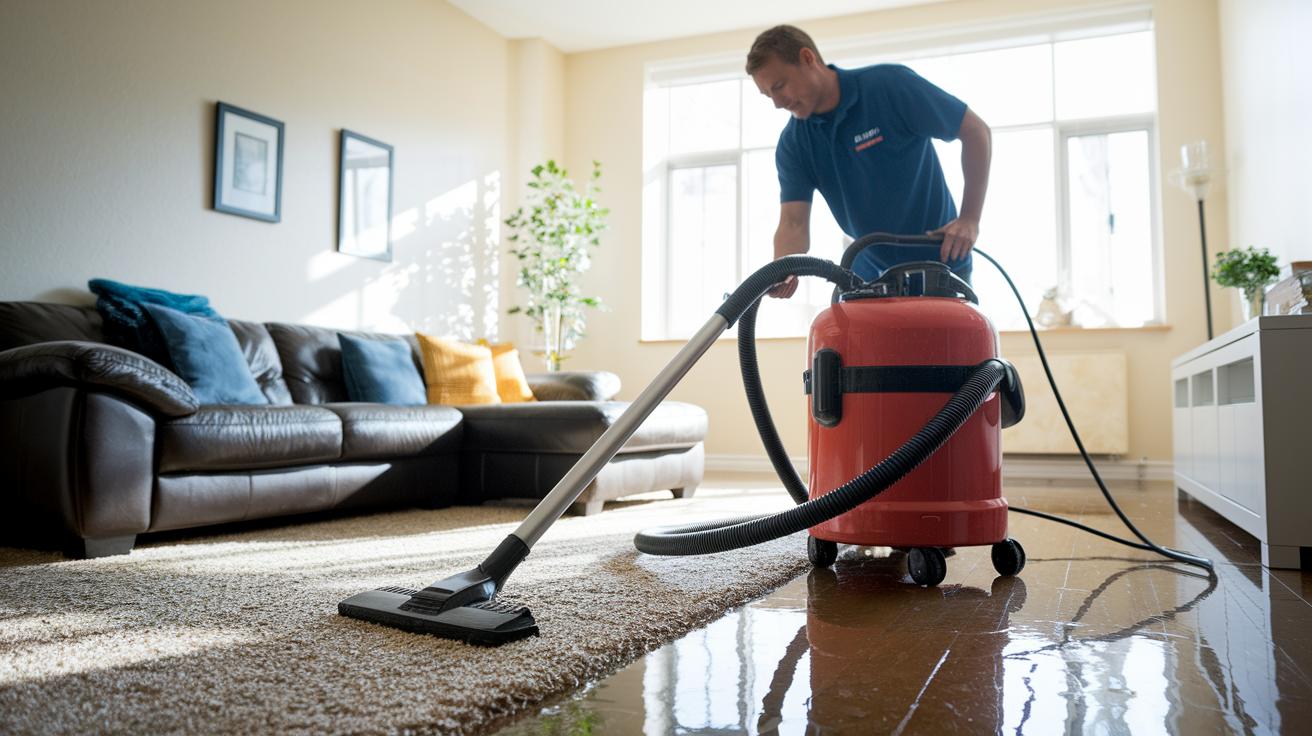
Vacuum Extraction
We begin by using powerful industrial vacuums to remove standing water and excess moisture. These strong vacuums quickly clear water from carpets, underlayments, and hard-to-reach spots. For example, a technician will run the vacuum over a wet living room carpet to pull up water from both the surface and the underneath layers. This method removes visible water and helps prevent hidden dampness that might weaken the structure.
Centrifugal Extraction
Next, we use equipment that spins rapidly to help dry areas that hold water easily. This process works like wringing out a wet towel. The tool forces water out of carpet fibers and other porous materials by applying pressure and rotation. It is a focused way to remove moisture from textiles without leaving extra water behind or causing any damage.
High-Pressure Pumping
Finally, we use high-pressure pumps to move large amounts of water quickly. Technicians operate submersible and trash pumps designed for tough jobs, such as cleaning flooded basements or spill areas. These pumps clear water at high flow rates, lowering the risk of long-term damage. Together, these methods create a strong, efficient recovery process that speeds up water extraction and helps protect your property.
Chemical and Thermal Water Extraction Methods
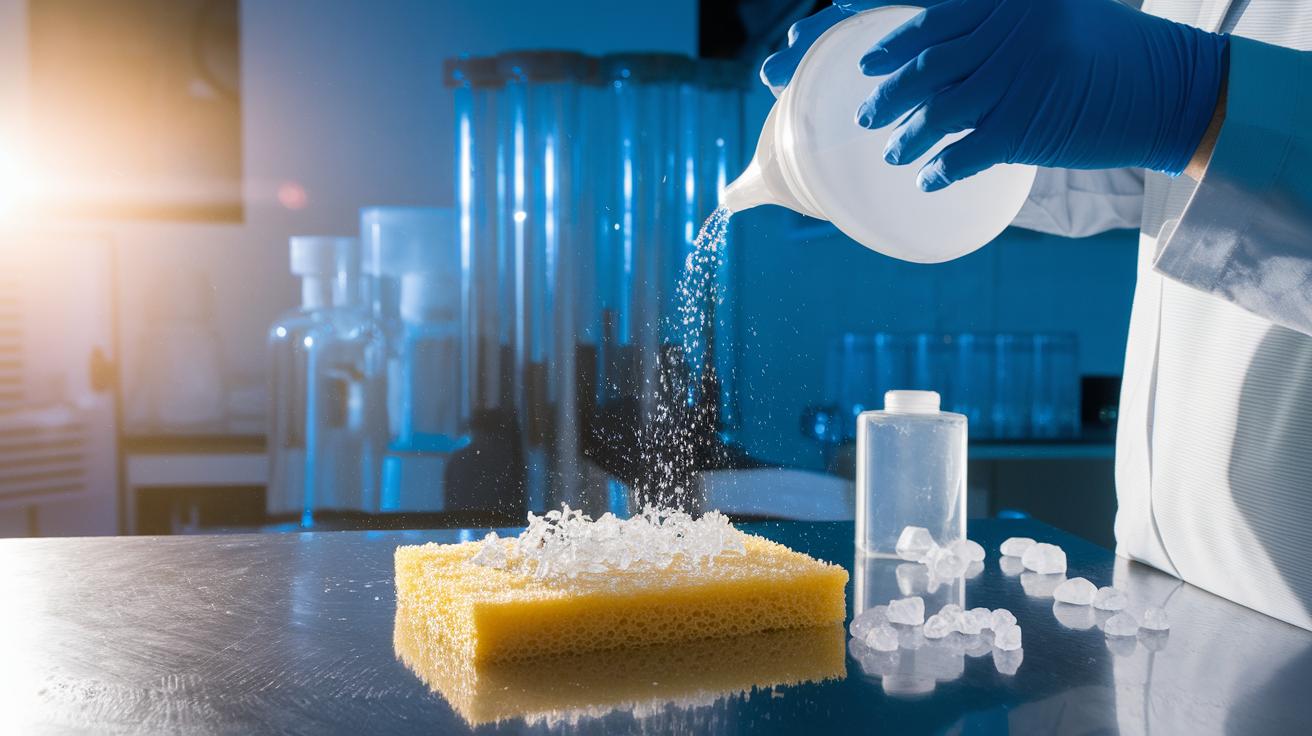
Chemical Absorption Techniques
We use drying agents (chemicals that soak up water) and hygroscopic materials (substances that draw moisture) to pull water from surfaces. Imagine sprinkling a drying agent on a wet sponge; it soaks up the water and leaves the sponge drier. We apply these chemicals evenly, making sure even hidden pockets of moisture get treated.
Thermal Evaporation Approaches
Heat helps speed up drying. We use infrared heaters and drying mats to deliver gentle warmth that makes trapped water evaporate quickly. Think of warming a cold window so that any condensation quickly disappears. This method works well in places where hidden moisture might be missed by other drying techniques.
Combined Hybrid Methods
Sometimes the best approach mixes both methods. We start with drying agents to reduce the bulk of the moisture and then apply targeted heat to remove the rest. For example, we treat a wet carpet with chemicals and follow up with a heat lamp to remove every drop of water. This layered approach reaches tough spots and ensures a complete drying process.
Key Equipment and Technology in Water Extraction
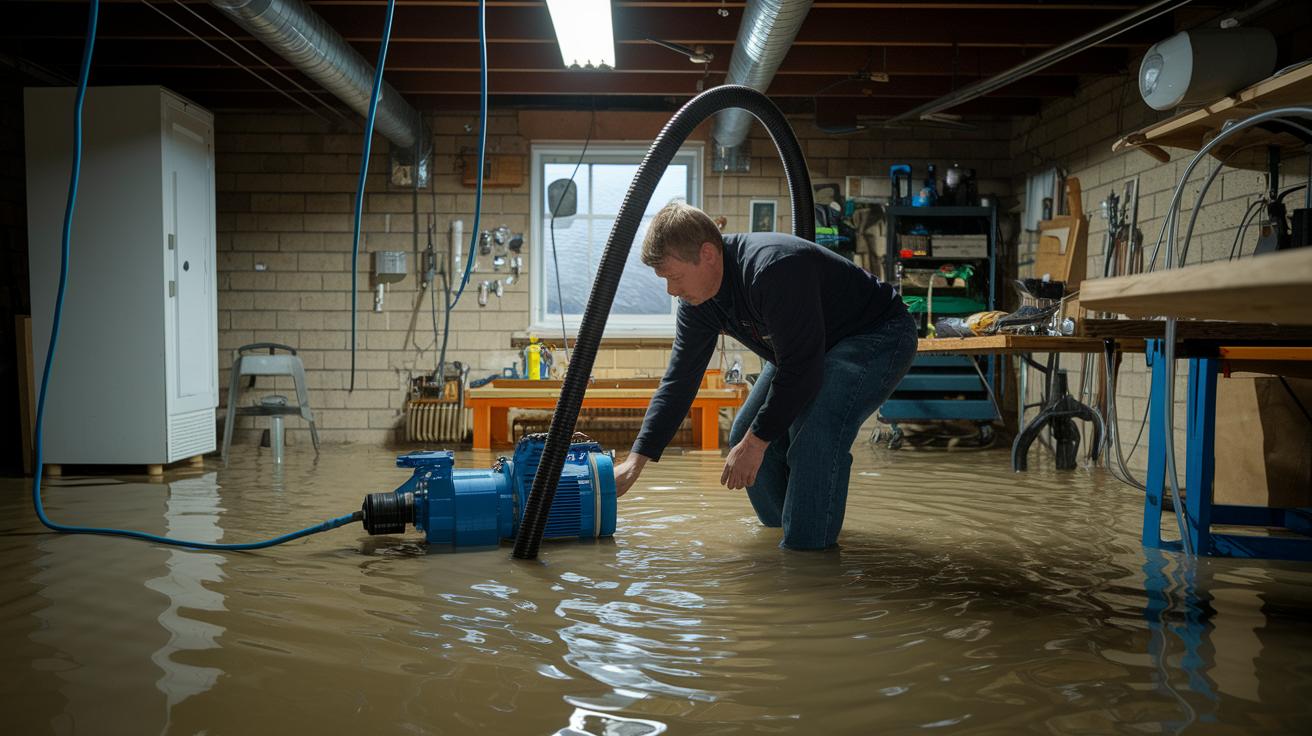
Restoration experts use up-to-date, purpose-made tools to remove water quickly and effectively from your home. Each piece of equipment is chosen for a specific job to ensure that both the water you see and the moisture hiding in corners are taken away. This mix of simple machines and smart technology makes the recovery process safe and efficient.
For example, if your basement is flooded, a submersible pump helps remove most of the water fast. This pump handles high water volumes, which lowers the chance of further damage to your home. In rooms with carpets and flooring, a high-vacuum extractor pulls water out from deep in the material. This careful method stops moisture from lingering that might later cause mold.
Once visible water is gone, a desiccant dehumidifier helps dry out the remaining water vapor from walls, floors, and other tight spaces. These dehumidifiers work along with sensors that keep an eye on the moisture levels. It is like checking every corner of your home with a precise tool to make sure everything is safe and dry.
| Equipment | Primary Function | Typical Use Case |
|---|---|---|
| Submersible Pump | Bulk water removal | Flooded basements |
| High-Vacuum Extractor | Targeted moisture extraction | Carpets and flooring |
| Desiccant Dehumidifier | Vapor removal | Structural cavities |
Benefits and Efficiency Factors in Water Extraction Operations

Our modern extraction systems work fast and efficiently. We use moisture measuring tools (hygrometers) that show a 30% drop in hidden moisture within the first 30 minutes. These results come from recent case studies and help us see how well our system works.
Our machines are set up to pull water quickly while using power wisely. This careful adjustment means we use less energy and save on both labor and material costs. For example, high-powered extraction units can use 20% less energy and still remove water fast when they are calibrated right.
| Metric | Performance Example |
|---|---|
| Moisture Reduction | 30% drop in hidden moisture within 30 minutes |
| Restoration Timeline | Up to 25% faster completion in case studies |
| Energy Usage | 20% less energy use with proper calibration |
These facts drive us to keep getting better and set new standards for quick, energy-smart water extraction.
How Does Water Extraction Work: Innovative Process Insight

Water extraction is a careful process that makes sure your home is dry and safe. Hidden moisture in wall cavities or under floors can easily go unnoticed. For example, a wet area behind a baseboard might hide water that can lead to mold if it is not managed right away.
Sometimes equipment issues slow down the process. A pump may clog, a vacuum might leak, or a dehumidifier can run into errors. When these problems happen, water removal takes longer and increases the risk of damage to your home. Keeping your equipment well-maintained is key to staying on track.
Power outages and safety hazards add even more challenges. If the power goes out, water extraction can be delayed. This delay might create risks such as electrocution or affect the stability of your structure. That is why technicians switch to backup power quickly so work can continue safely.
Here are some tips to keep the extraction process reliable:
- Check your equipment often for leaks or clogs.
- Set up regular maintenance checks.
- Use backup systems in case of power loss.
- Monitor moisture levels so hidden wet spots are caught early.
Following these steps helps the water removal process run smoothly and stops mold from forming if there are delays.
Real-World Case Studies and Applications of Water Extraction
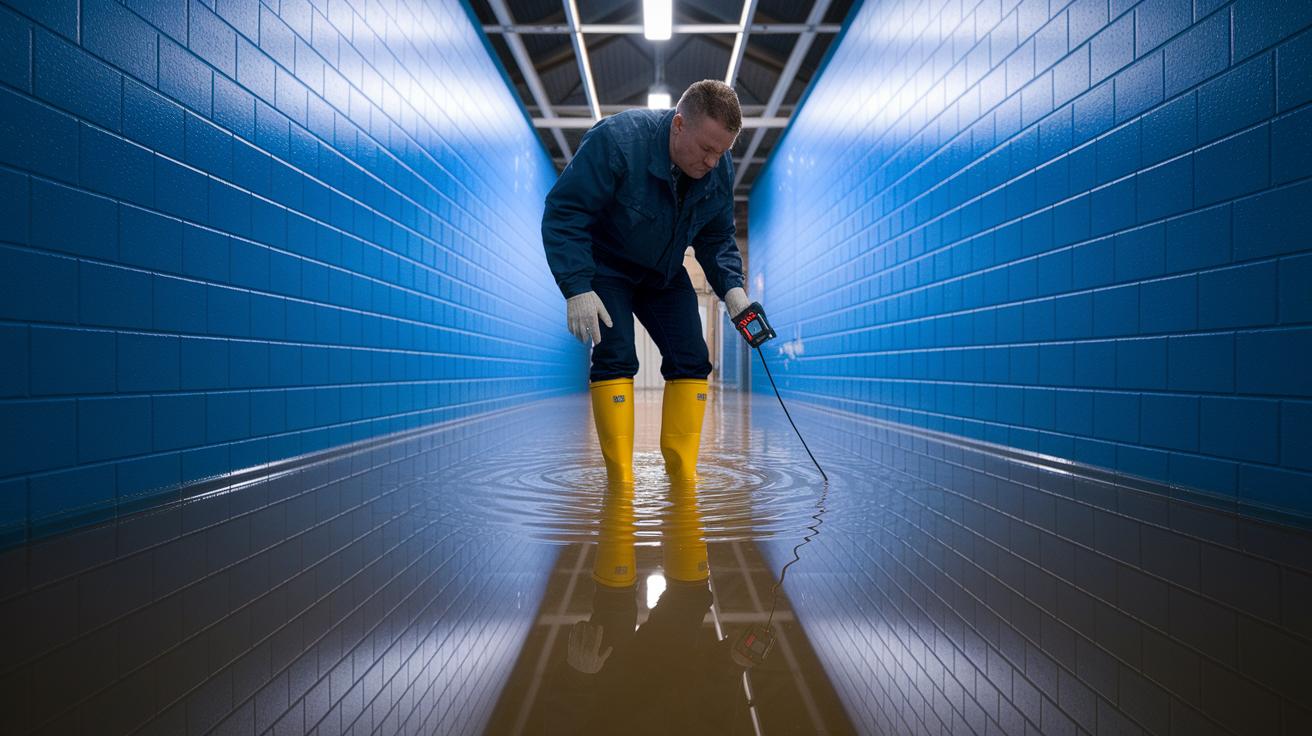
Our water extraction methods are tested in many real-life situations. In small spill events, like a leaking appliance or a burst pipe, we act fast. We remove any standing water, dry the area carefully, and check for any lingering moisture that could lead to mold.
When an entire neighborhood faces flooding, we step up our efforts. We remove the water, address mold issues, clean HVAC systems (heating, ventilation, and air conditioning), and even perform controlled demolition if needed. This full process not only clears the water but also helps stop extra damage from happening.
For commercial spaces, our quick response is designed to keep business running smoothly. We use high-powered tools and dehumidifiers to handle heavy water damage. For example, an office building with a major leak can get back to work fast and stay safe. These large-scale solutions are part of our disaster recovery restoration service.
Key examples of our work include:
- Home water damage from appliance leaks.
- Floods that affect entire neighborhoods.
- Commercial water damage that minimizes business downtime.
Final Words
In the action of property recovery, every step matters. This article broke down the water extraction process, from assessing damage and removing standing water to using advanced equipment and handling common challenges. We explored mechanical, chemical, and thermal methods in clear steps and real-world applications. Each section shows how thorough drying protects structures and health while minimizing additional costs.
By understanding how does water extraction work, you gain the confidence to move forward toward full restoration with a bright outlook.
FAQ
What is water extraction and how does it work?
The water extraction process is a method that removes standing water and hidden moisture. It uses pumps, vacuums, and drying techniques to prevent mold growth and structural damage quickly.
What tools and equipment are used in water extraction?
The water extraction process employs equipment such as submersible pumps, high-vacuum extractors, and specialized drying tools. These devices remove bulk water and extract residual moisture to ensure thorough drying.
What services and companies offer water extraction?
Water extraction services are provided by professional companies that use advanced tools and methods to manage water damage. They swiftly remove water, safeguard property, and help prevent further structural issues.
How does your body flush out water?
Your body flushes out excess water through the kidneys, which filter and produce urine, and through sweat and respiration. These processes help maintain a healthy fluid balance.
What are common problems with water extraction?
The water extraction process can face issues like incomplete removal of hidden moisture, equipment malfunctions such as pump clogs, and delays that may promote mold growth if all areas are not thoroughly dried.