
Has your home suffered from fire, water, or storm damage? We know this can feel overwhelming. The good news is that getting back on track may be simpler than you think.
Our guide breaks down the process into clear steps. First, we show you how to make quick repairs to stop further damage. Next, we cover ways to secure your property and keep it safe. Finally, we explain how to perform final checks that turn a crisis into a plan for recovery.
Using careful steps and expert techniques, you can fix the damage and restore the safety and comfort of your home. We are here to help you move forward with confidence.
Complete Home Damage Restoration Solutions for Fire, Water & Storm Recovery
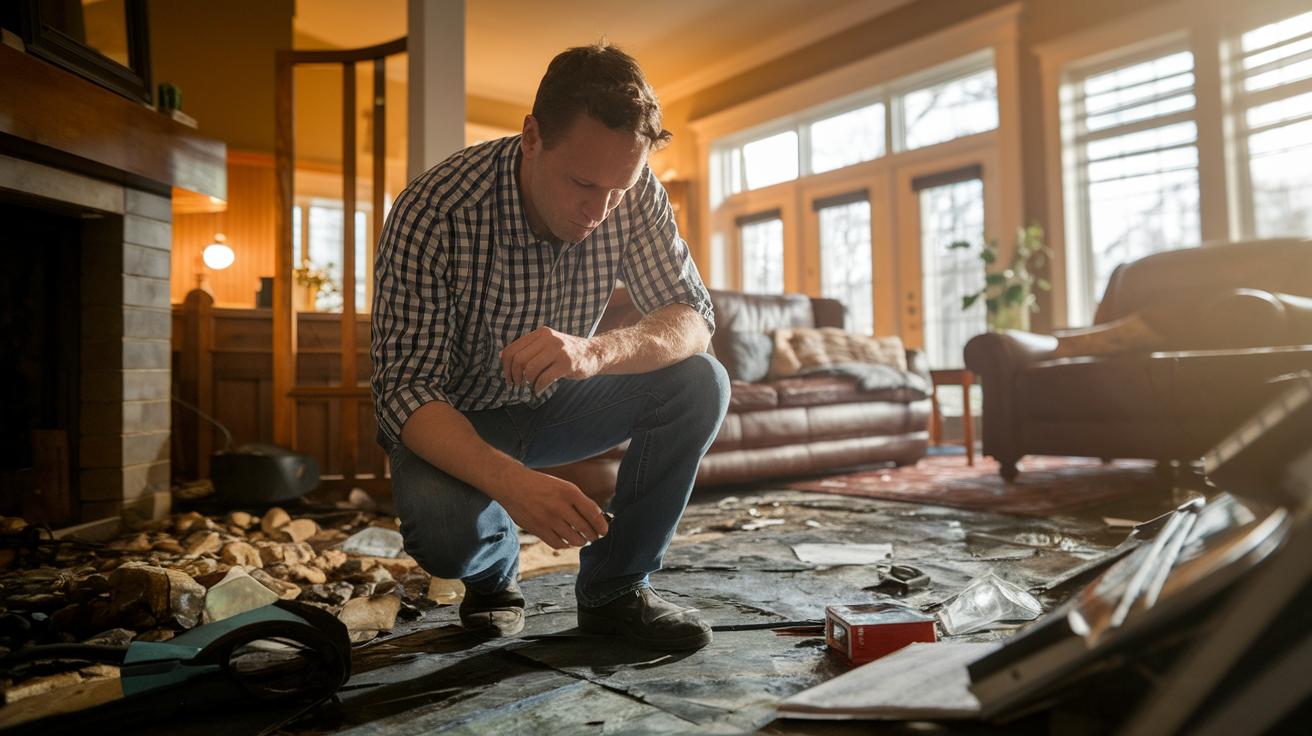
When your home suffers damage from fire, water, or storms, quick repairs are essential. We start by visiting your property to check all areas for damage. This first step helps us spot water leaks from burst pipes or floods, soot and structural problems from fire, and roof or wall issues from storms. Our skilled, licensed technicians begin emergency repairs within 24 hours to keep hazards under control and prevent more damage. One technician said, "Starting water extraction in the first hour helped reduce additional damage."
Next, we move to secure your property. We quickly support any weak parts of your home and begin removing water and debris. After that, we make a step-by-step plan to fix everything. This plan spells out all the repairs, proper cleaning, and safe rebuilding methods. We follow certified guidelines at every stage so that water removal, cleaning fire damage, and clearing storm debris are done safely.
Before we wrap up the project, our experts do a final check. They ensure that all moisture is gone, inspect areas affected by fire, and confirm that new supports meet strict standards. We also perform follow-up visits and keep clear records. This careful process helps restore your home and brings you the peace of mind you need after a major event.
Repair vs Replace in Home Damage Restoration for Major Systems
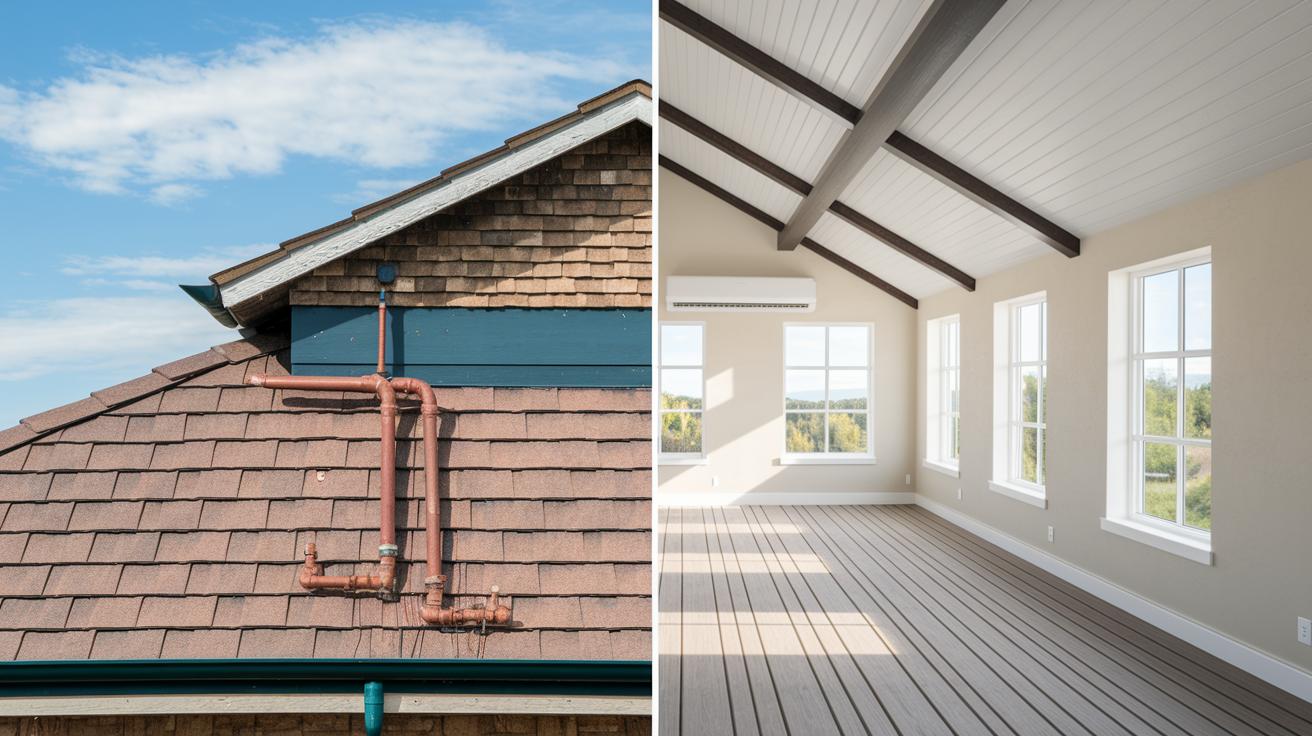
When your home gets damaged, deciding whether to repair or replace key systems is important for your safety and wallet. You need to compare the cost of fixing the damage with the benefit of installing new systems. For example, a small fix on a roof might seem cheaper at first. However, if the damage is big, a new roof might protect your home better in the long run. The same idea goes for your HVAC system. If fixing it costs more than half the price of a new one, replacing it can be the smarter route.
| Component | Repair vs Replacement Decision Rule |
|---|---|
| Roof | Compare repair costs with the cost of a completely new roof |
| HVAC System | If repair costs go over 50% of a new system, replace it |
For the best outcome, always get several quotes and check that your contractor is licensed and insured. Look at detailed proposals and read reviews to be sure they follow proper industry standards. This careful approach will help you keep your home safe and reduce stress during the process.
Water Damage Restoration Techniques in Home Damage Restoration

When water damage happens, taking action fast is vital. Whether it's a burst pipe or a flood, water quickly soaks into floors, walls, and hidden spaces. When water sits too long, it can lead to mold growth and weaken the structure. Homeowners should treat it like an emergency and call a certified expert who uses advanced water extraction tools to start cleaning right away.
- Remove the water quickly using pumps.
- Check for hidden water with moisture meters (tools that measure dampness) and thermal imaging (using heat sensors to find wet areas).
- Use powerful dehumidifiers to pull out remaining moisture.
- Clean and apply antimicrobial treatments to stop bacteria.
- Monitor the drying process for 48 to 72 hours to ensure no trapped moisture.
- Do a final moisture check before beginning repairs.
Each of these steps is important. Taking out excess water is just the start. Finding hidden moisture stops future mold problems. Dehumidifiers help remove the lingering dampness, and cleaning prevents bacteria growth. Watching the drying over a couple of days makes sure all the water is gone. A final check confirms the area is safe for repair, so there are no surprises later.
Choosing certified water technicians makes a big difference. They have the experience and the right equipment to handle the cleanup quickly. Scheduling follow-up inspections helps ensure the area stays dry and safe over time.
Fire Damage Restoration Solutions in Home Damage Restoration
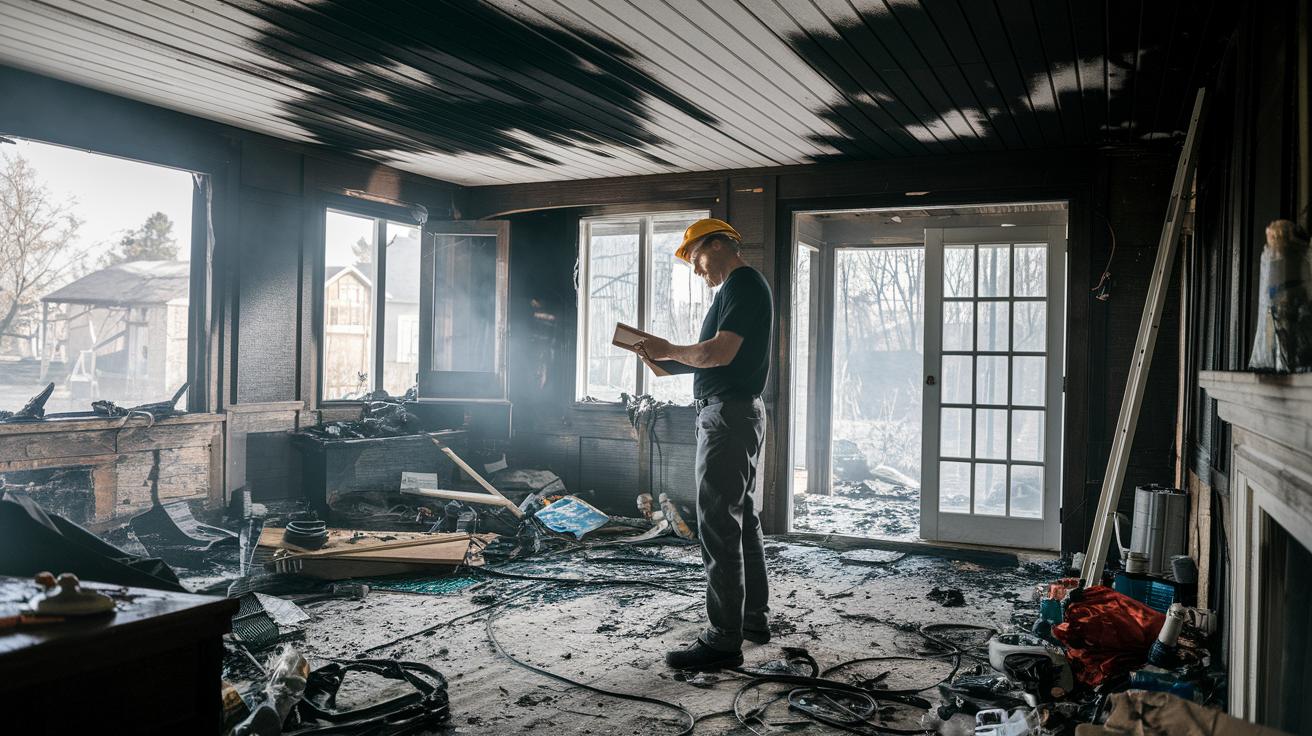
After a fire, safety is our main concern. Within 24 hours, one of our certified technicians visits your property to check for hazards. They inspect the building's structure and locate areas that need immediate attention. We follow strict cleaning guidelines (IICRC standards for smoke and soot) to decide what to do next.
First, we secure the area. Our team removes debris and covers exposed surfaces to help stop additional damage. Once the space is cleared, we perform a careful smoke damage evaluation. For example, a technician might note, "The living room ceiling shows signs of heavy smoke, so it needs a deep clean." This assessment sets the stage for the next steps.
Next, we handle deep cleaning. Using hydroxyl generators or ozone treatments (tools that remove odors and toxins), we neutralize smoke smells and remove harmful substances. These tools break down soot and airborne chemicals to treat every surface thoroughly. This process usually takes 3 to 5 days, depending on the extent of the damage.
After cleaning, we start repairing the structure. Damaged walls, ceilings, and fixtures are fixed or replaced within 1 to 2 weeks. All repairs follow strict safety and quality rules to make your home safe and secure again.
Throughout every stage, we document our work with care for quality checks and insurance needs. Whether you need simple repairs or a full restoration, we tackle fire damage methodically from start to finish.
Mold Removal Techniques for Home Damage Restoration
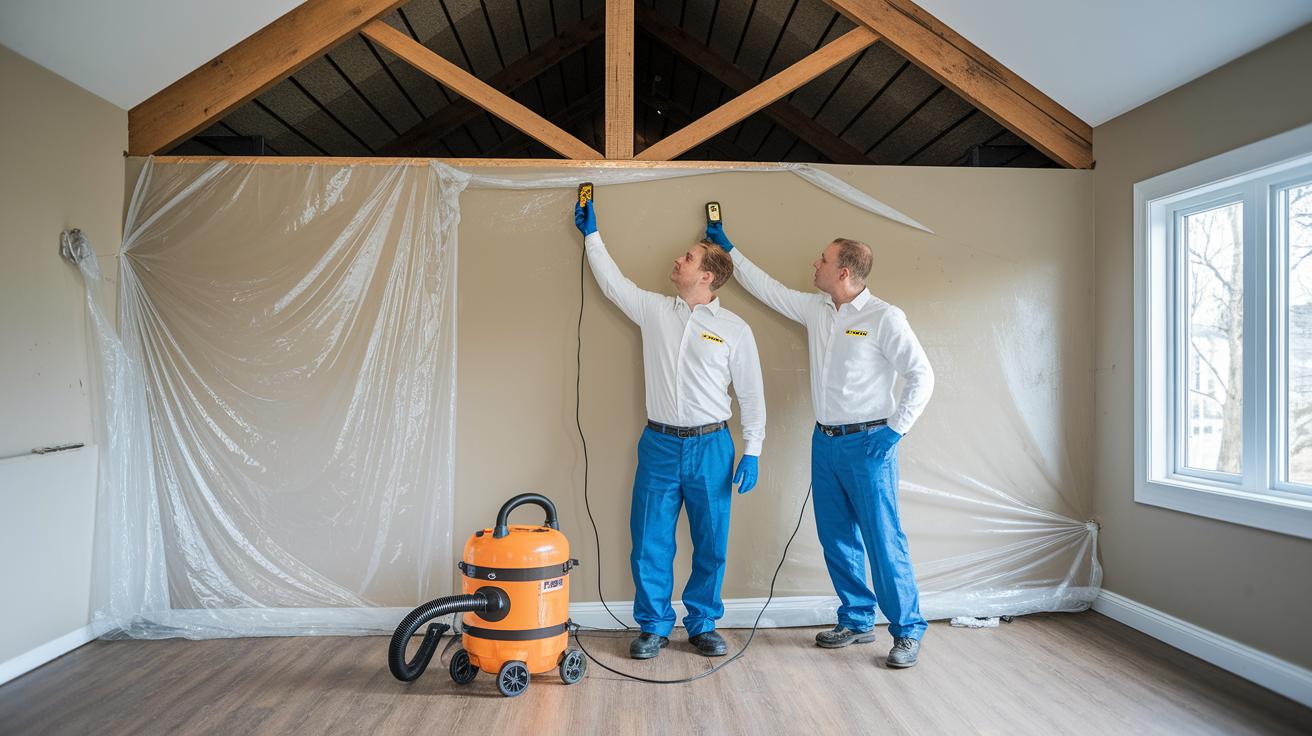
Mold removal starts by finding the source of moisture. Homeowners might not see a leak behind a wall, so it is important to locate hidden problems. For instance, one technician discovered a roof leak that had been feeding mold for weeks. Stopping the moisture is the first step to prevent more damage and begin safe cleanup.
Next, we create a containment area with a negative air pressure system. This setup keeps mold spores from spreading to other parts of your home. We then clean the affected surfaces using HEPA vacuums (high efficiency particulate air vacuums) to capture and remove the mold particles.
After cleaning, we use EPA-registered biocides (products approved by the Environmental Protection Agency) to kill any remaining mold. This treatment is key to stop mold from coming back. Two to three days after the initial work, we run a clearance test that meets ANSI/IICRC S520 standards. This confirms the area is clear of mold and safe for normal use.
Storm & Flood Recovery Guidelines in Home Damage Restoration

Storm and flood events need quick and expert care to prevent more harm to your home. We act fast within 12 to 24 hours to protect your property. First, we cover exposed areas with roof tarps and secure broken windows and doors with board-ups to keep out bad weather and debris. Skilled professionals lead these steps to meet strict safety standards.
Here are the key recovery steps:
- Cover the roof quickly to keep out further rain and wind.
- Board up damaged windows and doors to secure your home.
- Remove debris to clear safe pathways.
- Dry the structure after flooding to stop moisture from causing mold.
- Rebuild using water-safe methods that meet current safety codes.
After these immediate actions, the full cleanup usually takes 3 to 7 days. During this time, experts inspect the home, remove any remaining contaminants, and dry all affected areas. Certified technicians use trusted drying methods to eliminate trapped water and ensure every part of your home is safe for repair. Following these steps carefully helps reduce further damage and prepares your home for a safe rebuild.
Insurance Claims & Financial Guidance in Home Damage Restoration

Document every bit of damage right away. Start by snapping clear photos of each damaged area, from wet stains on ceilings to burnt sections in any room. Make a list of broken items and structural problems. For example, note "Photo of water-damaged drywall at 10:30 AM in the living room with moderate damage" to clearly show the issue for adjusters.
When you file your claim, follow these steps:
- Call your insurance company as soon as possible.
- Send them your photo list along with repair estimates.
- Meet with an adjuster so you can review the damage together, adding your notes and observations.
Be cautious not to underestimate repair costs or accept a low offer right away. It helps to get several repair estimates so you can argue for fair compensation. Remember to keep copies of all emails, texts, and repair invoices to support your claim.
Typically, insurance claims take 30 to 45 days to process. If there are any delays or problems, consider getting help from a professional adjuster. They know how to navigate property claims and ensure you get the money needed to restore your home confidently.
Choosing Qualified Service Providers for Home Damage Restoration

When your home is damaged, choosing a reliable contractor is very important. First, check that they have IICRC certification (a standard that shows they follow trusted methods) and that they carry proper insurance and bonding. These steps help protect you and show that the contractor takes safety seriously.
Next, take a look at reviews from other homeowners. Positive reviews are a good sign that the work will be done well. Ask for clear project plans so you can see exactly how the work will be done. This gives you a clear picture of the scope and quality of the job.
It also helps to collect several bids. Comparing multiple offers makes it easier to see fair pricing and cost-effective solutions. Lastly, go over the service warranties. A strong warranty gives you extra comfort that the work will stand the test of time.
Here is a quick checklist for contractor interviews:
- Confirm IICRC certification.
- Verify valid insurance and bonding.
- Check client satisfaction surveys.
- Request and review detailed project blueprints.
- Compare multiple bids.
- Review service warranties thoroughly.
Following these steps can help you choose a contractor with proven experience and reliability, giving you the confidence to restore your home safely and effectively.
Final Words
In the action, we covered every step of home damage restoration, from water extraction and fire cleanup to mold removal and storm recovery. We explained key repair versus replacement decisions and offered guidance on navigating insurance claims. Each section outlined clear steps to get your home stabilized while reducing further damage. Our focus on safety, professional expertise, and prompt action is designed to give you confidence during a crisis. With sound strategies and certified technicians, you'll be on the path to a safe, restored home.
FAQ
What are the options for home damage restoration near California, Texas, and other local areas?
The question highlights finding nearby home damage restoration services. Local providers offer quick response and certified expertise. Use online locators or call local companies to schedule an evaluation and emergency service.
What are the cost expectations for home and water damage restoration projects?
The question addresses pricing concerns. Restoration costs vary based on damage extent and repair needs. Providers typically offer transparent estimates, and pricing may be based on labor, materials, and water extraction when required.
How can I choose the best home damage restoration company among top-rated options?
The question focuses on selecting a top restoration company. Look for verified certifications, positive reviews, and clear pricing structures. Leading companies provide rapid response and complete restoration solutions after emergencies.
What does DIY home damage restoration involve for homeowners?
The question explores DIY restoration practices. While small repairs might be attempted independently, major issues like water or fire damage should be handled by professionals to ensure safety and proper repair methods.
What are the options for water damage restoration in Nashville?
The question centers on Nashville water damage services. Local experts offer prompt water extraction, drying, and thorough restoration using certified methods to limit damage and restore safety quickly.
What does SERVPRO actually do in home damage restoration?
The question examines SERVPRO’s role. SERVPRO specializes in emergency cleanup, water extraction, drying, and full restoration for homes after fire, water, or storm events, ensuring certified service and fast recovery.
What is the difference between restoration and remediation in home damage scenarios?
The question clarifies key terms. Restoration means repairing or rebuilding damage, while remediation involves cleaning up harmful contaminants like mold, making the environment safe before repairs begin.
Does insurance cover restoration costs in home damage incidents?
The question explores insurance coverage for restoration. Many policies cover sudden, accidental damage. Homeowners should review their policies and document all damage to support their claim for reimbursement.