
Have you ever wondered who steps in when there is a dangerous spill? Hazmat technicians are the skilled professionals who work quietly behind the scenes. They quickly check for hazards, neutralize harmful chemicals (bad substances that can hurt you), and secure the area to keep everyone safe. They complete 40 hours of hands-on safety training and respond fast in emergencies. Their work protects you, your neighbors, and the environment by stopping further damage and helping things get back to normal. This post explains the key duties of hazmat technicians and shows how their clear, calm decisions make all the difference during toxic spills.
Key Duties of Hazmat Technicians During Cleanup Operations
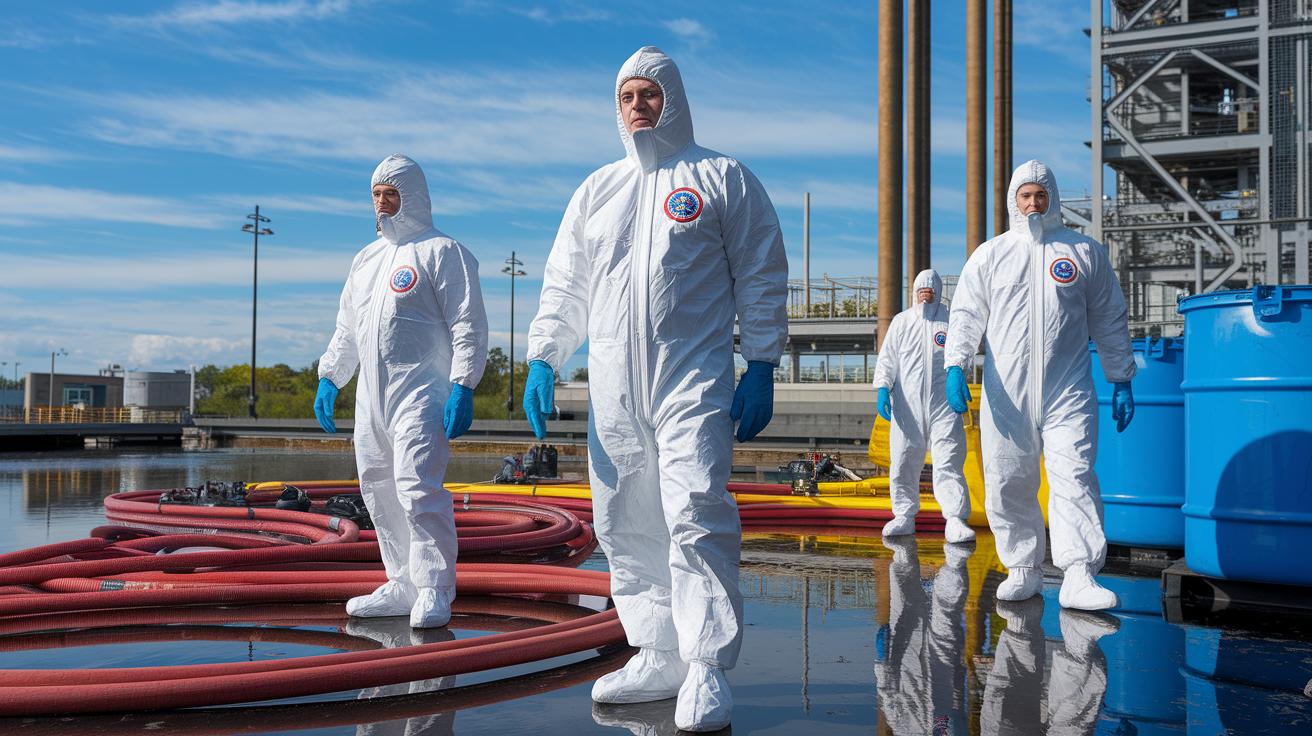
Hazmat technicians play a vital role when cleaning up dangerous spills and substances. They work in places like chemical plants, pharmacies, oil facilities, and factories. They use their 40-hour safety training (HAZWOPER training, which teaches safe ways to handle hazards) along with regular refreshers to stay ready for emergencies. Their work keeps people and the environment safe.
These experts stay calm and work carefully during incidents. They respond quickly to spills, clean up hazardous materials, and make sure safety is always a priority. From checking the site to removing dangerous waste, they help reduce damage and speed up recovery.
- Hazard detection and inspection of sites
- Quick response to spills and neutralizing contaminants
- Cleaning up industrial areas and decontaminating surfaces
- Removing contaminated soil and dangerous waste
- Selecting proper protective gear and managing safety equipment
- Keeping clear records and following safety rules
In short, hazmat technicians ensure that every cleanup is done in a careful and organized way. Their skills help limit immediate risks and support a smoother recovery process during emergencies.
Hazard Assessment and Safety Management for Hazmat Cleanup
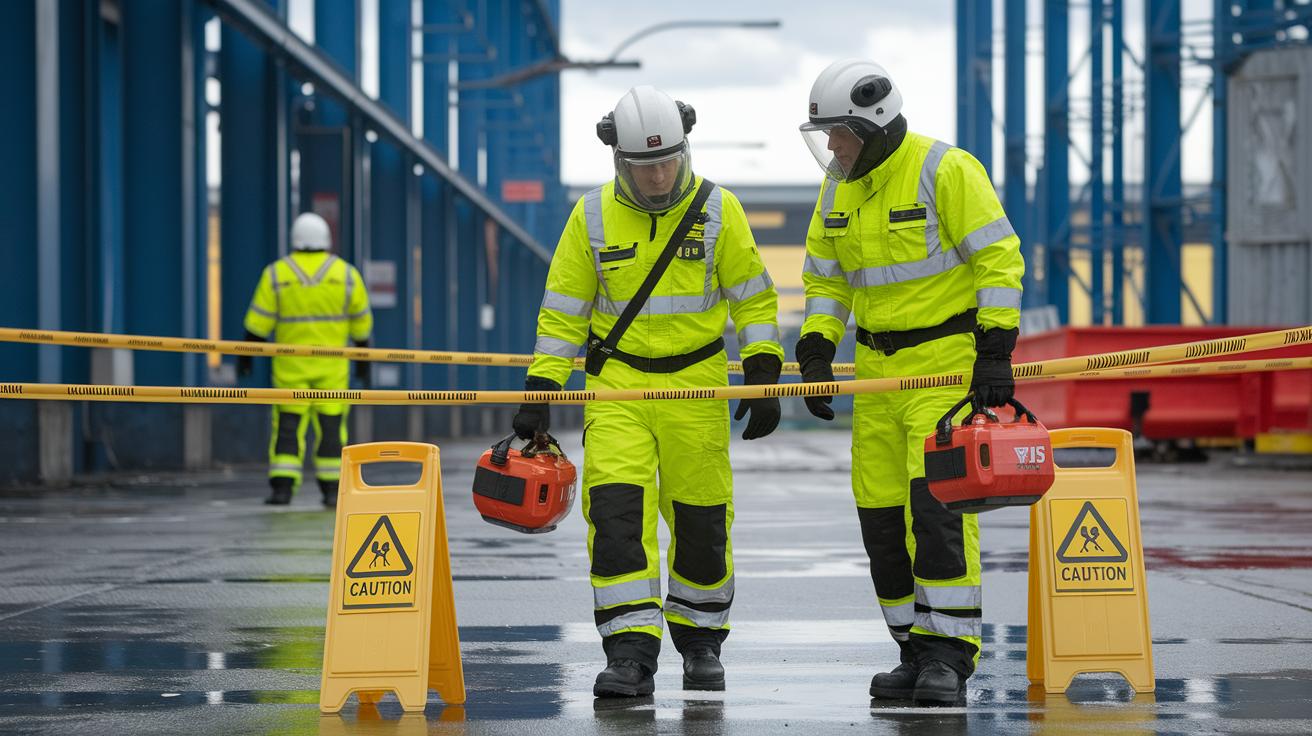
Our hazmat experts start by carefully checking the entire area. They test chemicals to see if they are toxic (harmful), flammable (able to catch fire), or reactive (likely to cause dangerous reactions). They stick to strict evaluation methods that help them spot both obvious and hidden risks. For example, a technician might take several readings to check if a spill has made the atmosphere unstable and in need of quick action. Learn more about this process with a job safety analysis for restoration work.
Next, the team sets up a safety plan to protect everyone on site, including nearby neighbors. They hold regular safety drills and coordinate emergency responses so that every team member knows what to do if the situation worsens. Each technician completes 40 hours of HAZWOPER training (hazardous waste operations and emergency response) and takes yearly refresher courses to stay current on safety practices. Clear communication and precise risk checks help prevent any further issues during cleanup.
Following safety rules is a key part of every cleanup job. Technicians strictly follow OSHA guidelines (government safety standards) to ensure that all safety criteria are met before, during, and after work. They document every step of the process so that decontamination protocols are followed exactly and any new hazards can be addressed immediately.
Decontamination Protocols and Chemical Spill Containment in Hazmat Operations
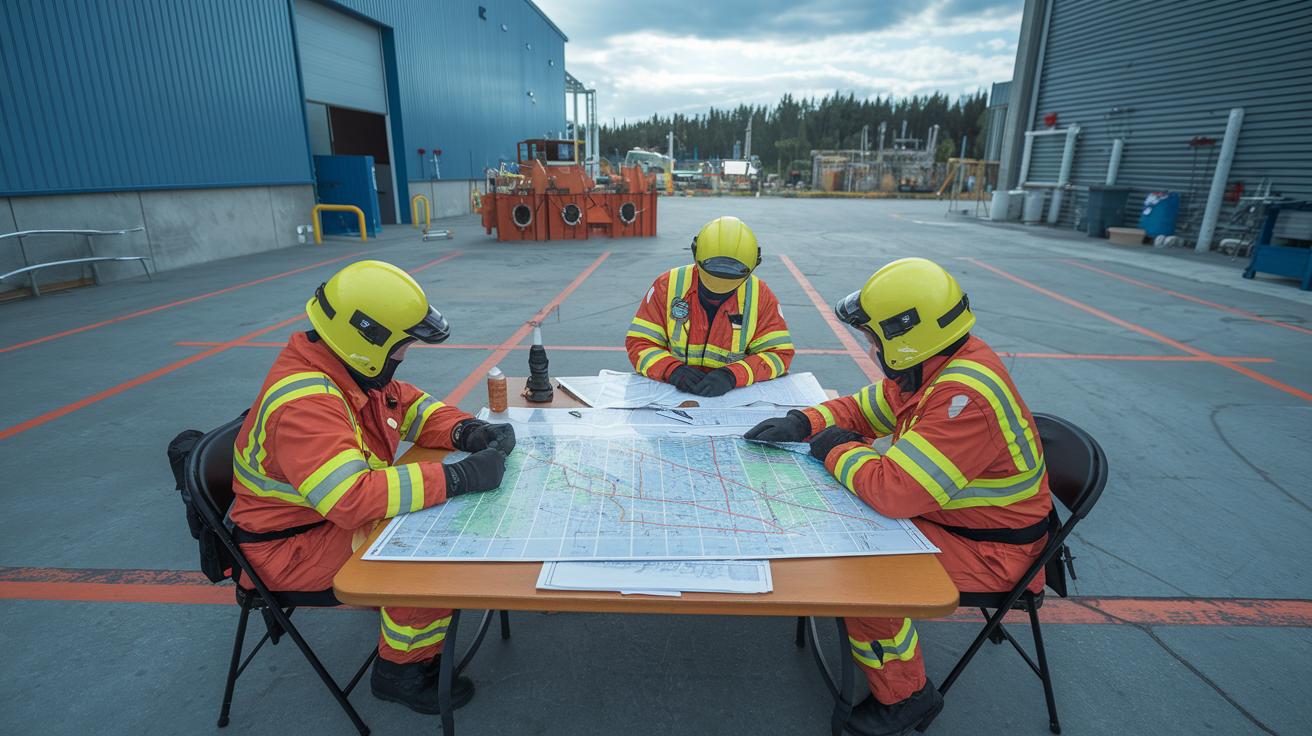
Before cleaning up a chemical spill, our hazmat team plans every step carefully. We study the spill area, gather materials that soak up chemicals, and mark off safe zones. We also set up decontamination lines and rinse showers while keeping a detailed log of each action. For example, we change protective gear by zone to prevent spreading contaminants.
When it is time to contain the spill, our team works quickly to keep the hazardous chemicals from spreading. We use absorbent pads, barriers like booms, and dikes to keep the chemicals contained. We neutralize acids and bases to slow down the chemical reaction. This approach helps us control the spill and protect surrounding areas.
After the spill is under control, we start the cleaning process. Our team follows a clear, step-by-step procedure that focuses on minimizing contamination. We use special cleaning agents and rinse showers to remove all residual chemicals. We also take short tests to ensure that all dangerous substances are gone and the area is safe.
Finally, we verify the cleanup with a detailed inspection. We run several tests and carefully document each step. We separate and label all waste to help keep the site safe and meet regulatory standards. This methodical process ensures that both immediate and lingering hazards are properly handled.
Hazmat Technician Responsibilities in Cleanup: Vital Impact

Hazmat technicians use specialized gear and proven methods to handle dangerous substances safely. They wear equipment that protects them from harmful exposure while keeping the cleanup work organized and effective. They use full encapsulation suits, chemical-resistant gloves, decontamination trailers, and air monitoring devices. Each piece of gear is tested, calibrated, and maintained regularly. This careful process helps keep risks to a minimum during stressful incidents. For instance, technicians routinely check their SCBA (self-contained breathing apparatus) to catch leaks and make sure they remain protected in toxic spaces.
| Equipment/Gear | Purpose | Safety Considerations |
|---|---|---|
| Level A Suit | Protects against vapor hazards | Regular SCBA checks and leak tests |
| Chemical-Resistant Gloves | Guards hands from corrosives | Use a double-glove technique |
| Decon Shower Trailer | Cleans personnel and tools | Ensures proper runoff containment |
| Air Monitoring Device | Detects and measures gas levels | Calibrate before each use |
Following these strict gear standards and methods helps keep both the technicians and the community safe. Regular equipment maintenance, careful handling, and constant safety checks make every cleanup precise and secure. This step-by-step approach is key to reducing risks and ensuring a safe, efficient response to hazardous incidents.
Regulatory Compliance and Documentation for Hazmat Cleanup Projects

Technicians follow EPA, OSHA, and DOT guidelines to keep every cleanup safe and legal. They check the work both before and after the task to make sure every step meets federal and state rules. This careful process helps limit further risks and keeps the area safe for everyone.
During the cleanup, keeping detailed records is a must. Technicians fill out waste manifests and complete chain-of-custody forms (documents that track materials) to accurately track hazardous substances. They record air and soil sample results and keep daily logs of operations. For example, a note might read, "Air sample within limits at 09:15," which shows clear accountability and honesty.
Quality checks are done throughout the project. Each step is reviewed against compliance standards to catch any issues. This careful process makes sure all documents are correct, provides a clear record of the work, and supports any necessary follow-up with inspectors or regulators.
Specialized Hazmat Cleanup: Toxic Spill Response and Waste Removal

Our hazmat team acts quickly when a nasty spill occurs. They cover the spill with foam to stop harmful chemicals from spreading. They also add special neutralizers (chemicals that calm dangerous reactions) right away to keep things under control. This fast action helps protect you, our team, and the community.
Our technicians handle waste with great care. They carefully move hazardous materials to the proper disposal sites. When dealing with radioactive items, we use remote-handling tools (equipment that lets us work from a safe distance) to protect everyone. These steps help limit exposure and keep the area safe.
Our experts also work on the long-term cleanup to protect your environment. They remove dangerous substances like lead, arsenic, and other toxic chemicals using methods like soil washing (cleaning soil with water) or stabilization (reducing the risk of further spreading). They use special equipment to contain the substances and install controls to stop them from drifting into the air or water. This thorough process doesn’t just fix the immediate problem; it helps keep your surroundings safe for the long run.
Training, Oversight, and Project Planning for Hazmat Cleanup

Good cleanup work starts with clear planning. Our hazmat experts visit each site to check for hidden risks and any hazards you might not see at first glance. They set up a detailed schedule that explains every step and makes sure all necessary resources are ready. This planning is like laying a strong foundation before building a house; it keeps the process safe and smooth.
Training is just as important as planning. Our team holds emergency drills and runs through step-by-step procedures so that every member knows exactly what to do. New team members receive hands-on training and practice safety methods through real-life scenarios. This builds confidence and prepares us to handle unexpected situations safely.
Strong oversight ties everything together. Our technicians carefully supervise each task, tracking risk metrics and maintaining up-to-date records of certifications and training. They work closely with incident command and review each project afterward to learn and improve. This active monitoring ensures that cleanup guidelines are followed, making the process more efficient and safe for everyone involved.
Final Words
In the action, we explored the vital roles that hazmat technicians play during cleanup operations. We covered everything from hazard identification and emergency spill response to site decontamination and protective gear management. These steps ensure a safe, efficient, and compliant process.
Every part of the process builds on hazmat technician responsibilities in cleanup, helping to reduce damage and support a quick return to normal. The work is challenging, yet progress is steady and positive.
FAQ
Q: What are the key responsibilities and roles of a hazmat technician?
A: The key responsibilities of a hazmat technician include identifying hazards, responding to spills, decontaminating areas, removing contaminated waste, managing protective gear, and documenting compliance with safety and regulatory standards.
Q: What is the average salary for a hazmat technician or hazardous materials removal worker?
A: A hazmat technician’s average salary is about $46,690, though pay can vary with experience, location, and additional certifications in the field.
Q: What are the education and certification requirements for hazmat technicians?
A: The education and certification for hazmat technicians typically require completing a 40-hour HAZWOPER course along with periodic refresher training and meeting state-specific certification standards.
Q: What is HAZMAT cleanup?
A: HAZMAT cleanup is the process of safely removing, decontaminating, and disposing of hazardous substances using specialized tools, protective gear, and strict protocols to protect people and the environment.
Q: Who is responsible for cleaning up a hazardous material spill?
A: A certified hazmat technician is responsible for cleaning up a hazardous material spill, following established safety protocols and operating under the guidance of trained incident commanders.