
Ever wonder how to bring your belongings back to life after a fire? Quick action on fire-damaged items can really make a difference. Whether you tackle small repairs on your own or call in a professional crew with the right tools and training, every minute counts. This article explains both DIY fixes and expert services that help stop further damage and restore your cherished items. We guide you through each step so you can make informed choices and start the recovery process right away.
Professional and DIY Approaches to Fire Damaged Contents Restoration
After a fire, saving your belongings can be tough. Sometimes, you can fix small items on your own by gently cleaning items with light soot or taking care of less valuable pieces. But if the damage is large or if water from firefighters has caused extra harm, it is usually best to get help from professionals. They follow a set process for fire damage restoration (a planned method to restore fire-damaged property) and work to high standards. Here are the steps to consider:
- Do a complete check of the damage
- Secure the area with tarps and board up windows or doors
- Remove soot and smoke stains
- Pull out any water and use drying machines
- Eliminate smoke smells
- Refurbish items to restore them
Professionals use heavy-duty tools, moisture meters (devices that measure dampness) that are set for high accuracy, and vacuums with HEPA filters (high efficiency air filter) that trap tiny particles. Their certifications, such as IICRC (industry restoration standards), show that they use techniques that lessen extra damage like mold growth and hidden corrosion from acidic soot. In contrast, doing the work yourself may mean you miss hidden risks because you lack the proper equipment and know-how. Even for smaller jobs, not having the right cleaning agents and proven methods can lead to more damage or incomplete repairs.
When choosing a restoration team, make sure they have valid certifications and experience with both fire and water issues. Their history with insurance claims is important too. The sooner they can start, the less chance there is for more damage. Consider your own limits when it comes to safety and the complexities of cleaning and rebuilding. If you are unsure, it is best to rely on experts who manage everything from the first inspection and securing of the area, to neutralizing odors and rebuilding. Quick action by a professional team can help protect your property value and support your insurance recovery.
Impact Assessment and Inventory in Fire Damaged Contents Restoration
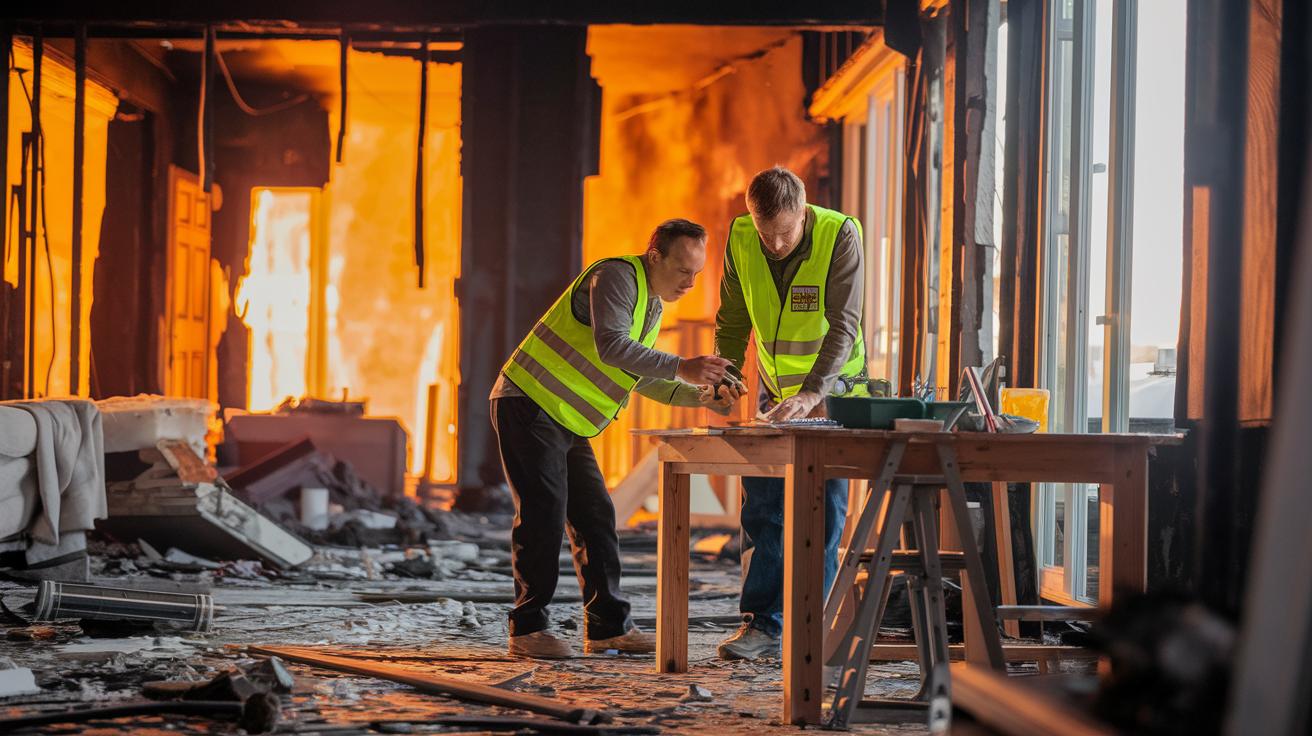
When a fire hits your home, our team quickly inspects every area to spot issues. We use infrared cameras (devices that show heat differences) to find hidden moisture and check for structural damage that you might not see. We also use moisture meters (tools that measure water levels) to gauge how wet the walls, floors, and personal items are. Then, our technicians put together a clear report that lists the damage from fire, soot, and water along with precise measurements and early estimates for cost and time. This report supports your insurance claim and guides our next steps in restoring your home.
Next, we carefully document every damaged item. We take wide-angle photos to show the room’s overall condition and close-ups to capture details of each item. This organized inventory helps us decide what can be saved and what needs to be replaced. Our complete records also play an important role during insurance claim discussions and ensure that the restoration process is accurate and efficient.
Soot Removal Strategies for Fire Damaged Contents Restoration
After a fire, soot can hurt your health and damage your belongings. Soot and smoke leave behind acidic residues that can eat away at metal and scratch glass. If you do not clean these residues properly, they can do lasting harm and lower your indoor air quality. Using the right cleaning methods will remove these contaminants and help protect your home.
Some proven cleaning methods include:
- Using dry-cleaning sponges to wipe away loose soot.
- Soda blasting to get rid of soot embedded in surfaces.
- Wet cleaning with special detergents (https://mindtangle.net?p=396) to break down residues.
- HEPA vacuum extraction to capture fine particles.
- Solvent-based chemical stripping to remove stubborn soot.
The best method depends on the type of material. Fabrics need gentle cleaning to avoid further damage. Wood and metal may require stronger cleaning agents. Electronics must be handled carefully so that cleaning solutions do not harm their function. Matching the right process to each material ensures safe and effective restoration.
It is important to follow safety rules during soot removal. Technicians wear gloves, goggles, and respirators to protect themselves. Keeping the area well-ventilated helps clear out any airborne chemicals and smoke. These steps keep you and your property safe during the cleanup.
Odor Neutralization Processes in Fire Damaged Contents Restoration

After a fire, smoke can leave behind a strong smell that sticks to fabrics, furniture, and other absorbent materials. Items such as curtains, carpets, and even the insulation hidden inside walls soak up smoke particles and chemicals that create lasting odors. This smoke residue can hide deep in the fibers, which means routine cleaning often fails to fully remove the smell. Left unchecked, these odors can lower indoor air quality and cause discomfort or even health issues for residents. Addressing these sources of odor is key to making your space safe and livable again.
Restoration professionals use special tools to tackle these stubborn smells. They may work with thermal fogging chambers, which release deodorizing agents to penetrate deep into absorbent surfaces. Ozone treatments also help by breaking down odor-causing molecules into less reactive substances. In addition, hydroxyl machines produce oxidizing radicals that remove smoke odors without leaving harmful residues behind. Experts choose the right method by considering the type of material, the extent of contamination, and the size of the affected area, ensuring each situation receives the proper care it needs.
Water Extraction and Drying Systems in Fire Damaged Contents Restoration
When water used by firefighters remains in the building, it can lead to mold and further damage in less than 48 hours. Quick removal of the water is key to protect your home and belongings. Our team uses infrared cameras (tools that detect heat differences) and probes (instruments that measure moisture) to find water hidden in walls and floors.
We follow these steps to clear the water and dry the area:
- Scan for moisture using an infrared camera and probes
- Remove standing water with pumps and wet vacuums
- Set up air movers and heat drying mats to target wet spots
- Run dehumidifiers until moisture reaches safe levels
After these steps, we keep a close eye on the area by checking humidity levels. We work until the moisture drops below 45 percent to prevent mold and further harm to the structure. Drying can take several days, depending on how saturated the materials are. Using thermal drying systems (that use heat to speed up drying) and submersible pumps, we steadily lower moisture levels. Each step is designed to restore your property safely so that it is ready for you to move back in.
Charred Item Refurbishment Techniques in Fire Damaged Contents Restoration

Salvage specialists start by checking each item to see if it can be fixed or if it must be thrown away. Items with light charring that does not reach deep into the material can often be saved. When the burn marks are only on the surface, specialists use soda or walnut shell media blasting to carefully remove the char without harming the item. If the fire changes the texture or color, a gentle chemical dip or light abrasion is used on wood, metal, or leather. These methods remove the sooty residue while keeping the item intact. Items that are too damaged get set aside to prevent further harm or the spread of hazardous residue.
Furniture restoration is a clear example of effective refurbishment. Wood tables and chairs with signs of charring are often saved by careful sanding and then coated with a protective finish that brings back their natural look. Upholstery is treated with enzyme cleaners and pH-balanced rinses to remove leftover soot and refresh the fabric. In one case, a charred dining set was improved using media blasting and cleaning agents, resulting in a much better appearance and a longer life. With careful evaluation and proper methods, many fire-damaged items can be restored safely while keeping their style.
Insurance Claim Support for Fire Damaged Contents Restoration
Before you start any cleanup, take the time to list every damaged item. Make an inventory and snap both wide and close-up photos to capture all the details. These records form the basis of your insurance claim and can help avoid disputes later. You might also use tools like moisture meters (devices that measure moisture) and infrared cameras (tools that detect heat differences) to record every affected area.
On average, restoration projects cost around $27,000, but prices can be as low as $3,000 or as high as $50,000. Cost differences come from the amount of fire, water, and smoke damage; expenses for items that cannot be saved; and any unseen repairs needed to the structure. A certified estimate backed up by detailed records gives you a clear picture of the costs and helps during negotiations with your insurance company.
To submit your claim, gather and send these detailed records to the insurance adjuster. They will review your photographs and inventory to understand how much was lost. Keeping your documents clear and well-organized can speed up the review process and help you get the funds you need for a full restoration.
Emergency Recovery Services in Fire Damaged Contents Restoration
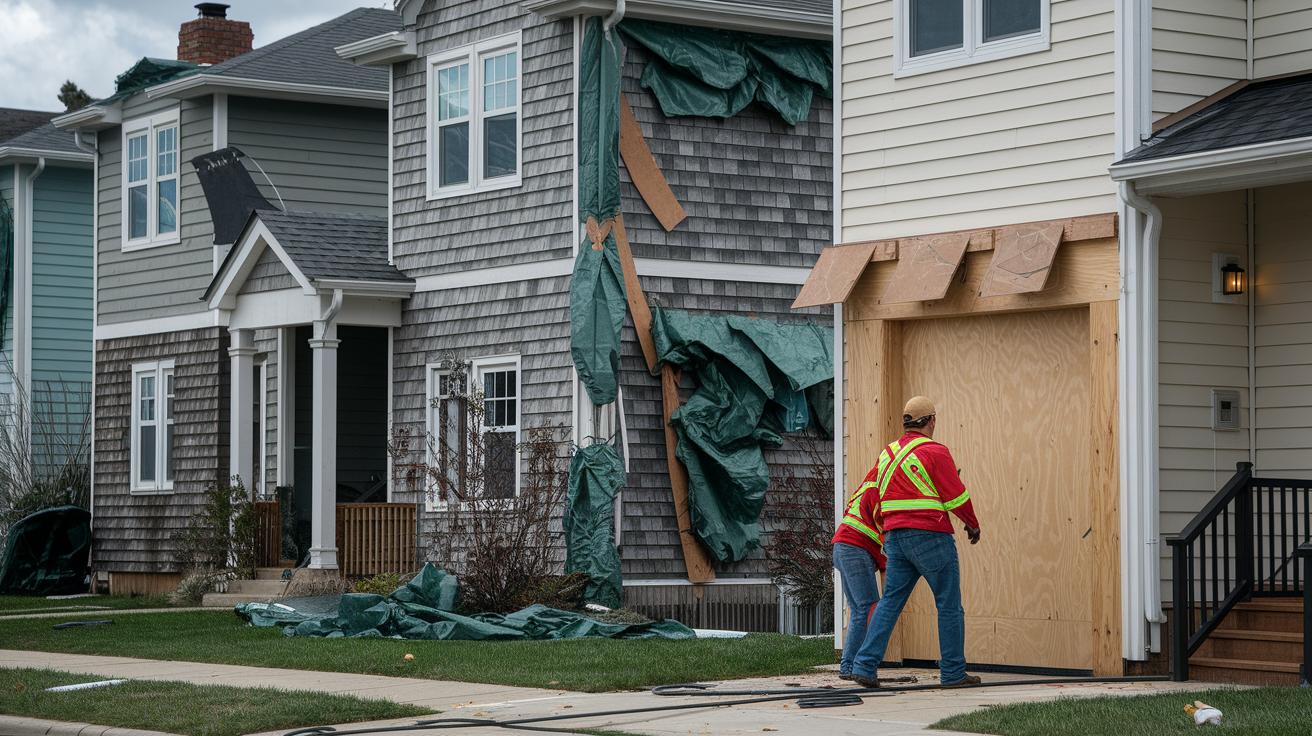
When a fire strikes, our first action is to secure the area and limit further damage. We quickly board up windows and cover open spaces with tarps and boards. This method blocks rain, wind, and debris while keeping unauthorized people out. As a result, your remaining belongings get extra protection and we set a strong base for the restoration work.
Our cleanup teams are ready 24/7 to start the salvage process. They arrive promptly, inspect the damage, and remove compromised items within hours. This fast response cuts down additional harm and makes the restoration process smoother. By addressing urgent issues immediately, we ensure that safety and protective measures are maintained at every stage.
Certified Protocols and Standards in Fire Damaged Contents Restoration
Top companies follow IICRC (industry restoration standards) guidelines to restore fire-damaged contents safely and efficiently. They use certified tools such as HEPA vacuums (high efficiency particulate air filters), thermal fogging units, moisture meters (devices that measure dampness) and submersible pumps. Our technicians wear proper gloves, respirators, and goggles to protect themselves when handling hazardous materials. Their process removes soot, smoke, and residue completely while meeting cleanup standards recognized by insurers. Every step is taken to protect your property and create a safe environment for you and your family.
Quality checks further strengthen the restoration process. Professionals use clear checklists from the initial assessment to the final sanitization. Independent third-party inspections confirm that work follows OSHA (safety rules) guidelines, reducing risks and liability. Detailed audits ensure that every cleaning protocol is met and that each project meets industry standards. This careful monitoring builds trust and supports the recovery of fire-damaged property with lasting, quality results.
Final Words
In the action, we covered both professional and DIY approaches to handling fire damage. We broke down essential steps, from damage assessment and stabilization to soot removal and water extraction. We also discussed documenting losses for clearer insurance claims and offered guidance on selecting certified teams.
Each stage plays a vital role in effective fire damaged contents restoration. Every step, from odor neutralization to final refurbishing, helps get your property back to its pre-loss condition. Positive steps now lead to a safer and restored future.
FAQ
Fire damaged contents restoration near me
When you search for fire damaged contents restoration near me, you’re looking for local experts who assess damage, extract water, remove soot, neutralize odors, and refurbish belongings using efficient and safe methods.
Fire damaged contents restoration california
Fire damaged contents restoration in California involves certified teams who follow industry protocols. They assess damage, extract water, clean soot, neutralize odors, and help restore damaged items while coordinating with your insurer.
Fire restoration checklist
A fire restoration checklist covers key steps such as damage assessment, scene stabilization, soot removal, water extraction, odor neutralization, and final refurbishment. This structured approach helps ensure a thorough and safe restoration process.
Fire clean up services near me
Fire clean up services near me refer to local professionals who immediately board up and tarp the property, then remove soot, extra water, and lingering odors to secure the area and begin restoration following a fire.
Fire damage restoration
Fire damage restoration combines inspection, cleaning, water extraction, odor neutralization, and final refurbishment of damaged contents. Professionals follow certified protocols to safely restore your home or business after a fire.
What does a fire restoration company do
A fire restoration company assesses fire and smoke damage, extracts excess water, removes soot residues, neutralizes odors, and repairs or refurbishes affected areas while guiding you through insurance claims and recovery steps.
Fire and water restoration salary
Fire and water restoration salaries vary based on expertise, location, and certifications. Typically, compensation reflects specialized skills in emergency response, damage assessment, and restoration techniques for fire and water incidents.
SERVPRO fire restoration
SERVPRO fire restoration is provided by a well-known company that offers comprehensive services including board-up, water extraction, soot removal, odor neutralization, and refurbishment to restore properties safely after a fire.