
Ever wonder how your home can recover after a fire? We follow a five-step plan to help you get back on track. First, we carefully check every part of the damage. Next, we secure your home to keep it safe and cover any exposed openings. Then, we document every detail for your insurer. Since fire damage affects millions each year, our steady, simple approach helps you start the recovery process quickly and smoothly. This guide explains how each step supports your recovery and eases the process.
Comprehensive Fire Damage Restoration Process: Step-by-Step Overview
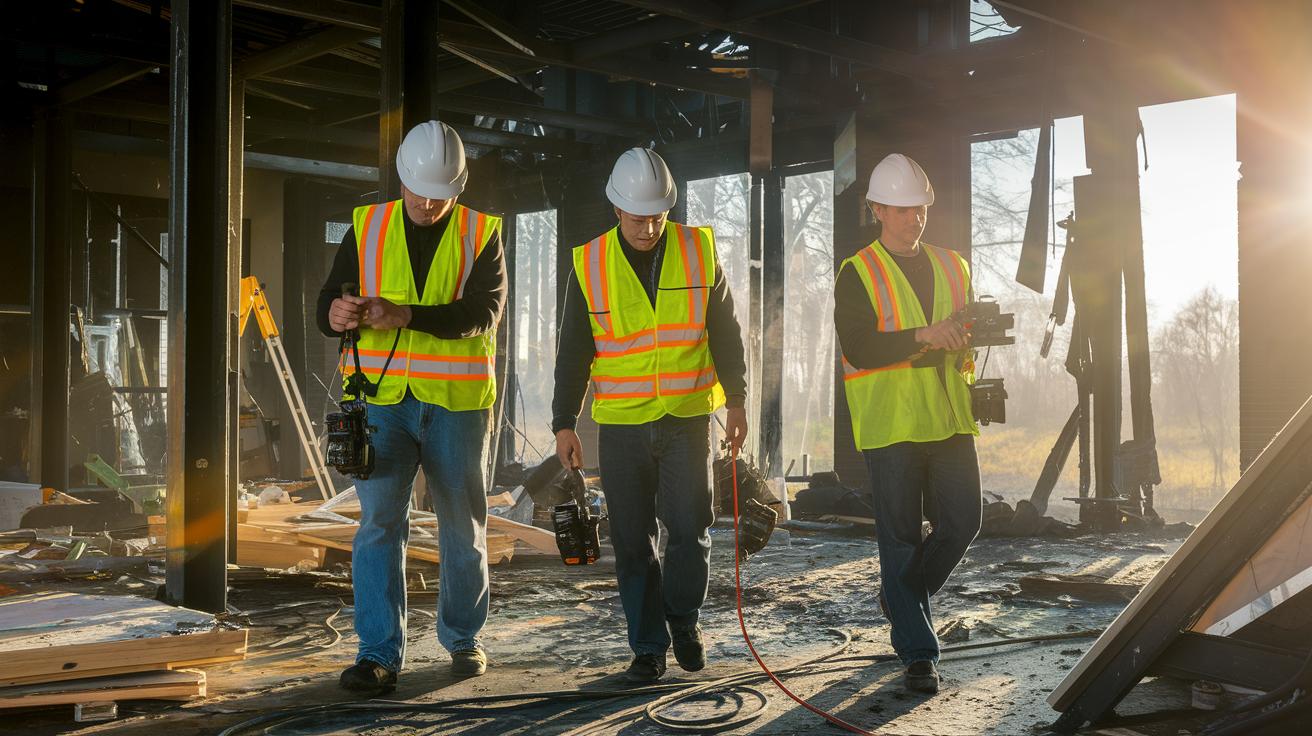
Every 23 seconds, a fire department in the U.S. rushes to a fire. Structure fires occur every 65 seconds, and home fires happen every 93 seconds. In 2021, these fires led to over 1.35 million incidents and caused $15.9 billion in property damage (NFPA). This process is designed to stop more damage, protect important belongings, and work with your insurer while keeping a clear record with photos and videos.
Key steps in our restoration process include:
-
Inspection and Assessment
Once the area is safe, our technicians check for both visible and hidden damage. They use tools like moisture meters (devices that measure how wet an area is) and smoke/soot detectors (instruments that spot signs of smoke and residue). This quick check helps us decide the best way to reduce further damage. -
Emergency Coordination Response
Our rapid response team works around the clock to secure the scene. They remove items that can be saved and cover openings with tarps, stopping extra water or smoke from getting in. Think of it as fixing a small leak before it turns into a flood. -
Documentation and Written Estimates
The team takes clear photos and videos of every damaged area. These records help plan repairs and provide accurate details to your insurance company.
Fast, clear steps matter every minute in a fire incident. Working together, we can quickly reduce further damage and help you get back to normal with less stress and lower costs.
Inspection and Assessment in the Fire Damage Restoration Process

Once first responders confirm the building is safe, our crew gets to work inspecting the property. We follow clear guidelines and use simple tools like moisture meters (tools that check wetness), smoke detectors (devices that sense fine particles), and thermal scanners (instruments that show hidden heat patterns). Sometimes, a thin residue behind a wall prompts us to take a closer look and find hidden heat damage.
We record everything in thorough inspection reports. These reports include measurements, photos, and notes on potential risks. Our check covers the building’s structure, heat signs, and any contamination. This detailed review sets the stage for cleanup, repairs, and a full restoration.
Containment and Securing in the Fire Damage Restoration Process

After we assess the damage, our team quickly removes any salvageable items and secures your home. We block off the damaged areas and cover openings with tarps to stop extra water or smoke from coming in.
Next, we perform a safety check on the structure to look for any risks of collapse or further harm. This step makes sure all affected areas stay safe before we start the cleanup.
Our main strategies are:
- Removing items that can be saved and listing them.
- Blocking off parts of the building damaged by fire or water.
- Covering broken windows or openings with tarps to protect against further exposure.
- Checking the structure for any risks and ensuring it remains stable.
Cleanup and Decontamination in the Fire Damage Restoration Process

Right after we secure the scene, our team begins the cleanup by removing water, soot, and smoke damage. We extract any standing water with strong pumps and start drying the area immediately. Dehumidifiers (machines that remove moisture) are placed in the affected areas to lower humidity and help stop mold from growing.
Next, we wash away the soot with special cleaning agents and tools. Think of it like cleaning a stained countertop with a gentle yet powerful solution that lifts out both stubborn soot and unwanted smells. This process makes walls, floors, and furniture feel clean again.
Once most of the water and soot is cleared, we focus on getting rid of any lingering odors. Our technicians use neutralizers and advanced air scrubbers (machines that clean the air) to attack the smell right at its source. It is similar to airing out a room after cooking fish, leaving the space smelling fresh and safe. We also steam clean carpets and upholstery with fabric-safe detergents to lower any chance of toxic residues.
We do not stop at the obvious spots. Our process also targets hidden areas, such as behind walls and inside attics, where smoke might have gathered. We test and treat these spaces with specific air-quality measures to protect your home and well-being.
Key steps of our process include:
- Extracting standing water and reducing leftover moisture.
- Using dehumidifiers and air scrubbers to improve air flow.
- Washing away soot and neutralizing smoke odors with special cleaners.
Each step is designed to turn a fire-damaged area into a safe space ready for repairs. By tackling water, soot, and odor issues head-on, our cleanup sets the stage for a smooth final restoration.
Structural Repair and Reconstruction in the Fire Damage Restoration Process

In the final stage, our technicians work to bring your property back to its pre-fire condition. We repair and renovate walls, ceilings, floors, and HVAC systems. For small issues, we perform spot repairs, while we rebuild entire sections if the fire has weakened the structure. We use tools like infrared scanners (devices that detect hidden heat differences) and precision saws to ensure each repair is done accurately. These tools help us find problems hidden behind walls. Here's an interesting fact: infrared scanning can reveal moisture deep inside wall cavities, showing damage that the naked eye might miss.
Every repair follows a clear timeline that keeps the work moving smoothly. We carefully plan each step, from checking horizontal beams to restoring electrical systems, to avoid delays and maintain safety. Our process includes:
- Evaluating and sorting damage to decide if a spot repair or complete reconstruction is needed.
- Using advanced equipment to find hidden issues.
- Planning repair steps to keep the project on track.
- Keeping open communication with homeowners throughout the repair.
- Meeting strict quality and safety standards at every step.
This thoughtful process not only rebuilds structural parts but also helps restore your confidence. We focus on making sure your home is safe and stable for the long term.
Insurance Coordination and Documentation in the Fire Damage Restoration Process

We build on our regular inspection process by using new tools that make insurance coordination easier. Our method now includes digital timestamping and 360-degree photos to create a clear, time-ordered record of the damage.
Here is how we manage insurance coordination:
- We label each image by room and damage type so adjusters can review them easily.
- We arrange the recorded evidence by how severe the damage is, which helps with clear claim discussions.
- We note less obvious damage, such as hidden soot or soft water stains.
- We advise homeowners to compare the final repair estimate with our original records to ensure accuracy.
- We also offer guidance on claim timelines. For example, insurance claims can take several weeks if the damage is extensive (see https://mindtangle.net?p=158).
When sorting through damage images, we recommend naming files by room (for example, "Kitchen-damage-2023-09-14") to help adjusters link photos with repair estimates quickly.
Choosing a Fire Restoration Company for Your Fire Damage Restoration Process

When you need help with fire damage, choose a company that is ready 24/7 and can offer clear advice on restoring your home. They will handle everything from the initial check to rebuilding. It helps to have a team that not only understands the cleanup process but also supports you emotionally and financially through this tough time.
Look for these key points when making your choice:
- Technicians who know every step of the fire damage restoration process
- Certifications and a commitment to meet industry guidelines (rules set by experts)
- A strong record of quality work and good project management
- Open, clear communication and detailed records of all damages
A good fire restoration company will provide onsite visits, written estimates, and a clear plan for each recovery step. They work to stop any further damage and help guide you through insurance claims. The right team will care for your home with careful attention at every stage, from containing the damage to rebuilding safely.
Post-Restoration Prevention Strategies After the Fire Damage Restoration Process
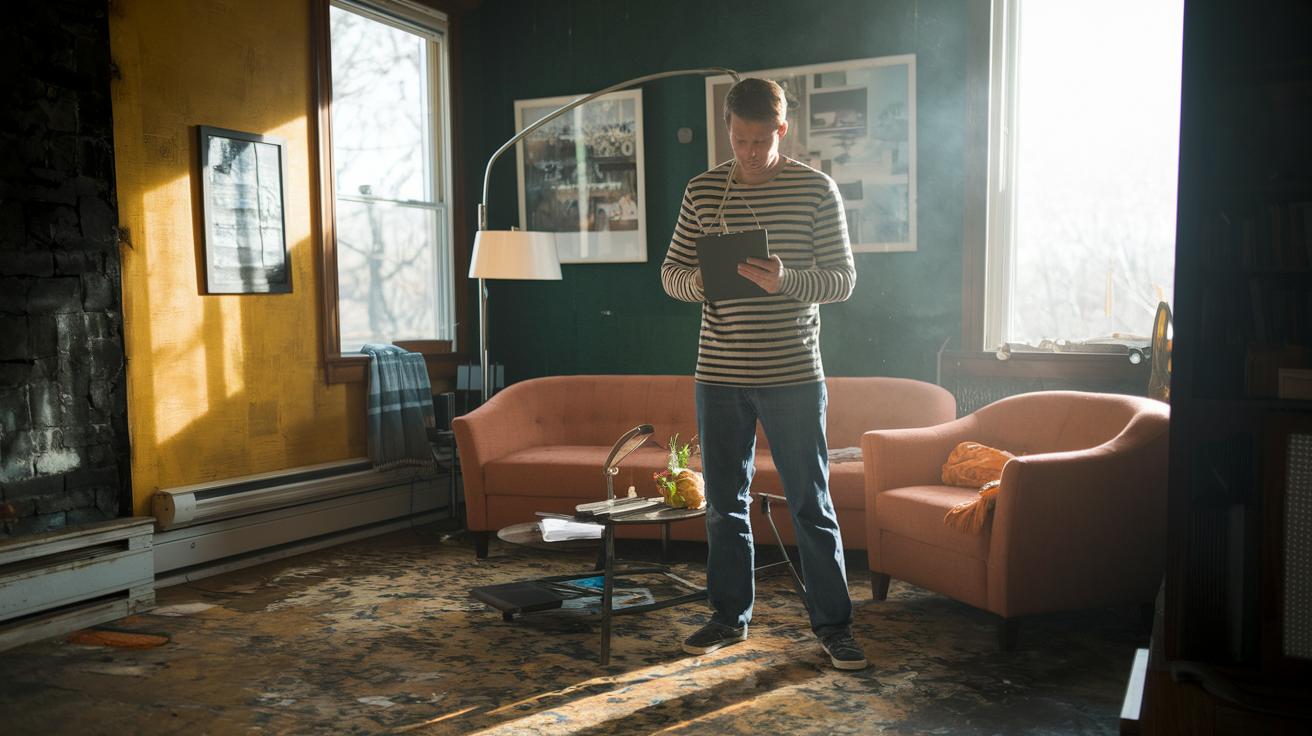
After your fire restoration work, it is important to take steps to protect your property from further damage. Leftover smoke and soot can create serious problems if not dealt with right away. We recommend checking your home frequently and following up with regular inspections. This helps us find any lingering contaminants and address them quickly.
Follow these steps to reduce future issues:
- Have regular inspections to uncover hidden damage.
- Check the air quality to make sure it remains safe.
- Plan ahead for emergencies so you are ready in case of another incident.
- Work with local recovery experts who can offer guidance 24/7.
Some homeowners try to fix problems on their own after a fire. These DIY fixes may leave hidden risks. Professional inspections, especially during high-risk times like January when heaters are used a lot, can help prevent more damage. Homes that schedule follow-up inspections see 40% fewer repeat issues compared to those that rely only on DIY methods. Keep detailed records, plan regular evaluations, and watch for any signs of trouble to keep your home safe.
Final Words
In the action, every step matters. We covered everything, from quick damage assessments and secure containment to thorough cleanup, cleanup procedures, and careful structural repair. Each phase of this fire damage restoration process is designed to limit further loss and set you on the path to full recovery. Clear documentation helps with insurance coordination, ensuring you’re supported all the way. Every measure is taken with care to restore safety and comfort, leaving you ready to face tomorrow with confidence.
FAQ
What is the residential fire damage restoration process?
The residential fire damage restoration process begins with a thorough damage assessment, followed by containment, cleaning of water and smoke damage, structural repairs, and detailed documentation for insurance claims.
What does a fire restoration company do?
A fire restoration company assesses damage, extracts water, removes soot and smoke residue, secures the property, repairs structural elements, and coordinates with insurers to efficiently restore the affected area.
What is on a fire restoration checklist?
A fire restoration checklist includes a detailed damage inspection, safety and containment measures, cleanup and decontamination steps, salvage inventory, repair and reconstruction plans, and complete insurance documentation.
How are water and smoke damages addressed in fire restoration?
Fire restoration treats water damage by extracting standing water and reducing moisture while also cleaning smoke residue, removing soot, neutralizing odors, and ensuring air quality for safety.
How much does fire damage restoration cost?
Fire damage restoration cost depends on the extent of damage, materials affected, and repair needs. A detailed inspection and written estimate are essential to determine a fair and accurate cost.
How can one restore fire damage?
Restoring fire damage requires a step-by-step process: start with a damage assessment, then perform containment, cleanup, decontamination, and structural repairs to return the property to its pre-fire condition.
How long does fire damage restoration take after a fire?
Restoration time varies by damage severity; initial cleanup usually takes a few days, while complete structural repairs and full restoration may extend over several weeks depending on the scope of work.