
Have you ever been taken aback by a huge repair bill after damage? Many homeowners face steep costs when water, fire, or storms hit their property. It can leave you wondering if you have enough information to make smart decisions quickly. Our blog breaks down 3 cost-saving tips for emergency restoration. These tips help clear up confusing estimates and hidden fees. By understanding what drives these costs, you can act fast and potentially save money. Read on to see how simple, clear advice can help you plan for the unexpected.
Emergency Restoration Cost Overview for Immediate Property Revival
Water damage cleanup usually costs between $3 and $7.50 per square foot. Clean water incidents (Category 1) cost about $3 to $4 per square foot. When gray water (Category 2) is involved, prices rise to around $4 to $6.50 per square foot plus a 10% increase. For black water (Category 3), expect to pay roughly $7 to $7.50 per square foot with an extra 20% added. For medium projects covering 200 to 800 square feet, the total can be between $2,500 and $7,000. This price covers everything from the first inspection and water removal using big pumps to drying, cleaning, and repairs. Quick action within 24 to 48 hours can help save money by stopping more damage.
It is important to act fast when water damage strikes. Quickly addressing the issue helps lower repair costs and reduces extra risks to your structure and health. Insurance plans vary, and some may cover sudden water damage, depending on your policy. Each situation is different, so a detailed inspection right away will give you a clear cost estimate to help you plan your budget.
| Service Type | Typical Cost Range | Key Notes |
|---|---|---|
| Water Damage | $3–$7.50 per sq ft | Clean water: $3–$4; Gray water: $4–$6.50 +10%; Black water: $7–$7.50 +20% |
| Fire Damage | Varies | Soot removal, structural repairs, odor control |
| Storm Damage | Varies | Debris removal, board-up services, roof tarping |
| Mold Remediation | Varies | Inspection, extraction, cleaning, microbial treatments |
Emergency Restoration Service Charge Breakdown by Type
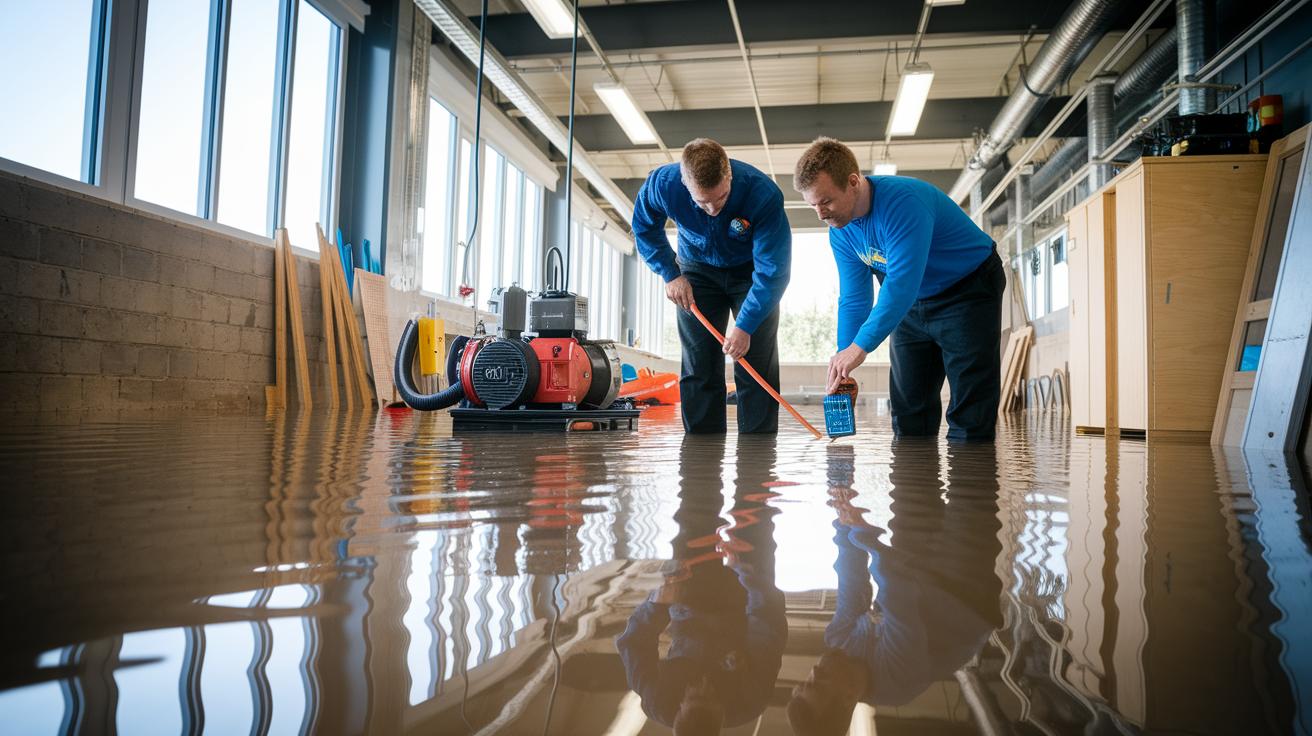
When water damage strikes your property, our team gets to work right away with powerful extraction pumps that remove water quickly. We rely on pumps like centrifugal models (which use a spinning motion to remove water) tailored to different water types and flow rates. Our focus is on choosing the right equipment and using precise monitoring so your property stabilizes fast.
- Clean Water: $3–$4 per sq ft (no markup)
- Gray Water: $4–$6.50 per sq ft (10% extra)
- Black Water: $7–$7.50 per sq ft (20% extra)
To tackle mold growth, we go beyond a basic clean. We start by using moisture meters to check for damp spots, then set up HEPA-filtered air movers (machines that help trap tiny particles) to dry those areas. Our mold work includes clear steps that are checked with special testing tools to ensure safe levels.
- Inspection: We use moisture meters to locate the affected areas.
- Containment: We create a controlled space using negative air pressure techniques.
- Removal: We use specialized tools to eliminate the mold.
- Cleaning: We apply EPA-registered antimicrobial cleaners.
- Clearance Testing: We test to confirm the area is safe.
For fire and storm damage, our technicians use standard methods and the right tools to remove soot, secure the structure, and neutralize odors. We bring in industrial-grade deodorizers and roof tarps along with quick debris board-up and careful structural checks. This approach keeps work efficient and cost-effective while protecting your home.
Factors Influencing Emergency Restoration Price Estimates
When damage hits, several factors work together to shape the cost of emergency restoration. Quick action, the type of damage, and local regulations all influence what you'll end up paying. Even a small delay or an extra permit requirement can add up, so it's important to understand these factors right from the start.
- Damage severity
- Scope of work
- Response time
- Material costs
- Local labor rates
- Permit and code fees
These items combine to determine your final bill. More severe damage usually means more repairs, which leads to higher costs because of extra materials and longer work times. A wider scope of work often requires special skills and more materials, which can increase labor costs. Acting quickly helps to prevent additional issues like mold growth. Local labor rates and the need for permits or meeting code fees also add to the expense, varying by region. Knowing these factors early on helps you plan your budget and talk clearly with restoration experts about the priorities for a safe and effective recovery.
Estimating Unexpected Emergency Restoration Pricing
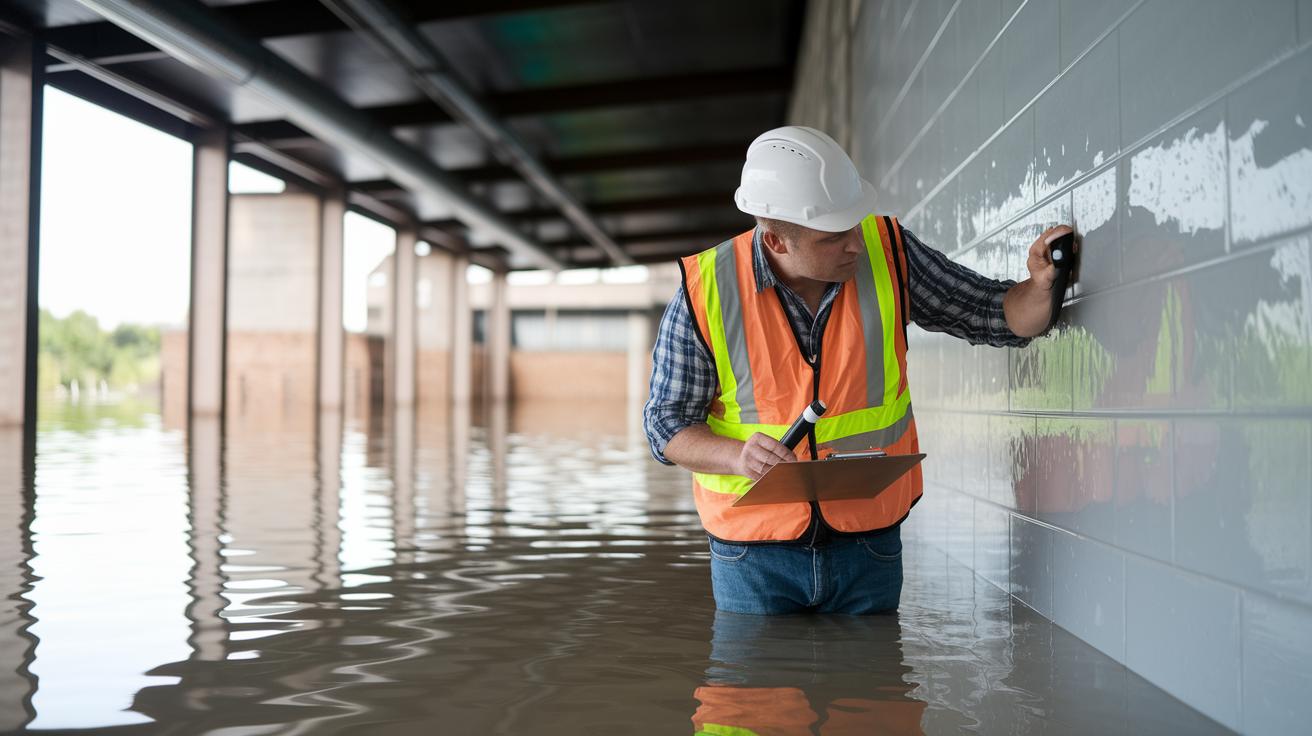
When we respond quickly, we prevent extra work. Fast action stops hidden moisture from spreading and saves you money. Every minute counts. In fact, a one-hour delay can require extra crew hours to stop water from seeping into your structure.
We compare similar projects and take a detailed look at the affected areas to set a fair estimate. Small jobs under 200 square feet usually cost less. Medium jobs from 200 to 800 square feet typically range from $2,500 to $7,000. Larger jobs need more repair work, extra labor, and additional safety measures. Acting fast helps us manage material and labor schedules while keeping costs in check.
| Project Size | Estimated Cost Range | Response Time Sensitivity |
|---|---|---|
| Small (<200 sq ft) | Varies, usually lower | High – Quick action prevents further damage |
| Medium (200–800 sq ft) | $2,500–$7,000 | High – Immediate response limits extra labor and material needs |
| Large (>800 sq ft) | Priced higher based on job scope | Critical – Every hour adds to costs |
Budget Planning for Emergency Restoration Asset Fix
When sudden damage hits your property, planning your budget carefully is key. Most insurance policies cover accidental water damage, so checking your policy first can help you know what costs you'll handle yourself. While a DIY fix might look cheaper, it can hide problems like unseen damage or mold that later cost much more. Setting a budget early helps you maintain control and avoid surprises down the road.
- Check your insurance coverage
- Get several estimates
- Set aside extra money for unexpected costs
- Research contractors and ask for clear pricing
- Plan regular maintenance
By planning ahead, you can use your funds wisely and steer clear of extra expenses later. Getting multiple estimates shows you what the work should really cost and ensures you receive honest pricing from professionals. Keeping extra money ready acts as a safety net for surprises, and regular upkeep can lessen future issues. This simple, step-by-step approach keeps you informed and helps restore your property effectively.
Phase-Wise Budget Briefing for Emergency Restoration
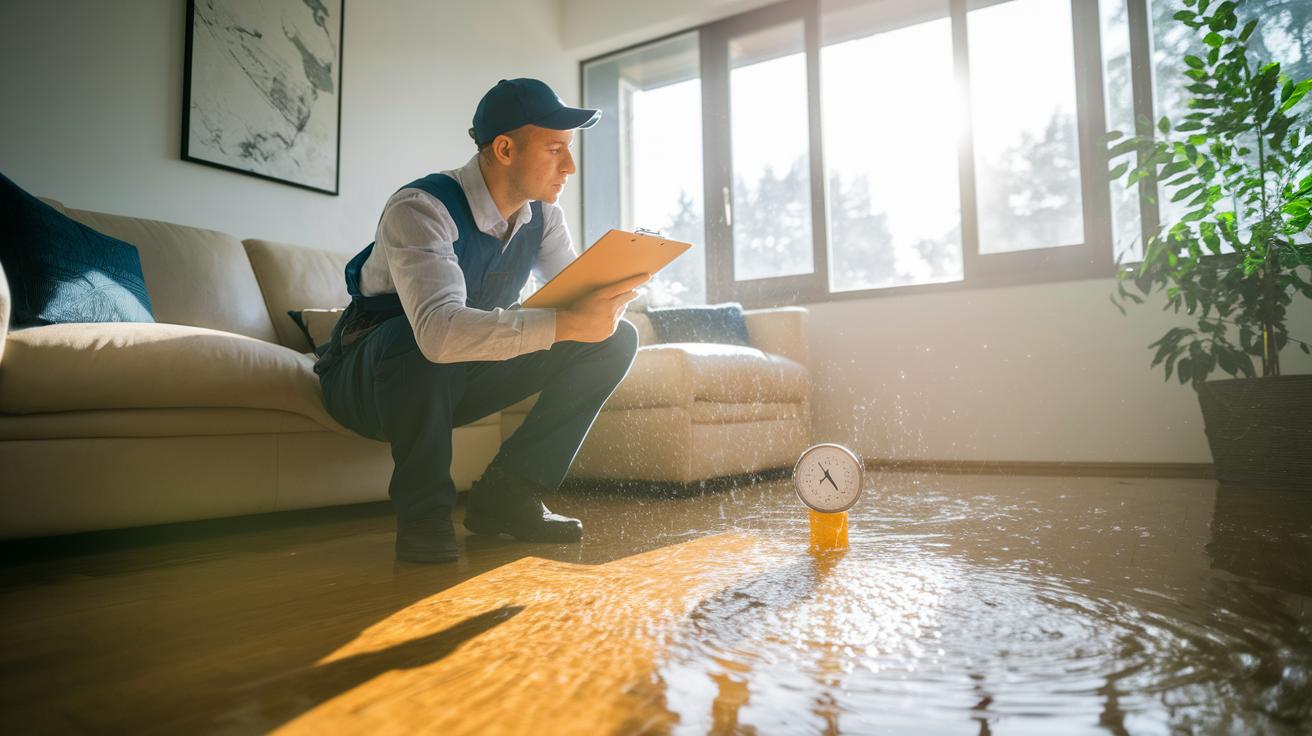
When you face emergency restoration, planning your budget in clear steps is essential. First, we inspect the damage closely to make sure nothing is overlooked. Next, we remove the water quickly to stop more harm to your home. Then, we dry your property to keep moisture low and prevent mold. We follow up with cleaning and sanitizing to remove any contaminants. Finally, repairs bring your home back to its original state. Each step uses a fixed part of your overall budget. This approach helps you manage costs and avoid surprises, giving you confidence as we work together to restore your property.
| Restoration Phase | % of Budget | Notes |
|---|---|---|
| Assessment | 10% | Checking all damage carefully |
| Water Extraction | 25% | Removing the water quickly to stop more damage |
| Drying | 20% | Lowering moisture to keep mold away |
| Cleaning | 15% | Sanitizing spaces and removing debris |
| Repairs | 30% | Fixing and rebuilding affected areas |
Insurance and Financing in Emergency Restoration Cost Appraisal
Many homeowner insurance plans cover accidental damage that happens suddenly. When this damage occurs, you will need to document everything, so an adjuster can assess your claim. Once your deductible is reached, you receive a payout from your insurer. However, you might still have some out-of-pocket costs depending on your coverage. Sometimes, hiring a public adjuster can help make sure every bit of damage is recorded properly, which can boost your claim's value. Acting quickly when damage occurs helps keep the process smooth and may reduce extra expenses.
Follow these steps:
- File your claim right away.
- Understand your deductible.
- Document every part of the damage.
- Consider hiring a public adjuster.
If your insurance does not cover all repair costs, you may need to look at other financing options. Personal credit can offer fast access to funds with flexible repayment, and restoration loans are designed for emergencies and may come with competitive rates. Each option has benefits and drawbacks that need careful thought. If you need assistance, our team can help point you to trusted insurance claims support during the process.
| Financing Option | Pros | Cons |
|---|---|---|
| Insurance Payout | Covers major repair costs when claims are done right | May involve deductibles and delays for adjuster approvals |
| Personal Credit | Quick access to funds with flexible terms | Often carries higher interest rates and may impact your credit score |
| Restoration Loan | Tailored for emergency repairs with competitive rates | The application process may slow funding and include strict lending requirements |
Final Words
In the action of emergency restoration, we explored price ranges for water, fire, storm, and mold damage. We broke down service costs, key factors, and budgeting strategies that help reduce repair costs through quick response and smart planning.
This emergency restoration cost guide provides a clear view of what to expect. With details on damage severity, insurance paths, and critical steps, every homeowner can plan for a safe return to normal and full property recovery.