
Have you ever thought that a flood might hide dangerous electrical hazards? When water seeps into outlets and wiring, it can create serious risks that are not always obvious. Even if surfaces seem dry, hidden moisture can still be present and lead to shocks or further damage.
Here are the steps you should take after a flood:
- Turn off your main power to reduce the risk of electric shock.
- Call a professional right away to inspect your home and repair any damage.
Taking these precautions quickly can protect your family and help prevent unexpected dangers from hidden moisture in your home.
Essential Electrical Safety Steps After Flooding
Flooding can create hidden electrical risks by letting water seep into outlets, panels, and wiring. Even if things look dry, moisture can lead to corrosion and increase the chance of shock.
- Turn off the main power right away. This stops the flow of electricity and reduces shock risk.
- Put on safety gear like gloves, boots, and goggles. (These items protect you from injury.)
- Stay clear of any wet electrical panels. Keep your hands and tools away until they are safely inspected.
- Look over your wiring, outlets, and circuit breakers carefully. Check for any signs of water damage or corrosion.
- Call a licensed electrician to inspect the damage thoroughly and make any needed repairs.
- Do not restore power until an expert tells you it is safe. Avoid resetting breakers or fixing issues yourself, as hidden moisture can cause future hazards.
Following these steps helps protect you and your home. Even if surfaces seem dry, water can hide in panels and wiring, causing dangers like arc faults and short circuits. Always have a professional check your system to be sure it is safe before turning the power back on.
Identifying Flood-Related Electrical Hazards
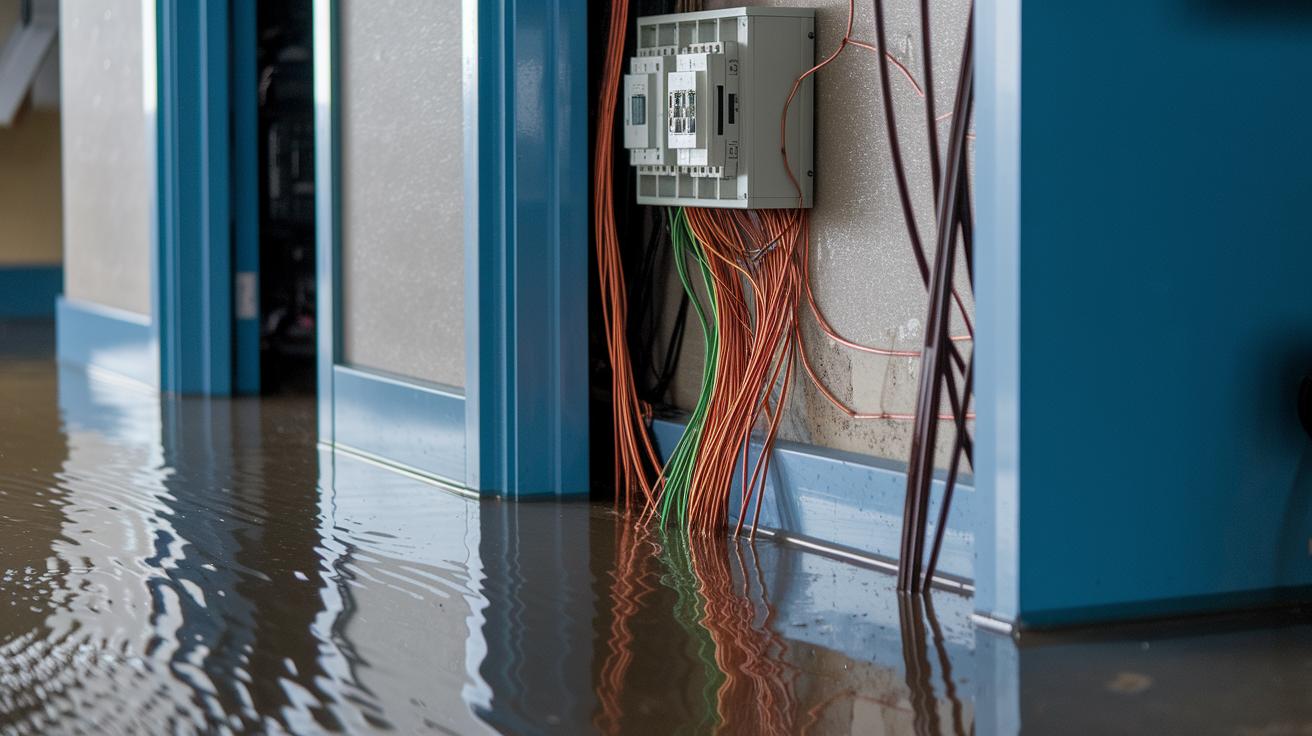
Floodwater can carry minerals, salts, and other contaminants that may allow electricity to flow even after the water evaporates. When the water dries, these minerals stay behind, turning surfaces into paths for electricity. This natural conductivity can cause dangerous changes in copper wiring. Corrosion (damage due to chemical reaction) can begin in just one day.
Water can seep into building materials through a process called capillary action. Moisture can travel up through drywall and reach electrical boxes and wires. Condensation, which is water droplets forming from warm air, may also build up inside metal boxes and on the insulation. This increases the chance of electrical shorts and arc faults (sudden electrical discharges). All these effects work together to weaken the home electrical system over time.
Moisture that hides behind walls can threaten home wiring safety. Even if panels and outlets look dry, water may be trapped behind walls or in conduits. This trapped water can lead to heat buildup and possible fire risks. Hidden water can damage insulation and cause short circuits due to moisture. Over time, damp areas might spark unexpected electrical arcs that can start fires or harm the power system. It is important to understand these risks. Just because a surface looks dry does not mean it is safe. A professional inspection is needed to manage high-voltage risks in water-damaged areas.
Post-Flood Circuit Inspection and Moisture Detection Techniques
After a flood, hidden moisture in electrical systems can create serious hazards. Homeowners and technicians must use the right tools to check that circuits are safe before starting any repairs.
| Tool | Purpose | Usage Frequency |
|---|---|---|
| Non-contact voltage tester | Ensure there is no live current | Check every circuit before work |
| Moisture meter | Find hidden dampness | Used on wall cavities and panels |
| Circuit tracer | Locate circuits affected by water | Scan before repairs |
| Infrared thermometer | Identify thermal irregularities | Check after repairs |
Start by using a non-contact voltage tester. This tool confirms that no circuit is live and helps prevent accidental shocks. Next, use a moisture meter on wall cavities and panels to locate any hidden damp areas.
Once you have identified the damp spots, run a circuit tracer to pinpoint the specific circuits affected by the water. This step makes it easier to see where wiring or insulation might have been damaged.
After any repairs, use an infrared thermometer to check for hot spots. This tool can reveal temperature differences that could point to ongoing electrical issues.
Following these steps with the proper tools gives you a clear picture of your electrical system's condition. This methodical approach helps reduce risks like short circuits or arc faults, keeping your home safe.
Comparing DIY Checks and Professional Post-Flood Assessments
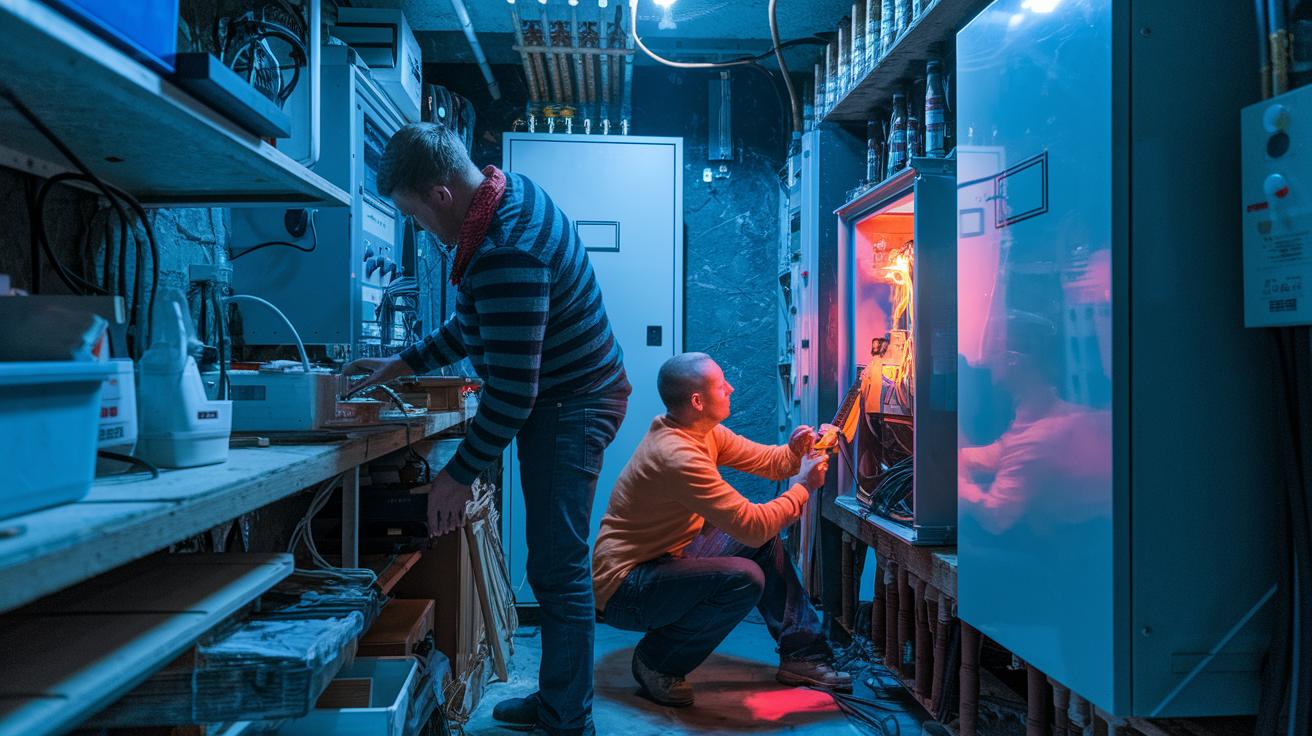
Homeowners sometimes try a quick fix by checking panels and airing out equipment, thinking that if everything looks dry, it must be safe. But these simple checks often miss moisture hidden in outlets, junction boxes (groups of wires connected together), or wiring channels. Licensed electricians and restoration experts use special tools like moisture testers (devices that check for hidden water) and infrared cameras (tools that show temperature differences) along with step-by-step checklists to find damage that you could miss.
Skipping a thorough professional check can lead to problems later on. Basic DIY methods might not catch early signs of corrosion, worn-out insulation, or heating spots that could eventually cause a fire. Resetting breakers too soon or relying on simple drying methods often leaves behind hidden dangers that can grow over time. Professionals catch these issues early, lowering future risks and making sure that any repairs meet strict safety standards.
Strengthening Electrical Systems With Preventive Upgrades After Flooding
Flooding can uncover hidden electrical risks that can put your home in danger. Old electrical panels may not handle a sudden burst of power and missing safety parts can let harmful surges reach your circuits. Upgrading your system now will protect your home after a flood and guard it against future water damage and voltage spikes from heavy rain.
- A whole-house surge protector helps block power surges often caused by lightning.
- Upgraded panels stop circuits from being overloaded.
- Arc-fault circuit interrupters (devices that shut off power when they sense a harmful electrical arc) cut off dangerous sparks.
- Sealed outdoor boxes and watertight covers protect against future water damage.
Adding these upgrades helps reduce electrical hazards in your home. With surge protectors and modern panels, your system is ready to handle both the flood aftermath and coming storms. These measures not only make your home safer but also extend the life of your electrical components and lower the risk of expensive repairs. Investing in these preventive upgrades creates a strong electrical system built to face unexpected challenges while keeping your home secure.
Safe Power Restoration and Appliance Precautions Post-Flood
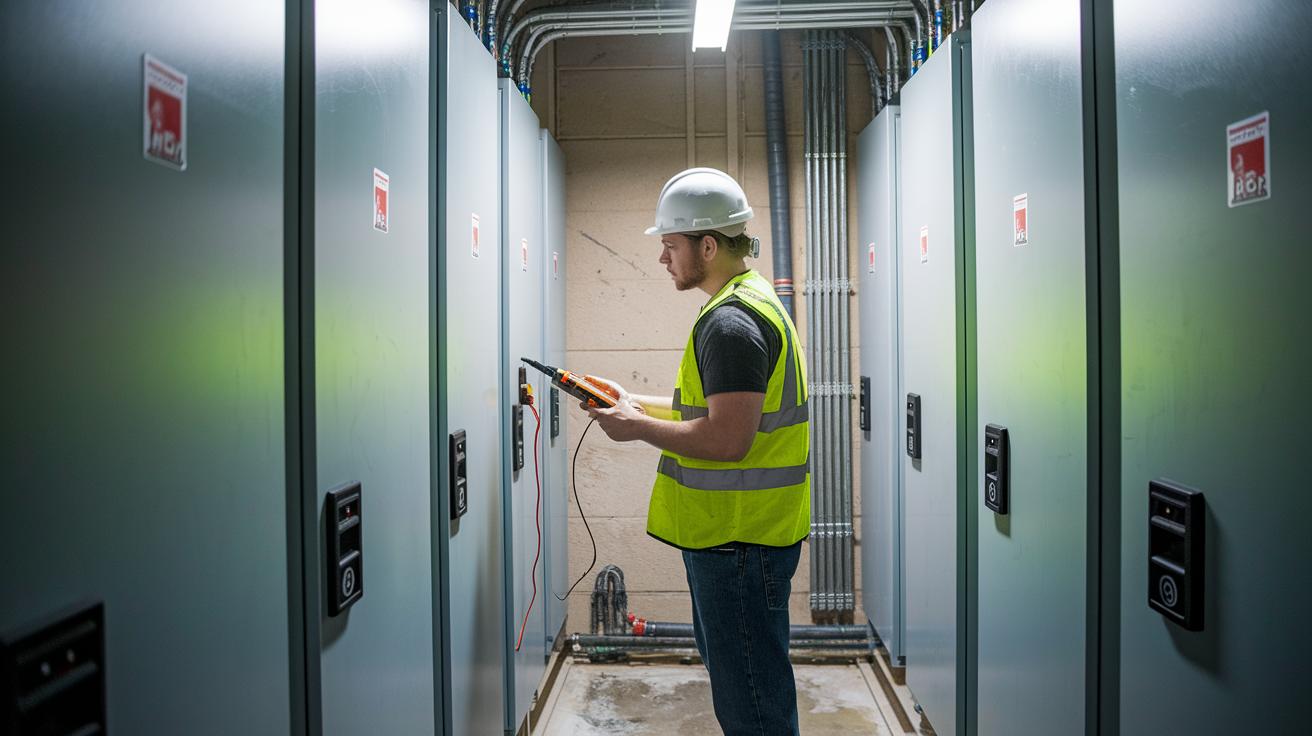
Before you restore power, check that all electrical panels are completely dry. Use a voltage tester to make sure no water is hidden in outlets, junction boxes, or wiring channels. Only reset breakers after you inspect the entire system. This step helps prevent shocks or fire risks caused by water in your electrical system.
Test every outlet, especially those with GFCI protection (a safety feature that cuts power during faults). Use a non-contact voltage tester to confirm that panels and receptacles have no live current before you handle them. Verify that each outlet trips when tested. This careful testing keeps you safe and helps avoid using outlets that might still be faulty after water exposure.
Inspect all appliances before plugging them back in. Look over each device and dry them thoroughly if you see any moisture. Check that refrigerators, microwaves, and other key appliances show no signs of water damage. If you have a backup power system, use it to test the devices. Also, remember that extension cords are only a temporary fix and should not replace proper wiring. Following these steps creates a safe plan for restoring power and keeps your home secure.
Ongoing Maintenance and Long-Term Risk Management
Regular upkeep is essential for keeping your flood-damaged electrical system safe. Check the wiring insulation for any cracks or bubbles and look around outlets and panels for water damage. Every six months, inspect wall cavities for moisture that can lead to future problems. Early detection can help you avoid expensive repairs and reduce the risk of arc faults or hotspots.
Each year, ensure your grounding system works correctly by testing the connections to meet current safety standards. Twice a year, carry out a full safety check to spot issues like power line corrosion, overheating areas, or worn-out insulation. These routine checks help keep your system safe, compliant with codes, and strong against moisture damage.
Keep a detailed record of every inspection and repair. This documentation is important when you need to coordinate with local inspectors or safety officials in the future.
Final Words
In the action, we've covered a clear checklist for handling flood-related electrical risks. We showed how to shut off power, wear proper PPE, and safely assess areas before contacting a licensed electrician. The post also compared home checks with professional inspections and offered preventive upgrades for lasting protection. Following these steps keeps your home secure and lowers repair costs while guiding you through insurance claims. Keep calm and remember that proper electrical safety after flooding protects both your property and well-being.
FAQ
What does electrical safety after flooding reddit mean?
Electrical safety after flooding means shutting off power, wearing PPE, and avoiding contact with wet panels to prevent shock. Reddit posts stress calling a professional electrician to confirm safety before restoring power.
What happens to electrical outlets in a flood?
In a flood, electrical outlets may retain moisture and show signs of corrosion. This hidden dampness can lead to short circuits, so a licensed electrician should inspect them before any use.
Do you need to replace electrical wiring or rewire your house after a flood?
Flooding can damage wiring insulation and cause corrosion. A licensed electrician must evaluate the damage, as replacement or even complete rewiring may be necessary if safety or code issues arise.
Can you get electrocuted if your house floods?
Yes, flooding raises the risk of electrocution because water conducts electricity. Avoid touching wet panels or outlets, and always cut power immediately to minimize shock hazards.
How is an electrical test after water damage performed?
An electrical test uses non-contact voltage testers, moisture meters, and circuit tracers to check circuits, detect damp areas, and identify any hidden faults before power restoration.
Can water in electrical systems cause a fire?
Water can cause short circuits and corrosion that may spark a fire. Damaged wiring or concealed moisture increases ignition risks, so professional inspection and repair are essential.
Why does a water leak trip the electric breaker?
A water leak can create a short circuit by bridging electrical connections, which overloads the circuit. This trips the breaker as a safety measure to prevent further electrical damage.
How do I handle water-damaged electrical equipment?
Water-damaged electrical equipment should be inspected and either thoroughly dried or replaced by a professional. Using damaged equipment can lead to malfunction, shock, or fire hazards.
What steps should be taken before turning on electricity in a house after flooding?
Before restoring power, shut off the main breaker, inspect all electrical systems, confirm that wiring is dry, and have a licensed electrician evaluate the setup to prevent electrocution or fire risks.
How long does it take for electrical wiring to dry out after flooding?
Drying time for wiring varies from several days to weeks, depending on damage extent. Even if surfaces seem dry, hidden moisture might linger. Always rely on a professional assessment before turning power back on.
When is it safe to turn on the breaker after a flood?
It is safe to turn on the breaker only after a licensed electrician verifies that all wiring, outlets, and panels are completely dry and show no hidden moisture or damage.