
Ever wonder how a small issue can quickly become a big one? Our disaster mitigation services act like a solid dam, stopping rising water and damage before they reach your home or business. We plan early, act fast, and rely on decades of hands-on experience. Since 1979, our team has inspected sites, mapped out repairs, and made smart choices to keep properties safe. By taking quick action, we turn what starts as a minor leak into a controlled, manageable situation, helping you build a safer future.
disaster mitigation services: Secure Resilient Futures
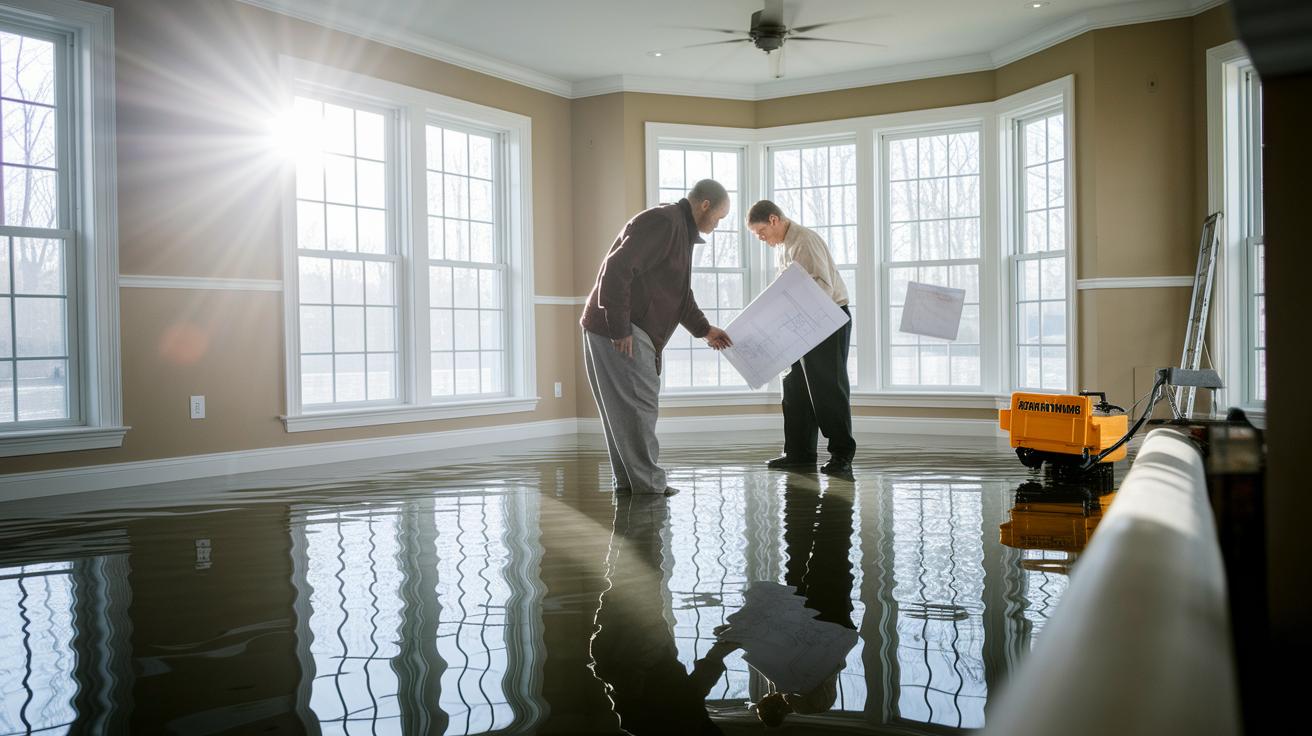
Mitigation means stopping disasters from causing big problems before they happen. Think of it as stopping a small leak from becoming a flood. Restoration, on the other hand, is what we do to fix everything and bring your property back to normal after an incident. When we arrive at a property, we start with a careful walkthrough, plan steps to lessen the damage, and then carry out those steps with care.
Since 1979, Arkansas’ First Onsite has kept properties safe. They focus on fixing homes and businesses after floods, fires, storms, and other hazards. Their team checks every part of the property, plans repairs based on the specific risks, and then works quickly to secure the area and start the repairs. They follow clear guidelines to help keep costs down and reduce the time you are affected.
Our disaster recovery restoration services use the latest resources and trusted techniques to protect your home or business. These services include:
| Service | Description |
|---|---|
| Site Assessment | We check your property to find weak spots. |
| Detailed Planning | We plan practical steps to make your building stronger. |
| Swift Execution | Our team acts fast to limit losses and keep your property safe. |
This full-service approach helps lower disruptions and keeps your property safe from future hazards. We use proven methods and smart planning to help both homeowners and businesses build a secure future. Every job builds on many years of experience and careful certification-backed work, so you can count on us during tough times.
Hazard Risk Evaluation and Catastrophe Risk Analysis Techniques
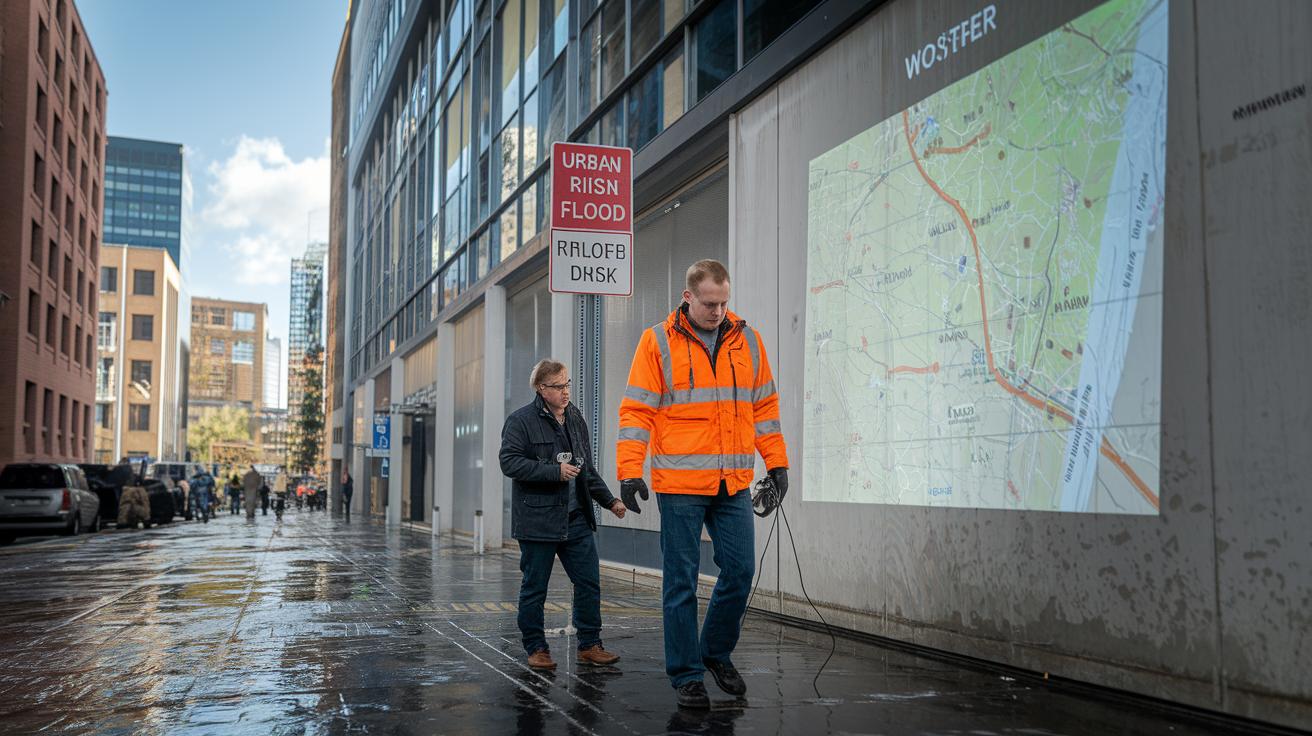
Service providers start with a clear risk assessment to quickly decide which areas need urgent care. First, experts visit the site to check the building's structure, take moisture readings, and spot any safety hazards. Then they use simple tools like weather models and flood maps to plan for potential issues like water intrusion and severe storms.
A full evaluation includes:
- Quickly assessing the site to find any current or upcoming issues.
- Watching weather trends with forecasting models to judge the risk.
- Ranking repairs based on how serious future incidents might be.
In March, First Onsite handled an EF-3 tornado in Cave City, AR. Their team arrived by Saturday morning to secure the structures and check on belongings. This fast action helped reduce immediate dangers and set the stage for the repair work that followed. They rely on both smart prediction tools and hands-on checks to plan their work.
The team also uses seismic tools (for detecting earthquake risks) and flood risk calculators to understand each site's vulnerability. This proactive approach means that tasks are prioritized to prevent further damage while offering clients a mix of fast action and long-term protection.
Structured Emergency Recovery Planning and Pre-Loss Readiness Programs

Emergency recovery planning gives you a clear guide for fast, organized action before trouble strikes. It sets up step-by-step instructions so every team member knows their role. The plan covers how to talk to each other, gather needed supplies, and bring trusted partners on board without delay. For instance, it may include a phone tree (a list showing who calls whom) and specific meeting spots. Imagine if everyone knew exactly who to call and where to go, that is secure planning.
Practice drills and tabletop exercises help teams get ready by simulating real events. These hands-on sessions show how to move supplies fast, clear up any confusion about roles, and solve problems as they come up. The key benefits include:
- Faster decision-making when stress builds
- Clear and simple communication among teams
- Quick spotting of any missing parts in the plan
First Onsite’s Pre-Loss Readiness (PRIME) Program builds on these ideas. This free training offers workshops where businesses and organizations learn easy ways to cut down response time and restart operations after an incident. During the sessions, participants take part in hands-on drills, work through scenario practice, and join group discussions that make everyone more resilient. They learn how to move supplies properly, set up easy communication channels, and team up for extra support. This training helps reduce disruptions and curbs extra costs when unexpected problems occur, so that when a crisis happens, everyone knows how to act fast and safely.
Full-Spectrum Environmental Remediation and Restoration Services
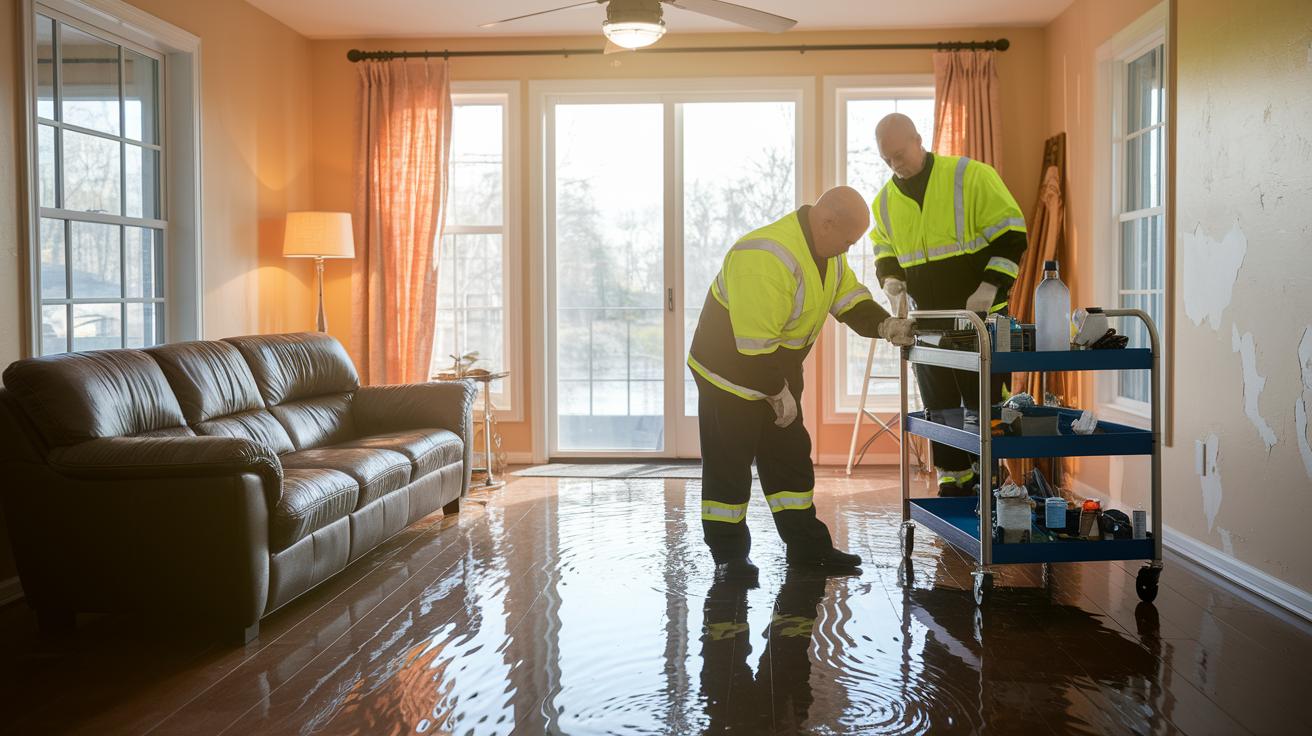
When damage strikes, our team moves quickly to restore your property. We use clear, proven methods to help keep your home safe and comfortable. Our experts follow strict safety rules and hold all the required certifications. For example, when mold is detected, we use proper cleaning methods to prevent it from spreading, much like cleaning up a spill before it worsens. You can learn more about these best practices here: diy mold remediation.
Our services include:
- Fire and smoke damage restoration: We remove soot and repair structural damage fast.
- Natural disaster recovery: We secure and stabilize your property after floods and storms.
- Environmental remediation (mold cleanup): We clean mold carefully to prevent health risks.
- Asbestos abatement: We remove hazardous asbestos safely by following strict guidelines.
- Environmental and bio-recovery: We clean up and dispose of biological hazards to protect your indoor air quality.
- Facility hygiene: We provide thorough cleaning to keep commercial and public spaces sanitary.
- HVAC cleaning: We clear dust and contaminants from air ducts and systems.
- Infection control: We use proven methods to eliminate pathogens and lower infection risks.
- Odor removal: We tackle persistent, sour smells after damage incidents.
- Temporary walls: We install quick barriers to secure open areas until full repairs can be made.
- Reconstruction: We offer professional rebuilding that restores structural integrity and design.
- Contents restoration: We carefully clean and salvage personal items after an incident.
Each service is backed by expert knowledge and advanced equipment. We work to reduce downtime and protect your investment by meeting high standards for safety and quality.
Licensing, Certifications, and Regulatory Standards for Mitigation Providers

Disaster mitigation companies must follow many rules set by local, state, and federal authorities. Companies such as First Onsite have the proper licenses and certifications to handle both environmental and building projects. They hold credentials like IAQA, which certifies indoor air quality skills, IICRC, a standard for restoration, and state licenses for mold remediation. These qualifications show that a company is trained and ready to manage challenging situations while keeping safety first.
Regular checks and safety inspections help keep everything in line with strict rules. These inspections ensure that work is done correctly and allow any issues to be fixed quickly, preventing further damage in the process.
Industry awards also speak to the quality of a mitigation provider. For instance, First Onsite earned the North Little Rock Chamber's 2020 Medium Business Partner of the Year award. This recognition, along with their adherence to tough regulatory standards, proves that the team is trusted to protect property and lives during emergencies.
Community Crisis Intervention and Educational Initiatives
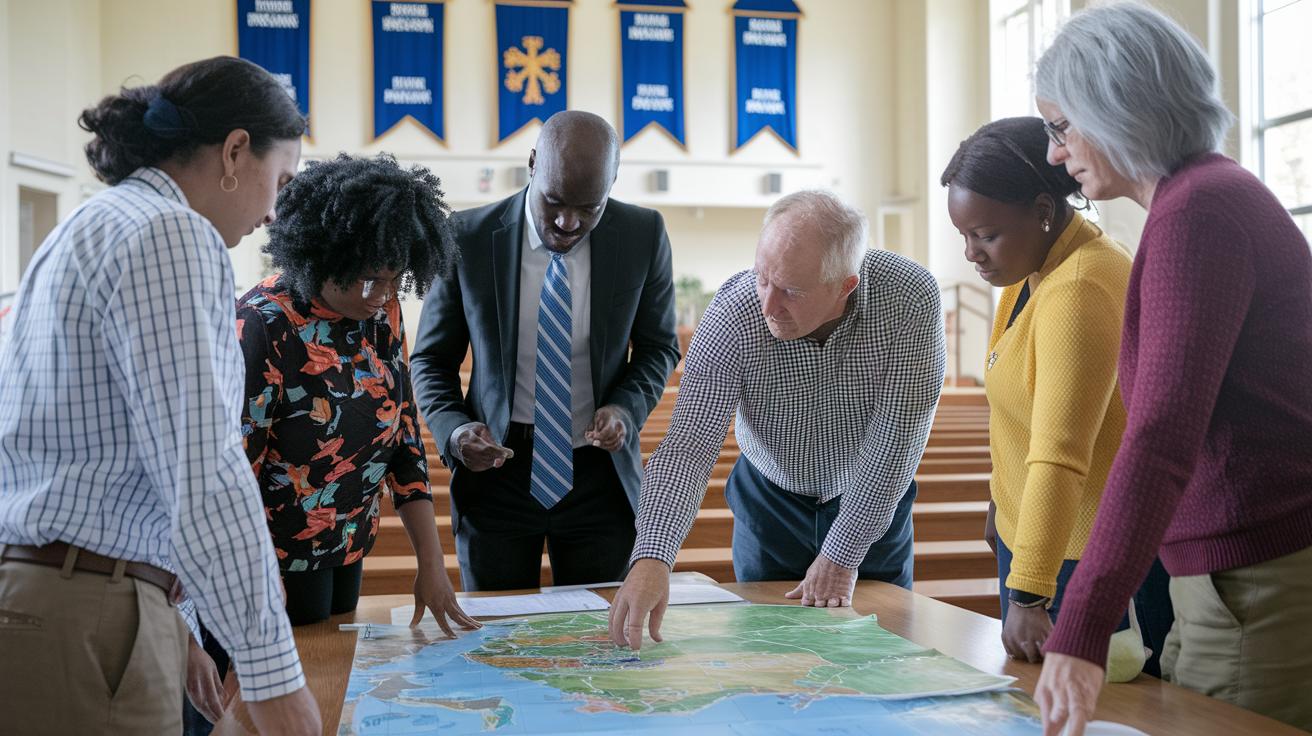
At First Onsite, we believe in keeping your community ready for emergencies. Our PRIME Program mixes clear pre-loss planning with training that meets local needs. We offer free workshops and crisis-response training at places like Cave City Church, schools, healthcare centers, and offices. This work builds strong local readiness and helps coordinate responses during tough times.
The PRIME training covers key topics such as:
- Clear emergency communication so everyone knows what to do
- Safe evacuation methods and assigned roles that keep responses organized
- Real-life drills for events like severe weather to boost community strength
Partnering with local churches, schools, and health facilities has led to real improvements in safety, ensuring that everyone can act quickly and safely when emergencies strike.
Post-Crisis Restoration Efforts and Long-Term Resilience Building
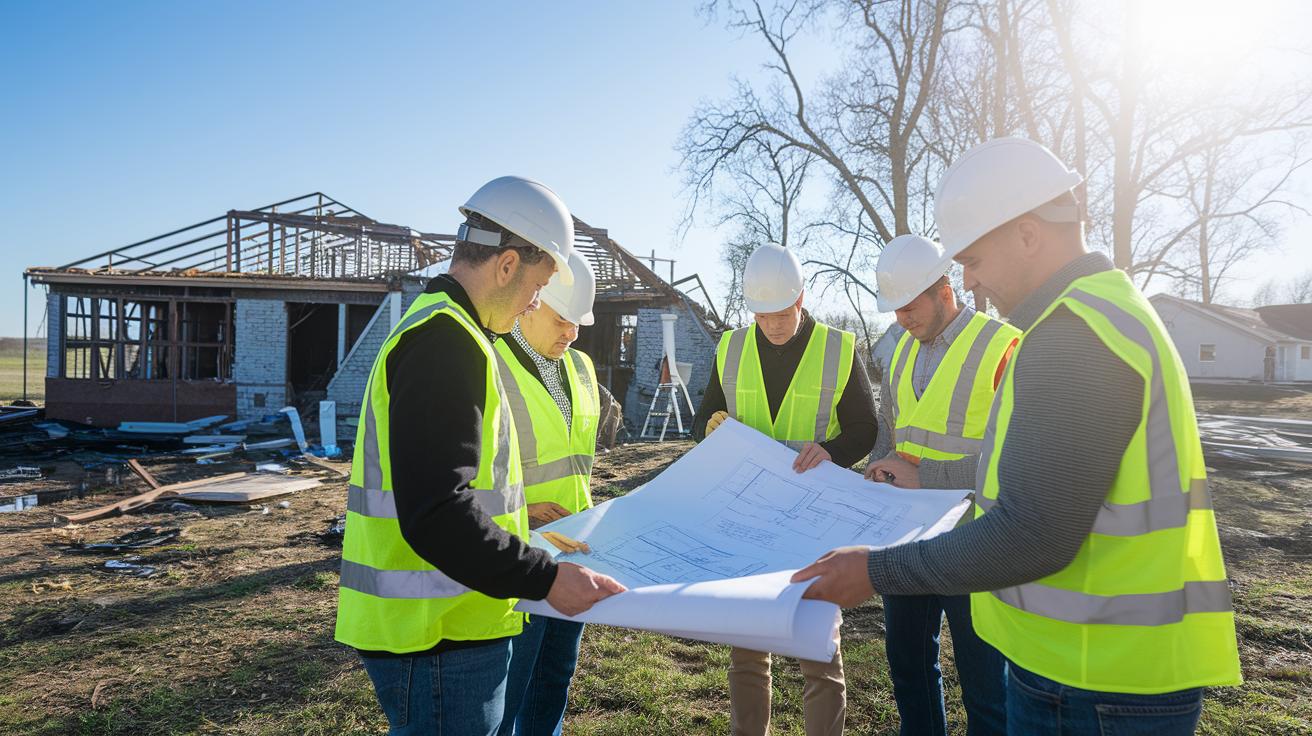
Once the immediate crisis is over, we focus on rebuilding your property with a plan that not only brings things back to normal but also makes your structure stronger for the future. We know how stressful this is, so we work carefully to lower your business downtime and help you feel secure by delivering reliable, top-notch work. We stick with you every step of the way to capture every detail and plan repairs that are built to last.
Our process follows a clear five-step plan:
-
Damage Documentation and Scope Definition
We begin by inspecting your property closely and recording all the damage. This step gives us a clear list of repairs needed, such as noting water-damaged drywall or weakened supports. -
Reconstruction Design and Hardening Solutions
Next, we design a plan to rebuild and reinforce your property. This may involve upgrading materials or adding modern safety features to protect the building better. -
Implementation of Resilience Policy Frameworks
We then apply safety and durability guidelines to every part of the job. By using these standards, we help shield your property from future problems. -
Continuous Monitoring and Performance Metrics
As reconstruction progresses, we keep an eye on how things are turning out. Constant checks ensure that every part of the structure meets our high standards. -
Formal Handover and Maintenance Planning
Finally, we complete the project with a formal handover. We also set up a maintenance plan with regular checks and advice on any future repairs to keep your property safe and sound.
This step-by-step plan makes sure that post-crisis restoration not only returns your space to a safe, working state but also builds a stronger, safer foundation for the future.
Final Words
In the action from hazard risk evaluation to full-spectrum environmental remediation, each step plays a crucial role. We discussed clear risk assessments, structured recovery planning, and thorough licensing standards. We also covered community crisis intervention and long-term resilience building. Disaster mitigation services help reduce secondary damage and protect your property. These steps work together to stabilize your home quickly and safely. With careful planning and expert response, every measure reinforces a safer, positive recovery pathway.
FAQ
FEMA login Check Status
The FEMA login check status allows users to view updates on their disaster assistance applications. It provides real-time information about your account and any pending claims during emergency events.
National Disaster and Emergency Management University
The National Disaster and Emergency Management University offers education and training in emergency response and disaster management. It builds the necessary skills for effective coordination during crises.
What does FEMA do in and after a disaster?
FEMA works to coordinate emergency response by providing shelter, funding, and recovery resources immediately after a disaster. Their actions aim to support communities by restoring services and guiding long-term rebuilding efforts.
FEMA disaster assistance phone number
The FEMA disaster assistance phone number connects callers to emergency support services. It provides guidance on filing claims, accessing resources, and receiving updates during disaster events.
FEMA Mitigation grants for homeowners
FEMA mitigation grants for homeowners offer financial assistance to reduce future disaster risk. These grants help fund projects like home retrofitting and safety improvements to lessen potential damage.
FEMA training login and FEMA Independent Study login
The FEMA training and Independent Study login portals allow users to access online courses in disaster preparedness. They provide essential educational resources to enhance personal and community readiness.
What is disaster mitigation?
Disaster mitigation refers to proactive measures aimed at reducing the impact of disasters. It involves planning, site assessments, and safety improvements to protect property and minimize damage before an event occurs.
What is the $1000 disaster payment?
The $1000 disaster payment is financial aid provided to eligible individuals to help cover emergency costs after a disaster. It serves as immediate partial relief during the recovery process.
What are the 4 types of hazard mitigation actions?
The four types of hazard mitigation actions include prevention, protection, relief, and recovery. Together, these steps work to reduce risk, secure communities, and support recovery after hazards.
What are the three main types of disaster mitigation strategies?
The three main types of disaster mitigation strategies focus on risk reduction, preparedness planning, and recovery efforts. These strategies help lessen damage, speed up response times, and support rebuilding processes.