
Ever wonder if there's a hidden danger in your neighborhood? You might be surprised to know that harmful biological agents are not just found in labs or hospitals. They can show up in homes, offices, and public spaces. In this article, we explain what a biohazard is and why it is important to handle these materials safely. We also share simple steps you can take to protect yourself and your family.
Definition of a biohazard: Crucial Safety Perspective
Biohazards are biological substances that can harm people if they are not handled safely. These include bacteria, viruses, medical waste, and even certain animals that might carry germs. We often think of biohazards as things found in laboratories or hospitals, but they can also show up in our daily lives.
For instance, homes, offices, and public places might have biohazard work areas. Blood and bodily fluids from injuries or first aid require careful cleanup with personal protective equipment. Biohazards like blood and bodily fluids require PPE during cleanup to prevent infection. This precaution helps keep the risk of spreading germs low.
Here are some common examples of biohazardous materials:
| Example | Description |
|---|---|
| Blood & bodily fluids | Fluids that need careful cleaning |
| Medical sharps | Items like needles that can cause cuts |
| Contaminated animal products | Materials from animals that may carry germs |
| Decomposing organic matter | Rotting tissue that can spread bacteria |
| Infectious aerosols | Airborne droplets that can carry infections |
Taking proper care when handling these materials is essential for safety. When the right steps are taken, you can greatly lower the chance of getting sick.
Biohazard Classification and Risk Levels
Risk Levels 1 & 2
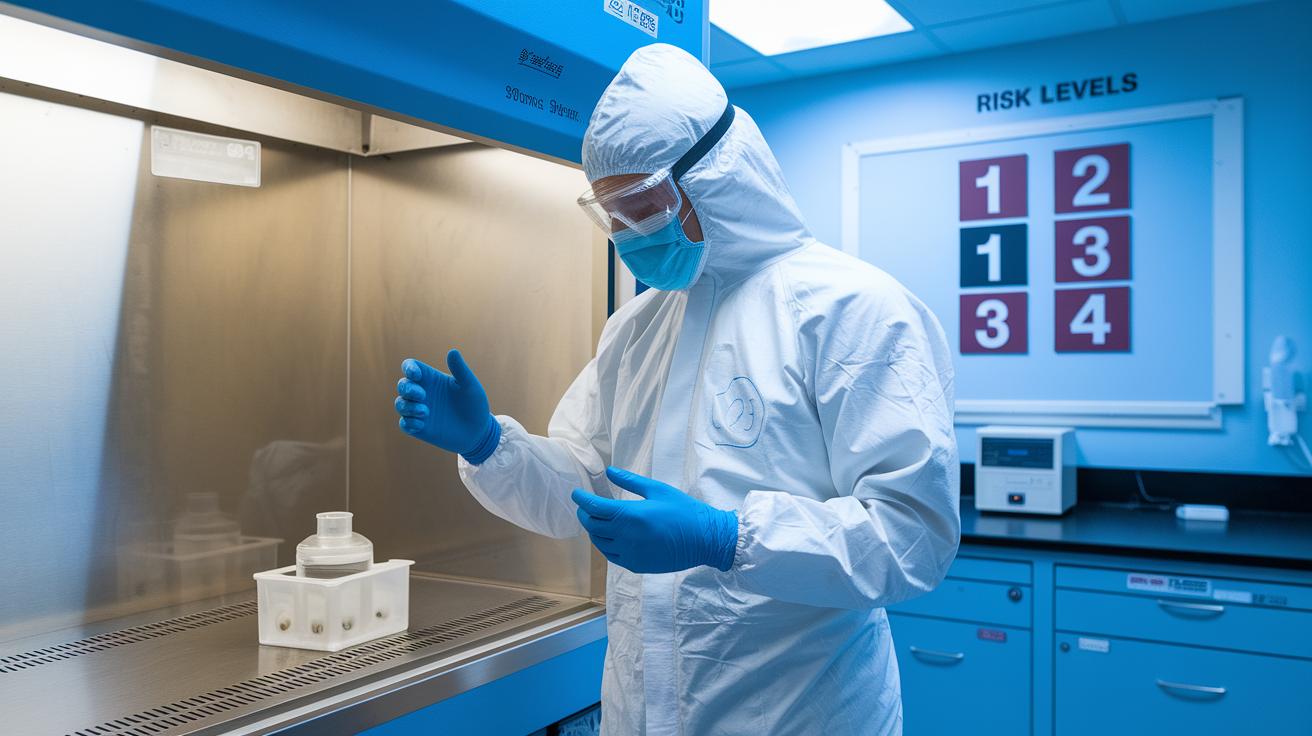
We sort biohazard materials by risk to decide the right safety steps. Level 1 includes low-risk agents like non-pathogenic strains that pose little threat to people or the community. In contrast, Level 2 covers hazards such as HIV and Salmonella. These require careful handling with biosafety cabinets and standard protective gear like gloves and masks. Labs and cleanup teams use basic measures for Level 1 and tighten controls for Level 2.
Risk Levels 3 & 4
Higher risk agents need even more precautions. Level 3 includes germs like Mycobacterium tuberculosis that spread through the air and can make people very sick. For these agents, strict access control, special ventilation, and extra barrier methods are essential. Level 4 agents, such as Ebola, are the most dangerous. They can spread by contact or through the air and cause severe illness. Facilities must use full-body positive-pressure suits, work in isolated labs, and run thorough decontamination procedures, including regular suit checks to prevent any breaches. These steps help protect everyone on site and reduce the chance of further risk to the community.
Common Examples of Biohazardous Agents
Biohazards can show up in many places, not just in labs or hospitals. Everyday items may contain substances that can harm you. For instance, toxins like snake venom or botulism can cause serious illness if you are exposed to them. Human blood, serum, or tissue can carry dangerous germs like HIV or hepatitis viruses, so extra care is needed when handling these materials. Even animal waste, such as bird droppings, can carry germs that cause lung issues like histoplasmosis. Decomposed tissue or sewage is very hazardous because it can contain many types of bacteria and viruses. Mosquitoes that spread diseases like malaria add another risk by transmitting infections through their bites.
Below is a table that lists common types of biohazards along with their typical risk levels. These examples highlight why proper cleanup and containment are essential for safety.
| Category | Example | Typical Risk Level |
|---|---|---|
| Biotoxin | Snake venom | Level 2-3 |
| Blood Products | HIV-positive serum | Level 3 |
| Animal Waste | Bird droppings | Level 2 |
| Organic Debris | Decomposed tissue | Level 4 |
| Insect Vectors | Malaria-infected mosquitoes | Level 3 |
Risks and Precautionary Measures for Biohazards
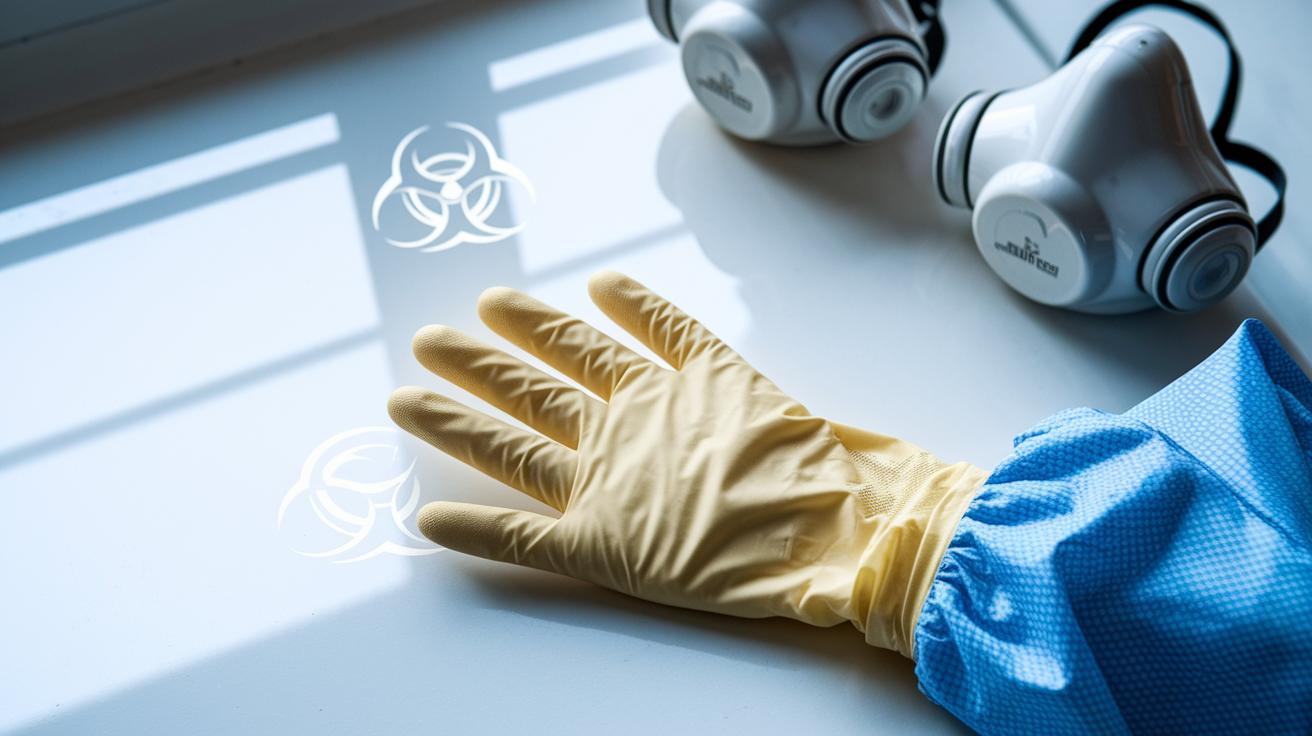
In biohazard situations, harmful contaminants can reach your body in several ways. They can come through contact with dirty surfaces, breathing in tiny droplets in the air, or accidentally swallowing dangerous substances. This is especially risky during cleanup when splashes, dust, or mist can carry these germs.
Knowing these risks helps you pick the right protective gear. For cleaning up mold and biohazard residues, we suggest using guidelines from DIY mold remediation to ensure you have the proper equipment.
The recommended personal protective equipment includes:
- nitrile gloves
- fluid-resistant gowns
- N95 and P100 respirators (masks that filter small particles)
- face shields
- boot covers
- goggles with indirect vents
- full-body hazmat suits
- chemical-resistant aprons
After wearing the proper gear and doing the work, thorough disinfection is key. We use chemical disinfectants (agents that break down germs) along with autoclaving (using steam to sterilize) to clean surfaces and equipment well. Setting up quarantine zones keeps people away from areas until all hazards are gone.
Regular checks of the cleaning process and strict isolation rules make sure the area is safe to enter. These steps help stop the spread of dangerous agents and protect everyone involved.
Biohazardous Waste Disposal and Management
We handle biohazardous waste safely by using sturdy containers made to prevent leaks and accidental contact. We use red or yellow biohazard bags so you can easily tell what type of waste they hold. Each container is marked with its contents and the collection date for clear identification. We keep waste in a secure, monitored storage area until it is safely processed, which helps lower any risk of contamination.
We use a few main methods to dispose of the waste. Incineration burns the waste at very high temperatures to destroy contaminants. Autoclaving sterilizes items with high-pressure steam (a process that kills germs), and chemical disinfection uses cleaning agents to break down harmful substances. Every step from sorting the waste to its final disposal is carefully documented to meet strict EPA and CDC guidelines. Detailed record-keeping and tracking of waste shipments ensure that all hazardous substances are managed properly to protect public health and the environment.
Biohazard Standards and Guidelines for Control
OSHA Bloodborne Pathogens Standard
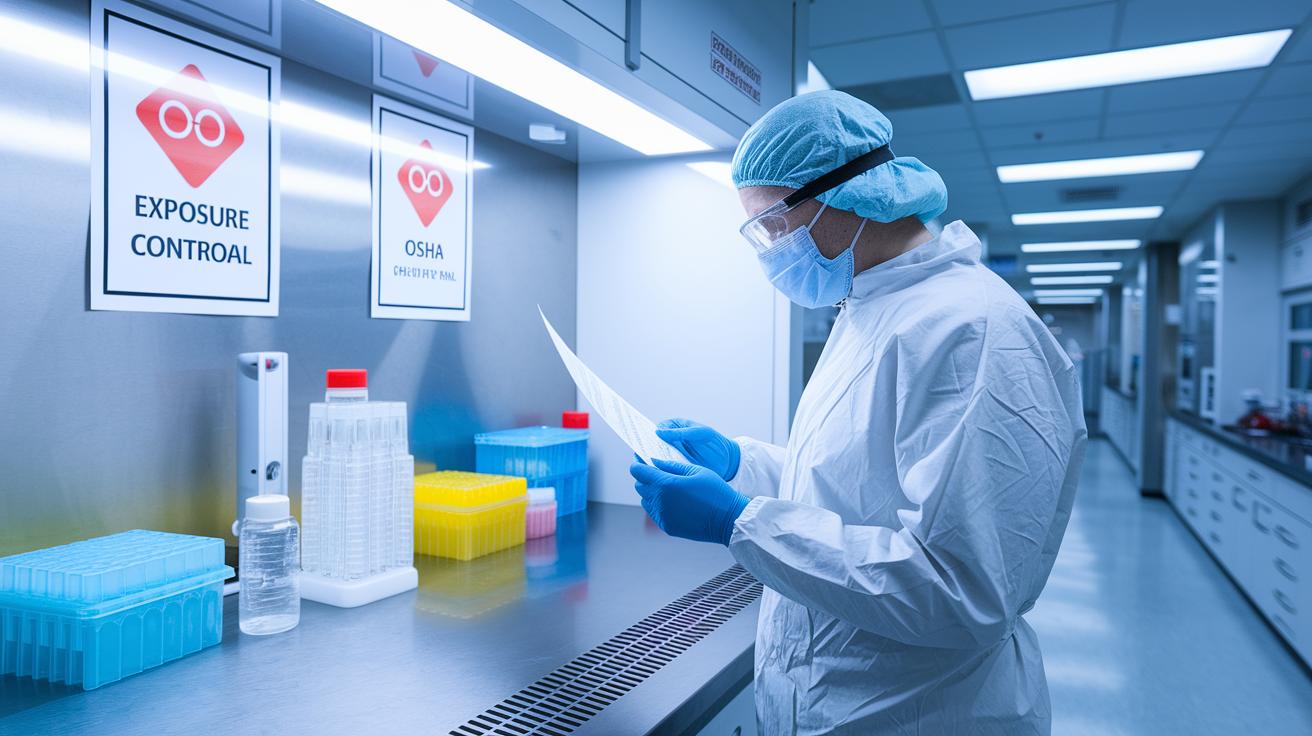
Under OSHA's Bloodborne Pathogens rule (29 CFR 1910.1030), employers must protect workers from dangerous biological materials. They need to develop an exposure control plan that explains how to avoid contact with blood and other infectious substances. Workers receive hands-on training so they understand the risks and learn safe work steps. Employers also keep detailed records of any exposure incidents. These measures help everyone, from cleanup teams to lab technicians, follow procedures that keep them safe. Regular equipment checks, updated training, and proper decontamination methods make sure the workplace stays secure.
Biosafety Level Frameworks
The National Institutes of Health (NIH) and Centers for Disease Control and Prevention (CDC) created guidelines that sort labs into Biosafety Levels 1 through 4. Each level tells you what design, equipment, and work steps you need to handle different biological risks safely. Laboratories in BSL-1 work with agents that have very low risk. In BSL-2 labs, there are extra containment measures for materials that pose moderate danger. BSL-3 labs use strong ventilation and controlled access to manage airborne germs. BSL-4 labs require the highest level of safety, including full-body suits (to protect against severe risks) and isolated facilities. These frameworks help labs set up safe working environments. Professionals, such as those in disaster recovery restoration, use these guidelines to ensure every cleanup meets strict safety rules.
Final Words
In the action of this discussion, we explored what a biohazard is, a dangerous biological substance like bacteria, viruses, or medical waste that poses health risks. We covered how these hazards are classified, the necessary safety gear, and proper disposal methods. We also looked at real examples, including blood products and decomposed matter, and the strict regulations governing them.
Every step we take helps limit further damage and maintain safety. The right quick actions today lead to a healthier, more secure tomorrow.
FAQ
What is a biohazard and what does OSHA consider a biohazard?
A biohazard is any biological substance that poses health risks, such as bacteria, viruses, and medical waste. OSHA considers materials that can transmit disease—like blood or bodily fluids—as biohazards.
What are some common examples of biohazards?
Common examples of biohazards include blood and bodily fluids, medical sharps, contaminated animal products, decomposing organic matter, and infectious aerosols. These materials must be handled with proper protective measures.
What does the biohazard symbol mean?
The biohazard symbol warns that nearby materials may be infectious. It signals that anyone exposed should use proper protection and follow strict safety protocols during handling or disposal.
Are blood and feces considered biohazards?
Blood and feces are considered biohazards because they can carry harmful pathogens. Handling these materials safely with gloves and other protective equipment is essential to prevent infection.
Is a virus considered a biohazard?
A virus is a biohazard because it is a microscopic infectious agent that can cause disease. Strict containment and personal protective equipment are required to reduce the risk of exposure.
What are the three types of biohazards?
The three types of biohazards typically refer to bloodborne pathogens, airborne infectious agents, and contaminated medical or laboratory materials, each demanding specific safety protocols to protect against infection.