
Have you ever wondered how crime scene cleaning stays safe while keeping important evidence intact? It is more than just wiping surfaces clean. First, experts carefully inspect every area for dangers. Next, they create a simple, clear plan to clean and decontaminate (remove harmful substances) the scene. They dress in protective gear to remove all contaminants safely. This careful work not only makes the area safe but also helps the investigation by leaving evidence undisturbed. Here, we explain each clear step in the cleanup process so you understand how safety and careful work go hand in hand.
How the Crime Scene Cleanup Process Works: Step-by-Step

-
Cleanup only begins once law enforcement has finished collecting evidence. Investigators secure the area to keep every piece of evidence safe. Imagine that nothing is touched until all evidence has been carefully gathered.
-
Next, our technicians walk through the site. They look for visible dangers like blood and bodily fluids, and they also check for hidden contaminants that regular cleaning might miss. They use fast tests on surfaces to map out the risk areas.
-
Then we create a detailed decontamination plan. The plan shows which areas need to be contained and explains the methods to remove each hazard. It acts as a clear roadmap for a safe cleanup. For example, a Job Safety Analysis (a review that spots hazards before work begins) might guide the process.
-
With the plan in hand, our technicians put on protective gear and use advanced cleaning chemicals. They remove all biological materials and hidden contaminants using several techniques to neutralize germs and eliminate odors. One technician explained, "We clean what you see first and then work deeper into porous surfaces to make sure everything is properly cleaned."
-
We use a multi-stage cleaning process. First, we remove surface soil. Then, we treat deeper layers in materials like carpet and drywall. This step-by-step method helps remove contaminants from the surface and within the structure.
-
Finally, we perform careful quality checks to confirm that all hazards are gone and the area is fully sanitized. This step is crucial to ensure safety and meet regulatory rules before the area can be used again.
Crime Scene Cleanup Site Assessment and Evidence Preservation

We start with a thorough inspection of the site to spot any bloodborne pathogens, chemical residues, and structural issues. Our team checks every surface, from clear spills to hidden corners, and uses ATP meters (tools that measure contamination) to detect even tiny traces of harmful substances. One technician said, "We check every nook and cranny, and the ATP meter helps us pinpoint even the smallest traces of contamination."
We then do fast on-site tests with surface swabs to find hotspots. This helps us clearly mark the contaminated zones and guides our work in removing the dangerous materials.
Next, we team up with investigators to secure and protect all forensic evidence. We make sure that any airborne or surface contaminants are documented, preserving key evidence before we begin our cleaning efforts.
Finally, we develop a detailed decontamination plan. This plan sets clear containment zones and lists the cleaning methods for each hazard, merging our testing steps into one safe process before the cleanup starts.
Essential PPE and Safety Measures in Crime Scene Remediation

We start by providing our team with proper, OSHA-certified protective gear. Our technicians wear level C/B full-body suits, use N95 or P100 respirators (or supplied-air systems), and have chemical-resistant gloves with boot covers. This gear keeps them safe from bloodborne pathogens and other harmful substances.
We follow strict rules to prevent cross-contamination. Our crew uses clear procedures for putting on and taking off their gear. One technician explained, "Every step in using our gear is like locking and unlocking a door – it keeps the hazards in place." We also follow OSHA 29 CFR 1910.1030 guidelines (federal standards for handling blood hazards) for managing and disposing of contaminated materials.
For extra safety onsite, we monitor the air continuously and act immediately to contain spills. Emergency wash stations are set up around the work area so technicians can quickly decontaminate if needed. This careful approach protects our team and helps secure the scene as we work on cleaning up the area.
Biohazard Remediation Techniques and Equipment in Crime Scene Cleanup
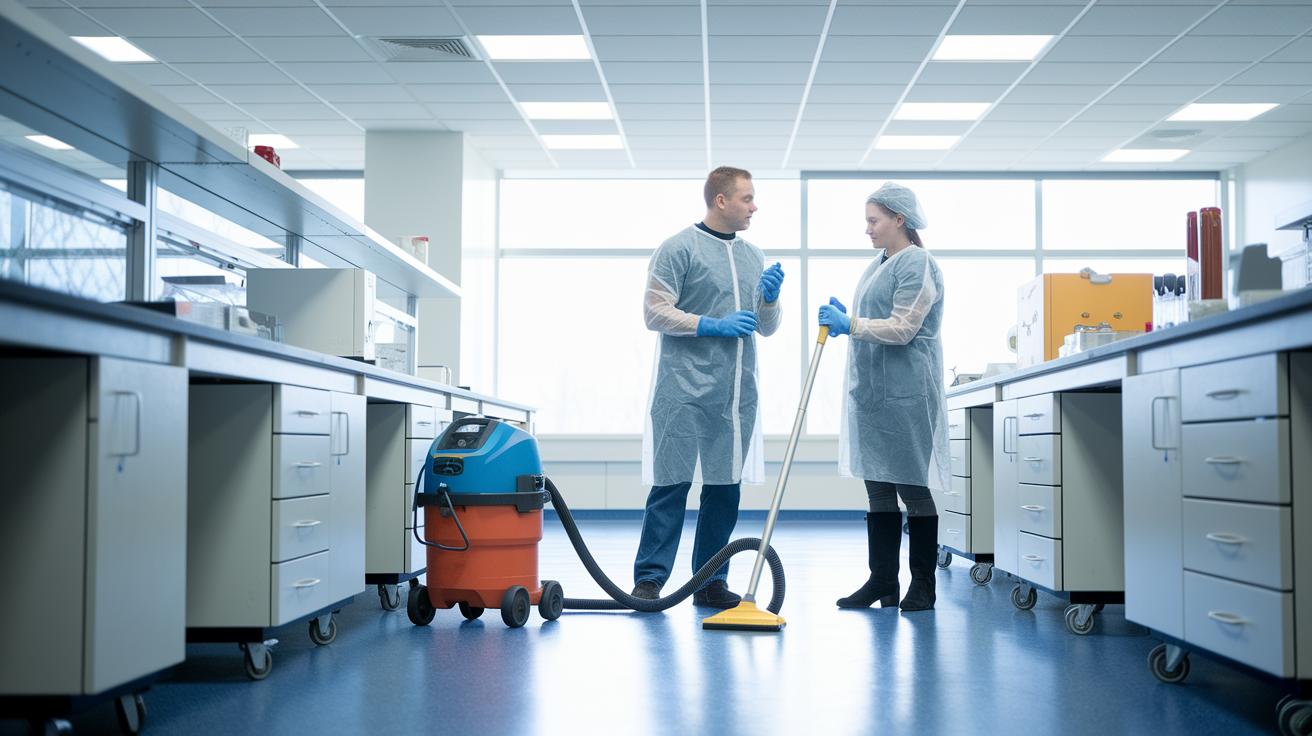
Our team uses special tools to remove dangerous biological and chemical hazards in a safe and simple way. We use different methods to clean all layers of contamination. For example, we use HEPA-filtered vacuums (high efficiency air filters that trap small particles) to pick up dry debris and fogging machines to spread disinfectants into hard-to-reach spots. Every tool targets a specific issue so that both obvious dangers and hidden residues get treated.
We use enzymatic cleaners to break down blood and organic soils. Think of these cleaners as nature's helpers that reduce stubborn buildup. We follow with hospital-grade quaternary ammonium compounds (a disinfectant that kills germs) to control harmful pathogens. Steam cleaning is another method we rely on. It gets into materials like carpets and upholstery, reaching contaminants that lie deep inside.
We also use UV-C lamps for a second round of disinfection. These units emit ultraviolet light to inactivate viruses and bacteria, adding an extra layer of safety. When chemical hazards are involved, we use agents like peracetic acid to neutralize toxic residues. All biohazardous and medical wastes are handled with care. They are double-bagged, color-coded, and labeled according to DOT (Department of Transportation) and EPA (Environmental Protection Agency) rules.
Below are five key pieces of equipment and their main uses:
- HEPA vacuum: Removes dry particles and small bits of debris from surfaces.
- Chemical fogger: Spreads disinfectants into hidden or hard-to-reach spaces for complete coverage.
- Enzymatic spray: Breaks down blood, bodily fluids, and organic soils quickly.
- Steam cleaner: Gets into porous materials to extract trapped contaminants.
- UV-C lamp: Uses ultraviolet light to inactivate viruses and bacteria for extra disinfection.
By using these professional tools and methods, we carefully handle trauma cleanup, blood spills, and chemical hazards. This step-by-step process helps create a safe space and brings peace of mind during a difficult time.
Waste Management and Regulatory Compliance for Crime Scene Cleaning

We follow strict rules to keep our community safe while cleaning crime scenes. We start by meeting all federal, state, and local waste disposal rules. We also use EPA (Environmental Protection Agency) and DOT (Department of Transportation) guidelines to handle medical waste safely. Every kind of waste is sorted so it can be treated correctly.
Our technicians pack sharp items in tough containers that do not puncture easily to prevent injuries. Liquid biohazards go into sealed, leak-proof bins to stop any harmful spread. We keep clear records for every shipment, including waste manifests and chain-of-custody documents. These records are crucial because not following the rules can lead to fines of up to $50,000 per violation and create risks in our environment.
Every step in our waste process is planned to neutralize harmful substances and dispose of them properly. We never cut corners when it comes to protecting public health. Each container is clearly labeled to ensure it is tracked from the moment it is removed until final disposal.
| Waste Type | Disposal Method |
|---|---|
| Blood-soaked gauze | Incineration |
| Sharps | Autoclave + red sharps container |
| PPE suits | Chemical treatment + landfill |
| Chemical residues | Licensed hazmat contractor |
Training, Certification, and Best Practices for Crime Scene Cleanup Professionals

Our technicians earn certifications such as IICRC K-12 or biohazard specialist credentials and complete OSHA bloodborne pathogens training. They gain real-world experience with advanced cleaning methods that are important for handling sensitive situations safely. One technician said, "Before I received full credentials, I spent many hours learning protocols that ensure safety and compliance." This shows the dedication needed in this work.
We believe that education never stops. Our team frequently joins hazard communication (HazCom, a process that informs about risks) sessions and receives training in respiratory protection. They also learn new cleaning methods through specialized courses, so they are prepared for any emergency cleanup. Many top companies in this field use trauma-informed care methods to support affected families.
We also follow best practices closely. We keep detailed records of each incident and update our clients regularly. Third-party quality audits help us improve every cleanup project step by step. This organized approach makes sure that every phase, from the initial response until full restoration, meets professional cleanup standards.
- Our certified technicians have completed proven decontamination training programs.
- Specialized firms follow industry best practices.
- We manage emergency cleanup services with precise project management.
Final Words
In the action, we've mapped out each step of the work, from evidence protection and safety measures to meticulous biohazard and waste management. We've broken down the essentials that make up a safe and efficient crime scene cleanup process. Each phase builds on clear, practical steps that protect health and ensure regulatory compliance. The detailed approach helps ease the stress of an overwhelming situation. We're here to stabilize your property and get you back to safer, comfortable days ahead.
FAQ
What is the crime scene cleaning process?
The crime scene cleaning process involves a step-by-step procedure starting after law enforcement completes evidence collection. Technicians assess hazards, remove biohazards, and decontaminate surfaces using specialized equipment and protective gear.
What are the main steps in processing a crime scene?
The main steps include a thorough site assessment, evidence preservation, contaminant testing, hazard containment, and multi-stage decontamination to ensure all biohazards are safely removed.
What are the essential CSI and cleanup protocols?
CSI protocols focus on marking evidence and following strict safety guidelines, while cleanup protocols involve controlled decontamination and using advanced tools to safely remove bloodborne pathogens and toxic residues.
What qualifications and training do crime scene cleanup professionals need?
Professionals complete biohazard remediation training, acquire IICRC or similar certifications, and undergo OSHA bloodborne pathogens training, ensuring they handle scenes safely and adhere to compliance standards.
What are the crime scene cleanup requirements in California?
In California, cleanup requires following state guidelines for biohazard disposal, strict waste management practices, and environmental safety protocols to effectively mitigate health risks and ensure regulatory compliance.
How do crime scene cleanup jobs work, and what do they entail?
Crime scene cleanup jobs involve restoring contaminated sites by removing blood and bodily fluids, preserving evidence integrity, and using specialized PPE and cleaning chemicals to safely and thoroughly remediate damage.
What does a crime scene cleaner salary typically include?
A crime scene cleaner salary generally reflects the job’s hazard pay, certification requirements, and overtime potential, varying by region and emergency service demand while compensating for specialized skills.
Where can I find a detailed guide like a crime scene cleanup process PDF?
Detailed documents such as a crime scene cleanup process PDF are often provided by professional remediation firms or training programs, offering step-by-step guidance and safety protocols for effective cleanup procedures.