
Have you ever thought about the hidden dangers in tight spaces during water damage restoration? Picture a damp crawlspace with unstable floors and live wiring hidden behind clutter, just waiting to cause trouble. In basements and attics, even a small error can quickly turn into a serious safety problem. This blog shows how spotting these risks early helps keep both workers and homeowners safe while stopping further damage. Focusing on confined space safety reminds us that a careful risk check is the first important step toward a secure cleanup.
Key Confined Space Hazards in Water Damage Restoration
When dealing with water damage, areas like crawlspaces, basements, and attics require special care. These spots often hide unstable materials, sneaky pockets of water, and electrical problems that can catch anyone off guard. Because they have small openings and few exits, even minor mistakes can quickly turn dangerous. We focus on finding these risks early to protect everyone and prevent more damage.
In these tight spaces, you may find wet wiring that can shock you and moisture that encourages mold growth in just 1 to 2 days. Floors, beams, or ceilings may be weak and could collapse under weight or shifting debris. Contaminated water, especially Category 3 water (very polluted water that can have toxic chemicals), makes the situation even riskier. We tackle each hazard from the start to stop further problems during repairs.
- Electrical shock from live wiring or failed ground-fault circuit interrupters (GFCI)
- Low oxygen levels or toxic gas build-up making the air unsafe
- Fast-growing mold and harmful substances that can affect health
- Floors, beams, or ceilings that might collapse unexpectedly
- Debris or equipment that could trap workers
- Toxic water leaving behind dangerous chemical traces
- Limited exits that complicate emergency escapes
Spotting these hazards early is key to keeping everyone safe and ensuring a smooth water damage restoration process.
Conducting Water Mitigation Risk Assessments for Confined Areas
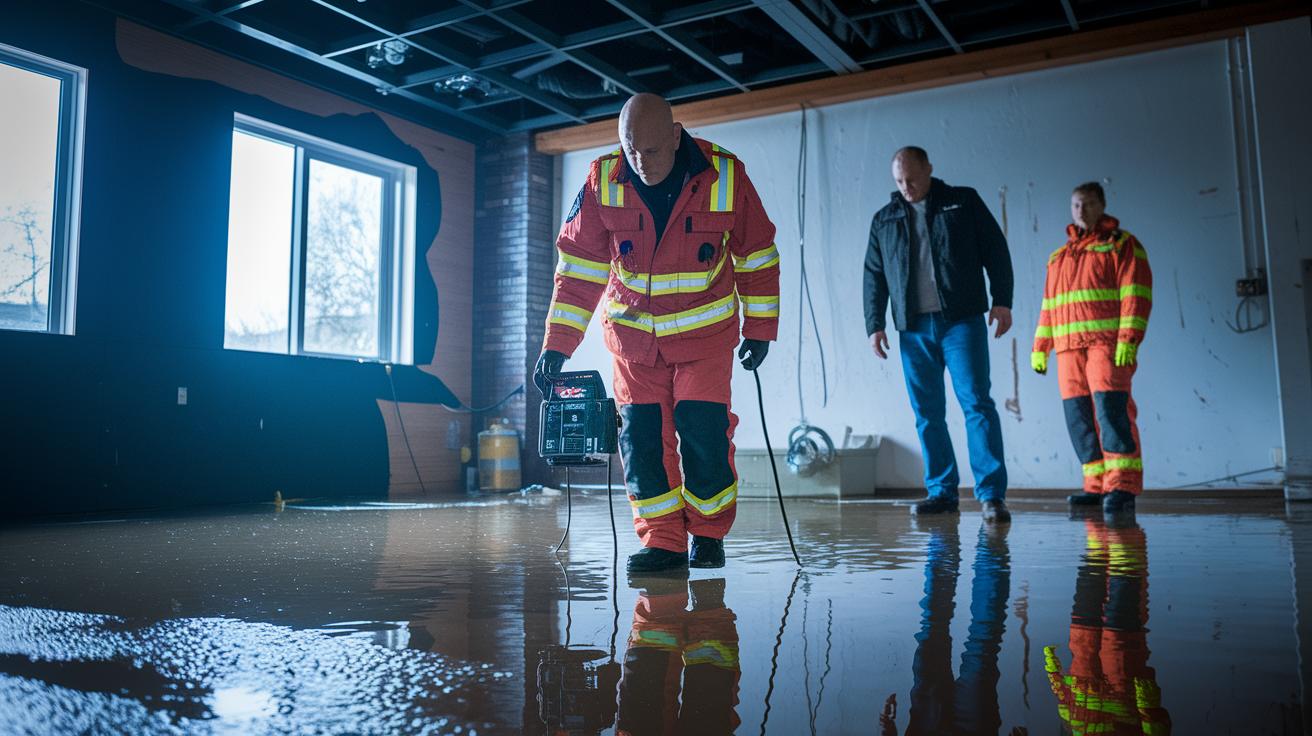
When damage happens from water, checking for risks in tight spaces is key. We start by looking for hazards to prevent any accidents and to limit further damage. First, we shut off the water source, then measure moisture levels to find hidden wet areas. We also check for weak structures and any live electrical parts to keep everyone safe. This early work makes it possible to remove pooling water and fix issues before starting cleanup.
- Perform a visual look at the building to see if the structure is sound and if exit routes are clear.
- Map moisture levels using moisture meters (tools to check dampness) and thermal imaging (equipment that shows temperature differences).
- Check for electrical dangers and follow lockout/tagout procedures (steps to turn off power safely).
- Test the air for enough oxygen and identify any toxic gases.
- Record every finding in a site-specific safety log.
By following these steps, our teams can spot issues like wet wiring and unseen water pockets. Early actions such as running strong pumps and vacuum systems, plus drilling weep holes in walls, help stop more damage. Recording every detail in the safety log is crucial for both cleanup and insurance purposes. Team briefings after the risk check make sure everyone understands the hazards and the safety rules before starting any restoration work.
Essential Personal Protective Equipment Policies for Confined Spaces
When workers enter tight, water-damaged areas, they face risks from dust, chemicals, and falling objects. The right gear is essential to stop them from breathing in harmful particles, getting splashed by contaminated water, or being injured by debris. We focus on using proper protective equipment to guard each team member in these challenging spaces.
Below is the recommended list of personal protective gear:
| Protective Equipment | Description |
|---|---|
| Half-mask or Full-face Respirator | Uses P100 filters to clean the air you breathe |
| Chemical-Resistant Coveralls and Gloves | Protects your skin from chemical exposure |
| Steel-toe, Slip-Resistant Boots | Equipped with metatarsal guards for extra foot safety |
| Eye Protection | Goggles or a face shield that stops splashes and debris |
| Hearing Protection | Keeps your ears safe when using loud powered tools |
| High-Visibility Vests and Hard Hats | Makes sure you are seen in hazardous work zones |
Regular inspections of this equipment are crucial. We check for damage or wear that might leave a worker unprotected. Our teams receive ongoing training on proper use and maintenance. Frequent gear reviews help prevent breathing problems, chemical burns, and injuries from falling objects, ensuring safety in confined spaces.
Implementing Air Monitoring and Ventilation Systems in Enclosed Environments
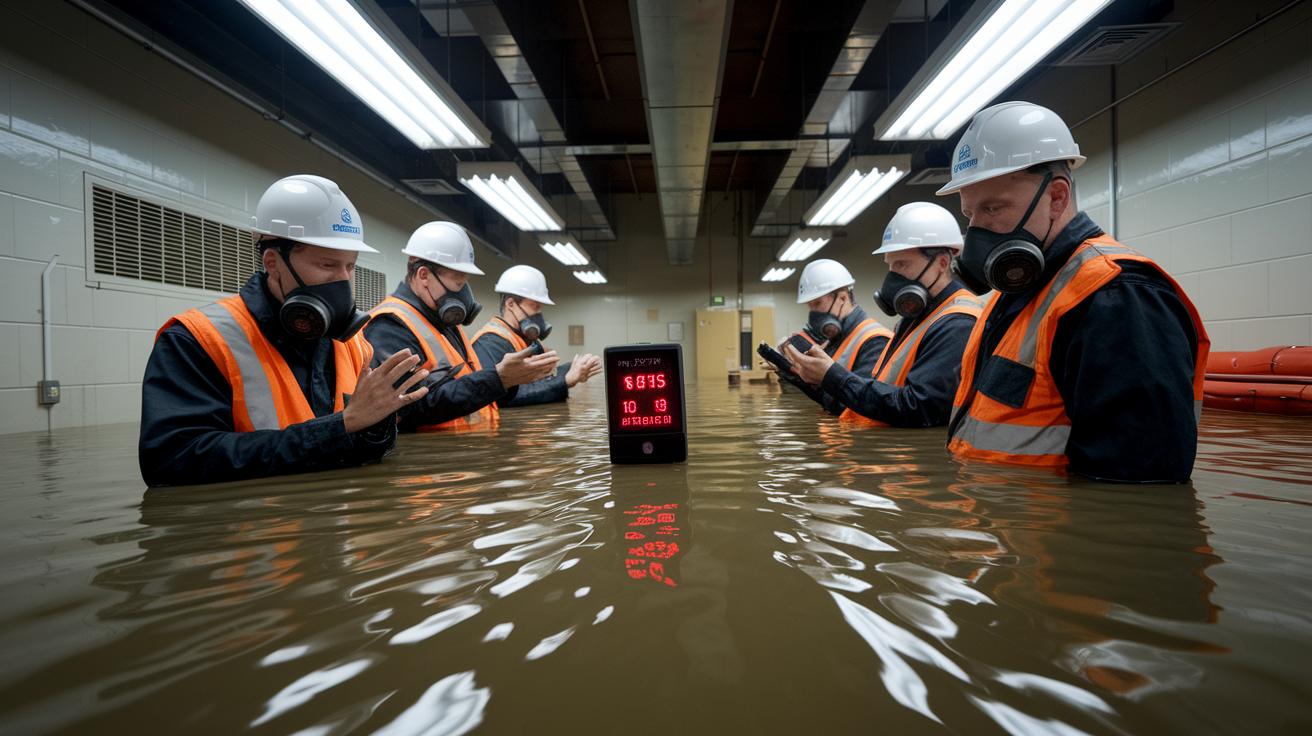
When water damage strikes, keeping the air clean is a top priority. Real-time air monitoring helps our team work safely in tight spaces. We use fixed oxygen sensors and portable devices to check oxygen levels and spot any low oxygen or harmful gases quickly.
Regular checks let us know if the oxygen falls below safe levels. When an issue is detected, we adjust the ventilation right away to protect everyone on site. This fast response makes sure the air stays safe while we work.
Proper air exchange plays an important role in removing unwanted chemicals. We use gas detectors (devices that find gases like carbon monoxide and hydrogen sulfide) and anemometers (tools that measure how fast air moves) to get clear readings. These measurements help us balance machine-driven ventilation with natural airflow. Our industrial air movers and dehumidifiers help speed up the air exchange and dry surfaces to lower the risk of mold.
| Monitoring Method | Purpose | Frequency |
|---|---|---|
| Oxygen Sensor | Check oxygen levels below 19.5% | Continuous |
| Multi-Gas Detector | Spot gases like CO, H2S, and explosive levels | Every entry |
| Anemometer | Measure how fast air is moving | Daily |
| Humidity Monitor | Watch moisture to prevent mold | Hourly |
By mixing mechanical ventilation with natural airflow, we push out contaminants and keep the space fresh. Our team adjusts settings based on airflow measurements and changes in the environment. Regular sensor checks and equipment tests give us extra confidence that every confined space stays safe.
Emergency Rescue Planning and Response for Confined Space Water Restoration
Every restoration team must have a rescue plan when working in tight spaces. This plan keeps everyone safe if an emergency occurs, such as a medical issue, fire, chemical spill, or structural collapse. These precautions are required by law and help reduce damage when hazards occur.
Here are the key elements your plan should include:
- Written rescue procedures and clear maps of escape routes.
- An on-site rescue team with harnesses and winches.
- Dedicated communication channels and alarm systems.
- A first-aid kit and an AED (automated external defibrillator) placed near the entry.
- Regularly scheduled drills at least every three months.
After each drill, the team should meet to discuss what worked well and what needs improvement. This review helps everyone understand their role during an emergency and improves the plan over time. Regular practice ensures that your crew can respond calmly and effectively in a crisis.
Navigating Regulatory Compliance and Permitting for Confined Space Work

OSHA’s Permit-Required Confined Space standard (29 CFR 1910.146) is the main rule we follow for safe water damage restoration in confined spaces. This rule requires testing the air, securing the proper permits, and training the team before starting any work. It also calls for using lockout/tagout procedures (a method to shut off equipment to prevent accidents) and ground-fault circuit interrupters (GFCIs, which protect against electrical shocks) along with regular inspections by qualified staff. These measures protect workers from dangers like low oxygen and toxic gases while keeping the structure safe.
Local rules can differ and may need extra site checks and safety reviews tailored to each project. Restoration contractors must combine these local requirements with OSHA guidelines to create a clear, compliant work plan. Following both sets of standards keeps workers safe and helps reduce further damage during restoration in tight spaces.
- Classify the space and identify permit requirements
- Conduct atmospheric tests and document results
- Obtain entry permit with defined duration and conditions
- Re-evaluate and renew permit after environmental changes
Keeping thorough records of permits, test results, and all safety steps is very important for audits. These records show that we are carefully following OSHA standards during water damage restoration.
confined space safety in water damage restoration shines
When teams work in small, water-damaged spaces, clear, step-by-step procedures help everyone feel safe and confident. Following standard rules means the crew stays on track and avoids surprises.
Every day, a simple checklist guides the work and makes sure nothing is missed. This approach helps stop more damage and keeps the work area safe and up to code.
Here are the steps we follow:
- Check that the atmospheric monitor is calibrated.
- Inspect harnesses, ropes, and retrieval gear.
- Make sure your personal protective equipment (PPE) is available and in good condition.
- Review the site hazard log and talk with the team.
- Record the entry and exit times in the log.
- Confirm that the ventilation and dehumidifier are working properly.
- Set up the electrical lockout and tagout.
- Ensure waste containers are sealed correctly.
Using these checklists makes safety a priority and helps solve issues quickly during cleanups. Incident reports and regular safety checks lead to changes in procedures when needed. By reviewing each step and learning from every job, teams improve their safety measures for any changes on site. This constant improvement keeps restoration work efficient and reduces risks for both the crew and the property.
Final Words
In the action, the post showed how crews address hazards in confined areas like crawlspaces and basements. It covered risk assessments, essential PPE checks, continuous air monitoring, rescue planning, and permit processes. These steps guide teams to work safely, limit secondary damage, and manage claims with clear documentation. Following confined space safety in water damage restoration practices keeps every job both efficient and secure. Each outlined stage builds a stable path toward restoring your property and getting it back to normal as smoothly as possible.
FAQ
What does confined space safety in water damage restoration near California and Texas involve?
Confined space safety in water damage restoration near California and Texas involves identifying hazards like unstable structures, toxic gases, and oxygen deficiency, then using proper risk assessments, PPE, and air monitoring to protect workers.
What characteristics determine a confined space according to OSHA guidelines?
A confined space is defined by limited entry, restricted exit routes, and an environment not designed for continuous occupancy, which may include hazards like oxygen deficiency, toxic gases, or unstable surfaces.