
Ever wonder if a smart plan can keep your business on track during a crisis? Our guide shows how to put together a strong restoration strategy that cuts down on downtime and keeps your tenants safe. We start by spotting risks and setting a clear timeline so every choice helps you recover faster. Spending a little extra now can stop bigger problems later. Follow our guide to see how careful planning leads to smart wins in commercial restoration.
Commercial Restoration Plan Essentials for Business Continuity
A strong restoration plan is key to keeping your business running after unexpected events. Disasters like floods, fires, or earthquakes can cause major damage in minutes. For example, a burst pipe once flooded three floors and affected a dozen tenants. Every hour of downtime means lost revenue and tenant disruption.
Start by mapping out potential risks. Identify hazards like water, fire, mold (growth that can cause health issues), and biohazards (substances that may be harmful). For instance, if a heavy rainstorm breaks a water main, we quickly extract water using pumps and dehumidifiers (machines that remove excess moisture). This clear plan sets a blueprint for how to act during a disaster.
Your plan should include:
A clear timeline is essential. For example:
- Start water extraction within the first hour.
- Continue drying and dehumidifying over the next 24 to 72 hours.
This schedule helps reduce downtime and keeps everyone safe while meeting required standards.
Budget planning is also crucial. Ensure you set aside enough money for labor, equipment, and materials. Adding an extra 10-15% can help cover unexpected costs like hidden damages or permit delays.
A well-prepared restoration plan minimizes downtime and keeps tenants safe. It combines risk mapping, a set timeline, and a realistic budget, ensuring that your business recovers quickly and smoothly.
Conducting a Comprehensive Site Hazard Survey for Commercial Restoration
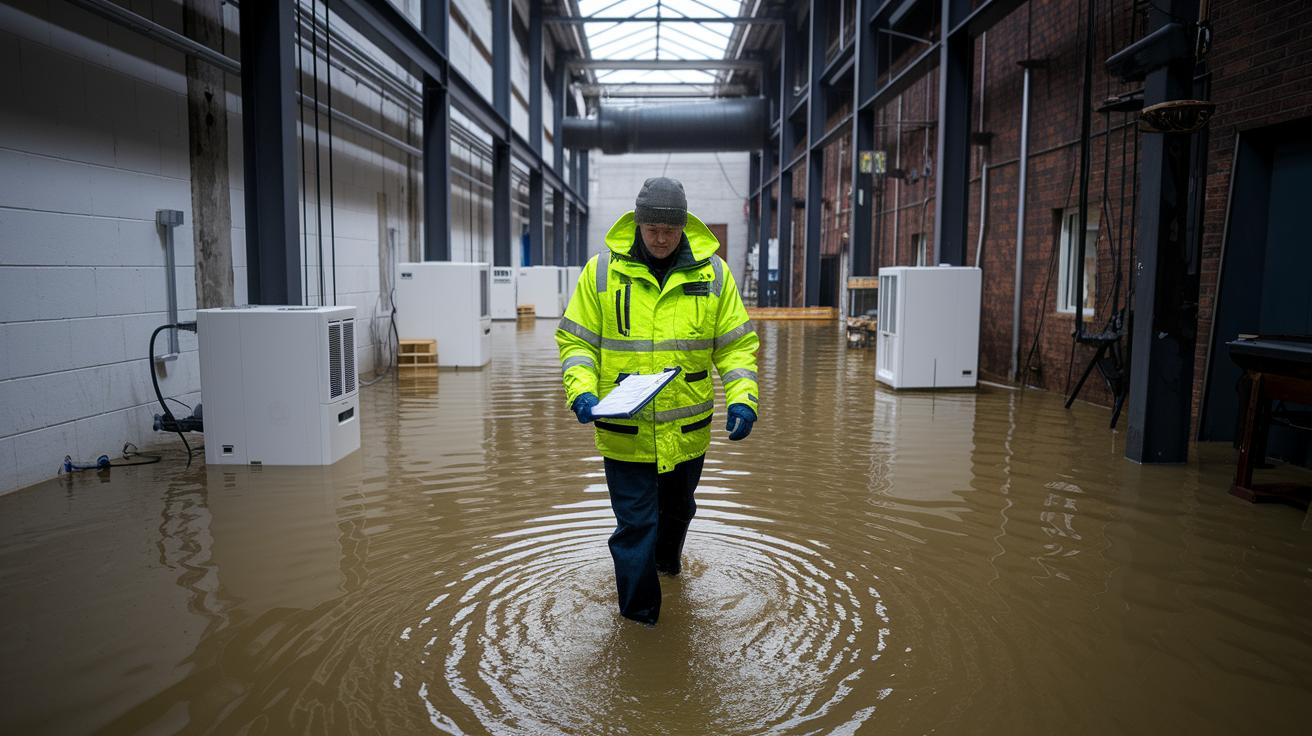
Start with a complete check of the site for hazards. Look for water problems like heavy rain, burst pipes, and broken water mains. These issues may need pumps and industrial dehumidifiers (big air drying machines) to remove moisture and prevent more damage. For example, a sudden water main break can flood areas quickly, so it's important to check and document asset damage immediately.
Next, perform a risk evaluation for fire hazards. Check for debris, burnt materials, melted wiring, and damaged circuits. This careful review shows you which areas need urgent attention. Think of it like a pilot checking each instrument before takeoff, each step makes sure no risk is missed.
Then, inspect the building's structure for any shifts after minor earthquakes or severe damage. Small shifts might be normal, but larger ones could trigger FEMA (Federal Emergency Management Agency) requirements and affect the restoration plan.
Finally, carry out an environmental review. Look for signs of mold growth, sewage backup, asbestos, and other biohazards that need special cleanup. This step ensures every hazard, from physical damage to environmental issues, is mapped out before restoration work begins.
Budget Allocation Blueprint and Cost Estimation Model for Restoration Planning
Restoration projects need a clear budget plan. Our model breaks down costs into the main areas so you know where your money is going. This way, you match expenses like labor, equipment, materials, and a little extra for surprises with insurance claims and internal checks.
Labor costs cover the work of skilled technicians, safety officers, and project managers. These workers handle water removal, drying, repairs, and on-site safety. Careful planning of labor helps avoid delays and risks while keeping the project on track.
Equipment expenses include pumps, industrial dehumidifiers (big air drying machines), air movers, and scaffolding. Having the right tools ready can cut down further damage and speed up the process. An accurate equipment estimate helps make sure every necessary tool is available.
Material costs involve replacing items like drywall, flooring, wiring, and specialized filters. It is important to follow building codes and insurance rules when doing these repairs. A detailed look at material costs helps keep the work safe and up to standard.
We also set aside an extra 10-15% of the budget to cover hidden damage or permit delays. This cushion gives us flexibility when unexpected issues happen.
Developing a Post‐Catastrophe Repair Schedule and Timeline Scheduling Framework
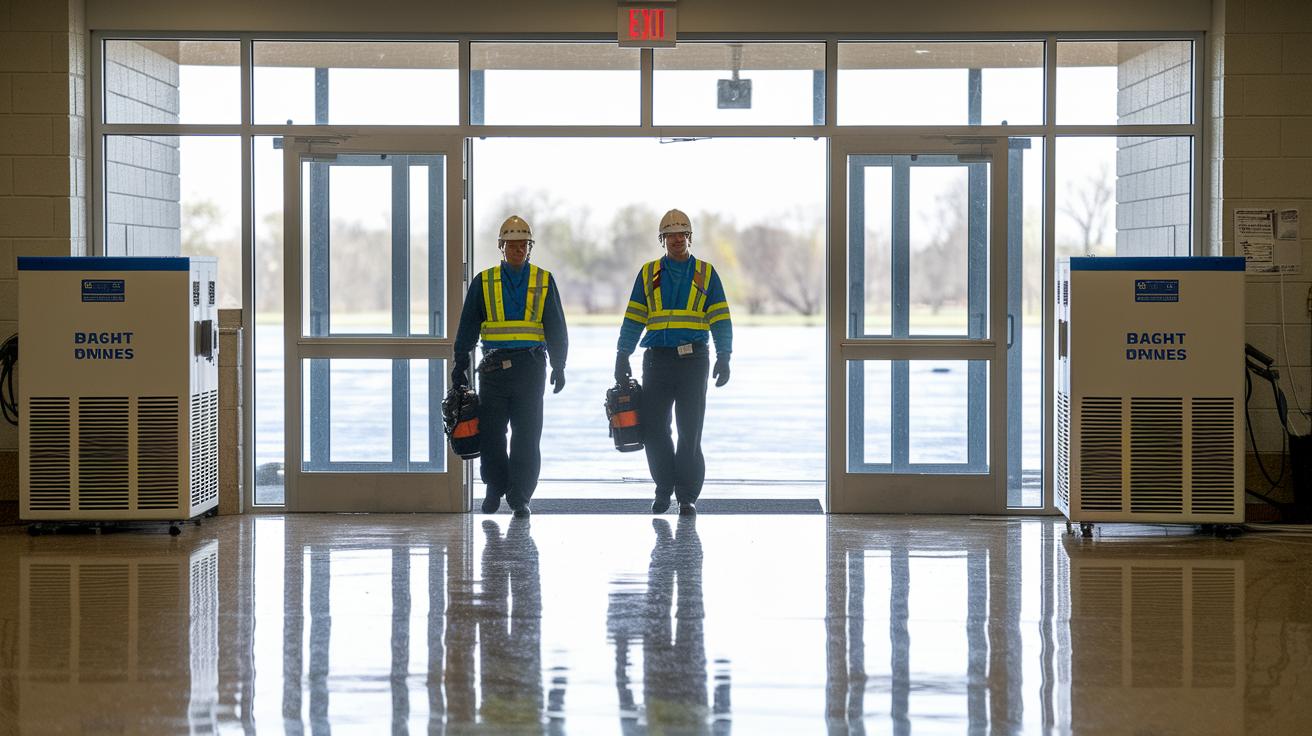
A clear repair timeline helps the work move forward while keeping business interruptions to a minimum. We work fast, and a restoration team should reach the site within 60 minutes to perform safety checks and start water extraction.
Drying with industrial dehumidifiers (machines that remove moisture) and fans usually takes 24 to 72 hours, depending on the size of the area. Larger spaces need extra time to remove moisture that stays trapped after the bulk water is gone. Once the moisture drops below 20% relative humidity, the mold cleanup team begins their work. Scheduling these tasks at the same time helps keep the project running smoothly.
Debris removal and structural repairs can take from 1 to 4 weeks. This depends on how severe the damage is and the timing for required permits. You can plan overlapping work so one crew removes debris while another gets ready for repairs. Final inspections and safety checks follow building codes and require third-party certification, so these activities need clear deadlines.
Steps to create an effective timeline include:
- Rapid on-site mobilization and an initial assessment.
- Water extraction followed by a 24-72 hour drying phase.
- Coordinated planning for debris removal and structural repairs.
- Starting mold remediation once moisture is under control.
- Scheduling final inspections and safety clearances.
Building in extra time helps manage any delays. Daily status meetings allow us to adjust tasks and keep all teams aligned throughout the project.
Ensuring Safety Regulation Guidelines and Compliance in Commercial Restoration Plans
Restoration work must follow local building codes, IICRC standards (industry restoration guidelines), and OSHA safety rules. This keeps everyone safe and the property ready for use. Permits can take 2 to 6 weeks depending on local rules and project size, so a clear permitting guide is key.
Begin with a careful review of current building updates. Check the electrical systems, structure, and environment to make sure they meet all requirements. For instance, one project needed a complete review of wiring and support beams. We checked every circuit and beam to reduce future risks.
Keep detailed records throughout the project. Save all inspection reports, permits, and work details in an organized file. This record supports insurance claims and helps with audits. A simple checklist can guide you:
| Step | Description |
|---|---|
| 1 | Confirm compliance with local building codes and OSHA safety rules |
| 2 | Log dates and results of all inspections |
| 3 | Organize permit approvals and project plans |
This careful method ensures every checkpoint is met before the building is reoccupied, reducing future legal or safety issues.
Coordinating Contractors and Emergency Response in Commercial Restoration Planning

Contractor Vetting Process
When building your approved vendor list, look for five must-have qualifications. First, your restoration partner should have experience with big water damage projects. Check project reports, repair timelines, and customer references to be sure. Second, they must offer emergency help any time of day, every day. Review their service agreements and emergency contact details. Third, the contractor should work directly with insurance companies to speed up claims. Fourth, they need to hold IICRC certifications (industry standards for restoration work). Ask for copies of these certifications and review their training history. Finally, make sure they have current licenses, bonds, and proper liability coverage. Request proof of these to ensure they follow local rules.
Emergency Response Coordination
A clear communication plan is key to reducing downtime. Start by setting up an emergency call tree so every important team member can be reached quickly. Use a structured command system where everyone knows their role. Keep a coordination manual that explains how to schedule equipment rentals, plan material deliveries, and manage site access. Regular drills help everyone practice their tasks. These drills, including local subcontractors, show that everyone is on the same page with current local code. This organized approach makes it easier to track progress and adjust plans as needed. Clear and ongoing communication builds trust among contractors, suppliers, and project managers so that every emergency detail is handled promptly and properly.
Case Study Compendium: Rapid Commercial Water Damage Restoration in Practice
A burst pipe quickly flooded three floors of a commercial building, affecting a dozen tenants and disrupting key business operations. Our 24/7 restoration crew arrived on site in less than an hour. They immediately began removing the water using strong pumps, industrial dehumidifiers (machines that remove extra moisture), and air movers to dry 15,000 square feet in just 48 hours.
The team followed a clear plan. First, they focused on removing all the water to limit further damage. One technician explained, "We begin water extraction minutes after arriving to stop water from soaking into important areas." Once the main water was gone, they moved on to drying the rest of the space. The dehumidifiers and air movers quickly lowered moisture levels to reduce the chance of mold.
Next, the crew worked to save important business items. They cleaned and deodorized electronics, furniture, and equipment, and then tested them for safety. This careful approach helped the company keep essential items and cut down on overall loss. After that, they started repair work. This included new drywall, new flooring, and electrical rewiring. Every repair was done step-by-step to meet safety guidelines and building codes. A project manager mentioned, "We finished repairs in three weeks, and the building was fully restored."
By Day 25, the business was up and running again, and the total downtime was less than four weeks. This case study shows simple, effective steps in commercial water damage restoration. It also highlights how following a clear plan, from water extraction to final repairs, can turn a difficult event into a quick and successful recovery.
Final Words
In the action, every component of a commercial restoration plan plays a key role in protecting your property. We covered hazard surveys, budgeting, repair timelines, safety guidelines, and contractor coordination. Each step ensures damage is limited and business disruption is minimized. By following a clear commercial restoration planning guide, you can quickly stabilize and fully restore your property. This structured approach helps reduce repair costs and secure timely insurance approvals. The plan is your roadmap to a fast, safe, and effective recovery.
FAQ
What is a commercial restoration plan and why is it important?
A commercial restoration plan means having a clear strategy to repair damage from floods, fires, or earthquakes. It protects revenue and minimizes tenant disruption by outlining essential restoration steps.
How do you conduct a comprehensive site hazard survey for restoration?
A site hazard survey involves mapping physical, environmental, and safety risks such as water damage, fire hazards, structural shifts, and mold or asbestos issues to guide an effective cleanup process.
What does a budget allocation blueprint for restoration planning include?
A budget allocation blueprint details expected costs for labor, equipment, and materials, along with a contingency reserve, to make estimates that align with insurance claims and support sound financial planning.
How is a post-catastrophe repair schedule structured to reduce downtime?
The repair schedule breaks the restoration into clear steps—from rapid drying and debris removal to final inspections—ensuring quick mobilization and minimal business interruption.
What safety regulation guidelines must a restoration plan follow?
A restoration plan must meet local building codes, IICRC standards, and OSHA requirements. This includes obtaining permits, performing inspections on electrical, structural, and environmental safety, and keeping detailed records.
How do you coordinate contractors and emergency response in restoration planning?
Coordination involves vetting qualified restoration partners, using 24/7 emergency services, and synchronizing schedules for equipment, materials, and local subcontractors to ensure a swift, unified response.
What key lessons come from a rapid commercial water damage restoration case study?
The case study shows how quick response to a burst pipe—using efficient water extraction, drying, cleaning, and repair—can restore operations within four weeks, effectively reducing downtime and business loss.