
Ever wonder how a little spill can turn into a big cleanup? Biohazard removal takes more than a quick mop-up. It is a careful process that stops harmful germs and contaminants in their tracks.
In this post, we take you through each safe and efficient step used to neutralize substances like blood or chemicals. Our trained technicians work to protect your health and rebuild a safe space for everyone involved.
Comprehensive Overview of the Biohazard Cleanup Process

Biohazard cleanup means removing and safely disposing of harmful substances like blood, bodily fluids, germs, chemicals, and mold. It is more than just a regular cleaning; it is a careful process aimed at making an area safe again. We start at the source of the spill and work step by step to neutralize anything that could cause infections, while also keeping clean areas from getting contaminated. For instance, a small spill of blood in a hospital hallway leads to a full-scale response that locks down the area, removes the harmful liquid, and disinfects thoroughly. These steps help stop any further spread of danger and rebuild a safe spot for residents or workers.
Our technicians are specially trained and certified to handle these materials. They use modern tools and wear full protective gear such as hazmat suits, gloves, and respirators (devices that filter harmful particles from the air). Their skills and equipment help make sure the cleanup is done quickly and safely, protecting everyone involved.
We also follow strict rules from OSHA, EPA, and other groups to reduce health risks. We document each step from the first inspection to the final disinfection to meet safety rules. Every bit of waste is tracked and disposed of properly. This careful process not only meets industry standards but also makes sure that the work is done safely and clearly.
Contamination Assessment Procedures in the Biohazard Cleanup Process

When a biohazard cleanup begins, our technicians identify the source of contamination to stop dangerous materials from spreading. We secure the affected area and check carefully for spills or leaks. This initial look sets the stage for a safe and complete cleanup.
Next, our team inspects every part of the property to find areas that might hide unseen risks. We use trusted tools to reveal contaminants not visible at first glance. This helps ensure that we address every danger before moving forward.
We follow a clear process to assess the situation:
- Visual checks with photos for clear records.
- Moisture meters (devices that measure water content) to find hidden fluids.
- Thermal cameras (tools that detect temperature differences) to spot unusual heat patterns.
- Swab samples and ATP tests (quick tests for microbial activity) to detect germs.
Every area is recorded with care to meet OSHA Bloodborne Pathogens rules. We document clear photos, measurements, and notes to guide our cleanup crew and confirm that each step was followed correctly. This process protects the environment and keeps everyone safe.
biohazard cleanup process: Efficient and safe steps
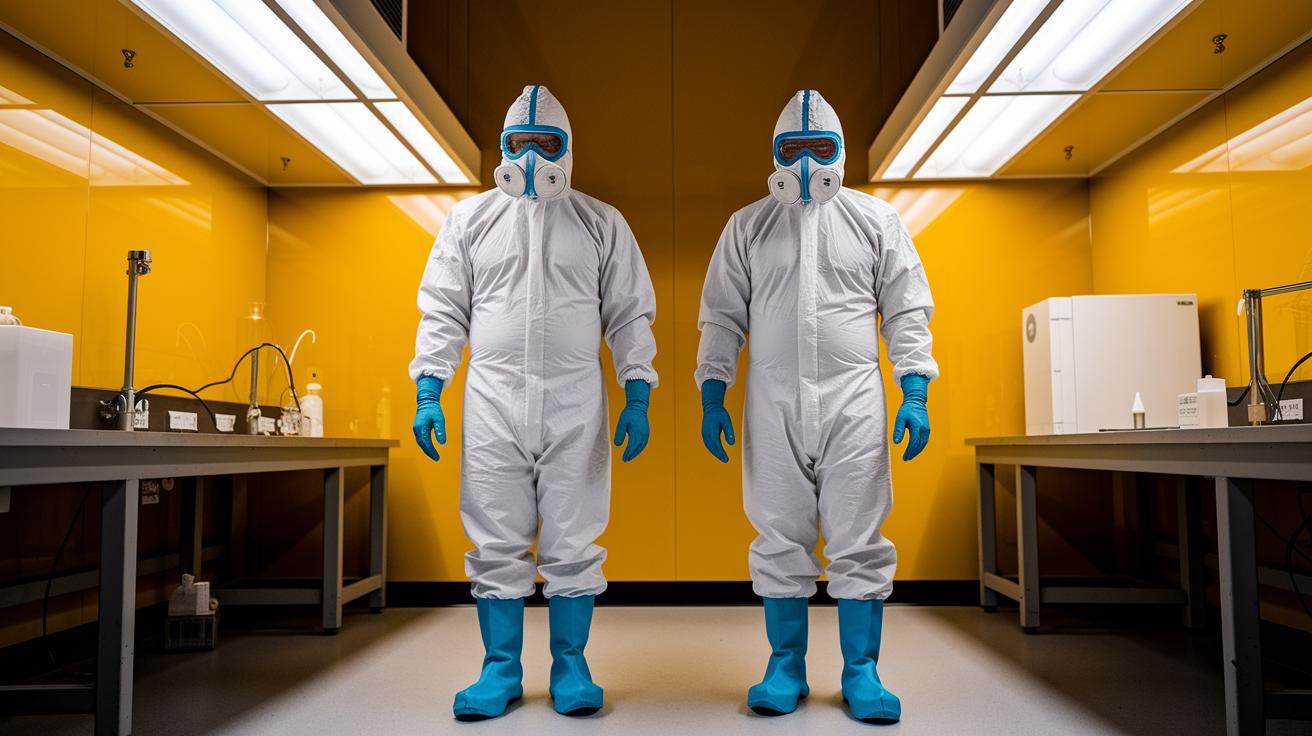
Technicians use specific protective gear to handle harmful substances safely. They wear full-body Level C hazmat suits, nitrile or latex gloves, and respirators like P100 or N95 (which filter dangerous particles) to protect against airborne risks. They also wear goggles and face shields that meet OSHA guidelines for Bloodborne Pathogens and follow site rules.
Other gear such as protective head coverings and disposable boot covers helps lower the chance of spreading contaminants. Each piece is chosen for its proven reliability, ensuring everyone stays shielded during high-risk work.
Wearing all this gear can be challenging. Heat stress and reduced mobility are real issues during long cleanups. To help, we schedule regular breaks so our team can rest and stay safe.
We follow strict steps when putting on and removing our gear. Every technician checks each item before starting work and uses a detailed checklist when taking it off. Regular safety reviews ensure proper use and that the gear comes off in the right order to prevent contamination spread. These careful routines help lower risks and keep both our team and the work area safe.
Hazardous Material Removal Steps in the Biohazard Cleanup Process
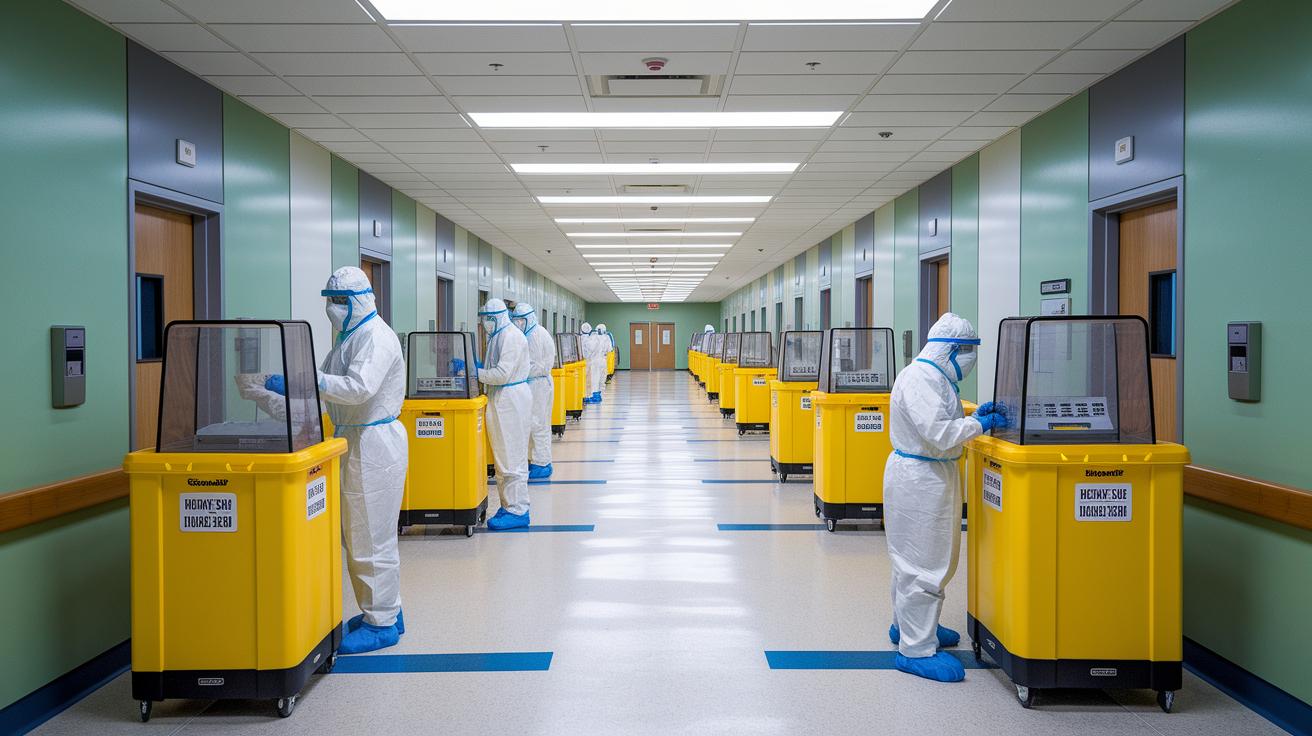
When we begin cleanup, our first step is to secure the area with barriers and negative air machines (devices that filter and circulate air). This stops dangerous fluids and pharmaceutical waste from spreading. We then follow state and federal rules for safe medical waste handling as we remove large amounts of hazardous materials. For chemical spills, we use neutralizing agents to stop harmful reactions before removal. In trauma scenes, we work extra carefully to prevent cross-contamination.
- Seal the area and create negative air pressure containment.
- Collect and bag fluids using absorbent pads and approved containers.
- Carefully pick up sharps and broken glass using puncture-proof sharps containers.
- Apply neutralizing agents to chemical spills, then clean up the area.
- Transport contaminated items and stage them in labeled biohazard bins.
- Decontaminate equipment and transfer zones before moving to the next area.
After these steps, our technicians check that every part of the process meets strict safety protocols. We document each action, from isolating the area to packing hazardous waste, to meet legal and regulatory requirements. This careful method reduces the chance of more contamination and protects both our crew and the environment. Following these steps is essential for safe and effective biohazard cleanup.
Disinfection and Decontamination Service Methods in the Biohazard Cleanup Process
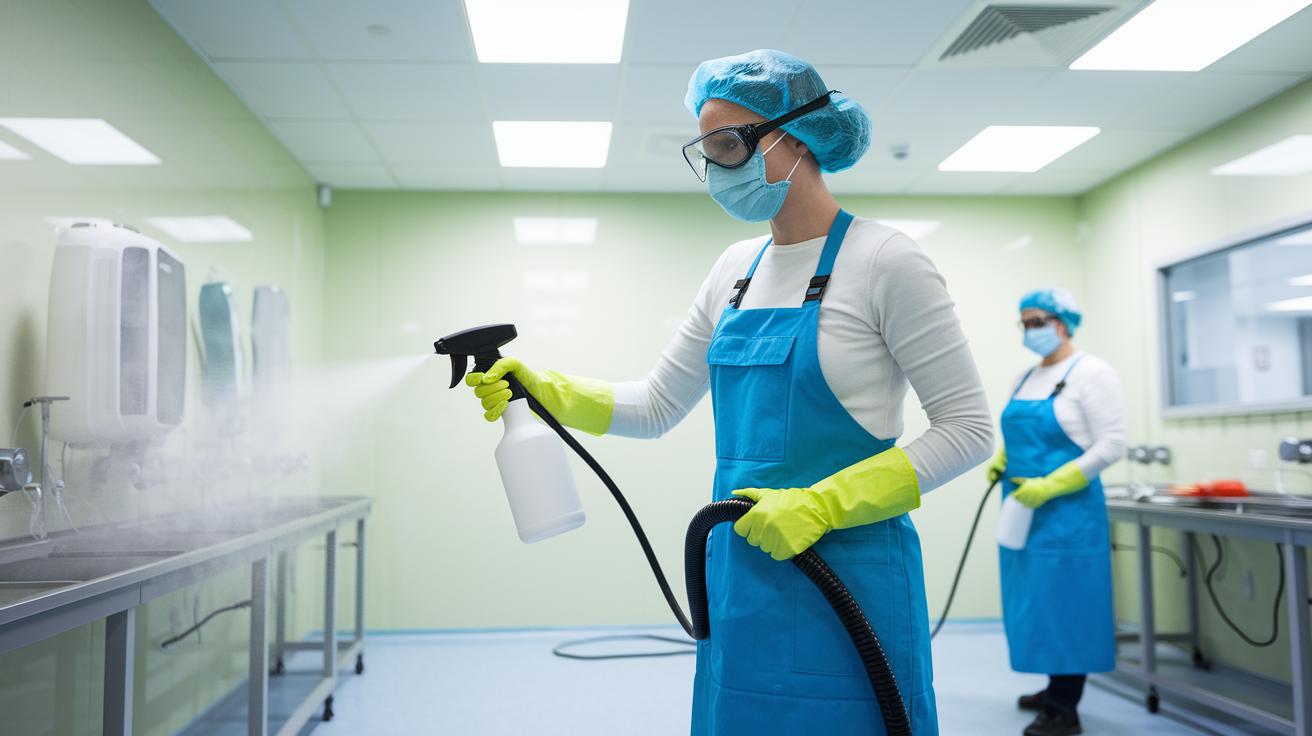
We begin by treating surfaces with enzymatic detergents (special cleaning agents that break down organic material) to remove all visible debris. This step clears away any residue that might stop the disinfectants from working properly. Next, we apply EPA-approved disinfectants like sodium hypochlorite (a bleach solution) and hydrogen peroxide formulations. These chemicals are proven to break down harmful germs and leave the area safe.
We use several methods to make sure every surface is covered. Fogging releases a fine mist that reaches every corner, while electrostatic spraying sends out charged droplets that stick evenly to surfaces. For spots that are touched often, we use manual wiping with cloths or mops. After cleaning, we verify the work using tools such as ATP meters (devices that measure biological activity) or culture swabs to ensure no germs remain.
| Method | Chemical Agent | Application Technique |
|---|---|---|
| Fogging | Hydrogen peroxide vapor | Automated release |
| Electrostatic Spraying | Quaternary ammonium | Charged spray guns |
| Manual Wipe | Sodium hypochlorite | Cloth or mop application |
Each of these methods is chosen for a reason. Fogging works well for large spaces and hard-to-reach areas. Electrostatic spraying helps cover different types of surfaces evenly. Manual wiping lets us focus on spots that see a lot of contact. Together, these steps form a clear plan to remove pathogens and meet strict infection control standards.
Hazardous Waste Disposal Methods in the Biohazard Cleanup Process
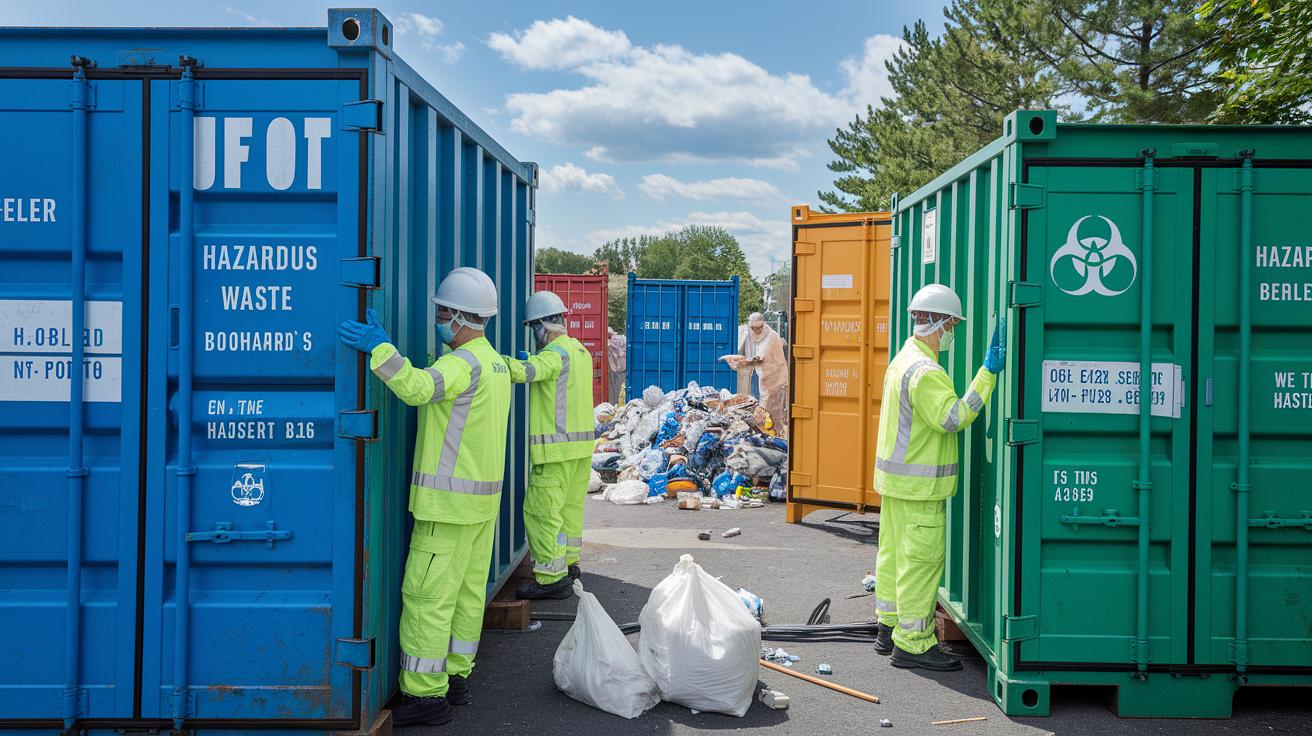
Certified waste removal companies are key in the biohazard cleanup process. They collect and transport dangerous materials while following strict EPA (Environmental Protection Agency) and DOT (Department of Transportation) rules. They use careful methods to handle each harmful substance, from bloodborne pathogens to chemical spills, with great care. By using different disposal techniques for each type of waste, they keep risks low and protect both the environment and public health.
During cleanup, waste is sorted with great care. Sharps are placed in strong, puncture-resistant containers to avoid injury. Fluids are sealed in leak-proof biohazard bags to prevent spills, and pharmaceutical waste is kept separate to avoid cross-contamination. This organized system ensures that every material is managed correctly from the start.
For medical waste that has been deactivated, methods like autoclaving (using steam to kill germs), incineration (burning waste safely), and licensed landfill burial are used. These techniques neutralize harmful agents before final disposal, which helps reduce any environmental impact. Proper labeling and a clear chain-of-custody are maintained at every step to meet legal and safety requirements.
By following these strict containerization and disposal protocols, contaminated materials are treated safely and securely. Every step, from sorting the waste to final disposal, is documented carefully to meet regulatory measures. This careful process protects both the cleanup team and the community by preventing accidental exposures. Detailed records and clear labels also make audits and inspections straightforward, ensuring hazardous waste is managed with precision and integrity.
Infection Control and Post-Incident Neutralization Protocol in the Biohazard Cleanup Process
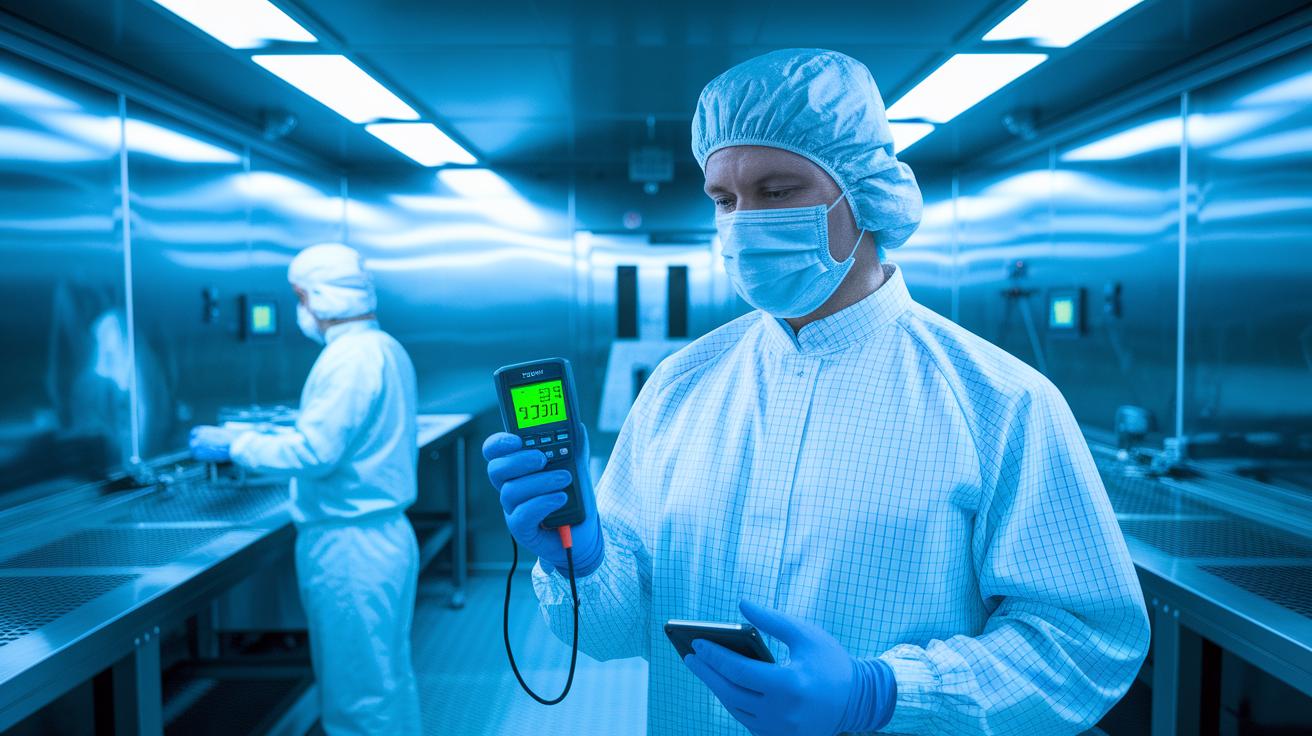
During our final check, our team uses ATP meters (devices that measure bacteria levels) and careful visual inspections to make sure all traces of contamination are gone. We look at every surface, corner, and tight spot to ensure our cleaning and disinfection meet strict safety standards.
After the initial cleanup, we take extra steps to lock in your safety. We replace filters in the heating and cooling system, seal porous surfaces (like wooden frames and ceiling tiles), and treat high-touch areas (such as door handles and countertops) with antimicrobial coatings (cleaning agents that kill germs). This routine stops any hidden hazards from coming back. Our emergency decontamination team is always ready to respond quickly if any new issues arise by checking the area and applying targeted treatments.
We also keep detailed logs, incident reports, and handover documents throughout the process. These records give you full transparency and ensure we follow all safety regulations. Every note is reviewed to make sure each step is followed exactly, protecting both you and our team while maintaining high quality.
Specialized Forensic Decontamination in the Biohazard Cleanup Process
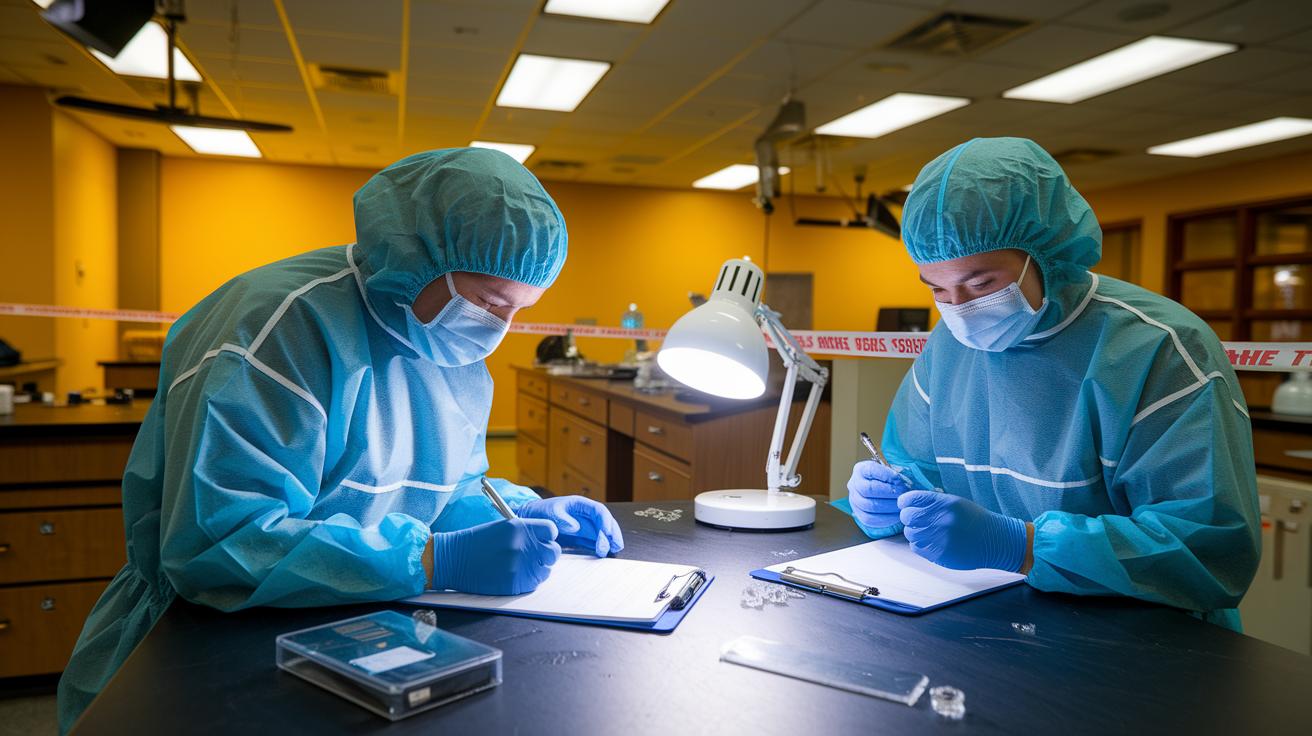
Forensic cleanup calls for careful work to protect evidence and keep a clear record of who has handled it. Our trained teams follow proven steps to record every detail and secure key information. This careful approach is vital when cleaning a crime scene because even small mistakes can affect the investigation.
Our cleaning professionals work side by side with law enforcement, coroners (officials who investigate deaths), and forensic examiners during trauma or crime scenes. Their methods keep both safety and the integrity of evidence in mind.
Our rapid-response teams use modern tools like UV-C light decontamination (using ultraviolet light to kill germs) and cleaning solutions that do not disturb evidence. They are also prepared to handle hoarding situations, where clutter and contamination can hide important clues. Each step is carefully noted to meet cleanup and legal requirements. By combining updated technology with strict forensic procedures, we keep the scene secure and ready for further review while meeting all safety and investigative standards.
Final Words
In the action, we explored the entire biohazard cleanup process, covering steps from contamination assessment to thorough disinfection and safe hazardous waste disposal.
Our detailed breakdown highlighted technician qualifications, the need for proper protective gear, and strict regulatory compliance.
We also reviewed specialized procedures like forensic decontamination, ensuring property safety and clear documentation for insurance claims.
Each step is designed to stabilize your property and restore it quickly, offering a path to a safer, worry-free environment.
FAQ
What are the biohazard cleanup process steps and what does the cleanup include?
The biohazard cleanup process includes isolating the affected area, removing bulk fluids, handling sharps safely, applying neutralization agents, and decontaminating surfaces with approved disinfectants to ensure complete pathogen elimination.
What does OSHA biohazard cleanup training and certification involve?
OSHA biohazard cleanup training and certification involve specialized courses on safe handling procedures, proper use of protective gear, understanding federal safety standards, and practical demonstrations to prepare technicians to work safely in contaminated environments.
What are the career opportunities, salaries, and job requirements in biohazard cleanup?
Biohazard cleanup jobs require specialized training and certification. Technicians can work in various settings, and salaries typically range from about $35,000 to over $60,000 annually depending on experience, location, and job complexity.
When cleaning up a biohazard spill, what should you spray the area with?
When cleaning up a biohazard spill, you should spray the area with an EPA-registered disinfectant, such as a bleach or hydrogen peroxide solution, to ensure that all pathogens are effectively neutralized.
What is included in a biohazard spill kit?
A biohazard spill kit typically includes items like absorbent pads, disinfectants, PPE components (gloves and gowns), biohazard waste bags, and specialized tools for safely containing and removing contaminated materials.
Do you need a degree to work in biohazard cleanup?
Working in biohazard cleanup does not usually require a formal degree; however, specialized training, certification, and hands-on experience are mandatory to meet safety standards in handling hazardous materials.
How much does Servpro biohazard cleanup cost per hour?
Servpro biohazard cleanup costs per hour typically range between $150 and $250, though pricing may vary based on job complexity, location, and the specific remediation requirements involved.