
Have you ever noticed how a little basement flood can quickly become a big problem? Even a small amount of water can weaken your home’s foundation and start mold growing faster than you might think. I know situations like this are stressful, so we put together a simple guide to keep you safe and help protect your valuables.
Our guide lays out clear steps. First, turn off your power to avoid any danger. Then, follow our tips to remove the water as soon as possible. These actions help stop further damage and get your home back to normal quickly.
Essential Immediate Steps for Basement Flood Cleanup
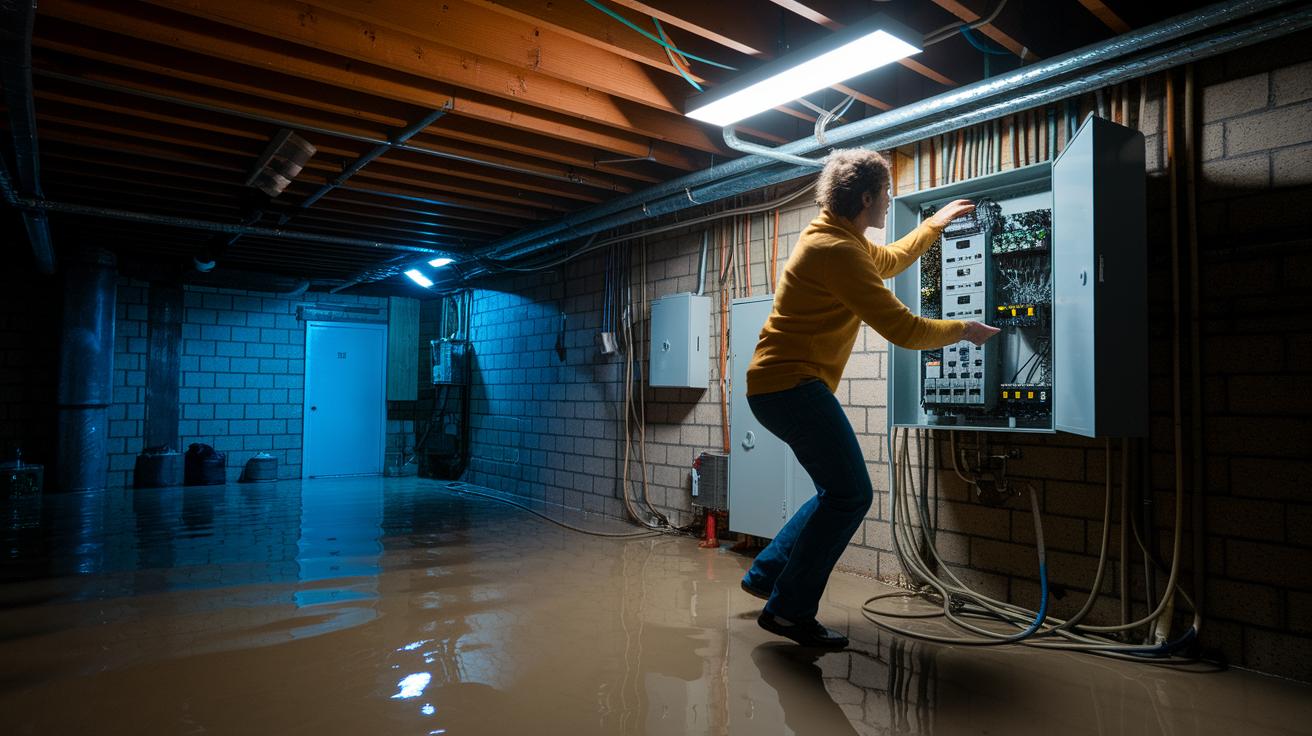
When your basement floods, every second matters. Floodwater can hurt your home's foundation and start mold growth quickly. Even a small amount of water may lead to serious damage to your home and air quality.
-
Turn off the power at the main breaker. This step keeps you safe from electrical shock when water mixes with outlets. For example, if you see water getting close to your panel, shut off the power right away.
-
Check how deep the water is. Stay safe by avoiding contact with water that might be contaminated. Look at the walls and floors to see how wet they are. Even 6 inches of water can cause big problems.
-
Remove any valuables or personal items from the area. This keeps items like documents, electronics, or photos safe from water damage by moving them to a dry spot.
-
Start removing the water immediately. If it is safe, use buckets or a wet/dry vacuum to suck out the water. Removing the water quickly helps prevent it from seeping into your walls and weakening the structure further.
-
Call professional flood cleanup services right away. Quick help can stop mold from growing and avoids long-term damage to your home.
Following these steps can quickly stabilize your flooded basement and protect your home and health during an emergency.
Key Safety Precautions During Basement Flood Cleanup
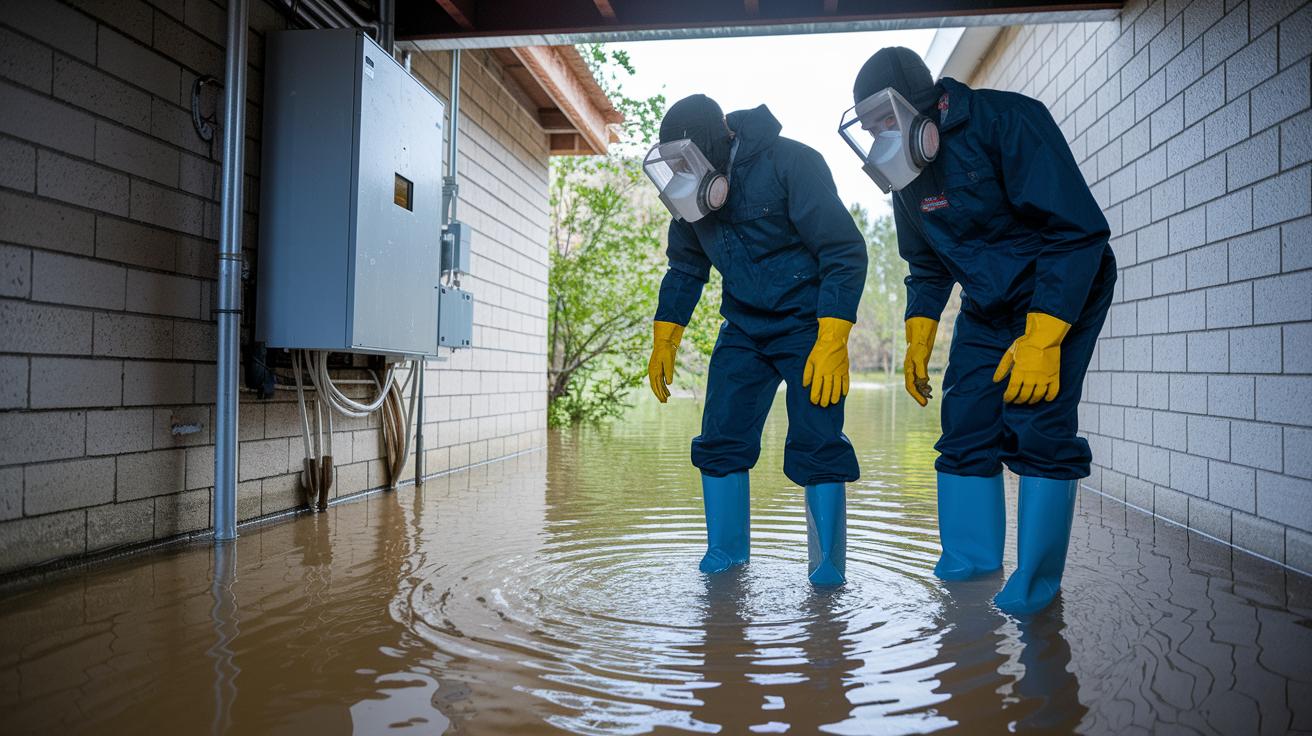
Floodwater can hide many dangers such as sewage, gasoline, pesticides, and harmful bacteria. It is important to wear protective gear at all times. Use heavy-duty gloves, waterproof boots, and a respirator (a mask that filters out harmful air particles) before stepping into any affected area.
Before you start cleaning up, take a moment to assess the situation. Look for standing water near electrical panels, HVAC units (systems that heat and cool your home), or water heaters, as these can pose shock or fire risks. To stay safe, follow these steps:
- Turn off the power at the main breaker if water is close to any electrical components.
- Check for hazards like exposed wiring or unstable structures.
- Ensure the area is well-ventilated to avoid breathing dangerous fumes.
Always keep your protective gear on and avoid any contact with contaminated water. This careful, step-by-step approach helps reduce the risk of injury and keeps you safe as you work to restore your home.
Water Extraction and Structural Drying in Basement Flood Cleanup
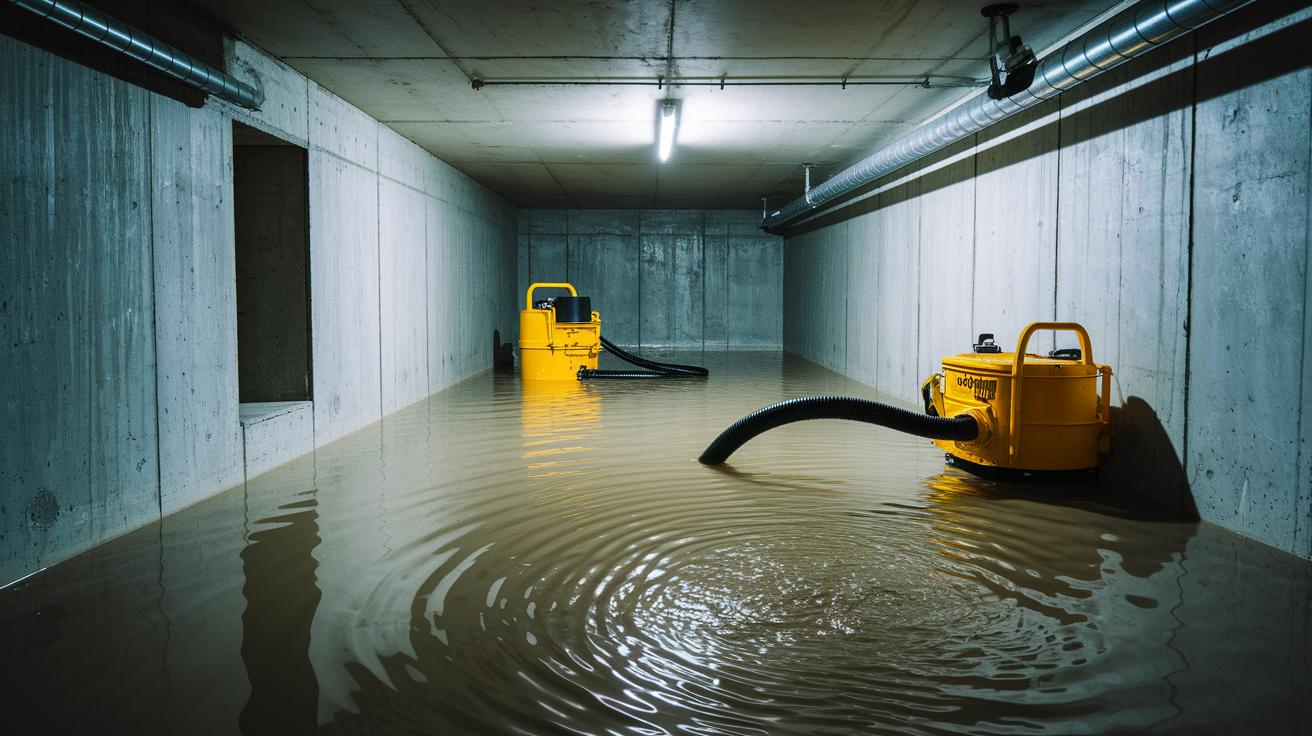
Emergency Water Removal Steps
Basements are below ground, so they easily collect water that can harm your home. The first step is to remove this water quickly. We use pumps that work underwater (submersible pumps) and strong wet/dry vacuums to pull the water out. Sometimes, the sump pump kicks in to force the water away. Think of a submersible pump like a runner at the start of a race, it immediately moves the water out to protect your walls, floors, and other structures.
Structural Drying Techniques
After most of the water is gone, there is still moisture trapped in the building materials. Concrete, for example, can hold water even when it looks dry. We use air movers (fans that circulate air) and portable heaters to drive out this hidden moisture from walls, floors, and support structures. Technicians set these devices in key spots so every hidden area gets dried, similar to how a hair dryer removes wetness from clothes.
Dehumidification and Moisture Control
Once the fans and heaters have helped remove much of the moisture, industrial dehumidifiers take over. They work to keep the air dry by continuously pulling out leftover water. This process stops mold growth and prevents further damage. Imagine a dehumidifier that runs like a marathon, keeping the space at just the right humidity until every part of your basement is safe.
Each step is vital to protect your home from long-term damage and future flooding.
Mold Prevention and Post-Flood Sanitation for Basement Flood Cleanup

Once you remove the standing water, your next priority is to clean and prevent mold growth. Use EPA-registered cleaners and disinfectants to wipe down every surface, much like cleaning a child's high chair after a messy meal. Every corner and hidden spot needs treatment to kill lingering bacteria and mold spores.
-
Remove any leftover debris and porous items that have absorbed water. Cardboard, insulation, or fabric-covered furniture can hold mold if left behind. Place these items in heavy-duty trash bags to prevent further contamination.
-
Use products that neutralize odors in areas affected by stagnant water or sewage. A musty smell might mean contaminants are still present. Open windows and use fans to bring in fresh air and push out unwanted odors, similar to airing out a damp closet.
-
Clean the area with a two-step process. First, apply a disinfectant solution to all surfaces. Then, rinse the area well with clean water. Using a moisture meter (a tool that measures dampness) can confirm that surfaces are fully dry, reducing the chance of mold growth.
-
Finally, treat porous materials with mold prevention products. These treatments create a protective barrier, much like applying a sealant to wood, to lower the risk of future mold and help keep your basement healthy.
Essential DIY Equipment for Basement Flood Cleanup

- Always begin with protective gear. Wear nitrile gloves, an N95 respirator (a mask that filters harmful particles), and rubber boots to stay safe from contaminated water and debris.
- Have plenty of heavy-duty, contractor-grade trash bags on hand. They are used to safely dispose of wet items like cardboard, insulation, and fabric-covered furniture.
- Use a wet/dry vacuum with a wide hose, strong suction, and a built-in drainage port. This tool extracts standing water quickly.
- Keep squeegees and microfiber mops available to clear any remaining puddles from smooth surfaces, so that no water is left hidden.
- Clean surfaces with EPA-approved disinfectant and mold-inhibiting cleaners. These products sanitize areas and help prevent mold growth.
- Set up industrial fans and a commercial-grade dehumidifier to run continuously for at least 48 hours. This ensures the structure dries out completely.
- Use flat-edged shovels and large buckets to remove mud, sediment, and debris from waterlogged areas efficiently.
- Verify that surfaces are dry before starting repairs by using a moisture meter.
- A portable generator rated between 5,000 and 7,500 watts will keep essential tools like vacuums, fans, and lights running during the cleanup.
- A battery-powered water sprayer, holding between 3.5 and 10 gallons, makes it easy to rinse floors and clean tools when a hose is not available.
Professional Flood Remediation Services and Cost Estimates for Basement Flood Cleanup

Flood damage in your basement can be dangerous, and trying to handle it yourself may leave hidden problems behind. Our certified specialists follow a clear plan. First, we remove the water quickly. Then we dry the structure and clean it thoroughly. Finally, we handle any necessary repairs. This way, we take care of issues like hidden moisture, mold, or even foundation damage.
Professional services not only help bring your home back to normal, they also work with your insurance provider. Flood damage may not be covered by a standard homeowner policy. By keeping detailed reports and clear cost estimates, you can be sure you know what to expect during repairs. In severe cases, full restoration might include removing damaged contents, cleaning up mold, and fixing your foundation.
Our team works closely with insurance adjusters to help support your claim. We use special tools like submersible pumps (devices that remove water from flooded areas), high-capacity wet/dry vacuums, industrial dehumidifiers, and advanced drying equipment that are not usually available to homeowners.
| Service | Typical Cost Range |
|---|---|
| Emergency Water Extraction | $1,000–$3,000 |
| Structural Drying & Dehumidification | $800–$2,500 |
| Mold Remediation | $500–$6,000 |
| Foundation Repair After Flooding | $2,000–$10,000 |
basement flood cleanup: Swift & Steady Recovery

Keep your basement dry by staying ahead with maintenance and waterproofing upgrades. Start by shaping your home's exterior so water flows away from the foundation. Grading the soil to slope outward stops water from pooling against your walls. Installing French drains channels water away, and picking water-resistant plants near your home helps keep soil erosion and water absorption to a minimum.
Inside your home, add extra protection by using sealants and moisture barriers on foundation walls. These actions slow water seepage and give you a backup when heavy rains hit or pipes burst. Always check your sump pump, too. Look over its valve, float switch (a device that detects water levels), and battery backup to make sure they work when water levels rise. A well-maintained sump pump is key to keeping your basement dry.
Here are some clear steps to help protect your home:
- Inspect and clean your gutters regularly to prevent overflow.
- Apply a high-quality sealant to fix any foundation cracks and joints.
- Confirm that your landscape grading moves water away from the structure.
- Schedule routine checks for your sump pump to avoid unexpected failures.
Taking these steps guards against immediate water damage and lowers long-term repair costs by stopping water intrusion before it starts. Putting time into regular maintenance and waterproofing now means fewer problems later and a stronger home foundation. Each measure works together to promote a swift and steady recovery, keeping your basement safe no matter the weather.
Post-Flood Cleanup Recap

- Switch off the main electrical breaker.
- Remove any standing water using wet/dry vacuums or submersible pumps (devices that help extract water).
- Dry the area with industrial fans, air movers, and dehumidifiers. Check carefully to ensure no hidden moisture remains.
- Dispose of any porous materials that absorbed floodwater.
- Clean all surfaces with EPA-registered disinfectants and mold-inhibiting products.
- Do a final check for damp spots, lingering odors, or signs of mold.
- Record each cleanup phase. For instance, note: "Photo 1: Living room ceiling with moisture level verified."
Final Words
In the action of addressing a flooded basement, we've covered quick steps to reduce water damage and protect your home. We talked about crucial safety measures to prevent hazards and outlined effective water extraction and structural drying techniques. We also shared preventive tips and a handy checklist to help guide your DIY tasks or professional help. Follow these steps for solid, rapid basement flood cleanup and work toward a dry, secure space. With careful planning and action, you'll overcome this challenge and move toward a safer home.
FAQ
How much does it cost to clean up a flooded basement and repair water damage?
The cost for cleaning a flooded basement covers water extraction, drying, and repairs. Estimates can range from around $1,000 to over $10,000, depending on damage severity and the services required.
What insights about basement flood cleanup do users share on Reddit?
The basement flood cleanup discussions on Reddit share real homeowner experiences and DIY tips. Users discuss safe water removal methods, drying techniques, and budgeting advice for both DIY and professional solutions.
How can I clean up a flooded basement by myself?
The process of cleaning a flooded basement by yourself involves first turning off power, using safety gear, and employing tools like wet/dry vacuums and industrial fans to remove water and dry surfaces effectively.
Where do I find professionals for basement flood cleanup near me?
Searching for basement flood cleanup near you means locating local certified restoration specialists. These professionals offer emergency water removal, structural drying, and mold prevention while coordinating with your insurer.
Who should I call for basement flooding response services?
The right call for basement flooding is a professional cleanup service. Certified technicians can manage water extraction, drying, and sanitation to prevent further damage and reduce mold risk.
What does flooded basement restoration involve?
Flooded basement restoration includes water extraction, structural drying, sanitation, and sometimes repairs like mold remediation and foundation reinforcement to bring your basement back to a safe, usable condition.