
Have you spotted water pooling in your attic and wondered what to do next? We know it can be a stressful surprise. Restoring water-damaged areas in your attic can make all the difference in keeping your home safe.
We begin by using pumps, vacuums, and strong fans to remove the water quickly and prevent extra damage. Our team dries the area thoroughly, reduces humidity, and checks moisture levels to stop mold from forming. This careful work typically wraps up in just one day, leaving your attic, and your home, safer and stronger.
Comprehensive Attic Water Damage Restoration Steps
When we find water in your attic, our certified crew jumps right in. We use pumps (machines that move water quickly) and shop vacuums (portable vacuums) to pull out any standing water. This fast water removal is key to stopping more damage and speeding up the drying process.
Once the water is gone, we start drying and dehumidifying the space. We place air movers (fans that circulate air) and industrial dehumidifiers (machines that remove moisture from the air) throughout the attic. They work together to pull moisture from surfaces and lower the overall humidity quickly.
Next, we closely monitor the drying process. Our technicians use moisture meters (tools that check water content) to ensure the wood framing stays within a safe range of 5 to 12 percent moisture. We keep an eye on these readings and adjust our approach until every layer of the attic is dry.
All these steps work together to help your home recover. By quickly extracting water, circulating air, and carefully checking moisture levels, we prevent extra damage and mold growth. This coordinated process, usually completed within 24 hours, restores the attic’s integrity and protects your home for the long term.
Identifying Common Causes of Attic Water Intrusion
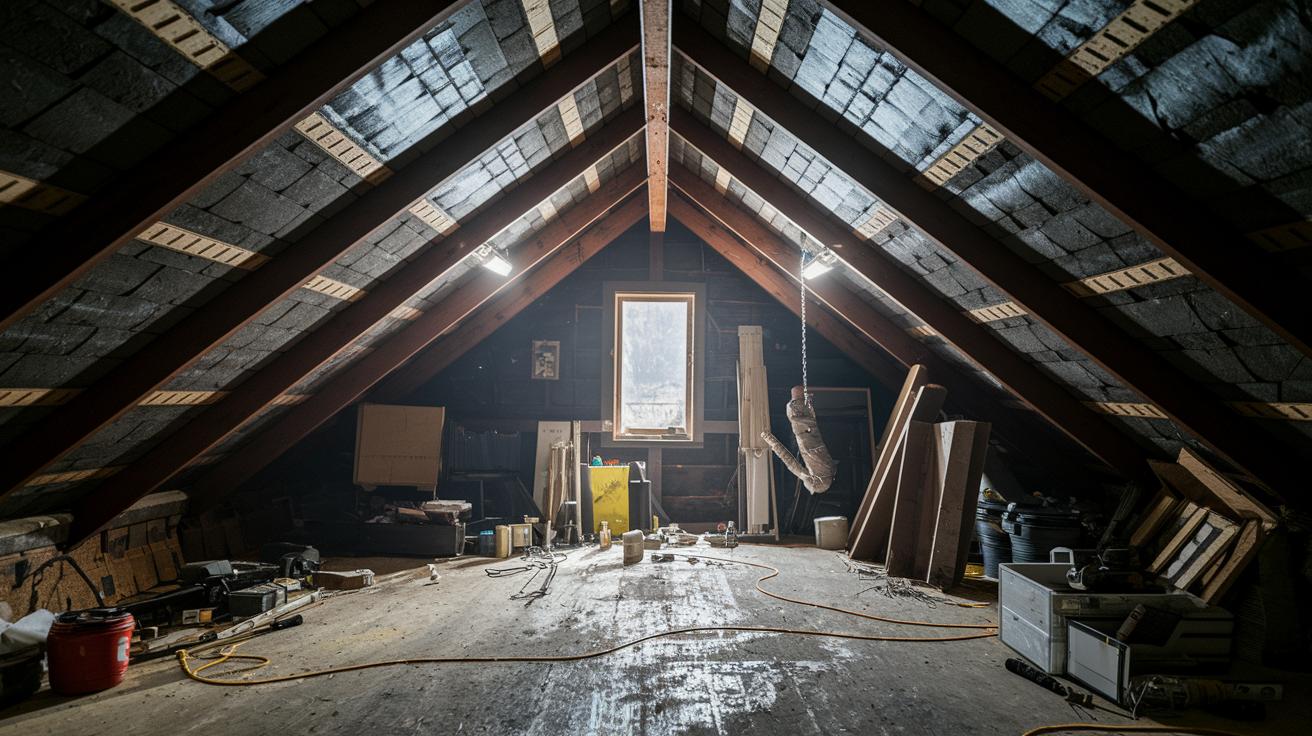
Finding how water gets into your attic is the first step in halting further damage. Homeowners can look for signs like pooling water and investigate where leaks might be coming from. Even a small leak can lead to mold or weaken structural supports if left alone. When you pinpoint the source, you can call a roof leak repair service to help protect your home from costly repairs.
- Roof shingle failures or flashing issues
- Leaks from plumbing vents or pipes
- HVAC condensation or clogged drains (these are parts of your heating and cooling system)
- Condensation caused by poor ventilation
- Water seeping around vents and chimneys
It is wise to inspect your attic every 3 to 6 months, especially after heavy rain or storms. Look for early signs such as water stains on the ceiling or a lingering damp feel under the insulation. If you spot anything unusual, contact a professional right away. Taking these steps now can prevent a small leak from turning into a bigger, more expensive problem, keeping your attic safe and your home secure.
Professional Attic Structural Drying and Moisture Removal Techniques
Restoration teams use thermal imaging cameras to quickly locate hidden wet spots in your attic. These cameras pick up temperature differences that show where moisture has built up, even behind insulation or on wooden beams. Our crews use this technology to spot the exact areas where water is held. We also calibrate heat and moisture sensors to get reliable readings on current conditions. This sensor check makes sure our numbers meet safety standards and helps us focus on the hardest-to-dry spots.
Using thermal imaging and calibrated sensors gives us a clear map of water placement. The data helps our team build a focused drying plan and use our drying tools efficiently. This approach keeps extra damage to a minimum and reduces the risk of mold growth. Once we find the wet spots, our specialized equipment gets to work removing moisture quickly. We begin cleanup within 4 to 8 hours, highlighting our fast response capabilities.
We also set up multiple high-capacity dehumidifiers to run continuously with air movers. These systems pull moisture right from wet surfaces and keep the drying process moving.
We check moisture levels every day until every part of the attic meets the dryness standards. Our technicians adjust the equipment as needed to ensure the attic remains safe.
Insulation Removal, Replacement, and Mold Remediation in Attics
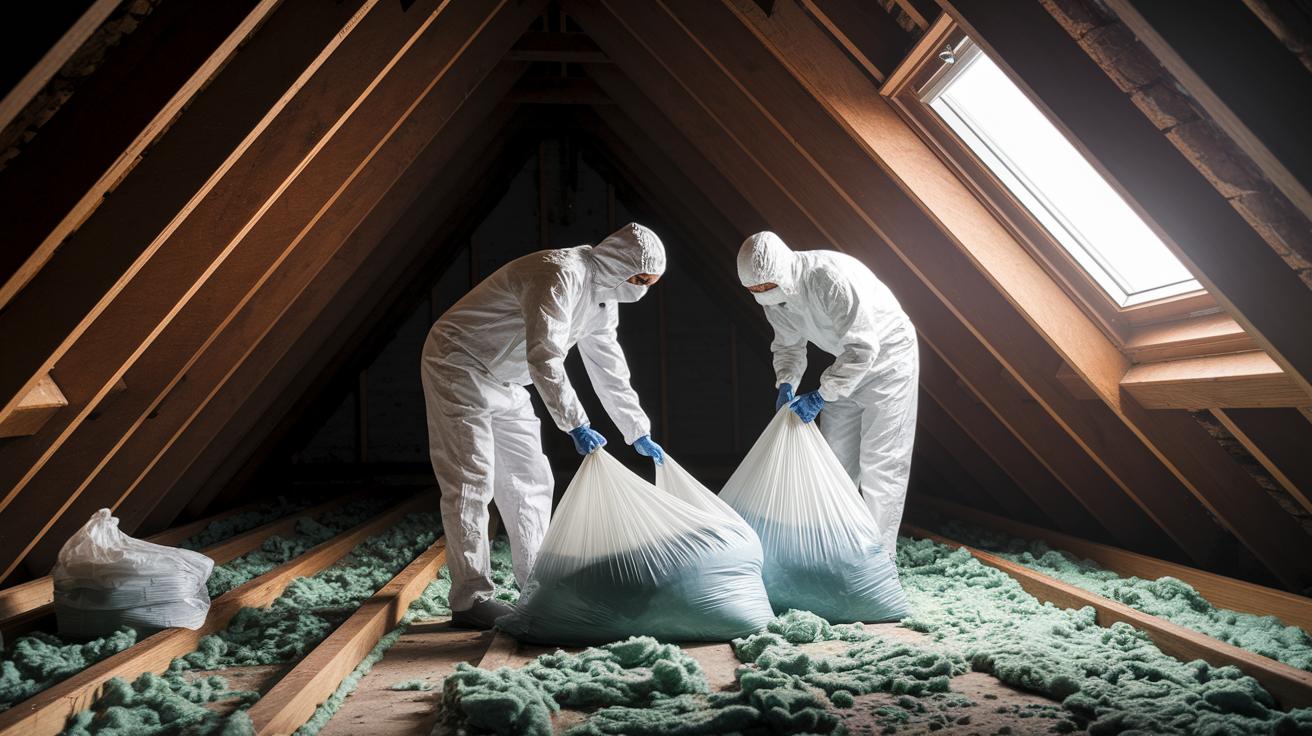
When our technicians arrive, they put on protective gear to safely remove wet insulation that can keep moisture trapped and encourage mold growth. They carefully cut away the soaked insulation with special tools to avoid harming the surrounding structure. The removed material is placed immediately in sealed bags to keep any contaminants contained. One technician explained, "I cut out the damaged batts and bag them right away so no dust escapes." This quick step helps stop moisture from spreading further in the attic.
After the insulation is removed, we turn our focus to getting rid of any mold. Our team starts by cleaning surfaces with EPA-approved antimicrobial treatments, which help kill germs and mold spores. Next, we treat the affected areas with antifungal solutions. We also set up air scrubbers with HEPA vacuums (high efficiency air filters) to clear the air of mold spores. A technician mentioned, "After cleaning the surfaces, our air scrubbers work hard to clear out every particle." This process makes sure that both visible mold and airborne spores are reduced.
Once the area is clean, we choose the right replacement insulation. Options like closed-cell spray foam or fiberglass batts with built-in vapor barriers help control moisture and maintain energy efficiency in your attic. These materials protect your home against future water damage and help keep temperatures steady.
Preventative Measures and Ventilation Upgrades for Attic Protection
A well-ventilated attic stops moisture from building up and prevents water damage to your home. Good airflow stops condensation from collecting and keeps mold from forming. When your attic can breathe, it naturally controls humidity and lessens the strain on your roof and insulation. Better ventilation also helps keep indoor temperatures steady, even when the weather is harsh.
- Seal any gaps in the attic floor
- Install vents along the roof ridge and soffit areas
- Use waterproof underlayment
- Add exhaust fans that sense humidity
- Choose closed-cell foam insulation
- Schedule inspections twice a year
Upgrading these features minimizes the entry of damp air and blocks water damage before it starts. Regular maintenance every six months helps spot early signs of moisture buildup, so small problems do not turn into costly repairs. This proactive plan keeps your attic dry and secure, saving you money and reducing stress over time.
Cost, Timelines, and Finding Qualified Attic Restoration Experts
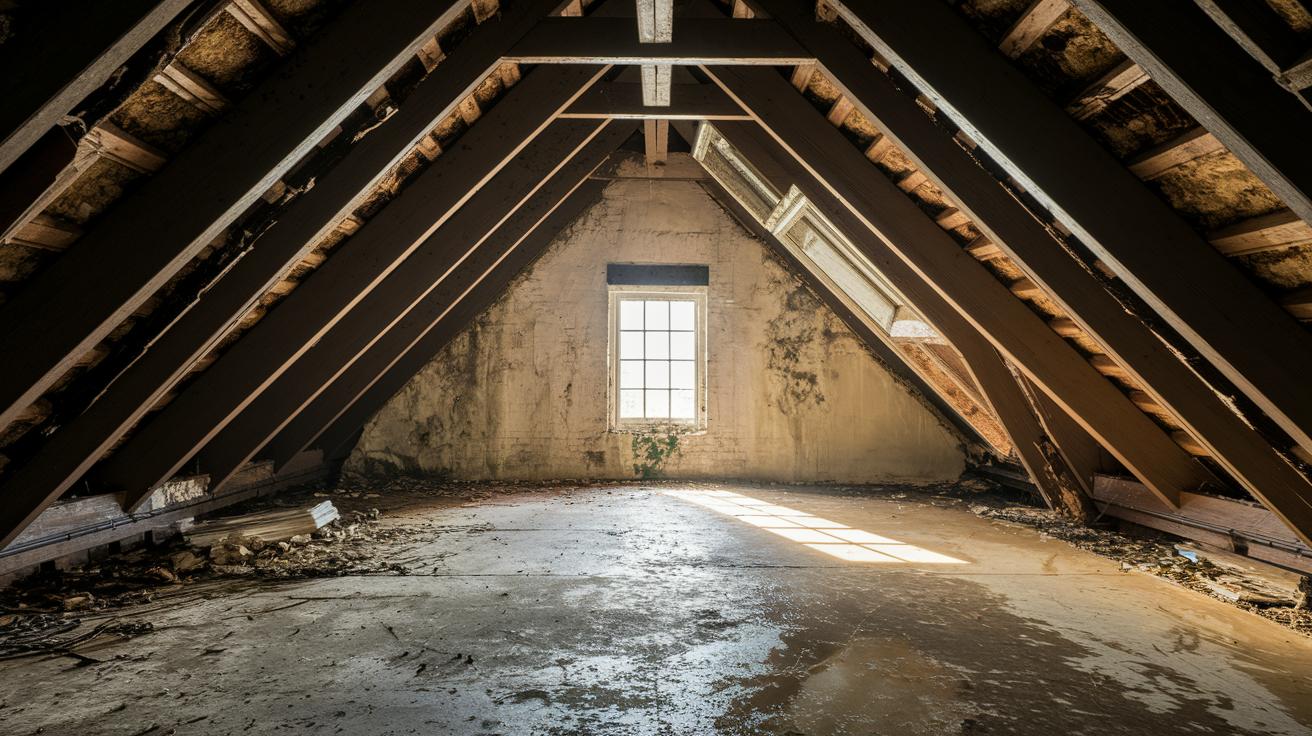
Attic water damage costs depend on how bad the damage is and the work needed for insulation and mold cleanup. Minor water extraction jobs can cost around $1,200 on average. But if full restoration is needed, including insulation removal, mold cleanup, and full structural drying, the cost may be over $5,000. Labor, equipment rental, and the need for a quick response all affect the timeline. For instance, drying the structure can take between 3 and 7 days based on the moisture level. Certified experts can also help with insurance paperwork, making the claims process smoother and helping to avoid extra delays.
| Service Component | Estimated Cost Range | Typical Timeline |
|---|---|---|
| Water Extraction | $200–$800 | 4–8 hours |
| Structural Drying | $500–$1,500 | 3–7 days |
| Insulation Replacement | $600–$1,200 | 1–2 days |
| Mold Remediation | $800–$2,000 | 2–4 days |
When you choose a restoration contractor, check their credentials, licenses, and warranty options. Look for professionals who hold valid certifications, like IICRC (industry restoration standards) and who meet established standards. Many reliable companies offer warranties between 1 and 5 years, ensuring quality work and long-term protection. It is a good idea to ask for detailed estimates and help with insurance documents so you can avoid unexpected expenses and delays with your attic repair.
Final Words
In the action of tackling water damage, we walked through essential steps from immediate water removal and structural drying to insulation replacement and mold remediation.
We covered quick water extraction, careful drying, proper inspections, and air ventilation upgrades while noting cost factors and hiring expert services.
By following these clear guidelines, attic water damage restoration becomes a manageable process that safeguards your home and minimizes further costs.
This practical approach leaves you ready to restore your property safely and confidently.
FAQ
What does attic water damage restoration near California involve?
The process in California uses prompt water extraction, structural drying, and proper ventilation upgrades to get your attic back in shape and prevent mold growth.
What happens with attic water damage restoration near Texas?
In Texas, professionals quickly remove water, dry the structure with dehumidifiers and air movers, and address insulation and ventilation to reduce further damage.
What is the typical cost for attic water damage restoration?
Attic restoration costs vary by damage severity. Minor repairs may cost around $1,200, while full restorations with insulation replacement and mold remediation can exceed $5,000.
How does one fix water damage in an attic?
Fixing water damage means extracting water, drying the area with air movers and dehumidifiers, and removing wet insulation if needed to stop mold and structural harm.
What does the 7 and 7 rule for a finished attic mean?
The 7 and 7 rule means repairs should begin within 7 days of noticing damage and be completed within 7 weeks to prevent further issues and mold growth.
How much does it cost to repair water damage in an attic?
Repair expenses depend on the extent of the damage; minor water removal is typically around $1,200, while more extensive repairs including insulation and mold work can cost over $5,000.
Is water damage restoration worth it?
Restoration is worth it as it stops mold growth, preserves your home’s structural integrity, and prevents more costly repairs by addressing water issues early.