Have you ever asked how a business can get back on its feet after a big disaster? Restoring a business after major damage means more than just repairs; it means starting up again with confidence. When storms, fires or floods strike, every minute counts. Since 1981, our team has handled everything from hurricanes to large building fires. We work quickly with clear steps: removing water, clearing debris and securing your property. Even when the damage seems overwhelming, we turn a crisis into a fresh start, giving you the support you need to get moving again.
large loss commercial restoration: Renew with Confidence
We handle many types of damage to commercial properties. Whether it is serious fire repair, water damage, or loss from a storm, our team is ready to help. Since 1981, our experts have managed major projects such as the San Francisco Earthquakes, Hurricane Andrew, 9/11, and big hotel fires like the Hilton Las Vegas. We know these events need fast and thorough work to get operations back on track.
Our process starts with immediate emergency steps. We extract water quickly when a spill threatens the building, clear out debris carefully, and board up or cover the area to stop more damage. We use tools like industrial air movers (big machines that help dry areas) and moisture meters (devices that measure dampness) to remove water. We also focus on cleaning areas damaged by fire, flood, or storms. Each step matters, from making structural repairs to recovering items needed for daily business.
Our rapid response teams work 24/7 and have hurricane plans that ensure quick action during severe weather. For example, during a storm, we follow protocols recommended by leading experts to reduce downtime. We break projects into clear zones to keep costs in check, coordinate smoothly, and finish repairs faster. This method also helps us share clear, detailed information with insurance adjusters through evaluations, cost breakdowns, and organized documentation.
Every step of our restoration work is designed to build trust and bring confidence back to your business. We use advanced techniques alongside caring support so even when disaster strikes, business interruptions are kept to a minimum and recovery happens swiftly.
Key Phases in Large Loss Commercial Restoration Projects
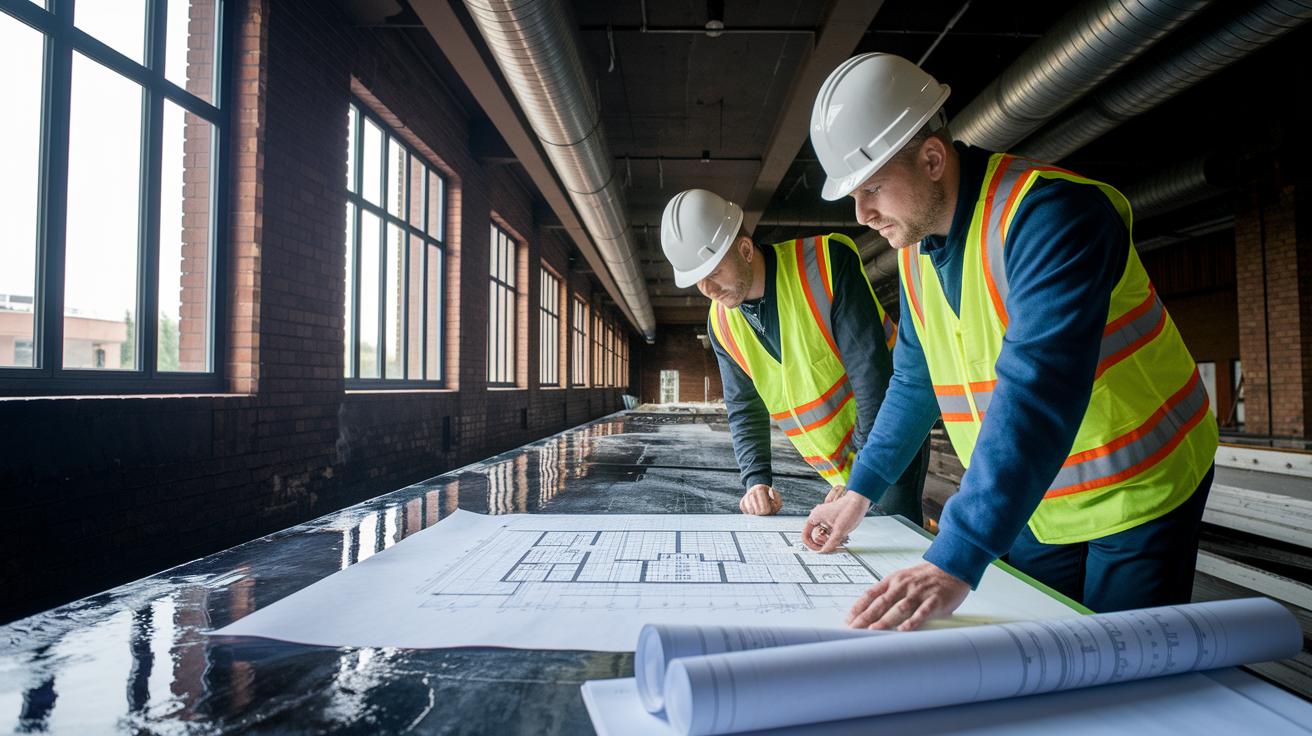
Our team begins with a careful check of the damage. We look at fire harm, water seepage, the building's strength, and any biohazard concerns. For example, one technician saw water damage below the ceiling tiles that shows hidden pockets of wetness. This close check tells us what to do next.
Next, we work to stabilize the property. We board up windows and doors, cover damaged areas with tarps, and quickly remove any water. We use industrial air movers and moisture meters (tools that measure humidity) to dry everything as fast as possible.
After that, we divide the project into smaller zones. Breaking the work into sections makes it easier to manage, helps keep costs in line, and lets us focus on the areas that need the most help.
Then comes the reconstruction phase. We get the needed permits and work with trusted subcontractors, following IICRC (industry restoration standards) guidelines. From the early fixes to the final touches, we handle both rebuilding the structure and restoring the contents.
Finally, we perform a full inspection and prepare the documentation. We go over every detail and create a clear cost breakdown that supports your insurance claim and ensures a smooth handover.
| Phase | Main Tasks |
|---|---|
| Damage Assessment | Check for fire, water, structural, and biohazard issues |
| Stabilization | Board up, tarp, extract water, and dry the area |
| Zonal Division | Break the project into sections to streamline work |
| Reconstruction | Obtain permits, coordinate repairs, and follow IICRC guidelines |
| Inspection | Complete final review and prepare documentation for insurance |
Advanced Technology and Techniques in Commercial Large Loss Restoration
We use powerful tools that speed up recovery and keep the process safe. Our team uses strong dehumidifiers (machines that remove moisture), air movers (fans that help dry areas), thermal imaging cameras (devices that show hidden heat differences), and moisture meters (tools that measure water levels) to find water that is hard to see. This allows us to remove water quickly and check spots that might be missed. For example, one technician found hidden water behind a wall with a thermal camera, making sure the area was fully dry.
We also set up systems to remove smoke and soot. By dividing the space and creating negative air pressure (systems that control airflow to keep contaminants inside), we clear the air and remove harmful particles. In fire damage cases, we add ozone generators and hydroxyl machines, which help remove lingering smells. One technician shared that an ozone generator made a smoky room fresh in just a few hours, showing a quick turnaround.
To stop mold from growing, we use thorough mold cleanup methods. We start with HEPA-filtered vacuums (machines that catch tiny particles) and then treat surfaces with antimicrobial solutions (chemicals that prevent mold) to keep mold from coming back. Each step helps restore your property in a safe and effective way.
Vendor Qualifications and Standards for Commercial Large Loss Restoration
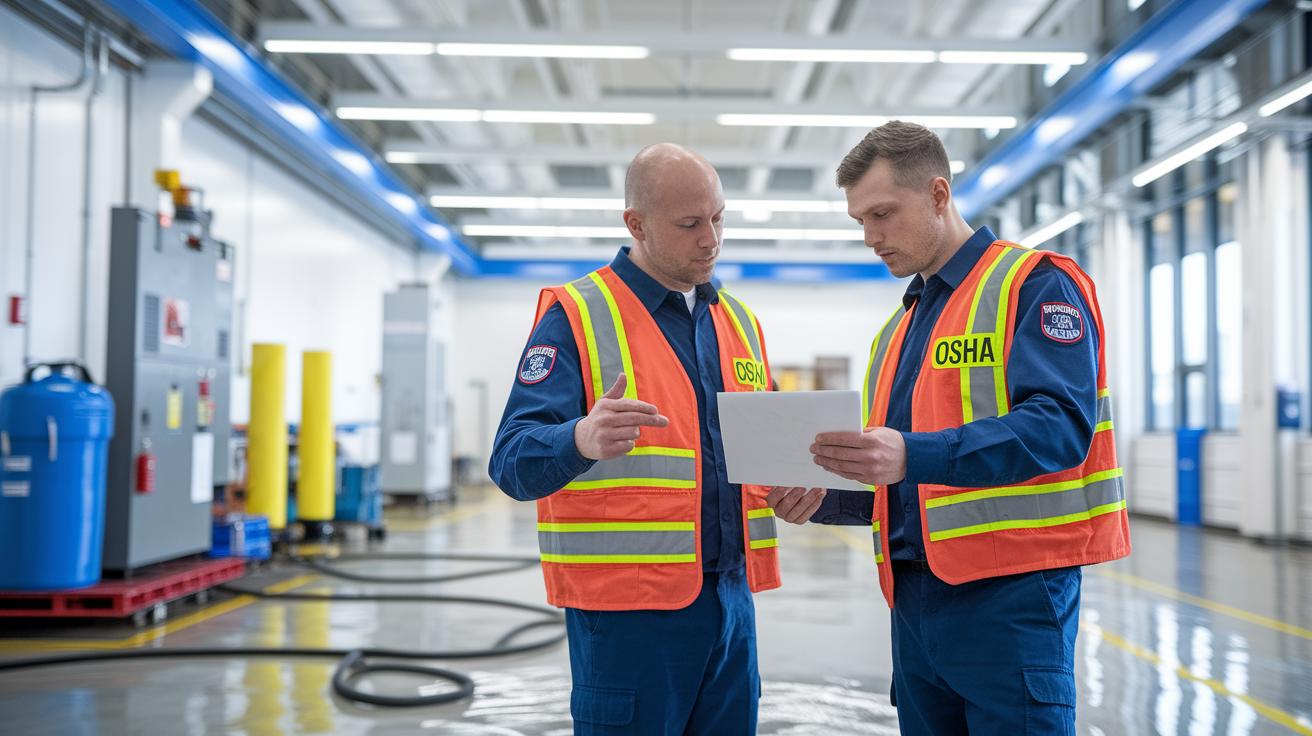
Top restoration vendors earn IICRC certification, which shows they follow clear fire, water, and biohazard cleanup rules. Facility managers should verify that these companies train their workers in OSHA-approved safety practices (OSHA is the Occupational Safety and Health Administration, which sets safety standards). Ask vendors, "Do your workers follow OSHA safety rules?" This simple question proves that safety is their top priority.
We suggest choosing companies that offer 24/7 response teams and quick mobilization plans. These teams can react fast even during the busiest times. When checking a vendor, look for a quality assurance program that includes third-party checks, detailed records, and eco-friendly waste disposal. This proves the work is done right and protects the environment.
A strong vendor also partners with expert tradespeople like plumbers, electricians, and structural contractors. These professionals help support the cleanup for industrial projects. One facility manager said, "We trusted a vendor after confirming they had licensed electrical and plumbing experts." For a list of approved vendors, visit https://mindtangle.net?p=282.
By focusing on certifications, safety protocols, environmental care, and a reliable network of experts, facility managers can choose partners who deliver strong industrial recovery solutions that meet high standards.
Insurance Coordination and Claim Management in Commercial Large Loss Restoration
Restoration experts speak directly with insurance adjusters to get claim approvals faster. They provide clear invoices and cost breakdowns that show exactly what each repair and mitigation step involves. This careful process helps match the repair records to the property damage and cuts down on disputes over repair costs.
We check the damage thoroughly and estimate the loss using simple, clear steps. This includes scheduling on-site inspections and taking photos to back up every part of the claim process. These records help avoid delays and prevent misunderstandings during claim processing. For example, one technician took clear photos of water seepage and fire damage to support the repair expenses.
Effective coordination follows a few best practices:
- Talk directly with insurance adjusters to review evaluation details.
- Create clear reports that list each repair and its matching expense.
- Use special claims support services when needed, such as public adjusters (they step in if initial offers are too low or if a claim is denied, helping maximize the final settlement).
This approach reduces business interruptions and speeds up financial recovery for commercial operations. Clear records and open cost details not only help insurers but also give property managers peace of mind during a challenging time.
For more tips on speeding up the claims process, check out the resources available through insurance claims assistance. They connect you with experts who can help manage large commercial claims quickly and efficiently.
Final Words
In the action, rapid response is key to limiting damage and getting things back on track. We covered every phase, from damage assessments and water extraction to using advanced technology and coordinating vendors, to restore your property safely. Clear documentation and expert insurance claim help further ease the process.
Large loss commercial restoration is a coordinated effort that not only reduces repair costs but also keeps safety and well-being in focus. With proven steps in every stage, progress moves steadily toward full recovery.
FAQ
Large loss commercial restoration reviews
Large loss commercial restoration reviews assess a company’s history in handling major damage events, highlighting their emergency response, quality repairs, and overall customer satisfaction to help you select a reliable service provider.
Nationwide restoration companies
Nationwide restoration companies offer consistent emergency repair services across the country, using certified teams and advanced equipment to tackle extensive fire, water, or storm damage at various commercial locations.
SERVPRO
SERVPRO is widely recognized for its rapid response to emergencies, offering comprehensive water extraction, fire damage repair, and storm mitigation services with a strong industry reputation for quality and reliability.
SERVPRO Global DRT
SERVPRO Global DRT refers to their dedicated Disaster Recovery Team that provides rapid, global-scale restoration support during large loss incidents to minimize downtime and further damages.
What are some of the Paul Davis Restoration locations, including Susquehanna Valley, Belgrade MT, and 1555 Commercial Blvd Herculaneum MO?
Paul Davis Restoration operates in multiple areas, including Susquehanna Valley, Belgrade MT, and at 1555 Commercial Blvd in Herculaneum MO, ensuring local expertise paired with industry-standard restoration practices.
What is considered a large loss claim?
A large loss claim is damage that exceeds typical policy limits, often involving extensive fire, water, or storm damage, and requires a comprehensive, multi-phase restoration process to restore the property.
Who is the biggest restoration company?
The biggest restoration company is often determined by market share and nationwide service breadth, with many industry experts pointing to firms like SERVPRO as leaders in commercial restoration.
How much do restoration owners make a year?
Restoration owners’ earnings vary widely based on company size, regional demand, and the frequency of large loss events, making annual income levels flexible and tied to market performance.
What’s the difference between remediation and restoration?
Remediation focuses on cleaning up contaminants and hazards (such as mold or soot), while restoration involves repairing structural and cosmetic damage to return the property to its pre-loss condition.