
Worried that unexpected damage could put your business at risk? We understand how confusing insurance claims can feel. When property damage happens, every step counts, from the first emergency actions to recording all the details. Think of it like fixing a machine; each part must work right to get the whole system running smoothly.
In this post, we explain the entire process so you know what to expect. A well-managed claim helps protect your property and keeps your business moving forward when you need it most.
Key Steps in Navigating a Commercial Restoration Insurance Claim
When you face a commercial property incident, following simple, clear steps can help protect your building and speed up your insurance claim. Here is what you can expect:
-
Emergency Mitigation
Within hours, our team arrives to secure dangerous areas, remove water, and clear debris. You handle the deductible while we quickly protect your property. For example, if a storm breaks a window, we board it up right away. -
Scope Estimation
In one to five days, restoration experts and your insurer work together to clearly outline the repairs needed. They create a signed work authorization that shows exactly what repairs will be done. -
Claim Submission
Next, you or your contractor gather proof of the damage. This includes clear photos, moisture maps (tools that measure humidity), and written reports. These details help speed up the claim process and reduce delays. -
Adjuster Review
An insurance adjuster then visits the site to check the evidence you provided. They compare their findings, such as water stains or damaged structures, with the documents to ensure everything matches. -
Rebuilding to Pre-Loss Condition
Finally, repairs start to restore your property to its original state. Sometimes, if unexpected damage is found during rebuilding, additional work orders are issued. This step makes sure all damage is fixed just like it was before.
Key terms to know: EMS means Emergency Mitigation Service, which covers the fast actions taken to stop more damage. Supplements are extra repair costs, and work authorizations are signed documents that approve the restoration work.
Documentation Best Practices in Commercial Restoration Claims
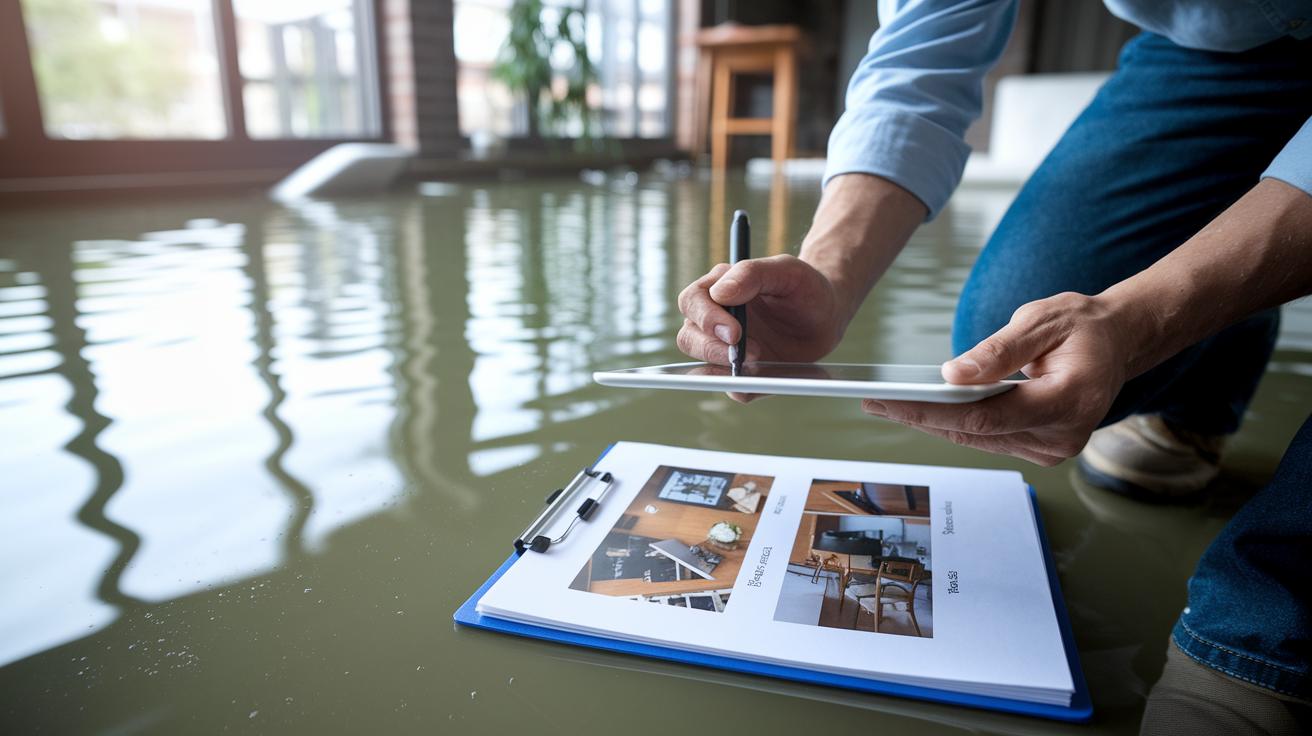
When dealing with commercial damage, clear records make all the difference. Taking detailed photos, videos, and written notes shows exactly what was damaged, whether it is water leaks, smoke effects, or structural issues. These records help speed up your claim and keep disagreements at bay.
Following organized documentation steps protects you during claim reviews. By using proven methods to gather and record evidence, you capture every detail from the initial damage to the repair work for insurance adjusters.
- Take high-resolution photos and videos of every affected area, including building parts and equipment.
- Write down detailed notes about the damage, including dates, times, and what caused the loss.
- Use moisture meters (tools that measure humidity) and thermal imaging cameras (devices that show heat levels) to create moisture maps and drying reports.
- Keep receipts and invoices for any emergency board-up services and repair work.
Keeping your records organized is your best asset. When everything is in order, you can quickly show proof when needed, which speeds up the review process and makes the claim experience smoother.
Damage Assessment Techniques for Commercial Restoration Claims
We start with a quick on-site check to stop further damage and plan the right repairs. Licensed professionals arrive fast to inspect both the building and its systems. They use clear, proven methods and thorough structural inspection techniques. In less than 24 hours, we produce a detailed report that tells you what damage is new and what was already there, setting the stage for a clear repair plan.
Emergency On-Site Assessment
At the first site visit, our team checks for any safety hazards. They walk through the area, checking roofs, support structures, and HVAC systems (heating, ventilation, and air conditioning) using simple checklists. This initial look helps identify areas hit by water, fire, or storms. By quickly noting what is visibly wrong, we can speed up urgent repair decisions and keep everyone safe.
Forensic Examination Protocols
Sometimes the damage isn’t obvious. In those cases, we use special tools like moisture meters (devices that measure humidity), borescopes (flexible cameras for tight spaces), and thermal cameras (devices that show heat differences). These tools help us find hidden water intrusion, minor fire damage, or mold growth. Our comprehensive report then explains which issues are covered and which are due to earlier conditions, ensuring the repair plan meets insurance standards and restores your property effectively.
Adjuster Responsibilities in the Commercial Restoration Insurance Claims Process

Insurance adjusters review every piece of damage documentation, such as photos, moisture maps (tools that measure humidity), and detailed reports to ensure that the evidence supports the repair estimates. They visit the property to confirm that the recorded damage matches what is actually seen.
They work closely with restoration contractors to ensure that repair estimates follow policy terms and cover everything from water extraction to fixing structural issues. For example, an adjuster might check that moisture readings from thermal cameras match the initial estimates, making sure every repair is noted.
Clear and direct communication between adjusters and restoration teams speeds up the claims process. They share regular updates to avoid mix-ups, reduce the risk of underpayments, and move approvals forward. Experienced adjusters work hand-in-hand with contractors to sort out any differences found during on-site inspections. This teamwork keeps the process transparent and ensures that repairs meet insurance standards, protecting your claim value and reducing delays in restoring your property.
Estimating Repair Costs and Mitigation Steps in Claims
After we assess the damage, we work on detailed repair estimates within 1 to 5 days. Our team lists every expense, including materials, labor, and subcontractor fees so you see exactly where the costs come from. We also note Emergency Mitigation Service (EMS) fees along with any extra costs for hidden damage. These estimates guide the claim process and help ensure the repair work sticks to the approved plan.
| Phase | Duration | Key Action |
|---|---|---|
| Phase 1 | 24 hrs | Emergency mitigation authorizations |
| Phase 2 | 1–5 days | Developing the repair scope estimate |
| Phase 3 | Ongoing | Submitting change orders and supplements |
If we discover new or hidden damage during rebuilding, we update the plan with change orders. Supplements are submitted separately so you understand any extra repair costs. This clear breakdown and proactive tracking help avoid missed expenses and ensure the repair work meets insurance requirements while restoring your home completely.
Settlement Negotiation Tactics in Commercial Restoration Insurance Claims

When you handle a claim, having clear tactics makes all the difference. The right methods smooth out repairs and help secure fair payments while reducing disputes with insurers.
- Create a detailed, line-by-line list of every repair and mitigation cost. This clear breakdown shows why each expense is needed.
- Use supplements and change orders as soon as new damage is found during repairs. This keeps your claim accurate and current.
- Use direct billing to speed up payments and cut down on your own expenses. This also helps avoid delays that can hurt your cash flow.
- Write down every communication, whether it is an email or text message. Keeping a written record protects you if disagreements arise.
- Be transparent by sharing all evidence and documents with the insurer. This openness builds trust and helps resolve issues.
If you face complex valuation issues or ongoing disputes, consider hiring a certified adjuster or public adjuster. Their experience can guide you through tough negotiations and ensure every repair cost is properly represented.
Legal and Compliance Considerations in Commercial Restoration Insurance Claims
Meeting insurance-approved pricing standards and local building codes is essential. When claims follow these rules, your paperwork passes audits without delays. Work authorizations act as binding contracts that list the repair work. If any changes arise, you must use addenda or supplemental agreements to keep everything correct. This careful method protects you from disputes and helps ensure your restoration work meets all required standards.
Pre-loss planning is also important for a smooth restoration claims process. Keeping clear asset inventories and maintenance logs that follow building codes makes post-loss audits easier. Well-organized records simplify repair approvals and speed up paperwork reviews. With these steps in place, you can meet regulatory requirements faster and avoid delays in claim processing.
Final Words
In the action, we broke down the essential steps from emergency mitigation to the rebuilding phase. Each section emphasized the need for clear documentation, honest communication, and precise damage assessment.
We also detailed the role of adjusters, cost estimation tactics, and settlement negotiation strategies. This thorough guide helps clarify the commercial restoration insurance claims process and shows that with the right plan, a safe, swift, and positive resolution is achievable.
FAQ
Q: What are the four stages of the insurance claim process?
A: The four stages involve emergency mitigation, estimating repair scope, submitting the claim with required documentation, and completing the rebuilding work to restore the structure.
Q: How do restoration companies work with insurance?
A: Restoration companies work with insurers by providing detailed damage assessments, written estimates, and organized documentation to help adjusters verify repair costs and streamline the claim approval.
Q: What is the 80% rule in insurance?
A: The 80% rule means that insurers may initially pay 80% of the estimated repair costs, with the remaining portion submitted later as supplements if additional damage is discovered.
Q: What’s the biggest mistake people often make when dealing with an insurance claim?
A: The biggest mistake is not documenting all damage or keeping organized records. Homeowners should take high-resolution photos, detailed notes, and receipts to support and speed up their claim review.