
Is your water damage claim stuck while water keeps seeping in? When every minute matters, quick action can help stop more damage and avoid extra repair costs. This guide explains how to stop the leak, take clear photos or videos, and work with your insurance company for a fast response. Follow the step-by-step process to file your claim and get your home back to normal, so you can recover without added hassle.
Insurance Claims for Water Damage: Step-by-Step Filing Process
Water damage can be very stressful. Act fast by first finding the leak and shutting off the main water valve or any affected appliance valves. For more detailed steps, check out "how to file a water damage insurance claim" at WaterDamageProHelp.
Follow these steps:
- Find the leak and stop the water immediately.
- Contact your insurance company right away. Quick reporting is important because mold can start growing in just 24 to 48 hours.
- Document the situation. Take time-stamped photos and videos and keep receipts for any emergency repairs or supplies. For example, record a note like "Photo 1: Water seepage at 10:15 AM."
- Hire professional cleanup services to extract the water, dry the area thoroughly, and clean any mold if needed.
- Arrange for an adjuster to visit as soon as possible. They will assess the damage and create a detailed cost estimate.
- Review your insurance policy to understand your coverage. Know the difference between Actual Cash Value (ACV, which is the current value of your belongings) and replacement cost settlements (the cost to buy new items without considering depreciation).
- Get at least two bids from contractors. Use these estimates to negotiate if the adjuster’s offer seems too low. Consider legal advice if there are any disputes or concerns about your policy.
This clear plan will help you manage your water damage claim and protect your home from further issues.
Coverage Details in Insurance Claims for Water Damage
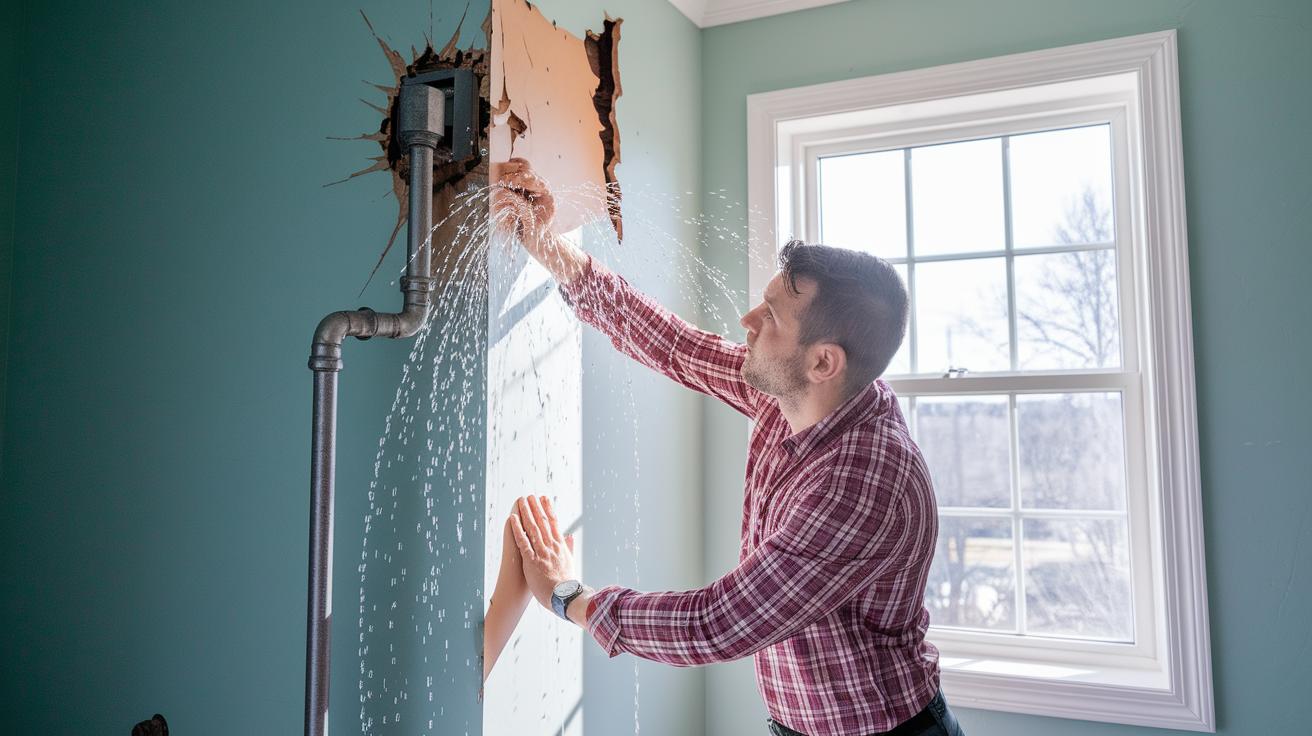
Homeowners insurance typically covers sudden water damage, like a burst pipe or an equipment failure. These sudden events can cause major harm to your home. Slow or gradual problems, such as a leak that leads to mold or wet rot, are usually not covered because they fall under regular maintenance issues. Damage from poor construction or shoddy repairs is also not included in a standard policy.
Sometimes, extra coverage is needed for certain types of water damage. For example, if your sump pump fails or you experience water backup, you might need a special add-on to your policy. Flood damage is not covered at all by a typical homeowners policy and requires separate flood insurance. Additionally, if your home is empty, many policies limit or even void coverage under vacancy rules.
Be sure to read your policy closely and talk with your insurer to fully understand which water-related claims are protected. Knowing the difference between sudden incidents and gradual issues can help prevent claim denials later, ensuring you have the right endorsements to back you up.
Documentation Strategies for Insurance Claims for Water Damage
If you're a homeowner dealing with water damage, creating a strong evidence package right away can help protect your claim. Take clear photos and short videos that are marked with the time they were taken. For example, note "Photo 1: Water damage in the living room at 10:15 AM" immediately after the incident.
Keep a simple daily log that shows how the damage changes over time. Write down details such as how the water spread, when it slowed, and the steps you took to address the damage. Make sure to record each conversation and email with your adjuster and any restoration professionals.
Staying organized is key. Use a checklist to ensure nothing is missed. Here is a basic list of what you should gather:
| Required Documentation |
|---|
| Time-stamped photos and videos of the damage |
| A dated log of how the damage progressed |
| Receipts for cleanup, repair, and mitigation materials |
| Written contractor estimates and inspection reports |
| Samples of damaged materials (if requested by your insurer) |
| Records of all communications related to your claim |
Collecting this clear and consistent evidence not only supports your claim but also makes it easier to contest any disputes. With detailed documentation, you are better prepared to handle discussions about repair costs with your adjuster. Stay organized and keep your records up to date, and you'll have the best chance of steering your claim in the right direction.
Working with Adjusters and Contractors for Insurance Claims for Water Damage

Water damage is stressful and requires quick action. When it happens, an adjuster will visit your home to inspect the damage. They will measure affected areas and prepare a detailed list of repair costs for items like drywall, paint, and insulation. Scheduling an adjuster's visit within a few days can help prevent more damage.
It's also important to understand key terms. ACV means Actual Cash Value, which is the current worth of your belongings. Replacement cost is how much it would take to buy new items. Knowing these can help you negotiate a fair claim if you receive a low offer.
Always work with licensed contractors. Get written estimates from at least two professionals. Write down what each estimate covers and compare them to build a strong case for your claim.
If you feel you need extra support, consider hiring an independent or public adjuster. They provide valuable guidance and negotiation tips. For example, they might suggest, "Review every item and compare similar repair estimates" to improve your claim.
Steps to follow:
- Schedule your adjuster's visit as soon as possible.
- Get at least two written estimates from licensed contractors.
- Compare the estimates to support your claim.
- Consider bringing in an independent adjuster if you need more negotiation support.
For more guidance, check out these tips for coordinating disaster insurance claims.
Common Pitfalls in Insurance Claims for Water Damage and How to Avoid Them
Insurance claims can be denied when damage builds slowly over time. If a leak goes unnoticed or a sump pump fails, these issues become maintenance problems rather than sudden accidents. This means your claim for water seepage or mold might be rejected if regular inspections and repairs are skipped.
Reporting your issue promptly is key. Let your insurer know about the damage within 24 to 48 hours. Waiting too long can lead to extra problems like mold, which weakens your claim. Acting quickly by documenting the damage helps limit further loss.
A lack of clear documentation can hurt your case. Missing photos, videos, or records of repair work may weaken your claim. It is important to capture clear, time-stamped photos of the affected areas and keep a log of all conversations and receipts from repair work. This detailed record supports your claim when disputing any issues.
Poor repairs or faulty construction can also lead to denials. Insurers usually expect proof of proper maintenance. In vacant properties, exclusion clauses can further limit coverage.
Follow these steps:
- Inspect and document damage immediately.
- Report the incident within 24 to 48 hours.
- Keep detailed records, including time-stamped photos and receipts.
- Regularly review maintenance to catch problems early.
If your claim is denied, gather solid evidence and consider filing an appeal. For more tips on disputing denials, check out the denied insurance claims help page.
Timelines and What to Expect in Insurance Claims for Water Damage
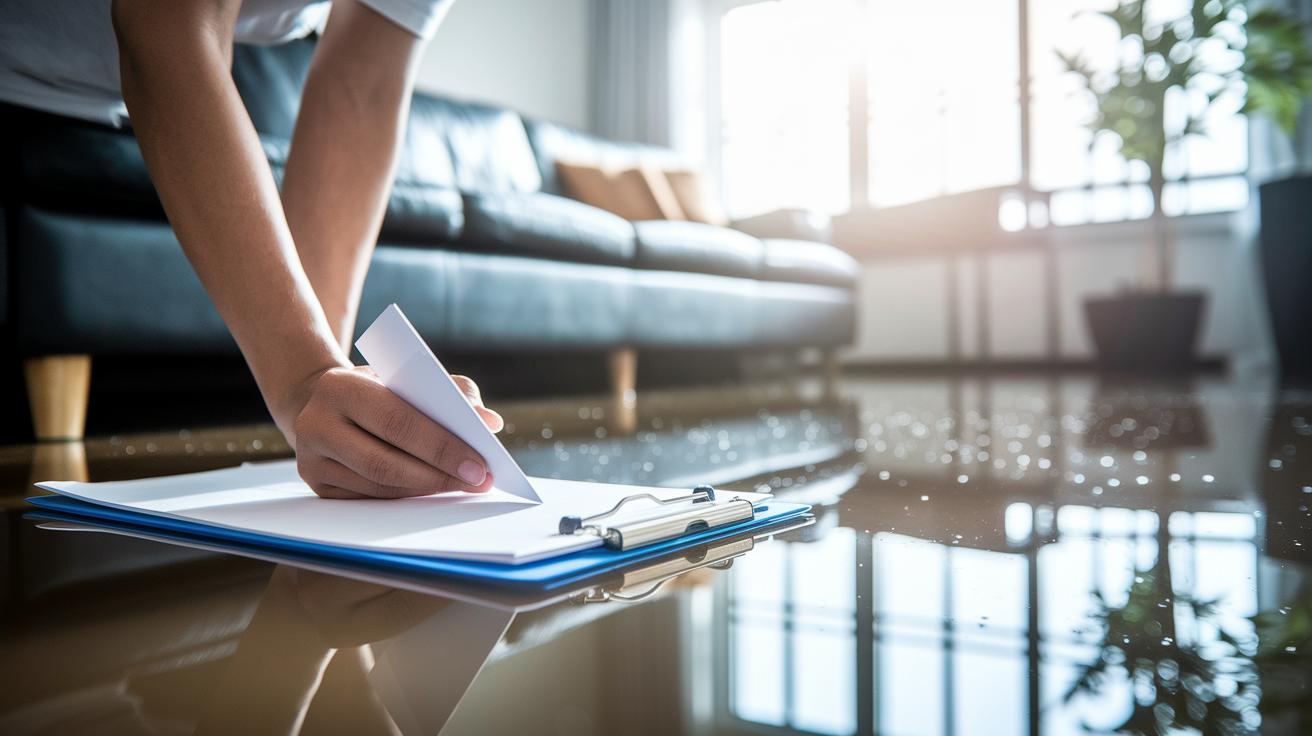
Many homeowners face water damage and may need to file a claim. About one in 60 insured homes reports water-related issues each year. When you report a loss, your insurer will usually answer emergency calls within 24 to 72 hours. An adjuster plans to visit within 7 to 14 days to document the damage and figure out the repairs needed.
Each claim is unique. For more details on claim timings, check out how long do insurance claims take.
After the inspection, make sure you send in all your paperwork within 30 days or as your policy states. Smaller claims can be resolved in just a few weeks, while bigger claims might take several months. Stay in touch with your insurer by sending reminders and updated documents.
Follow these steps after an incident:
- Report the incident as soon as possible.
- Provide clear, time-stamped photos and receipts.
- Keep detailed records of all conversations and updates.
Regular follow-ups will help ensure your claim moves steadily toward a fair settlement.
Expert Insights and Support Resources for Insurance Claims for Water Damage
Homeowners can get ahead by preparing a plan before water damage happens and reporting any damage right away. Quick reporting helps stop extra loss and makes the claim process smoother. One adjuster said, "When we see clear photos and fast reports, the claim moves along quicker."
Hiring a public adjuster may help you recover up to 20% more. They give you expert advice and stronger negotiation skills. Many homeowners also find comfort in community forums where real stories, case studies, and sample claim letters make the process easier to understand.
Digital tools add another layer of help. Mobile apps let you snap photos with time stamps to record damage fast. Some tools even estimate repair costs so that every expense is noted correctly.
Key resources to consider:
- Online consumer websites offering sample claim letters.
- Forums where homeowners share real experiences and tips.
- Mobile apps that let you log photos and track cleanup expenses.
Using these expert tips and support tools helps you manage water damage insurance claims with confidence and ease.
Final Words
in the action, we explored how to file insurance claims for water damage step by step. We covered stopping the damage early, taking time-stamped photos, and gathering contractor bids for secure estimates.
We walked through working with adjusters and avoiding common pitfalls so you can get ahead of extra costs and delays. The post also set realistic timelines and shared expert support to guide you through each stage.
Stay confident knowing you have a clear plan to restore your home quickly and safely.
FAQ
What are water damage insurance claim tips?
The water damage insurance claim tips suggest acting fast to stop the water, documenting all damage with photos and receipts, and gathering contractor estimates to support your claim.
What is the average insurance payout for water damage?
The average insurance payout for water damage depends on the claim size and policy details; smaller claims settle quickly while larger losses may need detailed documentation and negotiation.
Should I file a home insurance claim for water damage?
Filing a home insurance claim for water damage is recommended when the damage is sudden and accidental, such as from a burst pipe, provided you have thorough documentation to support your case.
What insights from Reddit help with water damage claims?
The insights shared on Reddit for water damage claims emphasize prompt reporting, detailed documentation, and obtaining multiple contractor bids to negotiate a better settlement.
Does homeowners insurance cover water damage from rain?
Homeowners insurance may cover water damage from rain if it results from a sudden incident like a burst pipe, but it typically does not cover gradual seepage or flood-related issues without separate flood insurance.
How does insurance work with water damage?
Insurance for water damage works by covering sudden, accidental losses; you must notify your insurer quickly, document the damage with photos and receipts, and work with adjusters to determine repair costs.
How can I get the most out of my water damage claim?
Getting the most out of your water damage claim involves prompt reporting, comprehensive documentation with photos and receipts, collecting contractor estimates, and using these to negotiate a fair settlement.
What types of water damage are not covered by insurance?
Water damage not covered by insurance includes gradual leaks, seepage from groundwater, mold from long-term issues, and damage due to poor maintenance or faulty construction.