
Have you ever wondered if fast water extraction can really protect your home? When water gets into your living space, every minute matters.
Quickly removing extra water stops mold from growing and prevents damage to your floors and walls. Our skilled team uses the right tools to pull out the water fast, keeping your home's structure safe and preserving the health of your family. Immediate action stops small leaks from turning into big problems, making the drying process both efficient and effective.
Comprehensive Overview of Water Extraction Methods
Water extraction means removing extra water with equipment like submersible pumps (pumps that work underwater) and industrial vacuums (big, powerful machines that suck up water). It is the first step after water enters your home. For example, if your kitchen floods and the floor is soaked, professionals remove most of the water so it does not seep into walls or under floorboards. This helps maintain your home's strength.
Quick water removal is very important. Mold can start growing within 24 to 48 hours after water exposure. This mold can trigger asthma, allergic reactions, and infections. Removing the water fast lowers the chance of harmful mold and protects building materials from further damage. If water is left too long, even small leaks can become serious hazards. A prompt response helps keep your home safe and healthy.
Water extraction is different from full mitigation. Extraction only focuses on rapidly removing water, while mitigation includes extra steps like disinfecting and cleaning. By pulling out the water quickly, we reduce the moisture that causes problems. This simple, clear step sets the stage for proper repairs and deeper cleaning later on.
Essential Equipment and Technologies for Water Extraction

When water damages your home, experts use a range of tools designed for different surfaces and materials. We start by using submersible pumps to quickly remove large pools of water from the floor. Then, industrial vacuums tackle the leftover moisture in hidden cracks and tight spots. For carpets and upholstery, we use portable dewatering units along with heated water extraction (this means using warm water to help pull moisture and sanitize deep within fabrics). High-pressure extraction systems are used when surfaces need a stronger push to remove water. This varied toolkit ensures every material, from hardwood floors to delicate drapes, gets the right care.
| Equipment | Use Case | Main Benefit |
|---|---|---|
| Submersible Pumps | Large water pools on floors | Quick bulk water removal |
| Industrial Vacuums | Residual moisture in cracks | Effective water extraction |
| Portable Dewatering Units | Carpets and upholstery | Targeted moisture removal |
| Heated Water Extraction | Deep cleaning of fabrics | Enhanced sanitization and odor control |
Our technicians also use moisture meters (devices that measure water levels) and thermal imaging cameras (tools that detect heat differences) to find hidden moisture behind walls, under floors, or in other hard-to-see areas. This step helps us plan and carry out the water removal accurately. By mapping out the moisture in your home, our team can concentrate air movers and refrigerant dehumidifiers (machines that pull water out of the air) on the problem spots. This makes the drying process faster and cuts the risk of mold.
The Water Extraction Process: Step-by-Step Guide
Identifying and Stopping Water Entry
First, find where the water is coming from and stop it as soon as you can. Turn off the main water valve or call for help if needed. Also, unplug any affected electronics and cut the power in the area to keep everyone safe. These quick steps prevent more damage and set the stage for proper cleanup.
Safety Assessment and Hazard Mitigation
Once the water flow has stopped, safety is the top priority. A technician will check for electrical and structural dangers while wearing proper gear like gloves, eye protection, and boots. They make sure all power is off to avoid any risk of shock. This careful check helps stop further injuries and protects your property.
Bulk Water Removal Techniques
After safety is secured, we start removing the water. Using wet vacuums or pumps, we carefully extract the bulk water from floors and surfaces. The process is done with care, especially around fragile materials like fine wood and delicate fabrics, so nothing gets damaged further. This step also targets hidden moisture that could lead to other issues later.
Drying, Rinse, and Transition to Mitigation
Next, we focus on drying the affected area. We use air movers and refrigerant dehumidifiers (machines that control moisture) to dry the space evenly. Once dry, we rinse the surfaces to remove any leftover contaminants. This complete approach helps prevent mold and prepares the area for any necessary repairs.
Selecting Professional Water Extraction Services
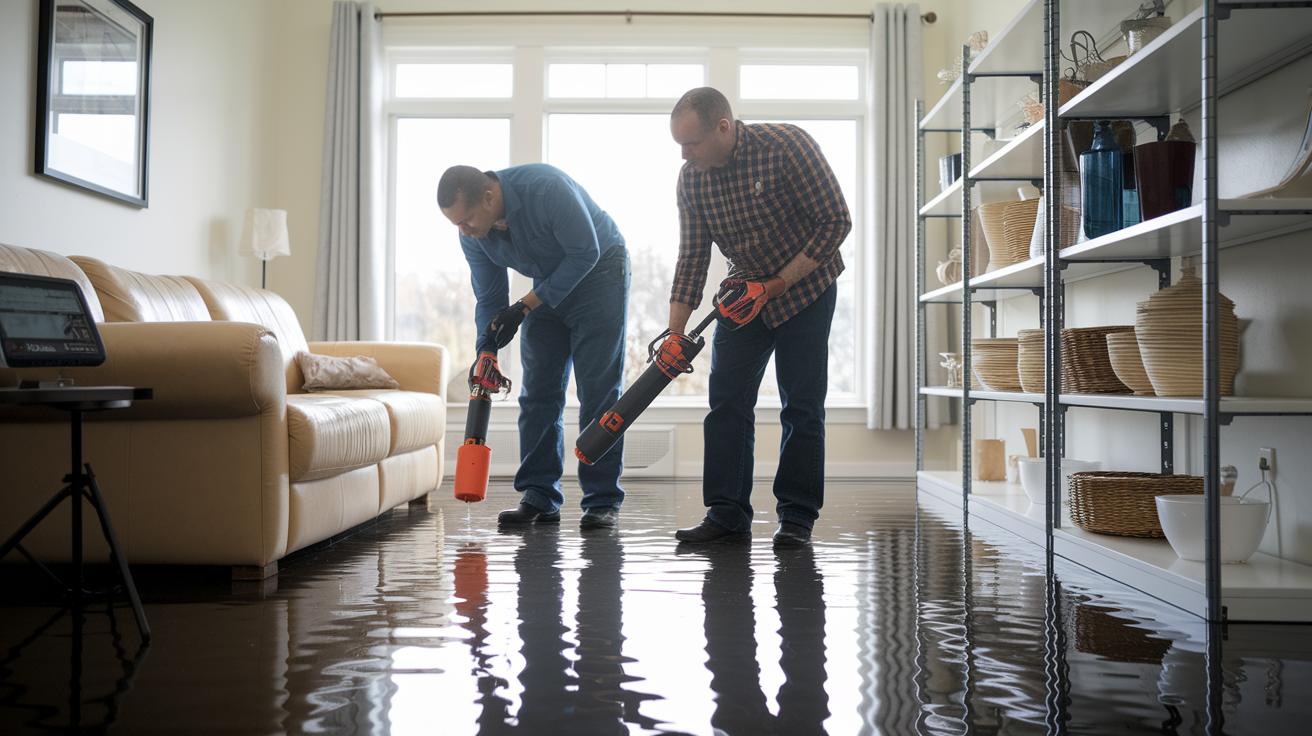
When water damages your home, fast help from certified pros is essential. They are available 24/7 and use reliable tools to remove water quickly. This fast action helps cut down on bad smells and stops germs and mold from growing. Skilled technicians make a real difference, keeping repair time and costs down.
-
Certification & Accreditation
Check that the company meets the required standards and holds proper certificates. -
Emergency Response Time
Quick action is key. The faster they arrive, the sooner they start extraction. -
Equipment & Technology Portfolio
Make sure they use modern tools designed to protect your property from further damage. -
Transparent Pricing & Cost Estimates
Look for clear, upfront pricing so you understand exactly what you’re paying for. -
Customer Reviews & References
Read feedback from past clients to see if they are reliable and efficient.
Choosing a water extraction service with these pointers ensures you get fast, efficient help. Local specialists who offer clear pricing and prompt action can save you time, money, and stress. For more guidance on selecting the right service, visit our disaster recovery restoration page.
Industry Best Practices and Safety Protocols in Water Extraction
Our water extraction process begins with shutting off the power in affected areas. We put on proper protective gear like gloves, boots, and eye protection to keep our team safe. We check for hazards using moisture meters (tools that measure water levels) and thermal imaging (devices that show temperature differences) to spot any hidden risks. We also keep detailed records of our drying progress, noting equipment settings and work logs. For example, one technician might record, "Power off confirmed; moisture reading steady at 3 inches in nearby areas."
We use eco-friendly water extraction methods by employing energy-saving dewatering systems. Our high-efficiency dehumidifiers and climate-controlled drying chambers not only improve indoor conditions but also reduce energy use and speed up drying. We document each tool's performance and drying time to support our sustainable practices. One record might note, "Dehumidifier set to 45% humidity and climate control at 72°F, ensuring efficient drying and reduced energy use."
Frequently Asked Questions about Water Extraction

Should I do DIY water extraction or hire professionals?
DIY methods might seem cheaper, but professional teams have the proper tools and experience to lower extra damage. They remove hidden moisture and help stop mold from forming. We know this situation can be stressful, so getting expert help is a smart move.
How do I test for moisture in subfloor areas?
You can use a moisture meter (a tool that measures water levels) to check below the floor. This reading shows if you need extra extraction or drying to avoid mold and structural issues.
What is the best practice for drywall cavity drying?
Drywall cavities can trap water. To dry them properly, use air movers and dehumidifiers. Sometimes you might need to remove part of the drywall to fully dry the area and prevent mold growth.
How do I properly use suction pads on hardwood floors?
Suction pads help remove water from hardwood floors without harming the finish. Make sure the pads cover the surface evenly and move slowly to avoid warping or cracking the wood.
When should I rent portable dewatering units?
Rent portable dewatering units when you have large areas or specific rooms with a lot of water. These units are effective at pulling water from carpets and furniture where standard pumps might not reach.
How can online cost calculators help me plan water extraction?
Online cost calculators give you an estimate based on the volume of water and the level of damage. They help you set a budget for professional work and compare prices.
What are effective water recovery techniques for household water removal?
Effective techniques include using submersible pumps (pumps that work underwater) for larger water pools and industrial vacuums for the remaining moisture. These methods speed up the drying process and lower the risk of mold and future damage.
How does spill remediation strategy vary from flood cleanup technology?
Spill remediation deals with small water accidents by focusing on the affected spot, while flood cleanup handles large-scale water damage with heavy-duty equipment. The tools and steps differ based on how much water is involved.
Final Words
In the action, we explored a range of water extraction methods from manual to chemical and mechanical techniques. We broke down essential equipment, safety precautions, and the step-by-step process that sets the stage for effective restoration. By detailing response times, proper documentation, and the right equipment, this guide shows how swift, accurate water extraction prevents mold and further damage. Every step works together to stabilize your property and pave the way for full restoration. You're taking solid steps toward restoring your home quickly and safely.
FAQ
What is a water extraction machine and how does it work?
The water extraction machine works by using submersible pumps and industrial vacuums to remove standing water quickly, minimizing damage and clearing the way for further drying and restoration efforts.
How much does water extraction typically cost?
The water extraction cost is based on the volume of water and the extent of damage. Typically, expenses range from a few hundred to several thousand dollars, depending on the project’s complexity.
What water extraction tools and methods are used?
The water extraction process employs industrial vacuums, submersible pumps, suction pads, and high-velocity air movers. These tools remove excess water and moisture to stabilize structures effectively and safely.
How does water extraction from a phone work?
Water extraction from a phone involves a careful drying process, often using silica gel packets or professional cleaning services. This cautious approach helps prevent further damage to the device’s internal components.
How long does water extraction take?
The water extraction process can start within hours for bulk water removal; complete drying typically takes 24-48 hours. This timeframe ensures that all moisture is removed, reducing the risk of mold growth.
How do professionals extract water from carpets?
Professional carpet extraction uses portable extractors with wand attachments and suction pads. This method effectively removes both bulk water and hidden moisture, preserving carpet quality and preventing mold.
How can I find a local water extraction company near me?
Finding a local water extraction company involves online searches, reading customer reviews, and checking certifications. Look for services that offer 24/7 emergency response and transparent pricing for peace of mind.
What methods are used for water extraction from air?
Water extraction from air is achieved using dehumidifiers and moisture removal systems that pull water vapor out of the air. This process helps lower humidity levels and supports overall drying in affected areas.