
Have you ever worried your restoration project might cost more than you expect? Think of commercial restoration like putting together a puzzle. Every piece matters, from the work of skilled professionals and quality materials to unexpected fees. In this guide, we explain the main things that shape your project budget. We also share clear examples and common cost ranges to help you plan and make smart choices. Learn how each decision affects your final expense and discover simple ways to keep costs in check.
Fundamental Cost Components of Commercial Restoration
Commercial restoration costs can vary a lot. Knowing the main drivers of these costs helps you plan your project well. A basic cosmetic update might cost around $20 to 50 per square foot. On the other hand, a complete high-end renovation can range from $150 to 200 per square foot. This square-foot rate gives you a quick way to compare different project scales.
Skilled labor is the biggest part of your budget. It can make up 40 to 60% of the total cost. This covers the work done by electricians, plumbers, and HVAC technicians (experts in heating, ventilation, and air conditioning). A small office update might use less of the budget on labor, while a major overhaul will push labor costs higher.
Materials in commercial projects need to last. They often cost more than those for residential projects and are sensitive to market supply changes. Items like specialized flooring or upscale fixtures add up fast. On top of these clear costs, hidden fees like permit charges, inspection fees, or fire and health reviews can add thousands more and sometimes extend the project timeline.
| Cost Component | Percentage of Budget | Typical Range |
|---|---|---|
| Labor | 40-60% | $20-$120 per sq ft |
| Materials | 30-50% | $15-$100 per sq ft |
| Hidden Fees | Varies | $1-$20 per sq ft |
Keeping these cost components in mind helps you make smart decisions about budgeting and managing your project.
Detailed Breakdown: Labor, Materials, and Contractor Fees

Labor costs usually make up about 40% to 60% of the total budget. In cities where there is a shortage of experienced electricians, plumbers, and HVAC technicians (experts in heating, ventilation, and air conditioning), you might see labor costs near 60%. For instance, one project in an eastern metro area reached 55% due to the need for specialized work.
Material expenses typically range between 30% and 50% of the budget. When market trends push prices up, commercial-grade materials can become more expensive. In one coastal project, shipment delays raised material costs by almost 10%, showing the importance of keeping an eye on supply and local price changes.
Contractor fees and permits generally take up about 5% to 10% of your budget. Changes in local regulations and demand can cause these fees to increase. Fixed-price contracts give a set cost but might include extra markups, while time-and-materials contracts are flexible but can sometimes lead to higher expenses. For more details, review our restoration reconstruction services at the end of this section.
| Cost Component | Percentage of Budget | Typical Range |
|---|---|---|
| Labor | 40–60% | $20–$120/sq ft |
| Materials | 30–50% | $15–$100/sq ft |
| Permits & Fees | 5–10% | $1–$20/sq ft |
Local market trends and rules can change these percentages. In some places, updates to local regulations may push contractor fees higher, which can make managing costs a bit more challenging during restoration projects. For full-service provider details, review our restoration reconstruction services at https://waterdamageprohelp.com?p=108
Regional Variations and Industry-Specific Pricing Trends in Commercial Restoration
Regional differences play an important role in setting restoration prices. Local permit and inspection fees change from one municipality to another. In busy city areas, fees tend to be higher because of stricter inspections and higher wages for skilled tradespeople. This means that restoration work in crowded urban areas often costs more than similar projects in rural locations.
Seasonal changes also affect costs. During peak construction times, there can be a 10-15% increase in prices due to labor shortages and supply chain delays. For example, when projects are planned in busy months, labor costs can rise quickly and commercial-grade materials may become more expensive. Adjusting project schedules or planning ahead for key materials can help keep the budget in check.
Different industries face their own special challenges that can drive up costs. Facilities like hospitals, restaurants, and warehouses often need advanced systems or extra permits to meet strict safety and health rules. As a result, restoration expenses in these sectors can range from $100 to $300 per square foot. Knowing these trends helps decision-makers prepare more accurate budgets and plan for higher restoration charges when needed.
Budgeting and Contingency Planning for Commercial Restoration Projects
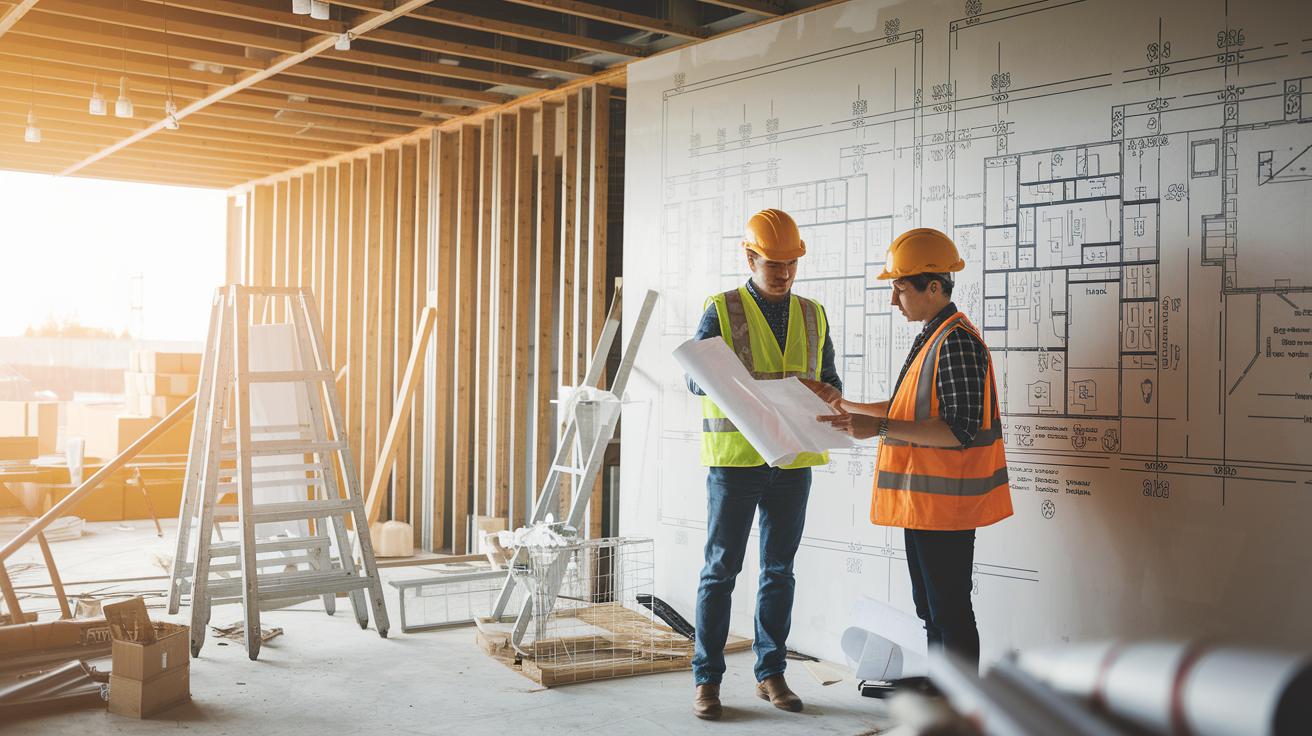
Begin by listing all expenses. Estimate the cost per square foot for labor, materials, and permits. Then add a reserve of 20-30% of the total budget to cover any unexpected issues, such as hidden structural problems or needed code upgrades.
For projects over $100,000, consider breaking the project into phases. This method helps you manage cash flow better and allows the business to keep operating while work continues. Spreading out the work in phases lets you use funds more steadily and avoids a full shutdown.
You can lower costs by rethinking your approach. Consider alternate materials, time your purchases during off-peak periods, or adjust contractor schedules. These changes can lower expenses by 10-20% without sacrificing quality.
Some service providers offer complete packages that include thorough budgeting and built-in contingency plans. These turn-key solutions cover planning, phased work, and cost-saving measures, making it easier to manage risks and adapt expenses as the project moves forward. For more details, visit our commercial restoration services at https://mindtangle.net?p=282
Cost-Estimation Methods and Software Tools for Commercial Restoration
Getting the right cost estimate is key to managing a commercial restoration project. A good method is to get at least three detailed bids from contractors that list material, labor, permits, and fees. You might use a cost-per-square-foot approach adjusted for what your project needs to quickly see pricing, whether it is for simple cosmetic work or larger renovations. This method means using a spreadsheet and on-site reviews to make sure every cost is covered.
Manual Estimation Techniques
Traditional methods use spreadsheets and visits to the site to gather bids. Homeowners and project managers can list costs line by line for materials and specialized labor rates. This approach works well for projects you know well and helps you check each expense on its own. For example, a contractor might write, "We expect labor costs to be 50% of the total budget based on previous work."
Digital Estimation Software
Today, digital tools make cost estimates easier by using current material prices and live market updates. These software programs let you model different scenarios and even include automated extra cost calculations. This means you can compare bids side by side with updated figures and clear records of changes. For the most accurate estimates, consider advice from experienced restoration firms available at https://mindtangle.net?p=110. These digital tools lower the chance of mistakes and help you track different versions of the bids for a well-informed decision.
Case Studies: Real-World Commercial Restoration Cost Examples

| Project Type | Size (sq ft) | Cost/sq ft | Total Cost |
|---|---|---|---|
| Basic Office | 5,000 | $50–100 | $250K–$500K |
| Mid-Level Commercial | 10,000 | $100–175 | $1M–$1.75M |
| Medical Facility Retrofit | 2,000 | $200–300 | $400K–$600K |
A basic office project updates a 5,000 sq ft space using quality but affordable finishes. You pay about $50 to $100 for each square foot. This means the entire project costs between $250,000 and $500,000. In such cases, the work focuses on interior updates like improved lighting, new carpeting, and a fresh coat of paint. No major structural changes are needed.
For a mid-level commercial project covering 10,000 sq ft, design expectations are higher. Here, the cost per square foot rises to around $100 to $175, pushing the project total to roughly $1,000,000 to $1,750,000. This work might include moderate upgrades to mechanical systems and using tougher, higher quality materials to handle daily wear more effectively.
A retrofit for a medical facility in a 2,000 sq ft space calls for advanced features. This work includes installing specialized flooring and enhancing the HVAC system (heating, ventilation, and air conditioning). At about $200 to $300 per square foot, the project totals approximately $400,000 to $600,000. These figures help homeowners and business owners understand the scope of repair costs. For more details or tailored advice, it's best to speak with a commercial restoration professional.
Commercial Restoration Costs and Budgeting
Commercial restoration prices depend on the work required. You can expect costs to range from $50 to $300 per square foot. For a simple office update, it might be around $50 per square foot. But if the project involves specialized changes, like in a healthcare facility, prices can go up to $300 per square foot.
It's wise to set aside an extra 20 to 30% of your total budget. This helps cover surprises like structural issues, rising material costs, or new compliance needs.
We recommend getting at least three detailed contractor quotes. Each quote should break down all costs, such as labor, materials, permits, and fees. For example:
| Cost Type | Cost (per sq ft) |
|---|---|
| Labor | $60 |
| Materials | $30 |
| Permits | $10 |
| Other fees | $5 |
Permit and compliance fees vary by region. Projects in busy cities or specialized areas like healthcare or food service usually have higher fees.
Finally, keep in mind that peak construction seasons can drive labor and material costs up by around 15%. Adjusting your schedule might help you secure a better price.
Final Words
In the action, we broke down cost drivers like labor, materials, and hidden fees. We compared manual methods and digital tools for accurate budgeting. We also reviewed regional factors and real-world case studies to help you set a clear financial plan. Each section paints a picture of how detailed planning can limit extra expenses and smooth the restoration process.
This commercial restoration cost guide offers insights to help move forward with confidence and get your property safely back to pre-loss condition.
FAQ
What do commercial renovation cost calculators help me determine?
Commercial renovation cost calculators help estimate expenses by breaking down labor, materials, and permit fees on a per-square-foot basis. They offer a quick, data-driven comparison for different project scopes.
What do industry guides like the JLL and Cushman and Wakefield fit-out cost guides offer?
These guides provide pricing benchmarks and market insights for office renovations. They help users understand typical cost ranges, aiding in more accurate budgeting for various commercial projects.
What is the 30% rule for renovations?
The 30% rule suggests setting aside 30% of your total renovation budget for design upgrades, contingency funds, or unexpected expenses. It acts as a safeguard for overall project planning.
How can I price a commercial remodel?
To price a commercial remodel, gather at least three detailed contractor bids that break out labor, materials, and fees. This approach ensures you account for both visible and hidden project costs.
How much remodeling can be done with $100,000?
With $100,000, you may cover a basic or mid-level renovation if priced between $50 and $150 per square foot. The actual scope depends on labor rates, material choices, and any additional fees.
How much does a commercial renovation cost?
Commercial renovations typically cost between $20 and $300 per square foot. The final price depends on the project’s complexity, the choice of materials, labor complexity, and additional hidden fees like permits and inspections.