
Have you ever tried using a vacuum or towels to mop up water after a leak? It may seem like a quick fix, but often this DIY method leaves behind hidden moisture. That leftover water can lead to mold growth and even create electrical hazards. While household tools are useful, they might not remove all the water, leaving your family at risk. In this post, we'll explain why common home tools might not be enough and suggest safer ways to handle water damage.
DIY water extraction risks: Stay Safe & Smart
DIY water extraction often means using items you have at home like towels or a wet/dry vacuum to soak up water from carpets, walls, or floors. These makeshift tools seem handy, but they only take off water on the surface. For example, a wet/dry vacuum picks up water you can see, leaving water trapped in carpet fibers or underneath the padding. They cannot reach water hidden in cracks, behind baseboards, or inside insulation.
Incomplete water removal can cause serious problems. Water that sits hidden can encourage the growth of dangerous bacteria and mold. Using only towels or a small vacuum makes drying slow, which allows moisture to sit longer on surfaces and can even mix with power sources to create electrical risks. This not only threatens your home but also your family’s safety.
When water is not fully removed, it creates an ideal setting for mold to grow quickly. In just 24 to 48 hours, mold can begin developing, damaging wooden beams, drywall, and insulation. Hidden moisture may also lead to swelling or warping of key building parts. In the end, the risks of further damage and expensive repairs far outweigh any short-term savings from using DIY methods.
Equipment Shortcomings and Safety Hazards in DIY Water Extraction

Household tools like wet/dry vacuums and towels are not built to reach water hidden in cracks, under baseboards, or beneath floors. They often leave behind pockets of water that pose safety risks. For example, working near wet outlets can lead to electrical shock, carrying water-filled buckets can strain your back, and slick floors can cause slips. Using these tools for water removal may also cause them to break or malfunction.
- Electrocution: Hidden water near outlets and appliances can shock you.
- Back injury: Lifting heavy buckets filled with water can strain your muscles and spine.
- Slips: Wet floors hide hazards that can cause falls.
- Tool malfunctions: Household equipment often fails when used outside its intended purpose.
- Contamination: Pockets of trapped water can harbor bacteria and harmful substances.
Industrial pumps and vacuums remove water quickly and efficiently from hard-to-reach spots. They lower the risk of shocks, back injuries, slips, and equipment failures, providing a safer and more reliable solution than makeshift household methods.
Hidden Structural Risks of DIY Water Extraction
DIY water extraction can clear the water you see on the surface, but it might leave moisture trapped in wooden beams, drywall (gypsum board used in construction), and insulation. Trapped water can cause materials to swell or warp. For instance, a technician might point out that a slight bow in a beam shows that water had soaked in long ago and weakened the structure.
Over time, leftover moisture can lead to bigger problems. It may cause uneven settling, rotted wood, or other damage that costs a lot to fix. A soft wooden beam or floor that shifts over days or weeks is a clear sign that hidden issues are building up and should be checked by a professional.
Health Hazards from DIY Water Extraction
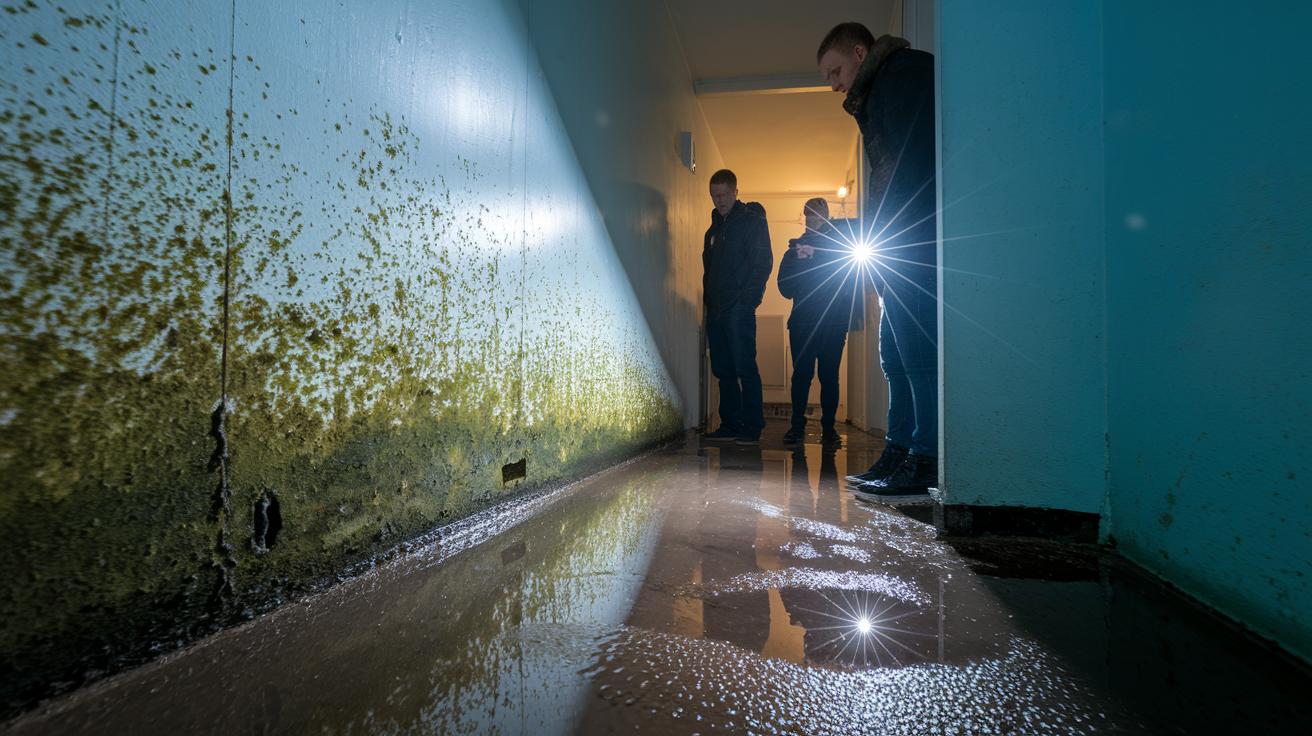
Mold can start growing very fast in damp areas. Within 24 to 48 hours, any water extraction you perform at home that leaves behind moisture creates an ideal setting for mold. This mold might not show up right away, but it can cause breathing problems and allergies. If left unchecked, hidden mold can lead to longer-term issues.
Bacteria also take hold in moist, unseen spots. These germs can cause skin irritation, make breathing difficult, and lead to other health problems. When water is not completely removed and there is no proper cleaning or air testing, these risks remain. You may notice symptoms like coughing, skin rashes, or sinus pain before the real trouble starts.
- Trouble breathing from inhaling mold spores and bacteria
- Skin rashes from contact with contaminated areas
- Allergic reactions that worsen over time
- Sinus pain caused by poor indoor air quality
- Aggravation of conditions like asthma or bronchitis
Because of these risks, relying on DIY methods could put your family in danger over the long haul. Professional water extraction teams use industrial-grade equipment to remove water more thoroughly. They also apply antimicrobial treatments (chemicals that kill germs) and test air quality. These critical steps help stop mold and bacteria from growing, keeping your home safe and healthy.
Electrical and Fire Dangers of DIY Water Extraction
Using common household methods to remove water can be very risky. Water left near electronics and appliances can cause short circuits that may start a fire if the devices are not fully dried. If water settles near outlets or live wiring, the chance of getting an electric shock goes up. Simple methods like using a vacuum or towels do not remove all moisture, which leaves dangerous wet spots behind. This slow drying process lets water seep further into circuits and wiring, increasing the risks.
- Short circuits: Wet electronics may spark and start fires if water creates a path for electricity.
- Electrocution: Wet, exposed wiring can lead to a dangerous electric shock.
- Fire hazards: Not all water is removed, which can cause overheating of electrical parts.
- Prolonged moisture risks: Slow drying methods can damage wiring over time and make the situation worse.
Before you try to remove water near electrical devices, turn off the main power supply to avoid shocks. It is best to let professionals handle water extraction in these areas because they use the right tools and follow safety practices to manage wet outlets and wiring properly.
When to Call Pros: Limits of DIY Water Extraction

The first 48 hours matter most. Even a small overlooked spot can let mold or rot begin in as little as 24 to 48 hours. Household tools rarely reach every hidden area, leaving moisture behind.
Skilled professionals use heavy-duty pumps, fans, and dehumidifiers to dry areas that are hard to reach. This rapid action helps lower the risk of further water damage that DIY methods might miss.
Experts carefully document every step while working with your insurer. This clear record supports your claim and helps prevent any future issues.
Safety Precautions and Best Practices for DIY Water Extraction
When you handle water extraction on your own, safety comes first. Acting quickly, preferably within 24 hours, helps prevent extra moisture buildup and stops mold from setting in.
- Turn off the power to avoid shock when working near water.
- Use GFCI outlets (these outlets help prevent electrical shock) to lessen electrocution risks.
- Check moisture levels with a reliable tool to see how well things are drying.
- Wear protective gear like gloves and boots to keep your skin safe.
- Open windows or use fans to let fresh air circulate and help surfaces dry.
- Take photos and make notes of the damage for your records.
Following these steps keeps you safe and helps manage the water damage quickly and efficiently.
Final Words
In the action, this article breaks down significant challenges of tackling water damage on your own. It walks through equipment shortcomings, hidden structural issues, health hazards, and fire risks. We showed how incomplete water removal leads to unwanted mold growth and ongoing property issues. The focus on diy water extraction risks reminds you that DIY methods can add to costs and health concerns. A professional team makes a big difference. Stay safe, act swiftly, and keep your home protected.
FAQ
Can you repair water damage yourself?
Repairing water damage yourself is possible for very minor issues, yet hidden structural damage and health risks make it unwise. Professional help ensures proper drying, mold prevention, and lasting repairs.
What are the hazards of using water?
The hazards of using water in cleanup include electrocution from wet outlets, slips, mold and bacteria growth, and structural decay if moisture is not fully removed. These risks can worsen damage and health outcomes.
How does water extraction affect the environment?
The impact of water extraction on the environment is minimal when using proper, industrial equipment. DIY techniques can cause inefficient water use and potential runoff issues, leading to broader ecological concerns.
How much water is needed to cause water damage?
The amount of water required to cause damage can be surprisingly low. Even a few inches can leave submerged materials damp, promoting mold growth, decay, and the need for costly repairs.