
Ever wonder how fast water extraction can protect your home? Standing water can weaken walls and speed up mold growth, quickly turning a flood into a major issue. Two methods, pump-assisted extraction (using a pump to remove water) and vacuum extraction (using a vacuum to pull water out), work quickly to lower long-term damage. In this post we explain how these tools remove water in minutes and why it is important to act right away. By moving fast, you can keep your home's structure strong and stop mold before it begins, giving you peace of mind.
Essential Emergency Water Extraction Techniques for Immediate Response
Standing water poses serious hazards that can quickly turn a flood into a structural problem. When water sits, it weakens walls and wood, which may eventually fail. Mold can start growing within 24 to 48 hours if moisture is not removed fast.
Every minute counts. Fast action stops water from spreading and prevents extra damage. Emergency responders use heavy-duty extraction tools and portable vacuums to pull out the water and lower moisture levels.
- Turn off the water source by the meter.
- Remove furniture, rugs, and any valuables from the area.
- Start extracting visible water using weighted tools.
- Use a portable vacuum with a wand attachment on carpets.
- Lift carpets when you can to check for hidden water.
- Look over structural elements to spot any damage.
Acting quickly within the 24 to 48 hour window is key to stopping mold and further weakening of building materials. Fast extraction and drying greatly lower the chance of additional damage. Using the right methods keeps your home safe and helps you return to normal life sooner.
Pump-Assisted and Vacuum Extraction Systems in Emergency Water Extraction Techniques
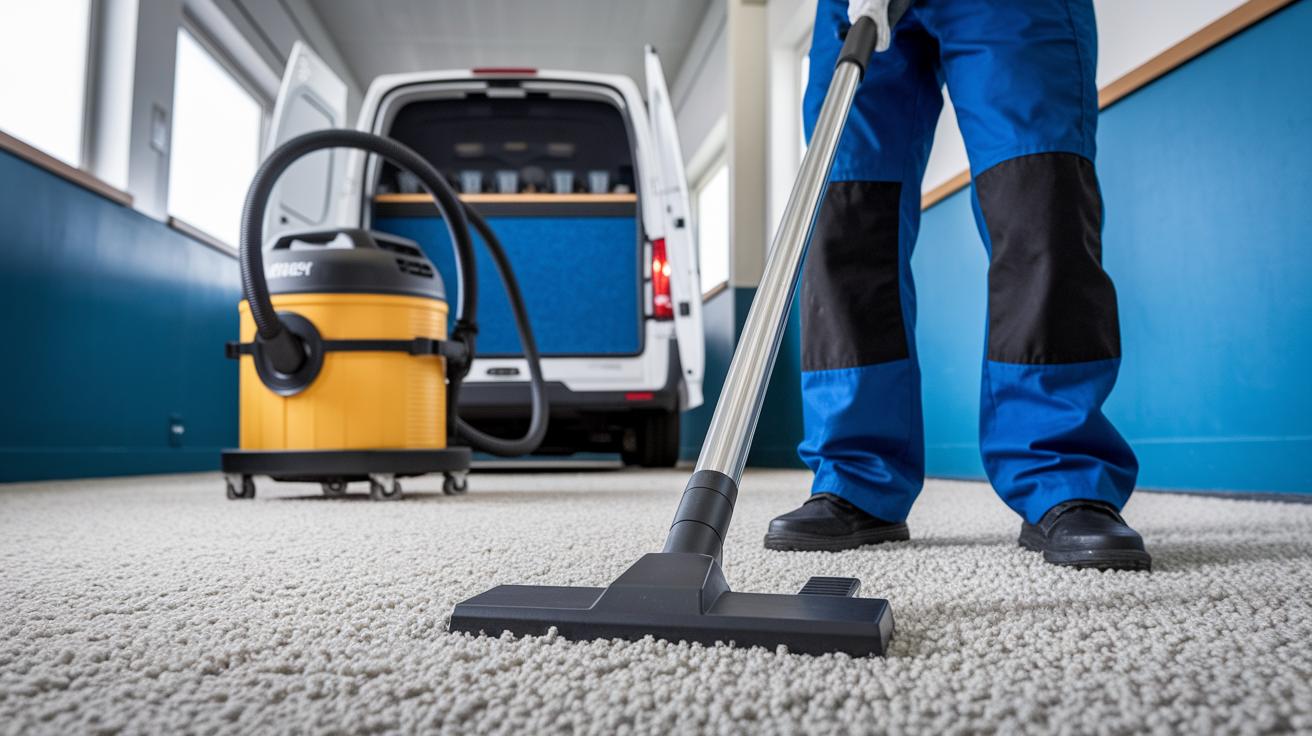
Our trained technicians choose the right tools based on the water damage and the type of surface affected. They use weighted extraction tools for quickly removing water from thick carpets and rugs while opting for portable vacuum units with wand attachments for smoother surfaces. This approach helps lower moisture levels fast and reduces the chance of further damage.
Vacuum units with wand attachments work well in tight corners and on high-pile fabrics. The wand lets our team guide the extraction process so that water is removed evenly from every area. This careful control protects delicate surfaces and makes the drying process more effective after water removal.
After we remove the bulk of the water, our team often performs a deep-clean rinse to clear out any remaining contaminants. This extra step is especially important for carpets and upholstery because it helps remove residues that could lead to mold. The rinse saturates the fabric and then extracts the water thoroughly, making the material ready for further drying and inspection.
For hard surfaces like hardwood floors, we use suction pads to extract water at a slow and steady pace. By applying consistent suction along seams and joints, this method prevents cracks and water-related damage. The choice of equipment depends on the extent of the damage and the specific surface that needs treatment.
Portable Extraction Tools and Surface-Specific Methods in Emergency Water Extraction Techniques
When water damages your property, our team brings in portable tools made for each surface to pull out moisture quickly and keep extra harm to a minimum. We use special equipment that lifts carpets, protects upholstery fabrics, and checks under surfaces for hidden water. These steps get every area ready for a deeper clean and proper drying. Our water extraction experts are available to explain the process in more detail.
Carpet and Rug Extraction
Our team uses weighted wands with attachments to gently lift carpets and reach water trapped underneath. Lifting the carpet lets us check the subfloor for any hidden pools of water that need quick action.
Upholstery Water Removal
For soft furnishings, we attach smaller wands that work carefully on your fabric. Our gentle extraction uses settings that protect delicate textures, and we often follow up with a light rinse to clear away any remaining contaminants.
Wall Cavity Drying Methods
For walls, we use controlled demolition and cavity drying systems. We send warm, dry air into the wall cavities to evaporate hidden moisture. This approach stops water from settling unseen behind the walls and lowers the chance of mold developing.
Hardwood Floor Suction Techniques
On hardwood floors, we use suction pads along the seams to slowly draw out water. This careful, gradual method helps prevent cracks and maintains the wood's strength. We work along every joint to make sure no water is left behind that could later cause damage.
Structural Drying and Advanced Dehumidification in Emergency Water Extraction Techniques
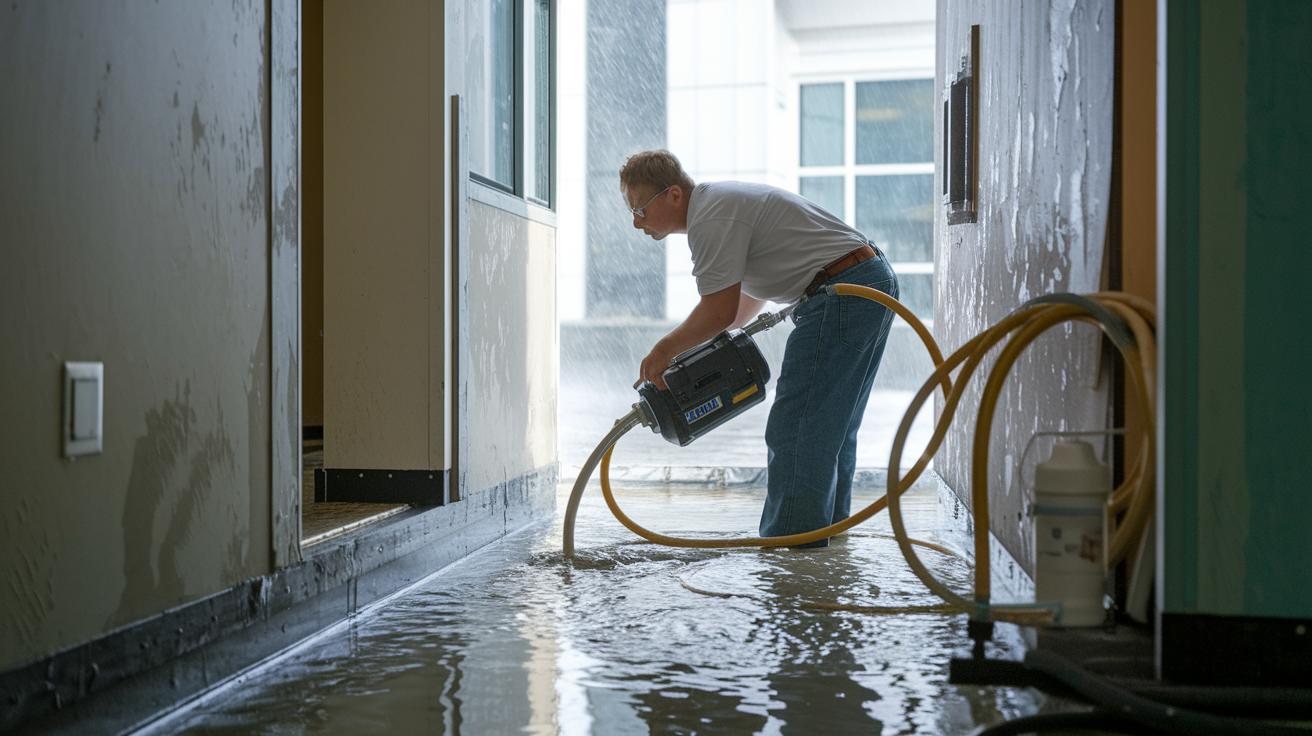
Once we remove most of the water, we immediately start the drying process. We extract the bulk water first, then target hidden moisture behind walls. We use special drying systems, including controlled demolition when needed, to pull water out from tight spaces. High-speed air movers work on open surfaces while low-grain refrigerant dehumidifiers (machines that remove water vapor from the air) clean the air, connecting water extraction with moisture control.
This method speeds up the restoration and helps stop issues like mold growth. We select the right equipment based on how bad the damage is and what materials are affected, ensuring every area is treated properly.
| Equipment | Application | Purpose |
|---|---|---|
| High-Velocity Air Mover | Open surfaces and wall cavities | Quick reduction of moisture |
| Low-Grain Refrigerant Dehumidifier | Indoor air and enclosed spaces | Extract remaining moisture in the air |
| Cavity Drying System | Hidden spaces behind walls | Remove trapped water and prevent mold |
Safety and Protocols in Emergency Water Extraction Techniques
Before you enter a water-damaged area, take a close look for any hazards. Check for weak floors, unstable supports, or walls where the drywall is soaked. These checks help spot risks that could cause a collapse or injury. For example, a technician might say, "Before stepping in, I checked every spot to make sure the structure was safe."
Every crew member must wear proper gear like hard hats, gloves, goggles, and waterproof boots. This equipment protects against harmful substances and helps prevent slips in wet areas. We also inspect our gear and tools regularly to make sure everyone stays safe during water extraction work.
It is key to keep our extraction tools in good shape to avoid accidents. Each day, we test our pumps, vacuums, and wands. Following a set safety check for restoration work makes sure each tool performs well even in tough conditions. This routine keeps our operations secure and helps speed up the recovery process.
Optimizing Emergency Water Extraction Techniques: Best Practices
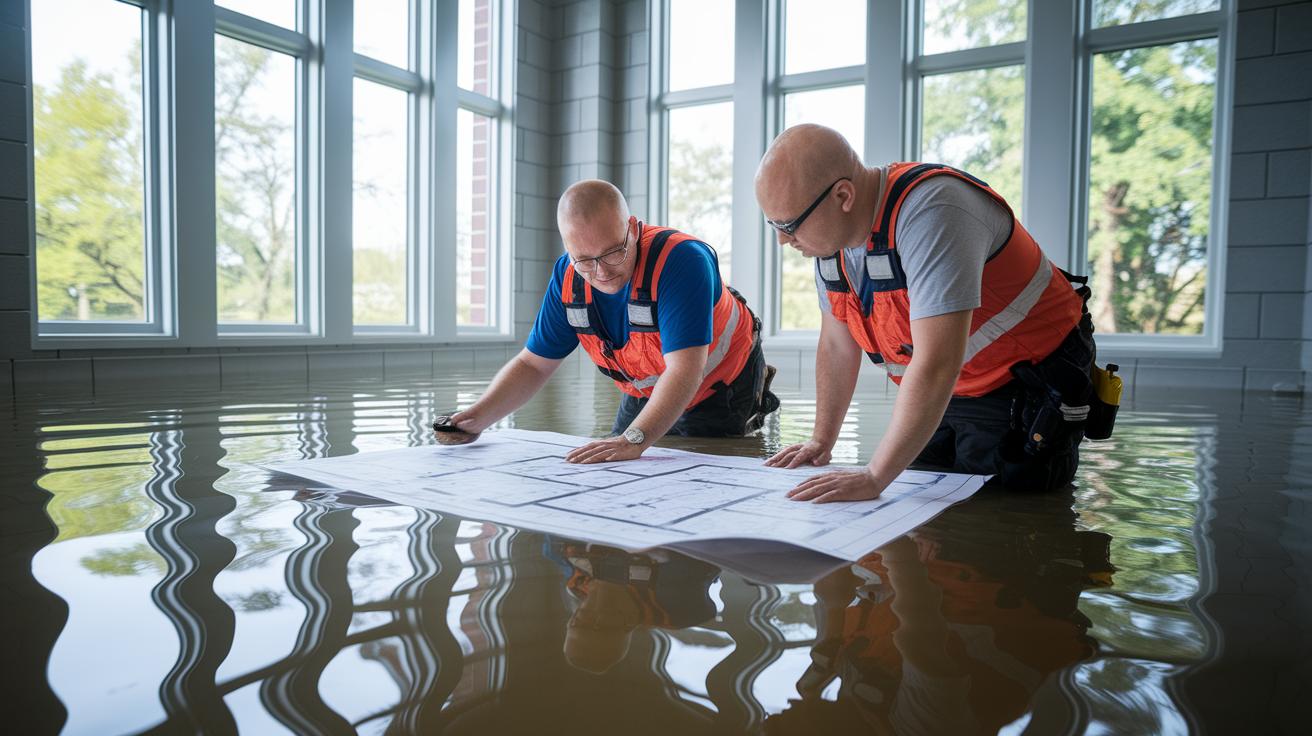
We start every emergency response by quickly assessing the situation. We check the severity and the site conditions to plan our water extraction and drying process. This helps us remove water fast within 24 to 48 hours to reduce damage and mold risks. For example, before arriving onsite, we complete a checklist to ensure we have all the needed tools and a clear extraction plan.
We plan our equipment placement ahead of time so everything is ready to go. We decide exactly where each tool goes, from large extraction machines to portable vacuums and dehumidifiers. This careful setup cuts our preparation time in half, letting us act quickly when you need help.
Our team uses fast and targeted methods to extract water. We work in a clear, step-by-step process that starts with water removal and then brings in high-speed air movers to dry the area. By connecting planning, staging, and extraction, we shorten the overall drying time and help you get back to normal sooner.
Troubleshooting Common Issues in Emergency Water Extraction Techniques
Water hidden behind walls can lead to serious issues. If you notice a change in wall color or a faint musty smell, check the area using a portable moisture meter (a tool that measures dampness). Use a cavity drying system to send warm air into the wall spaces and monitor both the temperature and humidity to ensure the air reaches the hidden water. For example, if a sensor shows the doorway wall is 15% above normal, take action immediately.
Saturated drywall may begin to show soft spots or sagging. Before you decide to remove the wall or keep drying it with dehumidifiers (machines that remove moisture), use a handheld hygrometer (a tool that measures moisture) to check the levels. If the readings are much higher than safe standards, plan to remove the damaged board to avoid future structural problems. For instance, if one area reads 25% while others are near 12%, that board should be replaced for safety.
Hardwood floors need careful water extraction to prevent cracking. Start with a low-suction test on a small area near a threshold. If the wood responds well, extend the process across more of the floor. Work slowly along the seams to remove water without stressing the wood. For example, test a one-foot section and note that water extraction was done at a slow pace while keeping the hardwood surface intact.
Emergency Water Extraction Techniques for Residential vs Commercial Settings
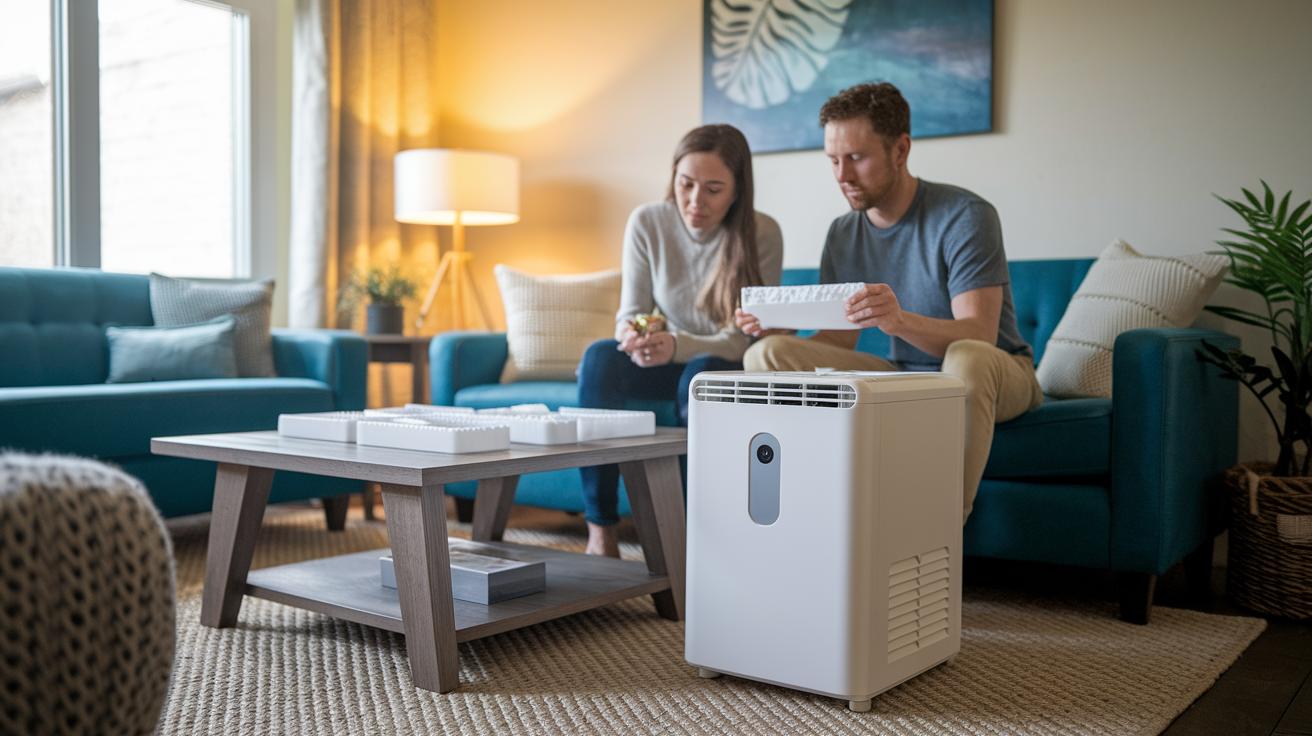
For homes, we use small, portable vacuums and dehumidifiers. Homeowners see fast help with compact equipment that easily fits into tight spaces. This method quickly removes water from carpets, floors, and other areas with little fuss. Each tool is chosen to match the size and needs of your space.
For businesses, water extraction calls for larger machines and a well-coordinated team. Commercial sites may need powerful extraction units and a step-by-step plan where different teams work at the same time. With more area to cover, our approach ensures every part of the building gets attention fast to prevent further damage.
Teamwork works differently in these settings. In a home, one or two technicians handle the job quickly. In a commercial setting, a larger crew follows clear steps to work through the damage efficiently. This organized plan helps us get things back to normal as soon as possible.
Post-Extraction Procedures in Emergency Water Extraction Techniques: Drying, Sanitizing, and Restoration
Once water extraction is complete, we quickly focus on drying the area to lower humidity. When conditions allow, we open windows to bring in fresh air and run fans to push out damp air and draw in dry air. We also use refrigerant dehumidifiers (machines that cool the air to remove moisture) and desiccant dehumidifiers (machines that use drying agents) to clear leftover water vapor. This step helps reduce moisture and stops mold from growing. A technician might say, "We open windows and set up fans immediately to speed up the drying process."
After drying, we carefully clean every surface to remove dirt, bacteria, and mold spores. Hard surfaces, wet carpets, and affected furniture are scrubbed with safe cleaning agents. We also perform deep cleaning, such as rinsing upholstery and wiping walls with antibacterial solutions, to reduce health risks and prepare the area for restoration.
Finally, we inspect the structure for any damage once drying and cleaning are complete. Technicians examine walls, floors, and ceilings for warping, sagging, or cracks. Identifying even small issues early on lets us start repairs quickly and ensures the space is safe for the next steps in restoration.
Final Words
In the action, this post broke down key steps for handling water damage fast and effectively. It showed how emergency water extraction techniques can prevent mold growth and structural damage while outlining both pump-assisted and portable methods. Safety protocols, best practices, and troubleshooting tips for various settings were also covered. Following these guidelines offers a clear path to quicker restoration and less costly repairs. Every step helps get your space back to pre-loss condition. With proper planning and rapid action, you'll see positive results in your recovery.
FAQ
How to purify water during an emergency?
Purifying water during emergencies involves boiling it, using water filters (which physically remove contaminants), or adding purification tablets that neutralize harmful microbes. These methods ensure water is safe to drink when supplies are scarce.
What is the fastest way to remove water?
The fastest way to remove water uses high-powered extraction equipment like portable vacuums and pump systems. Quick extraction reduces the time water remains on surfaces, lowering the risk of mold growth and structural damage.
How to collect water in an emergency?
Collecting water in an emergency means using clean, sanitized containers to gather rainwater or stored emergency supplies. This approach provides a safe water source when regular plumbing or supply routes may be compromised.
How do preppers purify water?
Preppers purify water by boiling, filtering, and using chemical treatments like iodine or chlorine tablets. These methods remove impurities and harmful organisms, making water safe for drinking during critical situations.