
Ever wonder if a simple checklist can keep a busy restoration jobsite safe? This guide offers clear steps that cover everything from prepping the site to checking your tools and spotting hazards. When your team follows these steps, they lower the risk of injuries and keep work running smoothly.
Each item on the checklist meets OSHA safety standards. It helps every team member know exactly what dangers to watch for. A safe work area starts with careful planning and clear, steady actions.
Comprehensive Framework for Restoration Jobsite Safety Checklist
This checklist helps our restoration teams set up a safe work area for every jobsite. It lays out simple steps to spot dangers, control risks, and run daily tasks smoothly. We follow OSHA rules, like proper lockout procedures and reviewing material safety data sheets (MSDS, which tell you about chemical hazards), to keep everyone safe. Using this checklist helps reduce surprises that could cause injuries by making sure every crew member knows what dangers to look out for.
- Site preparation
- Personal protective equipment (PPE)
- Tool and equipment inspection
- Hazard controls for chemicals, electricity, and fire
- Fall protection
- Emergency response
- Materials handling
By sticking to this plan, contractors can meet safety rules and greatly lower the chance of injuries on site. This clear, step-by-step method helps project managers spot problems early and fix them before they get worse. Using the checklist each day builds a team culture focused on safety. The team checks every detail, like clearing access routes and making sure all gear works properly. This way, we not only meet OSHA guidelines but also keep the crew safe, reduce delays, and ensure the work gets done efficiently.
Site Preparation and Risk Assessment in Restoration Jobsite Safety Checklist
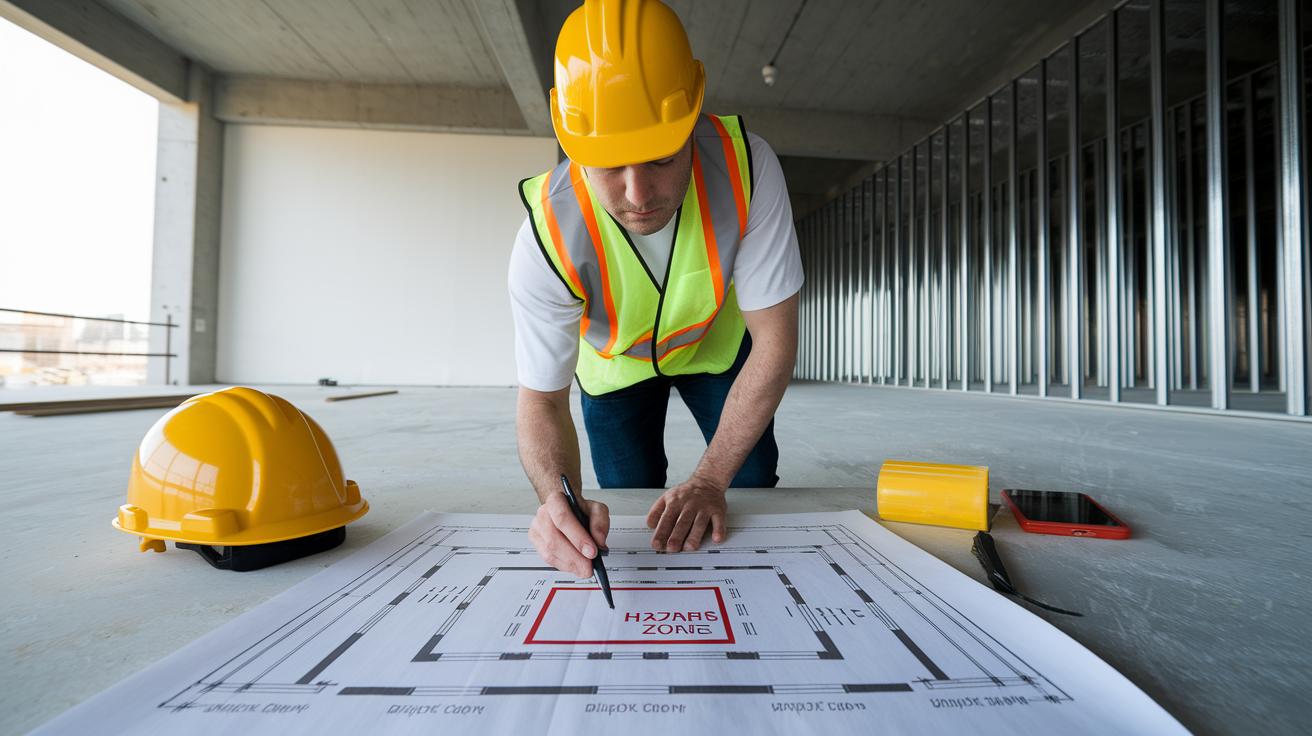
Getting the job site ready and checking for risks are key steps in keeping a restoration work area safe. Before we begin, we clear hazards and mark off work zones so everyone knows where to go. A careful look for risks helps us spot problems early, whether the issue is with the building structure or the environment.
- Remove all debris and set clear access routes for emergency services and crew movement.
- Map out hazard zones and follow our job safety analysis guidelines to check for risks.
- Inspect temporary supports and nearby areas to catch any signs of collapse risks.
- Look over confined spaces (areas with limited entry) to make sure all safety precautions are in place.
- Check for environmental issues such as water contamination from mold or chemical spills.
These steps help us meet OSHA safety rules for collapse risks and confined-space entry while keeping work areas secure. A documented risk assessment also makes it easier for team members to understand the plan and update safety measures as needed.
Restoration Jobsite Safety Checklist: Safe & Steady Operation
Before each shift, we check that all personal protective gear is in good shape. We inspect hard hats, N95 respirators (masks designed to block small particles), chemical-resistant gloves, eye shields, and sturdy footwear to guard against falling debris and harmful airborne particles.
We also review our tools and equipment to keep everyone safe. We look over power tools, generators, ladders, and scaffolding to make sure they work properly. This careful check helps prevent delays and keeps the team safe on site.
| Equipment | Inspection Details |
|---|---|
| Hard Hats | Checked for cracks or any missing parts |
| N95 Respirators | Ensured for proper fit and intact filters |
| Chemical-Resistant Gloves | Reviewed for tears and secure grip |
| Power Tools | Visually examined and tested for any issues |
| Generators | Inspected for fuel leaks and checked for proper grounding |
| Ladders and Scaffolding | Reviewed for stable setup and rust-free hardware |
We keep detailed pre-shift inspection logs to track any problems. This way, any defects are corrected immediately, and the team stays safe and ready throughout the job.
Hazard Recognition: Chemical, Electrical, and Fire Controls in Restoration Jobsite Safety Checklist
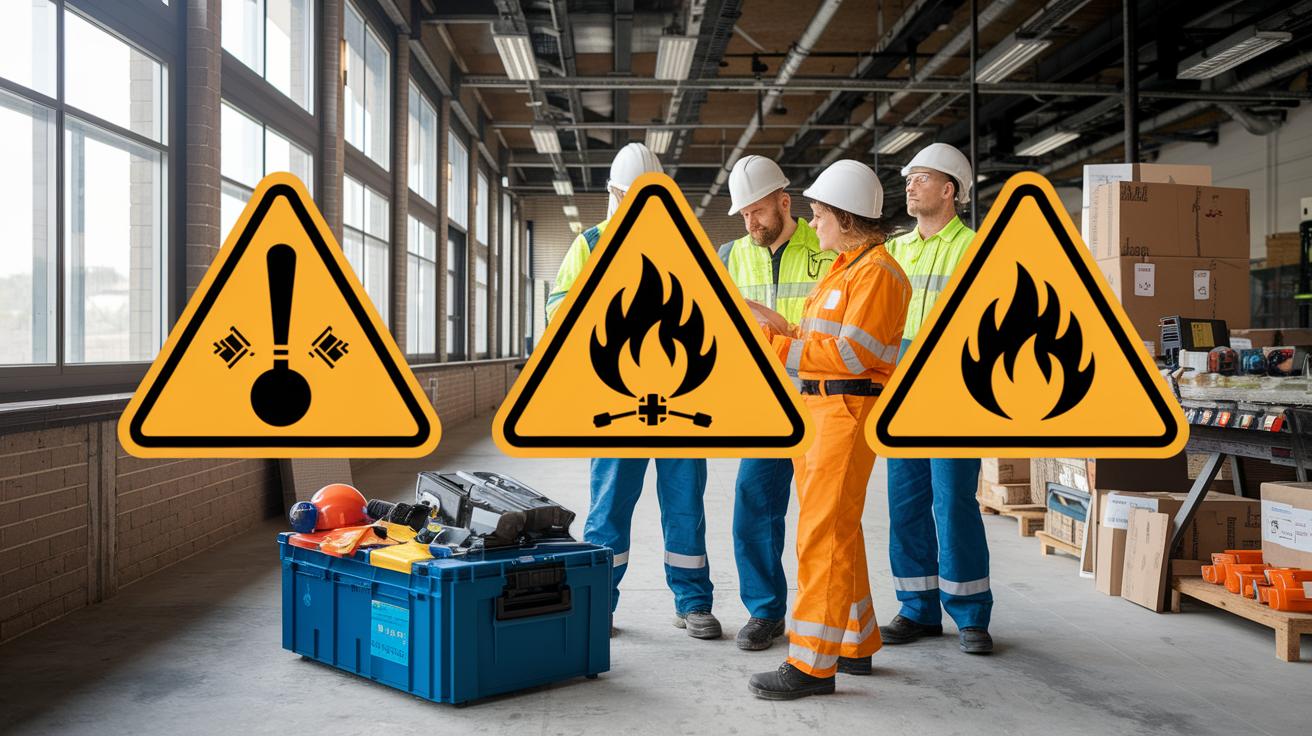
In restoration projects, safety is our top priority. We keep an eye on three main hazard areas: chemical dangers, electrical risks, and fire threats. For chemicals, we double-check that labels are clear, review the material safety data sheets (MSDS – papers that explain how to handle chemicals safely), and ensure they are stored correctly. For electrical hazards, we lock out and tag equipment to avoid accidental use, use ground fault circuit interrupters (GFCIs – devices that cut power during faults), and inspect cords and panels for wear. For fire risks, we verify that fire extinguishers are in place, mark evacuation routes clearly, and enforce permits for hot work like cutting or welding.
| Hazard Type | Control Measure | Frequency of Check |
|---|---|---|
| Chemical | Check labels, review MSDS, and store safely | Daily and with every chemical delivery |
| Electrical | Lock out/tag equipment, use GFCIs, inspect cords and panels | Before each shift and after any repairs |
| Fire | Ensure extinguisher locations, post evacuation routes, and enforce hot work permits | Weekly and during hot work operations |
We add these checks into our daily routine to keep every team member safe. Regular hazard reviews help us act quickly, stop accidents, and make sure everyone knows the safety steps.
Fall Protection and Elevated Work Safety in Restoration Jobsite Safety Checklist
Restoration work can take you to heights where falls are a real danger. We use a strong fall protection system that checks harnesses, secure anchor points, and guardrails while also adding fall arrest tools that stop falls before they cause injury. Routine checks on ladders and scaffolds help make sure every elevated work platform stays firm and safe.
- Look over ladder rungs for signs of wear and confirm they are set at the proper angle.
- Ensure the ladder base rests on level, stable ground.
- Check that scaffolds are lined up correctly and that every locking pin is engaged.
- Inspect scaffold braces to make sure they are correctly positioned to balance the load.
- Confirm that both ladders and scaffolds follow safety guidelines for fall protection.
Having a rescue plan in place is crucial when working at heights. Everyone on the team should know the evacuation steps and where to find emergency gear like rescue harnesses and platforms. This approach not only protects workers during everyday tasks but also ensures a quick and effective rescue if an emergency happens.
Emergency Response and Incident Reporting in Restoration Jobsite Safety Checklist
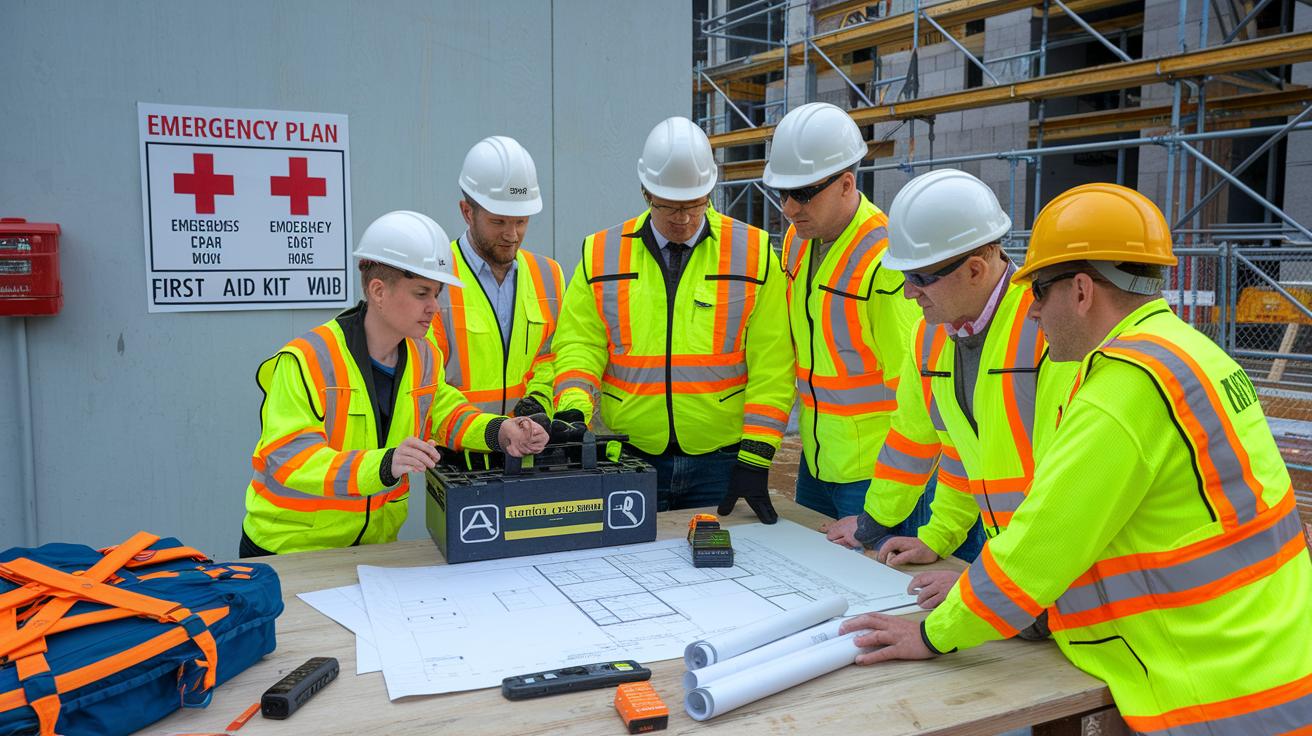
Every worksite needs a clear, quick plan for emergencies. We must be ready if accidents or near-misses occur. This checklist covers what you need to have on hand: first aid supplies, updated contact lists, clear meeting spots, and working alarms. Regular drills build confidence and keep everyone ready when unexpected events happen.
- Make sure first aid kits are full and easy to reach.
- Check that emergency contact lists are up to date and in plain view.
- Mark safe meeting spots for evacuations.
- Test all alarm systems and communication devices to be sure they work.
- Hold regular emergency drills with the team.
- Fill out standard forms to report near-misses or accidents right away.
Reviewing incident reports helps improve this checklist over time. By studying these reports, teams can find common issues and update steps to prevent them. This ongoing process meets safety rules and creates a safer work environment for everyone.
Compliance Audits and Continuous Improvement for Restoration Jobsite Safety Checklist
Regular audits check that every safety step follows OSHA rules (Occupational Safety and Health Administration guidelines). We perform these audits every three months to update our checklist, review our records, and ensure our work meets the set guidelines found in OSHA safety requirements for restoration contractors. Each audit reviews our processes and tools to catch issues early and fix them right away.
| Audit Item | Frequency | Responsible Party |
|---|---|---|
| Site Access Inspection | Quarterly | Site Manager |
| Emergency Equipment Check | Monthly | Safety Officer |
Auditors note their findings, set corrective tasks, and keep track of due dates. After each audit, we review the information to update our procedures and schedule extra training when needed. By using audit feedback in our risk management plan, we improve safety practices and reduce hazards on site. This clear and consistent approach helps every team member know their role in keeping the restoration work area safe.
Final Words
In the action, we walked through key steps from site prep and PPE inspections to hazard mitigation and fall protection. We also covered emergency response measures and compliance audits. The restoration jobsite safety checklist serves as a clear guide to keep crews safe and operations secure. Following these steps helps limit additional damage and streamlines recovery. Stay focused, keep your team safe, and move ahead with confidence.
FAQ
What is an OSHA jobsite inspection checklist?
The OSHA jobsite inspection checklist outlines guidelines for reviewing safety measures on a worksite. It covers PPE, tool inspections, and emergency response procedures to help prevent injuries.
What does an LNI construction safety checklist include?
The LNI construction safety checklist includes verified steps to ensure worker protection, such as hazard assessments, proper equipment use, and adherence to established safety protocols on construction sites.
How does a safety walkthrough checklist template work?
The safety walkthrough checklist template guides a thorough site review by listing specific checkpoints. It helps identify hazards quickly and ensures all safety measures and protocols are met.
What is included in a life safety inspection checklist?
The life safety inspection checklist covers emergency exits, fire prevention tools, and hazard identification. It ensures that buildings are secure and ready for effective emergency response.
What does a plant safety walkthrough checklist review?
The plant safety walkthrough checklist reviews critical elements such as equipment condition, exit routes, and hazard controls. It aids in ensuring that industrial sites meet safety standards and regulations.
Where can I find a construction checklist handbook PDF?
A construction checklist handbook PDF provides a comprehensive guide to safety inspections, quality checks, and compliance standards. It offers step-by-step procedures for documenting and addressing jobsite risks.
What is in a safety observation checklist?
The safety observation checklist records on-site behaviors, equipment conditions, and hazard identification efforts. It assists supervisors in spotting risks early and supporting corrective action measures immediately.
What does an office safety inspection checklist cover?
The office safety inspection checklist covers fire extinguisher checks, emergency exits, and ergonomic setups. It ensures that office spaces meet safety standards and provide a secure work environment.