
What would you do if a dangerous chemical spill suddenly threatened your home or work? Quick action is vital to control the spill and keep everyone safe.
Here is how to tackle the situation:
- Check the safety data sheets (documents that explain the hazards and handling instructions for chemicals) to know what you are dealing with.
- Put on the proper gear to protect yourself.
- Contain the spill immediately to prevent it from spreading.
This guide explains each step so you can manage the cleanup efficiently. We know this can be stressful, but taking the right actions can help limit the damage. Stay alert, stay safe, and know that a calm, quick response makes all the difference.
Essential Steps in Hazmat Spill Cleanup Process
Start by checking the spill right away. Look at the Safety Data Sheet (SDS, which explains the chemical details) to know what you are dealing with and what personal protective equipment (PPE) you need. For example, if the SDS says the chemical reacts strongly, put on acid-resistant gloves and a full-face respirator.
Next, warn everyone nearby and clear the area if you see dangerous vapors, dust, or gases. If the spill is very dangerous or involves a large amount of material, call 911 immediately.
Before you get close, put on the proper protective gear such as gloves, goggles, and an apron. This step keeps you and others safe from harm.
Contain the spill with these steps:
- Plug any leaks or move containers to stop more of the chemical from escaping.
- Block drains to keep the hazardous material from entering the water system.
- Use spill berms if you have them; these act as temporary barriers.
Then, neutralize acids or bases using approved neutralizers. After that, use absorbent pads or granules. Start at the outer edge of the spill and work toward the center.
After containing the spill, clean any leftover material with water or an approved solvent. Open windows or set up fans to improve ventilation, which is very important if there are toxic or flammable fumes.
Finally, place all waste in clearly labeled, sealable containers. Follow the local and federal rules for disposal. Report the incident to your supervisor and complete any necessary documentation with environmental authorities to finish the cleanup process.
Types of Hazmat and Conducting Risk Assessment for Spill Cleanup

Hazardous Substance Categories
- Flammable liquids: These ignite easily and can cause a fire to spread fast.
- Corrosive acids/bases: These can burn skin and damage surfaces if they touch them.
- Oxidizers: These chemicals react strongly with organic materials, which can increase the chance of a fire.
- Biological pathogens: These germs can cause infections or illnesses.
- Radioactive isotopes: These give off radiation and may lead to long-term health risks.
Risk Assessment Procedures
- Start by checking the Safety Data Sheet (SDS) for details about the chemical. It tells you if the substance is flammable, reactive, toxic, or corrosive.
- Look around the spill area. Identify nearby drains, check if there is good airflow, and see if the spill might spread through air or water.
- Outline the spill zone to keep the area safe. This helps decide if the spill is small or large.
- If you can, check the concentration of the spilled material using proper tools. This step helps you decide whether it is safe to handle in-house or if you need professional help to clean it up safely, protecting people and the environment.
PPE Selection and Safety Protocols in Hazmat Spill Cleanup Process
When you face a hazmat spill, it is essential to choose the right personal protective equipment (PPE) for the chemicals involved. For solvents, wear nitrile gloves (protective gloves for chemical liquids). For corrosive substances, choose acid-resistant gloves. And if there are toxins in the air, put on a full-face respirator. These choices lower your risk of exposure and keep you safe.
OSHA requires having a written plan, regular drills, and clear hazard communication. These rules guide every step of the cleanup so that everyone knows what to do if things go wrong. Before starting the work, do a job safety analysis (a detailed review of each task and the risks involved; see our job safety analysis for restoration work at https://mindtangle.net?p=163). This analysis breaks down the tasks and highlights any dangers so you can add extra safety measures if needed.
A good spill kit is a must-have. It should include the correct PPE, approved neutralizers for reactive chemicals, absorbents to soak up liquids, and tools to stop the spill from spreading. Make sure every team member knows how to use each item in the kit.
Follow these steps for a safe cleanup:
- Check that your PPE is in good condition and right for the chemical.
- Read the emergency cleanup plan and do a quick drill if you have time.
- Start cleaning only after confirming that safety protocols and PPE checks are complete.
These steps help keep everyone safe and make the cleanup process faster and more effective while reducing toxic exposure risks.
Containment and Cleanup Techniques in Hazmat Spill Cleanup Process
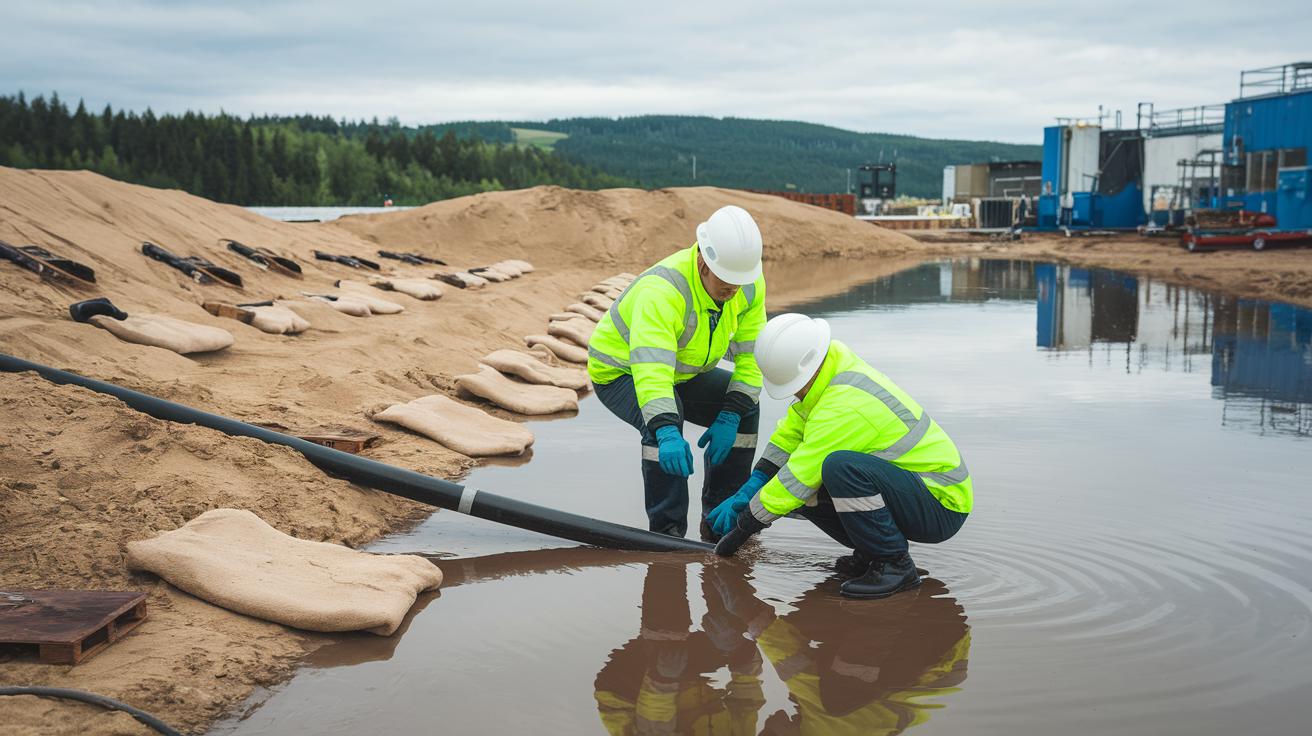
Containment Methods
Stop the spill from spreading by using simple methods. First, plug any leaks or patch broken pipes right away. Then, apply the proper neutralizers (substances that balance harmful chemicals) to calm reactive chemicals. Next, build barriers using sand or dirt, set up spill berms, or lay absorbent socks to block the toxic liquids. Work from the outer edges inward to keep the chemicals contained. Also, block drains immediately to stop the spill from entering the water system. For example, seal a leak at its source with a quick patch to prevent more liquid from escaping.
Cleanup Procedures
Once the spill is contained, neutralize any reactive substances using the correct agents. From the edges of the spill moving inward, place absorbent pads, granules, or pillows to soak up the chemicals. For spills that release toxic fumes, use explosion-proof fans to ventilate the area safely and disperse the chemicals. After decontamination, clean or dispose of contaminated tools and personal protective equipment (PPE) following the guidelines on the safety data sheet (SDS). For example, clean all PPE as required by the SDS to make sure no harmful chemicals remain for the next use.
Waste Handling and Disposal Guidelines for Hazmat Spill Cleanup Process
After a spill cleanup, it is very important to handle waste safely to keep everyone protected. You must double-bag the waste or put it in DOT-approved containers (approved by the Department of Transportation). Each container needs a clear label that shows the chemical name and its hazard class. This helps the team understand the risks and manage the waste correctly.
Next, move the waste to a licensed hazardous waste facility. Never throw it in regular trash or flush it down drains. All steps must follow federal RCRA (Resource Conservation and Recovery Act) and state hazardous waste rules. Doing so ensures every step meets the law.
Keep clear records of how the waste is handled. Write down the collection date, the waste amount, the correct waste code, and the transporter’s name. These records track the waste from the site to disposal and help in audits.
Finally, use proper techniques to remove any leftover substances safely. It is important that every team member is trained on handling and record-keeping. By following these guidelines, you reduce exposure risks, protect the environment, and keep cleanup operations safe and legal.
Regulatory Compliance and Documentation in Hazmat Spill Cleanup Process
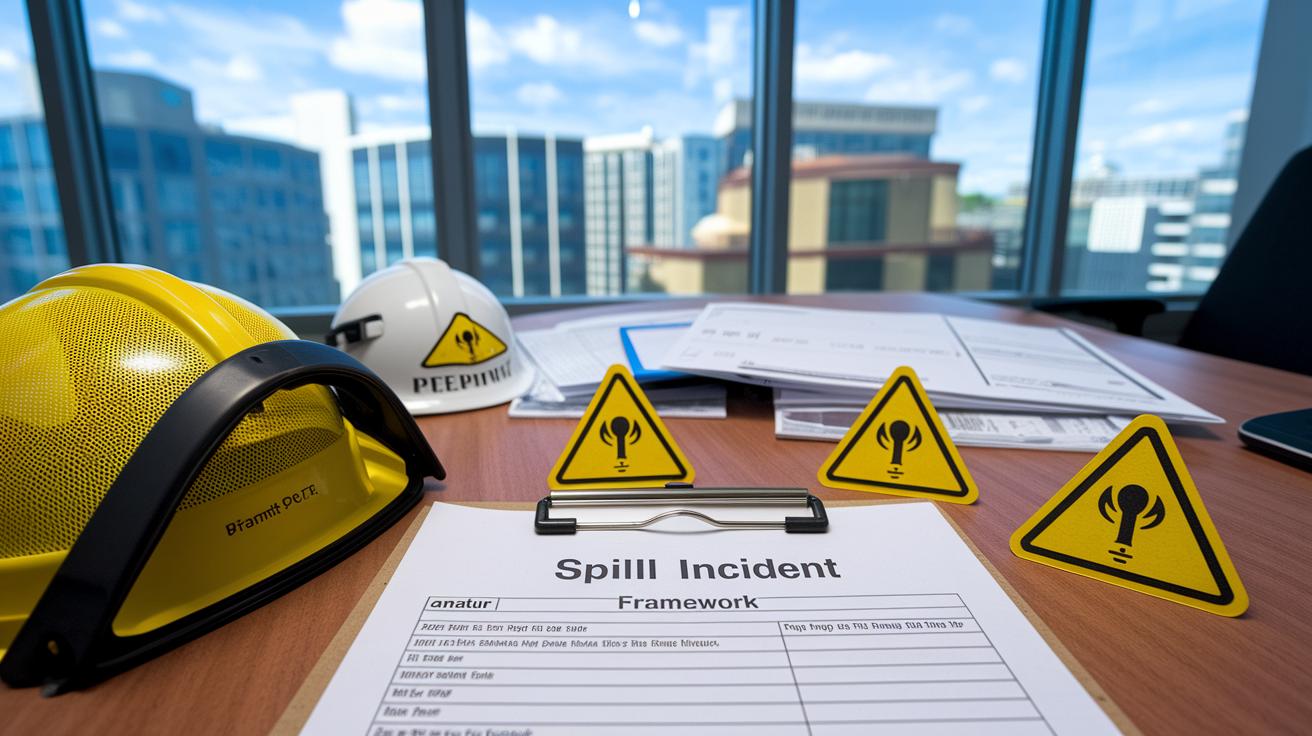
Every cleanup of a hazardous spill needs clear records to follow federal and state rules. You should record the date and time, the type and amount of chemical spilled, the names of the people involved, the protective gear (PPE) used, and how the chemical was disposed of. These details prove that safety steps were followed and give important information for future reviews.
OSHA rules require you to keep written spill-response procedures, training logs, and regular audits. If a spill exceeds reportable limits, call the EPA or your state environmental agency right away. Your record should include measurements of the spilled chemical, the cleanup steps taken, and any observations about the health or environment.
Keep copies of the Safety Data Sheet (SDS) and all incident reports for at least three years. This documentation shows that you followed a proper chemical incident procedure and met safety standards. Clear records help review every task and improve plans for future emergencies.
A detailed report makes it easier to track incidents and ensures that every cleanup meets necessary standards. Follow OSHA guidelines for contractor documentation and reporting to be sure you are compliant and ready for any review.
Post-Cleanup Evaluation and Prevention Strategies in Hazmat Spill Cleanup Process
Once the cleanup work is finished, check that every bit of the hazardous substance is gone. We take swab samples and run tests to ensure no chemical traces remain. This step shows that the cleanup is safe and helps lower further risks.
Next, assess the health and environmental impacts by testing the air, soil, and water around the area. These tests verify that any remaining hazards are under control before normal activities resume.
Make sure spill kits are restocked with all needed personal protective equipment, neutralizers, and absorbents. Update your emergency plans based on what you learned from this event. Regularly inspect critical areas such as valves, seals, and storage containers to catch potential problems early.
By carefully reviewing the cleanup and updating your prevention measures, you help improve environmental safety for the long term.
Final Words
In the action, the blog post breaks down key steps in the hazmat spill cleanup process. We start with a thorough assessment and safety check using the SDS and proper PPE. Next, containment, cleanup methods, and waste disposal are covered to safely manage spills. Detailed documentation and regulatory compliance guide proper reporting and follow-up. Finally, post-cleanup checks help prevent future incidents. These guidelines aim to keep everyone safe and restore properties quickly, leaving you with hope and confidence as the recovery unfolds.
FAQ
How to clean up chemical spills in the workplace?
Cleaning up chemical spills in the workplace starts with reviewing the SDS for hazards, evacuating personnel if needed, donning proper PPE, containing the spill, neutralizing chemicals, and disposing of waste safely.
How do you handle chemical spills in laboratories and hospitals?
Handling chemical spills in labs and hospitals means checking the SDS for hazards, evacuating the immediate area if toxic vapors are present, using the proper PPE, containing the spill, neutralizing where needed, and cleaning with approved methods.
What are OSHA chemical spill procedures?
OSHA chemical spill procedures require immediate hazard assessment, prompt evacuation if necessary, use of appropriate PPE, controlled containment of the spill, cautious cleanup, proper waste disposal, and accurate documentation of the incident.
What is the correct order for cleaning up a spill?
The correct order for cleaning up a spill starts with hazard assessment, followed by evacuating the area, donning necessary PPE, containing the leak, neutralizing or absorbing the chemical, cleaning residuals, and finally disposing of the waste safely.
What are the key steps in spill response processes?
Key steps in spill response include assessing the incident, notifying affected personnel, wearing correct PPE, containing the spill from the outer edges inward, neutralizing hazardous agents, cleaning thoroughly, and managing waste under regulatory guidelines.