
Have you wondered how quickly your home can recover after a flood? We remove water fast to help cut down on damage. Strong pumps pull out deep water, wet/dry vacuums clear shallow puddles, and truck-mounted extractors work well on large spaces. This guide explains how each tool helps so that homeowners and professionals can get their spaces back safely and quickly. In short, smart water removal sets the stage for a faster recovery and a safer home.
Core Flood Water Extraction Techniques
Flood water extraction helps you remove water quickly and safely after a flood. Homeowners and professionals can choose from three main methods depending on how deep the water is and how much water there is. Each method targets a specific need so that water is removed fast with little extra damage.
When the water is shallow or mixed with debris, wet/dry vacuums use strong suction to clear a room quickly. For deeper standing water, submersible pumps work underwater to move large amounts of water. Truck-mounted extractors use a powerful pump along with a vacuum and are great for big, flooded areas in homes or businesses.
| Technique | Best Use | Capacity/Flow Rate | Ideal Scenario |
|---|---|---|---|
| Submersible Pump | Deep water removal | High flow rate (thousands of gallons per hour) | Basements and highly flooded areas |
| Wet/Dry Vacuum | Shallow water with debris | Moderate suction power | Rooms and small spaces under one inch of water |
| Truck-Mounted Extractor | Rapid large-volume extraction | Combined high-capacity pump and vacuum | Large residential and commercial sites |
When choosing a tool, think about how deep the water is, the size of the area, and the amount of debris. Use submersible pumps for deep, still water that demands a fast flow rate. Wet/dry vacuums work best for small spaces with shallow water. Truck-mounted extractors are best for tackling large volumes of water in big properties. Using the right method helps clear the water faster and starts the recovery process sooner.
Submersible Pump Innovations in Flood Water Extraction

Submersible pumps are key for clearing deep, standing water in flooded areas. They work underwater while moving thousands of gallons per hour, which helps get rid of water quickly. The pumps run non-stop even in tough conditions thanks to high-pressure systems and a smart design that focuses on flow rate and head pressure.
- Solids-handling: moves grit and sediment
- Standard drainage: removes general water
- Sewage-rated: handles organic waste
- High-head: moves water uphill or over long distances
- Dewatering: light enough for construction sites
It is important to choose the right pump for each job. For example, when a basement floods with heavy sediment, a solids-handling pump is a good option. If water must be moved to a higher exit point, a high-head pump works best. Regular upkeep, such as clearing debris and checking seals, helps the pump run well during emergencies. This careful approach keeps the system working at its best and speeds up recovery after a flood.
Flood water extraction techniques spark swift relief
Wet/Dry Vacuums
Wet/dry vacuums are designed to remove both water and debris effectively. They use a two-stage motor and special filters to pull up to one inch of water from surfaces. This makes them ideal for cleaning floors after a flood when water and bits of dirt mix together. These vacuums can clear out water and small particles that might block other machines. Regular cleaning of the filters and inspection of the hose help keep these units working smoothly during long cleanup jobs.
Portable Extractors
Portable extractors offer flexibility in hard-to-reach places like stairwells, closets, and other tight spots. With tanks holding between 5 and 20 gallons, they work fast to remove water from confined areas. Their built-in wheels or carry handles make moving around obstacles easy. Routine cleaning and checking of the hoses keep them operating with strong suction over time. When a wet/dry vacuum might not fit in a small area, these extractors ensure water is removed quickly, offering fast relief after flood damage.
Dehumidification and Structural Drying Innovations in Flood Water Extraction
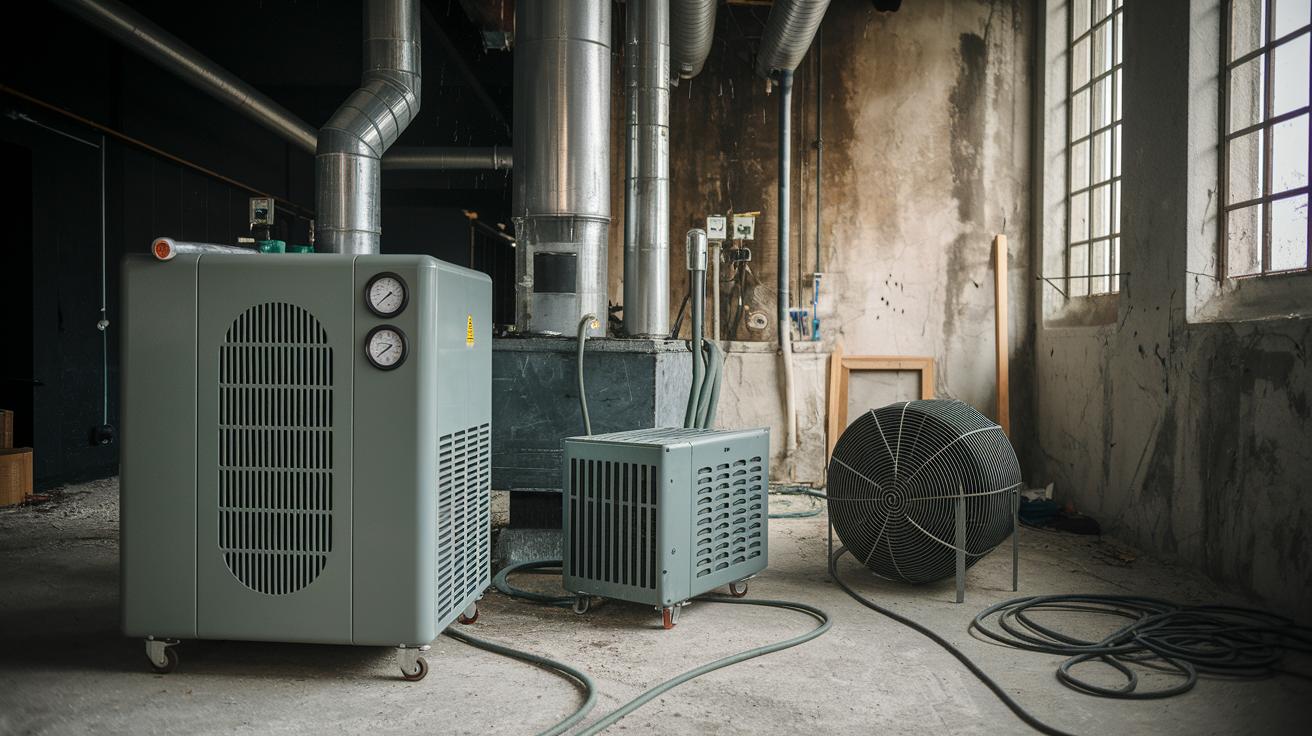
Industrial dehumidifiers are vital once water is removed. They use refrigerant (a substance that cools air) or desiccant (a substance that absorbs moisture) systems to keep indoor humidity below 40%. These machines pull moisture from the air, which helps stop mold growth and further damage. For example, a refrigerant-based unit can quickly lower the humidity in a room so that restoration work can start sooner.
Air movers help speed up drying by moving over 2,000 cubic feet of air per minute in large areas. Their correct placement is key. Technicians place them near walls, under furniture, or around wet spots to ensure the airflow reaches hidden damp spots. This setup makes the drying process faster and covers all parts of a room.
Thermal drying methods add another layer of effectiveness. Electric or gas heaters work with airflow to raise surface temperatures by 10 to 20 degrees, cutting drying time by as much as 50%. This process not only speeds up drying but also uses energy wisely. Many modern units come with humidity sensors that automatically adjust the output. This balanced approach dries surfaces and structures completely while lowering energy use and preventing future water issues.
Moisture Detection and Assessment Tools in Flood Water Extraction Techniques
Handheld moisture meters come in two types: pin models that use metal probes and pinless models that use sensors. They give a clear percentage reading that tells technicians how much water is in wood and drywall. This helps us decide the right amount of drying needed.
Thermal imaging cameras find hidden moisture by spotting small temperature differences of 2 to 4°F. They clearly show damp spots behind walls or under floors, making sure nothing is missed during repairs.
Wireless humidity sensors and data loggers are key for keeping an eye on big or complex structures. They record real-time humidity and temperature every 5 minutes. This information creates detailed moisture maps that show when areas are dry enough to rebuild safely.
Safety Protocols and Equipment Maintenance Standards in Flood Water Extraction Techniques
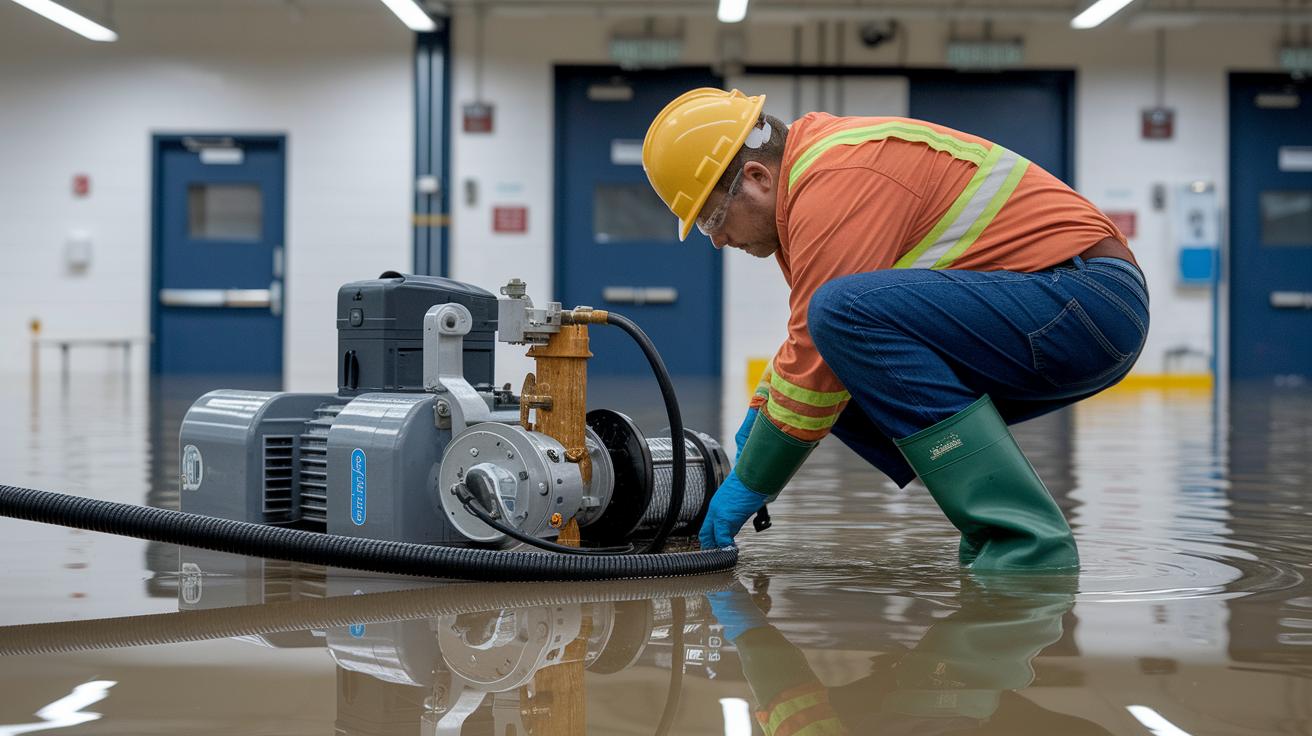
When working with flood water, safety comes first. Always turn off the circuit breaker before starting a pump or vacuum to prevent electrical shocks. Wear rubber boots, chemical-resistant gloves, and a face shield to protect yourself from harmful contaminants. Using a job safety analysis for restoration work keeps everyone safe during water extraction.
Daily checks are just as important. Inspect your hoses, cables, and filters every day. Clean or replace filters after about 8 hours of use to ensure your equipment performs well. For longer projects, lubricate pump bearings and check O-rings each week to avoid breakdowns. Regular maintenance helps the cleanup go smoothly and safely.
Choosing Flood Water Extraction Techniques Based on Site Conditions
When picking the right tools for flood water removal, the first step is to look at the water's depth. For water less than 2 inches deep, wet/dry vacuums or portable extractors work well. They use strong suction to handle small amounts of water and debris. For water between 6 and 12 inches deep, submersible pumps are the better choice. These pumps can move between 1,000 and 3,000 gallons per hour by operating fully underwater to keep the water flowing steadily.
Next, consider the size of the flooded area and the total water volume. Larger areas, over 1,000 square feet, or situations where water is deeper than 12 inches, often need truck-mounted extractors. These machines are built tough with high-capacity pumps and vacuum setups that can clear big volumes fast. They work for homes and businesses alike, tackling even heavy water damage promptly.
Also, the type of contamination and available power are important factors. When water carries heavy sediment or sewage, solids-handling pumps make sense. It is also wise to upgrade to chemical-resistant protective gear to stay safe when dealing with hazardous materials. Matching the right equipment to your site's unique conditions helps ensure a quick, effective water removal response in any emergency.
Recovery Timeline Management and Post-Extraction Best Practices in Flood Water Extraction Techniques

Water extraction time depends on the size of the area. In small rooms, it might only take 2 hours, but in large basements or heavily flooded zones, it may take 24 hours or more. Acting fast with the right equipment helps prevent further damage.
Once the water is removed, drying the area quickly is key to stopping mold growth. We recommend starting dehumidifiers within 12 to 24 hours to lower moisture levels and keep mold spores at bay. Check hidden spots like behind walls and under carpets to make sure everything is drying properly.
After the area is dry, begin sanitizing immediately. Use EPA-registered agents (approved cleaners that meet strict health standards) to clean surfaces and remove contaminants. This step ensures a healthier environment and supports your overall recovery plan.
Follow-up actions are just as important. Take moisture readings 3 to 5 days after drying to confirm that all areas have reached safe moisture levels. Keeping a record of these measurements is crucial for your restoration plan and insurance documentation.
Final Words
In the action, we covered the key ideas behind careful water removal. We discussed using submersible pumps, wet/dry vacuums, and truck-mounted extractors based on water depth and volume. Safety measures, proper equipment maintenance, and strategic recovery timelines were also highlighted. These flood water extraction techniques offer effective solutions that protect your home and minimize repair costs. Every step helps ensure safe re-entry and supports efficient insurance coordination. Now, you can move forward with renewed confidence in restoring your property safely.
FAQ
What are the core flood water extraction techniques?
The core flood water extraction techniques include submersible pumps for deep water, wet/dry vacuums for shallow water, and truck-mounted extractors for large-volume removal. They target different water depths and debris levels.
How do submersible pumps work in flood water removal?
Submersible pumps operate underwater with high flow rates to efficiently remove deep standing water. They are ideal for situations with significant water depth and can handle varying water pressures.
What is the role of wet/dry vacuums in flood water extraction?
Wet/dry vacuums use powerful motors and special filters to extract shallow water and debris. They are best for residential areas where water levels are less than one inch deep.
When should a truck-mounted extractor be used for flood water removal?
Truck-mounted extractors combine high-capacity pumps and vacuums to quickly handle extensive flood water and large areas. They are most effective in situations with high water volume or depths over 12 inches.
How do rapid suction techniques improve flood water extraction?
Rapid suction techniques use high-flow equipment that quickly removes water, reducing further damage and speeding up recovery. They are especially useful in emergency situations where fast water clearance is critical.