
Even a small pool of water in your crawl space can lead to big problems. A little water can weaken support structures and invite mold or pests. In this blog, we explain simple steps to spot, remove, and dry out unwanted moisture quickly and safely. Acting fast not only saves money but also keeps your home secure. Read on to learn how these effective fixes can turn a routine cleanup into a lasting solution for a safer, healthier home.
Crawl Space Water Removal: Immediate Actions and Methods
Even a little water in your crawl space can harm your home. It can weaken support structures, cause mold to grow, and attract pests. First, find out where the water is coming from. It might be heavy rain, groundwater seeping in, or a leak from a pipe. Knowing the source helps determine the best way to remove the water.
Follow these steps for a safe cleanup:
- Inspect the area carefully. Look for pooling water, damp soil, or wet spots on the floor. This will show you exactly where help is needed.
- Remove any standing water. Use a sump pump or a wet/dry vacuum to clear the water in small sections. This makes sure you remove as much as possible.
- Once the water is cleared out, dry the space thoroughly. Set up strong fans and dehumidifiers to remove any leftover moisture. This step is essential to stop mold from growing.
- If the water is shallow (less than 2 inches) and only in one small area, you might manage the cleanup yourself. But if there is a lot of water or if it keeps coming in, call in emergency dewatering professionals.
Quick action is key. The sooner you act, the better you can protect your home's structure and prevent future issues.
Common Causes of Crawl Space Water Accumulation
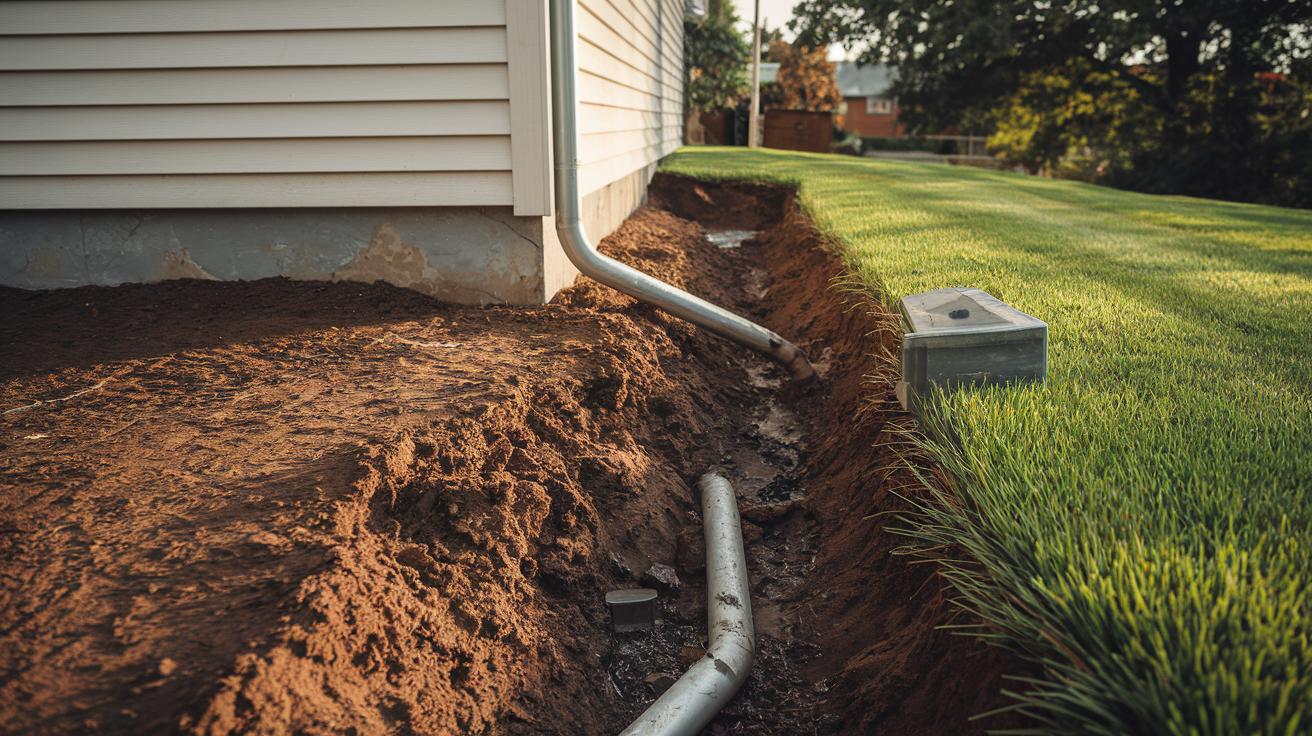
Water can enter your crawl space from many different paths. Often, water is drawn toward your home's base because it does not drain away properly. Clogged gutters and short downspouts can cause water to pool around the foundation. For example, if your downspouts end only a few feet from your house, water may settle near the base and eventually seep underneath.
A yard that slopes toward your home can also create trouble. Even a slight slope can push water against your foundation. Small cracks in the foundation serve as entry points too. Over time, these gaps can let in enough water to make the soil damp and create moisture under the floor.
Leaky pipes and heavy rains can make this problem even worse. A leaking pipe or a sudden downpour can quickly add water to your crawl space, worsening seepage issues. If you notice wet spots or smell a damp, musty odor after rain, hidden plumbing leaks may be the cause.
- Poor exterior drainage from clogged gutters and short downspouts
- Yard slopes that push water toward the foundation
- Cracks in the foundation that allow water to seep in gradually
- Plumbing leaks and heavy rains that increase overall moisture levels
Essential Equipment for Effective Crawl Space Water Extraction
Begin with the basics. A portable sump pump is vital for fast water removal. These pumps can move between 100 and 200 gallons each hour. Think of it like a strong current pushing water out of a blocked drain.
Next, add a wet/dry vacuum to your toolkit. It is great for picking up shallow puddles in tight spots where a pump might not reach. It works like an extra pair of hands, getting into areas that are hard to access.
Don’t overlook axial fans. Rated at over 1,000 cubic feet per minute, these fans move air quickly to speed the drying process. When you use them with a dehumidifier that takes out more than 50 pints of moisture per day, you cut down on leftover dampness fast. Picture the dehumidifier as a steady force that keeps the air dry.
For long-term water management, consider a permanent sump pump that works with an automated moisture control system. These systems adjust based on real-time conditions. Moisture sensors and humidity monitors watch for rising dampness so you can act immediately.
| Equipment | Capability/Description |
|---|---|
| Portable Sump Pump | Removes 100-200 gallons per hour for fast water extraction |
| Battery-Backup Sump Pump | Keeps working during power outages |
| Wet/Dry Vacuum | Removes shallow water from tight or hard-to-reach spots |
| Axial Fans | Moves over 1,000 cubic feet per minute to speed up drying |
| Dehumidifier | Removes 50+ pints of moisture per day to reduce residual dampness |
| Permanent Sump Pump | Works continuously with automated systems for long-term water control |
| Moisture Sensors & Humidity Monitors | Provide real-time alerts when dampness increases |
Using these tools together creates a reliable plan to extract water quickly and dry your crawl space. This team approach helps keep your space as dry as possible.
DIY Crawl Space Water Removal vs Professional Service Options
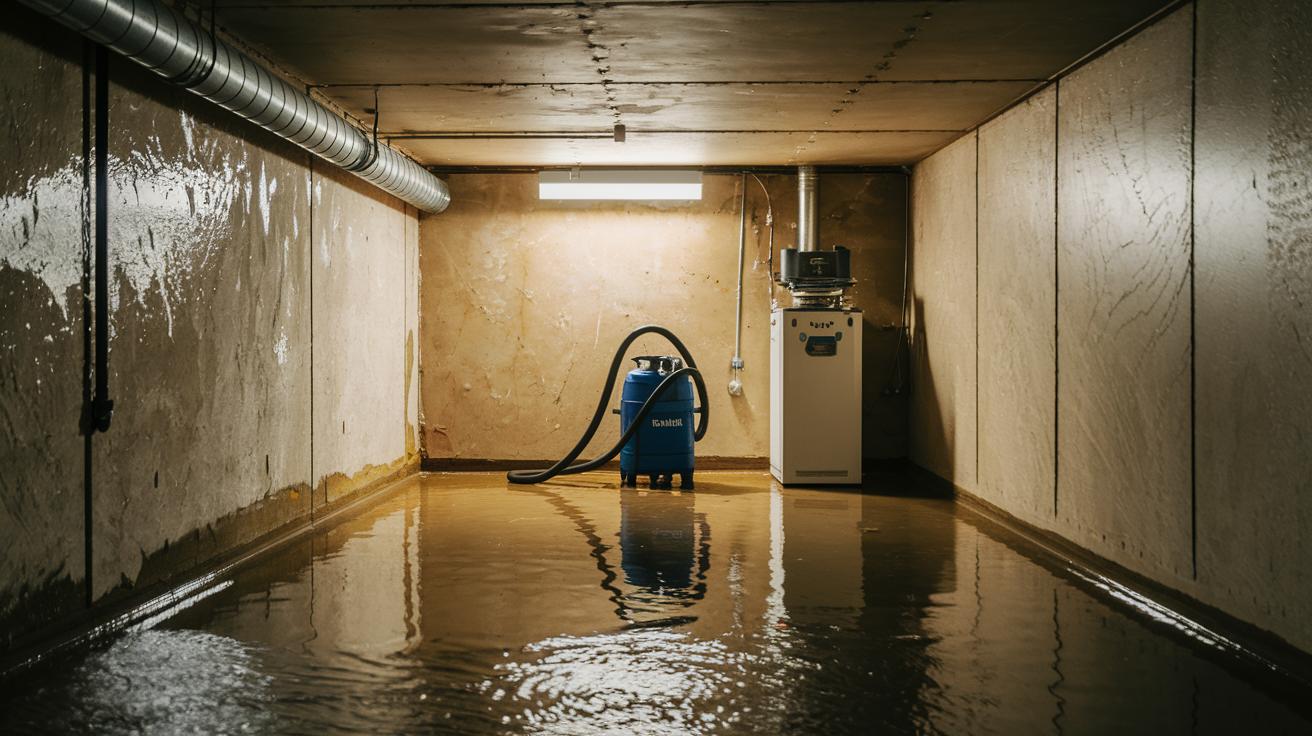
If you see just a little water in your crawl space after a short storm, you might be able to handle it yourself. For water less than 2 inches deep, try using a wet/dry vacuum along with basic safety gear. Think of it as cleaning a small spill in your kitchen; if the area is easy to reach and the water amount is low, it can be a simple DIY job.
However, if the water levels get higher or stick around, your household tools might not be enough. A vacuum may not reach every damp corner, and a DIY approach might overlook hidden leaks. Deeper water might even point to plumbing problems or cracks in your foundation that need more than a quick cleanup. In these cases, calling a local water extraction expert is your best option.
Professional services, like restoration companies or plumbers, bring the right equipment for the job. They handle water removal, mold clean-up, and repair any structural damage. They use commercial-grade pumps that work faster than home devices. Experts in basement waterproofing or crawl space repair know how to apply long-term fixes that stop water from coming back. For example, if water seeps through cracks, they can seal the gaps for a lasting repair.
For more severe issues, consider reaching out to water extraction companies at https://mindtangle.net?p=240. They use advanced tools and techniques to keep the cleanup safe and efficient. Acting quickly with informed steps is key to protecting your crawl space and home.
Cost Analysis for Crawl Space Water Removal Solutions
If you plan to remove water or fix issues in your crawl space, be ready for different costs. Many companies charge by the square foot, usually between $3 and $7 per square foot. You need to measure your crawl space carefully to get a correct estimate for water removal and mold cleaning. For example, a 500-square-foot space might cost between $1,500 and $3,500 just for service fees.
Here is a quick breakdown:
- Sump pump installation typically costs between $500 and $1,200.
- A good dehumidifier usually runs from $350 to $800.
- Installing a vapor barrier (a layer to block moisture) generally costs $1 to $3 per square foot.
Some regions offer financing options and rebates to help manage these expenses. Check local offers and compare prices when choosing a service. Budgeting well now lets you combine reliable repairs with long-term moisture control. This smart approach can protect your home from structural damage and health risks caused by damp conditions.
Plan for both immediate water removal and future prevention. A detailed cost review will help you make safe and smart decisions today.
Crawl Space Dehumidification and Moisture Control Strategies
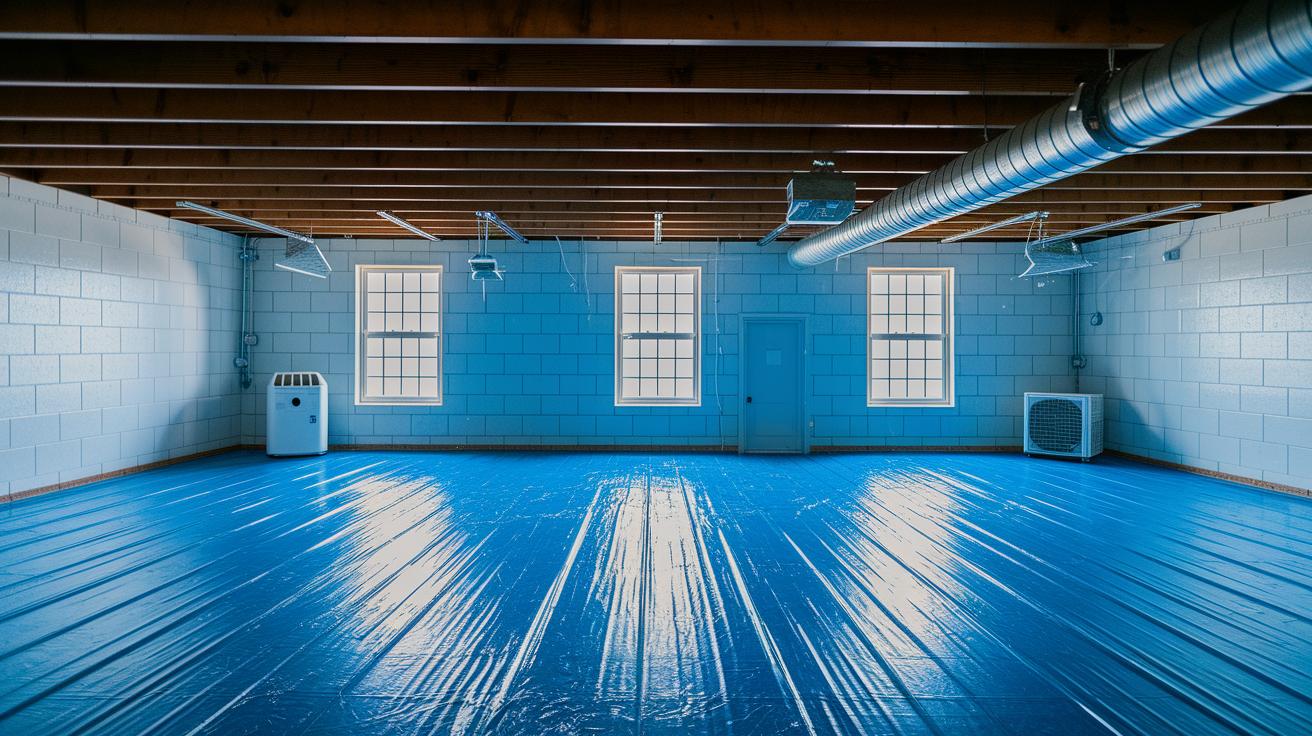
It's important to keep your crawl space dry to avoid mold growth and damage to your home. One way to do this is by fitting a sturdy vapor barrier made from 6-mil plastic. This plastic layer stops moisture from coming up from the ground and keeps the area dry.
Dehumidifiers are essential for lowering humidity. Using a dehumidifier that pulls more than 50 pints of water from the air each day can help keep the humidity below 60%. This is like making your crawl space as dry as a desert so mold and pests are less likely to take hold.
Boosting air exchange is another good strategy. You can do this by improving your ventilation system or adding automatic fans. This speeds up the drying process and prevents moisture from gathering in corners and hard-to-reach spots.
Adding humidity sensors is also a smart move. They give you real-time readings, so you can take action quickly if the moisture level starts to rise.
- Fit a sturdy vapor barrier with 6-mil plastic
- Use dehumidifiers that remove over 50 pints of water per day
- Improve your ventilation system or add automatic fans for better airflow
- Install humidity sensors to monitor moisture levels continuously
Together, these measures provide a dependable way to keep your crawl space dry over the long run.
Crawl Space Under-Home Drainage Repair and Waterproofing
Begin by checking the ground around your house. Walk around and note areas where water might gather. One practical solution is to dig a trench that follows the edge of your home. Lay a perforated pipe (a pipe with small holes that lets water in) in the trench and cover it with a layer of gravel. When you connect this pipe to a sump pump, it sends water away from your house. Think of it as creating a water highway that carries excess water off your property.
Next, extend your downspouts 4 to 6 feet away from the foundation. This step stops rainwater from pooling near the house. By guiding the water away, you help prevent moisture in your crawl space.
Repair any foundation cracks as soon as you see them. Use hydraulic cement or waterproof caulk (a sealing substance that keeps water out) to fill the gaps. This creates a strong barrier so water does not seep into hidden areas.
Also, make sure your yard slopes away from your home. A good guideline is to grade the yard so it drops at least 6 inches over 10 feet. This slope directs water downhill and protects your foundation from excess moisture.
- Dig a trench around the home and install a perforated pipe on a gravel bed
- Extend downspouts 4 to 6 feet away from your house
- Seal foundation cracks with hydraulic cement or waterproof caulk
- Grade the yard for a 6-inch drop over 10 feet
These steps work together to keep your crawl space dry and your foundation strong.
Preventive Maintenance for Long-Term Crawl Space Health

Keep your crawl space dry to stop mold, rot, and pests. After heavy rain, take a walk through the area and look for small puddles, wet soil, or new cracks in the foundation. These signs point to leaks or weakening spots that need fixing.
When it is humid, adjust your dehumidifier to remove extra moisture from the air. This extra step helps cut down on dampness that can harm your home's structure. Check the device often to be sure it works properly.
It is a good idea to have a yearly inspection of the crawl space. A professional can find damage you might miss, like worn vapor barriers or small foundation cracks. A yearly check helps stop problems before they grow and keeps your home safe.
- Check the crawl space after heavy rain for puddles, wet soil, and cracks.
- Adjust your dehumidifier when humidity is high.
- Have a professional inspect your crawl space once a year.
Final Words
In the action, we explored essential steps for tackling water in your crawl space. Understanding the source and using proper tools not only prevents further damage but also sets the stage for a safe, dry home.
We discussed DIY versus professional help, cost factors, moisture control, and drainage repair. Following these guidelines for crawl space water removal can minimize repair costs and keep your home healthier. Stay proactive and take comfort in knowing that each step you take brings you closer to full restoration.
FAQ
Frequently Asked Questions
How do you remove water from a crawl space using DIY methods?
The DIY method for crawl space water removal means checking for the water source, then using a wet/dry vacuum or sump pump to extract standing water, followed by running fans and a dehumidifier to speed drying.
How do I find a professional for crawl space water removal near me?
The answer to finding help is to call local water extraction companies or restoration experts who specialize in crawl space water removal to safely and effectively address water buildup and structural issues.
Is water in the crawl space after heavy rain normal?
The presence of water after heavy rain can sometimes be normal, especially without proper exterior drainage, but recurring water may signal seepage problems that need addressing to prevent mold and damage.
What is the best way to remove water from a crawl space?
The best method combines immediate water extraction using a sump pump or vacuum with follow-up drying using fans and dehumidifiers to remove remaining moisture and prevent structural damage.
How much does it cost to remove water from a crawl space?
The cost of crawl space water removal varies but typically ranges from $3 to $7 per square foot, with additional costs for equipment like sump pumps or dehumidifiers depending on the severity of the water problem.
Does insurance cover water in a crawl space and can you sell a house with it?
Insurance coverage for crawl space water depends on your policy and the water source; selling a house with crawl space water issues can be difficult due to risks like mold and structural damage, so repairs are recommended.
How do I waterproof my crawl space and make repairs?
Waterproofing and repair involve sealing foundation cracks, installing a heavy-duty vapor barrier, fixing the exterior drainage, and sometimes encapsulating the crawl space to protect against persistent water intrusion.
What equipment is essential for effective crawl space water extraction?
Essential equipment includes a sump pump (with battery backup if possible), a wet/dry vacuum for shallow water, axial fans to boost airflow, and a dehumidifier that removes excess moisture from the area.
How do I choose a sump pump for my crawl space?
Choosing a sump pump for your crawl space means selecting one capable of handling 100–200 gallons per hour and considering a battery backup option to maintain operation during power outages.
What are effective strategies for crawl space dehumidification and moisture control?
Effective strategies include installing a dehumidifier that removes over 50 pints a day, using ventilation fans, placing moisture sensors for real-time alerts, and ensuring proper exterior drainage to minimize moisture entry.