
Have you ever wondered what can happen if biohazards are not handled correctly? A small mistake can leave behind dangerous germs that put lives at risk.
We begin by carefully checking each area to find spots that may be contaminated. We then use strict steps to stop the germs from spreading.
This clear plan keeps residents and workers safe while reducing legal and financial risks. We work quickly and safely to remove biohazard threats and keep your space secure.
biohazard cleanup procedures: Safe, Swift Action
We follow a clear process to keep everyone safe. First, we check the area for bloodborne pathogens (germs found in blood) to stop their spread and protect residents and workers. We begin with a careful survey to find all contaminated spots and set the next steps. This method helps lower legal risks and ensures a safe environment.
We record each step and follow a trusted process from spotting hazards to testing for safety. This organized plan stops cross-contamination and makes sure every biohazard risk is managed properly.
- Risk assessment and hazard identification
- Site isolation and containment
- Personal protective equipment setup
- Surface decontamination and waste removal
- Final verification and clearance testing
Together, these steps form a complete safety process. First, we assess the risk and identify potential threats using methods such as a bleach mix at a 1:10 ratio for cleaning hard surfaces. We also use tools like HEPA vacuums (high efficiency air filters) to remove harmful particles. Next, we isolate the area to keep contaminants from spreading while protecting our crew. We set up proper protective gear to minimize exposure. Then, we clean all surfaces and remove waste carefully to ensure no harmful residue is left behind. Finally, we test the air and take surface swabs to confirm the area is safe for reoccupation. This step-by-step plan helps our team work quickly while making sure everyone stays protected.
Regulatory and Compliance Guidelines in Biohazard Cleanup Procedures
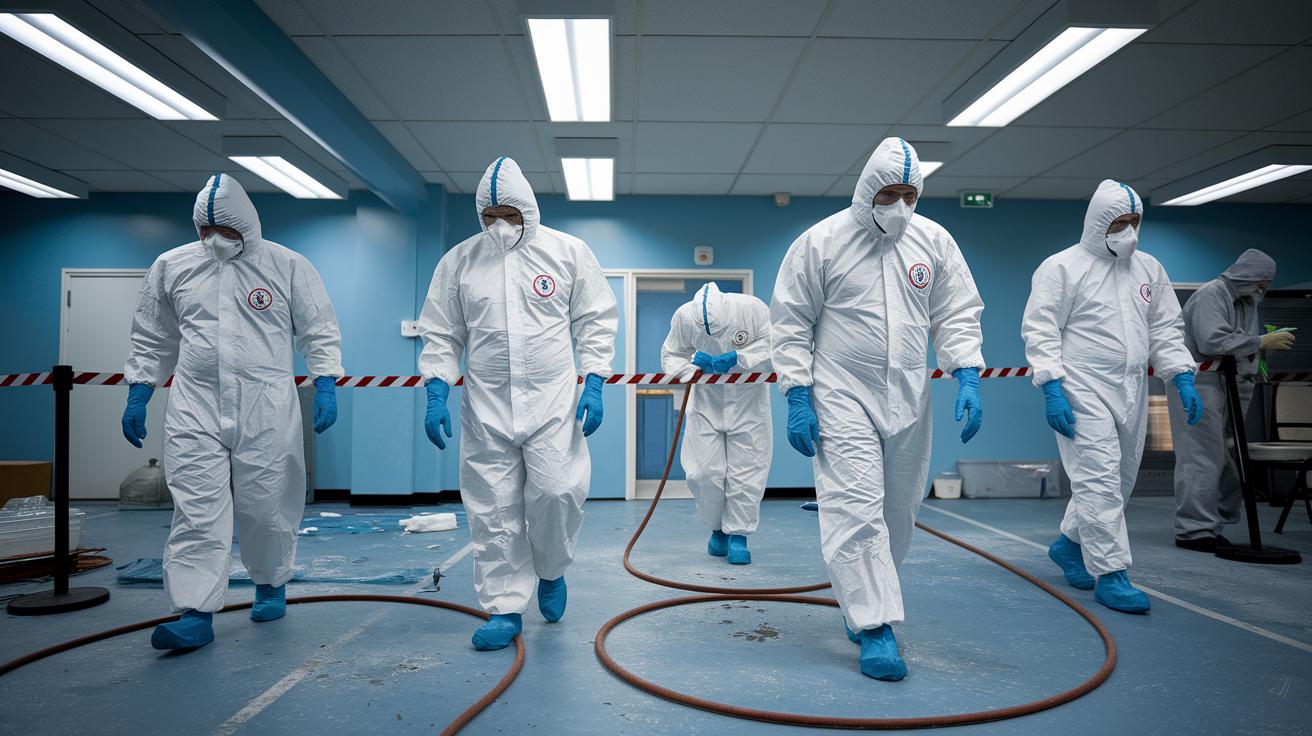
If biohazard cleanup procedures are not followed correctly, legal and financial issues may arise. When contaminated materials are handled improperly, both homeowners and businesses can face heavy fines, lawsuits, and damage to their reputations. In addition, poor disposal methods may expose people to dangerous germs and chemicals, which can lead to health problems. This improper handling can also hurt the environment and create long-lasting issues for the community. Following the right cleanup steps is key to keeping everyone safe and healthy.
Agencies play an important role in making sure safety rules are followed during biohazard cleanup. OSHA (Occupational Safety and Health Administration) sets rules to protect workers, while the EPA (Environmental Protection Agency) works to control waste so it does not harm nature. Local health departments also have rules that guide how to manage hazardous waste safely. Keeping clear records, such as chain-of-custody logs and incident reports, meets legal requirements and builds a transparent history for future reviews or investigations.
Personal Protective Equipment Protocols in Biohazard Cleanup Procedures
Using the proper protective gear is our first step in keeping you safe during a biohazard cleanup. We use personal protective equipment (PPE) to block dangerous contaminants like bloodborne germs and strong chemicals. Every piece of your gear matters when you work in these environments. The right equipment reduces the chance of getting exposed again and helps our cleanup crew work quickly and safely. Choosing high-quality gear can make all the difference when it counts.
Our standard kit includes a full-body hazmat suit with sealed seams to keep harmful substances out. We also use respirator masks rated N95 or higher, which filter out dangerous airborne particles. Nitrile gloves protect against infectious materials, and splash-resistant goggles shield your eyes from accidental splashes. Chemical-resistant boots cover you from spills and wet areas. It is also important to follow a proper sequence when putting on and taking off your gear. This careful process helps stop any residue from moving to safe areas. For more detailed guidelines on choosing PPE and safe practices, please check biohazard cleanup ppe requirements.
Decontamination Methods and Equipment in Biohazard Cleanup Procedures
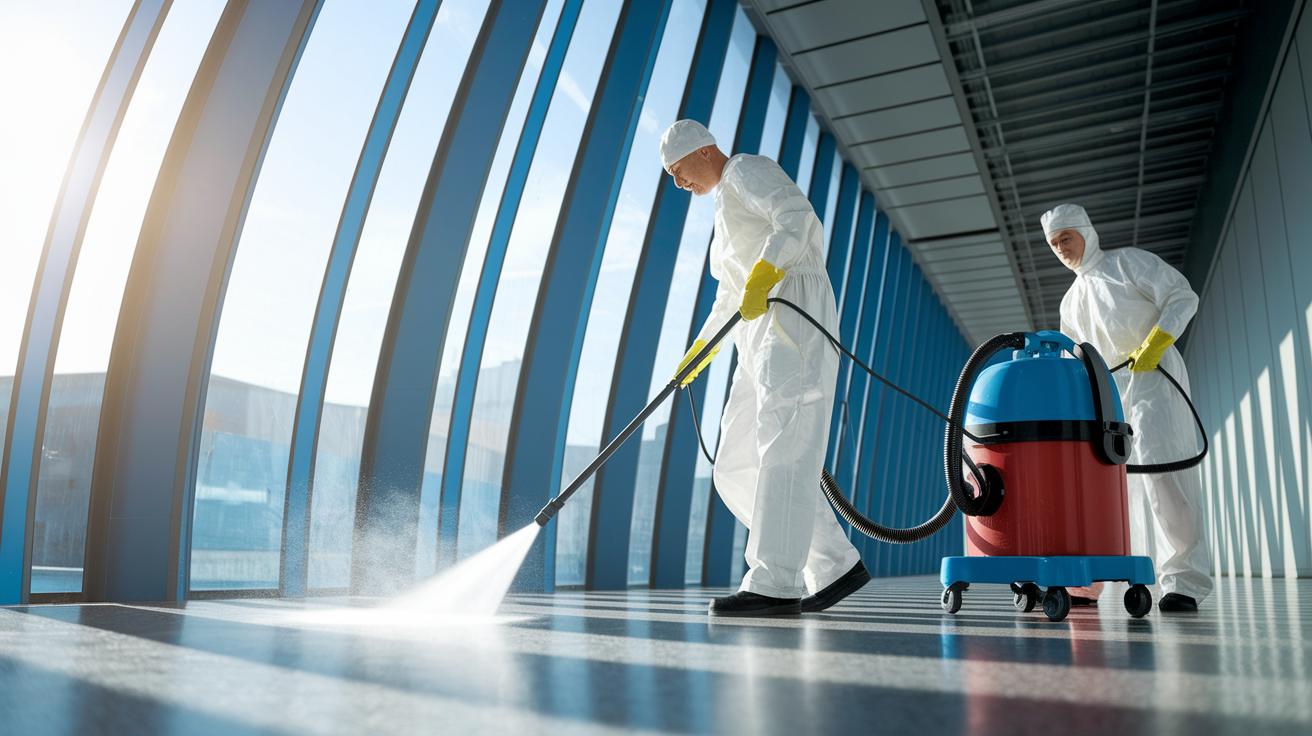
Our cleanup plan focuses on disinfecting thoroughly and removing hazardous materials fast. We use trusted cleaning methods with modern tools to protect everyone on site. First, we apply a bleach solution mixed in a 1 to 10 ratio. This mix kills a wide range of viruses and bacteria on hard surfaces. We also use vacuums with HEPA filters (high efficiency air filters) to pull harmful particles from carpets and fabrics. Additionally, fogging machines release a disinfectant mist that reaches tight spots and crevices. These steps work together to kill dangerous germs and lower the chance of spreading contamination.
| Method | Application | Key Parameters |
|---|---|---|
| Bleach Solution | Hard surfaces | 1:10 ratio, 10-minute contact |
| HEPA Vacuuming | Carpets & fabrics | Low-flow setting, HEPA filter |
| Disinfectant Fogging | Crevices & equipment | ULV fogger, 30-second dwell |
We also use equipment that stops the spread of germs in the air. Negative-pressure systems create a safe zone by keeping contaminated air inside. Air scrubbers capture leftover particles to freshen the air further. By using these tools with our cleaning techniques, we respond quickly to any biohazard situation. This combined method meets safety guidelines and helps protect people by reducing their exposure to harmful materials.
Waste Disposal Protocols in Biohazard Cleanup Procedures
When working with contaminated materials, start by sorting the waste into clear groups. Items like needles and broken glass (known as sharps) must be kept separate from other waste. Soft materials go in red biohazard bags, and all sharps are placed in clearly labeled containers. We package each item carefully, sealing and labeling them to prevent leaks and cross-contamination. This careful sorting helps lower risks and ensures that every kind of waste gets the right treatment for a safe cleanup.
After packaging, we transport the waste following local EPA and OSHA rules. The waste goes to licensed treatment facilities where it is handled safely. During transport, we keep everything sealed and well-labeled so there is no accidental release of contaminants. Sticking to these protocols meets legal standards and reduces the chance of exposure, making the cleanup both compliant and effective.
Documentation and Quality Control in Biohazard Cleanup Procedures
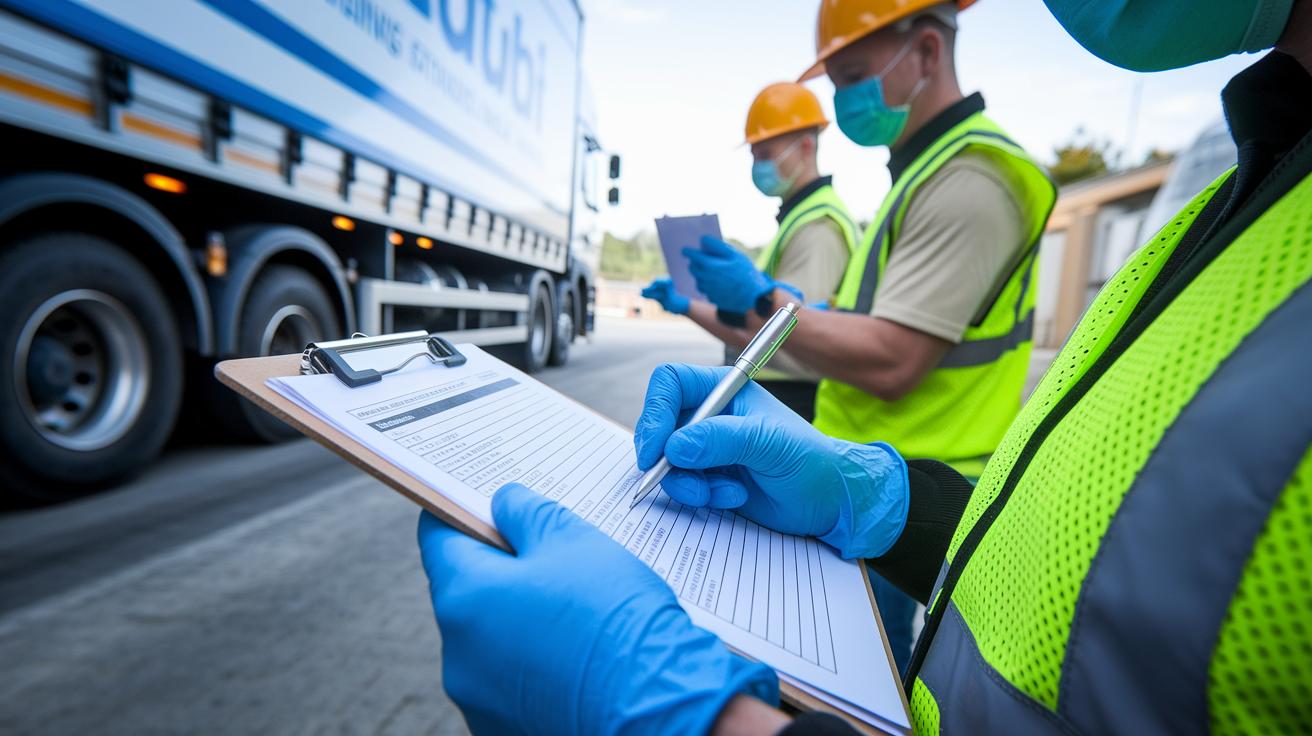
We keep clear records of every cleanup step. Our logs include the date, time, names of team members, the protective gear used (like gloves and masks), and the types of materials removed. These records help us track each action and confirm that every step is done safely. We also complete chain-of-custody forms that record the secure transfer of waste to authorized disposal sites. Each document shows that we followed all safety and record-keeping rules. This thorough documentation builds trust and provides strong support for legal and insurance reviews.
After cleanup, we perform surface swab tests and air monitoring. These checks confirm that the area is free of harmful contaminants. We also conduct audits to review our records and cleanup methods. The audits include cross-checks of incident logs, chain-of-custody forms, and test results. This detailed review guarantees that our cleanup meets high quality standards and that we maintain accurate records for our clients.
Training and Certification Requirements for Biohazard Cleanup Procedures
Every technician involved in biohazard cleaning must finish required OSHA courses. These classes teach you how to safely handle contaminated materials, including bloodborne pathogens (germs that can cause serious illness). The lessons cover how to spot hazards, use personal protective equipment (PPE) correctly, and properly dispose of waste. For example, one tip is to always check your PPE before entering a contaminated area. This online training ensures that technicians understand the key safety steps to lower risks during cleanup.
New technicians also take online training modules that build on OSHA guidelines for biohazard response. Certifications from organizations like IICRC and ABRA (groups that set cleaning standards) confirm that technicians have the skills needed for safe biohazard cleanup. Technicians must renew their certifications every two years and learn updated protocols during recertification. These programs help maintain high safety standards by teaching the latest techniques and rules. Continuing education supports technicians in managing risks and staying current on best practices for biohazard remediation.
Innovations and Best Practices in Biohazard Cleanup Procedures

We use robotic scrubbers to keep our crew safe while cleaning high-risk areas. These machines get into spots that are hard to reach for people. They are controlled remotely, so they remove harmful residues without exposing anyone to danger. Even in tight or risky spaces, these scrubbers clean thoroughly.
We also use UV-C units and antimicrobial surface coatings to fight germs. UV-C light kills microbes on surfaces in just a few minutes, while the special coatings offer a continuous barrier that stops bacteria and viruses from coming back. This extra protection reduces the need for constant cleaning and helps maintain safety everywhere.
Recent studies show that using these tools together can cut cleanup times by up to 30% and lower long-term risks. Field reports confirm that these innovations speed up restoration, reduce costs, and keep homes and businesses safer.
Final Words
in the action, our guide showed how careful planning and clear steps make cleanup safe and effective. We discussed risk assessment, proper containment, and the need for detailed documentation in every phase. Following biohazard cleanup procedures minimizes damage and speeds up the return to normal. With the right tools and smart execution, each step works together to bring lasting results. Stay positive and trust that these clear, proven methods help get your property back to its best condition.
FAQ
What are biohazard cleanup procedures pdf?
The term “biohazard cleanup procedures pdf” refers to downloadable documents that outline step-by-step instructions for safely removing hazardous biological materials.
What do free biohazard cleanup procedures offer?
Free biohazard cleanup procedures provide guidelines and checklists that help professionals learn safe and effective methods to remove biohazard contaminants.
What is included in a biohazard cleanup procedures checklist?
A biohazard cleanup procedures checklist covers essential steps like risk assessment, use of PPE, decontamination methods, waste categorization, and final clearance to ensure safe cleanup.
What does OSHA biohazard cleanup training involve?
OSHA biohazard cleanup training involves learning safe work practices, hazard identification, proper PPE use, and compliant waste handling to protect workers and meet regulatory standards.
What should you spray the area with when cleaning up a biohazard spill?
When cleaning up a biohazard spill, you should spray the area with a bleach solution diluted at a 1:10 ratio to disinfect surfaces effectively and reduce pathogen risk.
What is a biohazard cleanup certification?
A biohazard cleanup certification verifies that technicians have completed specialized training and meet the standards for safely handling and decontaminating hazardous biological materials.
What are biohazard cleanup jobs?
Biohazard cleanup jobs involve safely removing and decontaminating materials exposed to biological hazards, following strict protocols and regulatory standards to protect public health.
How does biohazard cleanup salary compare?
Biohazard cleanup salary varies by location and experience, typically reflecting the technical skills and safety requirements needed for effectively handling hazardous materials.
What are the steps for biohazard cleanup?
The steps for biohazard cleanup include risk assessment, site isolation, PPE setup, surface decontamination, waste removal, and final clearance testing to ensure thorough remediation.
What are the OSHA regulations for biohazard waste?
OSHA regulations for biohazard waste require proper classification, use of certified PPE, safe handling and transport, and detailed documentation to maintain workplace safety and regulatory compliance.
What is the procedure to clean biohazardous spills?
The procedure for cleaning biohazardous spills involves assessing the hazard, securing the area, wearing the correct protective gear, disinfecting surfaces, removing contaminated waste, and verifying decontamination.
What does a biohazard cleanup include?
A biohazard cleanup includes assessing risks, isolating the site, using PPE, decontaminating surfaces with appropriate disinfectants, safely disposing of waste, and performing quality control checks.