
Even a small patch of mold deserves a closer look. Mold spreads quickly and can turn a simple issue into a bigger problem. Local experts inspect your home thoroughly, use tests (to check for hidden moisture), and follow proven methods to safely remove the mold. They set up barriers to keep mold from coming back and fix moisture problems so it cannot thrive. Read on to learn how professional mold cleanup can protect your home and give you peace of mind.
mold remediation specialists: Trusted Local Experts
Our team provides a full range of services to restore your home quickly and safely. We start with a careful inspection and testing to learn about the mold and see how far it has spread. We use advanced tests to find both visible mold and hidden fungal spores. Next, we set up secure barriers and use a negative pressure system to stop the mold from reaching other areas. We then remove any affected materials and address moisture issues to help stop future mold from growing. Finally, we check our work with follow-up testing to confirm that spore levels are safe.
Mold can start growing in as little as 48 hours after water damage. That is why we offer emergency mold remediation services every day of the year. With over 2,370 local franchises in the U.S. and Canada, our nearby teams respond fast and adjust to your needs. We are certified mold removal professionals who follow strict safety rules. Our goal is to lower mold spore counts to safe levels and mitigate further damage.
- Mold inspection and fungal detection
- Setting up control barriers and negative pressure systems
- Identifying and controlling moisture sources
- HEPA vacuuming (strong air filter cleaning) and antimicrobial cleaning
- Post-remediation clearance testing
Every project gets a custom treatment plan that fits your unique situation. We keep you informed throughout the process so you feel confident in the steps we take to restore a safe and healthy home.
Why Certification and Compliance Matter for Mold Remediation Specialists

Certified technicians use important credentials like IICRC (industry restoration standards) and EPA-approved methods to make sure every cleanup meets strict safety rules. By following EPA mold removal guidelines and the IICRC S520 standard, each step, from inspection to final clearance, is planned to protect your home. These guidelines provide a basic level of safety that DIY mold work may miss. Certifications also confirm that the technician is trained to spot and handle both visible mold and hidden mold toxins.
Independent third-party tests and professional audits add extra assurance. These tests show that mold spore counts have dropped to safe levels and that every step of the process is well documented. This review gives homeowners peace of mind by holding service providers accountable.
Our specialists follow strict safety rules when dealing with dangerous black mold and other toxins, such as Stachybotrys chartarum. They use proper personal protective equipment (gear that keeps them safe), set up secure barriers, and use safe cleaning methods to stop the mold from spreading. These steps reduce risks and protect everyone during and after the cleanup. Our certified professionals consistently pass tough audits, reinforcing the reliability of our services.
Step-by-Step Mold Remediation Process by Specialists
If mold has invaded your home, our skilled team follows eight clear steps to restore your space safely. We use proven methods to control moisture and keep mold from spreading, ensuring your home stays secure and healthy.
-
Inspection and Sample Testing
We begin by checking the trouble area carefully. Our team takes samples to determine the mold type and how far it has spread. For example, we might examine a damp corner with a sour, musty smell and collect a sample to see how widespread the mold is. -
Moisture Detection and Leak Stoppage
We use moisture meters and thermal cameras (tools that find hidden dampness) to look for any leaks or damp spots. Once we find a leak behind a wall or under flooring, we fix it right away to stop more moisture from entering. -
Setting Up Containment Barriers
Next, we install negative-pressure machines (devices that create an inward airflow) to keep mold spores contained in the affected area. This step helps prevent spores from drifting into other parts of your home. -
Disabling the HVAC System
To stop mold spores from traveling through your home, we turn off the heating and cooling system and seal off the ducts until the work is done. -
Removing Damaged Materials
We carefully remove any materials that cannot be saved. This helps lower the amount of mold and makes our cleanup more effective. -
Deep Cleaning with HEPA Vacuuming
We then use HEPA-filtered vacuums (vacuum cleaners with high efficiency air filters) to capture tiny mold spores. After vacuuming, we thoroughly clean the area to remove any residue. -
Applying a Safe Mold Treatment
We apply a proven, non-toxic solution that targets mold while protecting your indoor air quality. This treatment works to ensure that mold does not return. -
Final Air Testing and Certification
Finally, we run air tests to check that the mold spore levels are safe. Once the tests are clear, we provide you with a certificate that confirms the area has been successfully remediated.
Every step is recorded with clear notes and quality checks. We keep homeowners updated throughout the process and explain our findings in simple terms. This careful approach not only clears the current mold but also helps prevent future growth by tackling moisture issues at their source.
Real-World Case Studies: Success with Professional Mold Remediation Specialists
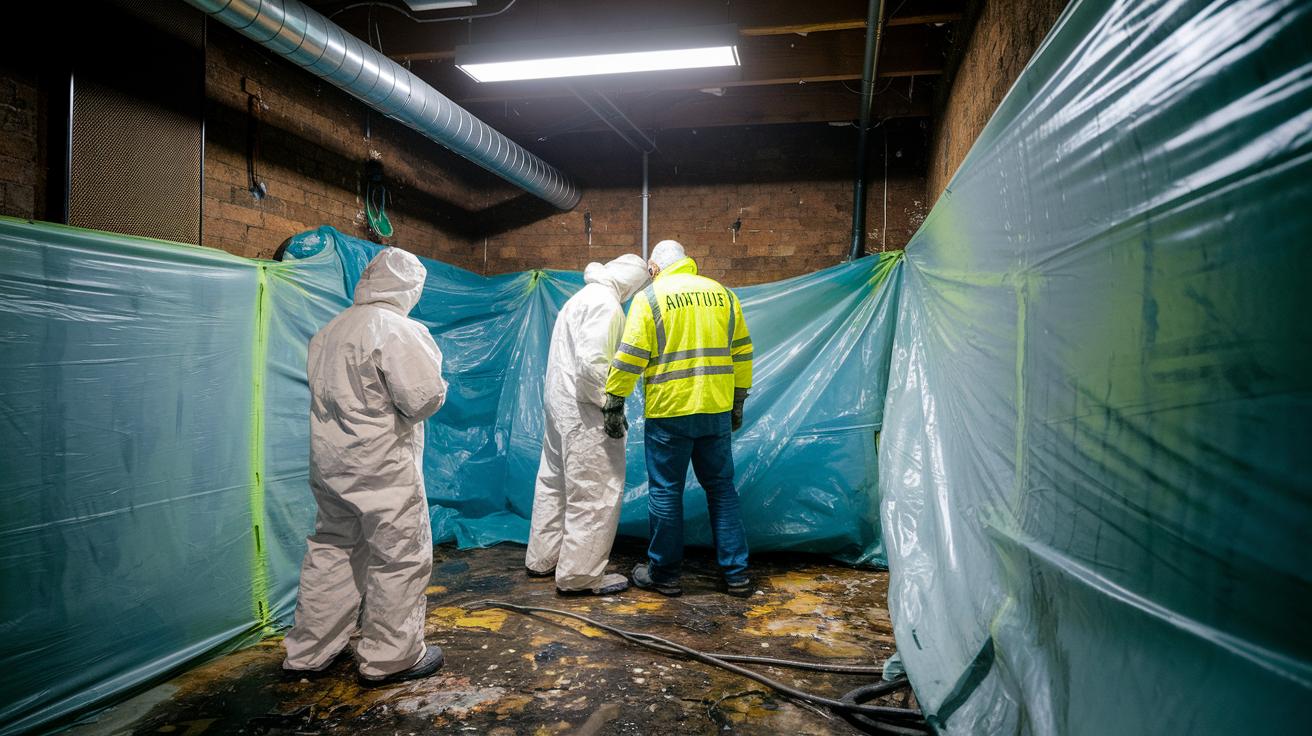
Residential Basement Mold Cleanup
In Fort Pierce, our team handled a serious mold problem in a home's basement. The homeowner said water entered the basement after heavy rain, causing mold to spread quickly. We acted fast. First, we set up barriers to keep the mold contained. Then, we cleaned the area thoroughly. One spot had a damp corner with a sour, musty smell that showed hidden mold spores.
Our cleanup steps included:
- Sealing leaks and directing water away to stop further intrusion.
- Using negative-pressure barriers (special walls that prevent mold spread) to contain the fungal growth.
- Setting up safe containment so mold did not spread to other areas.
- Running air tests after cleanup to ensure mold spore levels were safe.
We always complete a careful damage check and manage moisture fast to restore a healthy basement.
Commercial Office Remediation
On Hutchinson Island, we helped a business fix an office mold problem linked to their air system. Employees complained that their HVAC system (heating, ventilation, and air conditioning) was recirculating contaminated air. Our team quickly put in air-scrubbers (devices that clean the air) and cleaned surfaces with antimicrobial agents to stop the mold.
Key steps we took were:
- Finding and isolating the mold in the HVAC through targeted tests.
- Using air-scrubbers to rapidly lower mold levels in the air.
- Applying cleaning agents to surfaces to stop further mold growth.
- Completing clearance tests and providing certification that the office is safe again.
Both cases from Fort Pierce and Hutchinson Island highlight our more than 20 years of experience with mold challenges. We rely on thorough damage checks and careful air testing after cleanup so homeowners and business owners have peace of mind knowing their spaces are safe for everyday use.
Transparent Cost Estimates & Insurance Guidance from Mold Remediation Specialists
We prepare our estimates using a full inspection and damage review. Our technicians check the square footage, the level of mold spread, and the area affected to put together a free quote that fits your situation. For example, if we find a damp spot with a sour, musty odor, we note how much work is needed and list straightforward repair steps.
Costs can start at around $500 for small jobs and may reach $6,000 or more for larger projects. Many homeowners recover these expenses through their insurance, although the time to process a claim can vary. We also offer financing options to help you manage the cost of more extensive work.
We work closely with insurance adjusters to help smooth out your claim. Here are some cost-saving tips:
- Bundle services
- Address problems early to avoid extra damage
- Check humidity levels regularly (with a tool that measures moisture)
- Schedule seasonal inspections
FAQs: Hiring the Right Mold Remediation Specialists

-
How soon can mold appear after water damage?
Mold can start growing in as little as 48 hours after water damage. Quick action is important because even a small amount of moisture in a warm, humid spot can begin the mold growth process. -
What is the difference between mold removal and remediation?
The term mold removal can be misleading since mold spores are everywhere. Remediation means controlling moisture and lowering spore levels to safe limits, rather than trying to remove every single spore. -
Are health risks permanent after mold exposure?
Mold exposure might lead to allergies, worsen asthma, or cause breathing issues. With prompt and proper remediation, these risks can be greatly reduced. Keeping moisture under control is the key to preventing further exposure. -
Which certifications should I look for in a specialist?
Choose experts who follow IICRC (industry restoration standards) protocols and EPA-approved methods. Certifications in indoor fungus correction and allergen management show they have the training needed for safe and proper mold cleanup. -
How do I prepare my home before remediation begins?
Before technicians arrive, take out personal belongings from the affected area and clear a path. This makes it easier to work safely and helps keep the mold from spreading further. -
What is the typical duration of a remediation project?
How long a project takes depends on how much water damage there is and the moisture issues involved. Many projects finish in a few days, with extra time for tests to ensure mold spore levels are back to safe amounts.
Clear communication and detailed documentation will keep you informed at every step, ensuring effective control of mold in your home.
Coverage Areas & How to Contact Local Mold Remediation Specialists
We have a large network of cleanup experts in over 2,370 locations across the United States and Canada. A local mold removal team is always near you. Our in-house consultants and trusted regional contractors are ready to respond quickly to any mold concerns.
If you spot mold or need a detailed quote, please call our dedicated line at +1 (772) 223-4404. Our specialist will help you schedule a visit and answer your questions.
Our local service areas include:
- Fort Pierce
- Hobe Sound
- Hutchinson Island
- Palm City
- Port St. Lucie
- West Palm Beach
Call now for a free inspection or fill out our online form to schedule same-day service.
Final Words
In the action: Our outline showed how a step-by-step approach, from inspection and containment to HEPA cleaning and post-remediation testing, creates a clear path to safe re-entry. We highlighted the importance of a rapid, local response and transparent cost estimates that work with insurance claims. With solid guidance and steady communication, mold remediation specialists work hard to control moisture, reduce spore counts to safe levels, and restore your property quickly and safely. Let professional care bring comfort and stability back to your home.
FAQ
What are mold remediation specialists and how can I find the best one near me?
The mold remediation specialists are professionals trained to inspect, contain, clean, and control moisture to prevent mold regrowth. You can locate a top-rated, local expert through online reviews and certified directories.
What are the typical costs for mold remediation and who pays for it?
Mold remediation costs vary by damage extent, location, and square footage. Often, homeowner insurance covers some expenses. Getting free, no-obligation quotes helps establish a realistic budget and explore available financing options.
Is there a difference between mold removal and mold remediation?
The difference is that mold removal focuses solely on eliminating visible mold, while mold remediation includes containment, moisture control, and additional measures to prevent future growth and reduce spore counts.
What can mold remediation specialists reviews and complaints tell me?
Reviews and complaints offer insights into a specialist’s service quality, response times, and effectiveness. Reading verified testimonials helps ensure you choose a trustworthy, reliable professional for your mold cleanup needs.
What type of doctor should I see for mold exposure?
The appropriate doctor for mold exposure is usually an allergist or pulmonologist (lung specialist). They can evaluate respiratory symptoms, allergies, and other health concerns related to mold exposure, and provide the proper treatment.
What is the role of water mitigation specialists and companies like Service Master in mold removal services?
Water mitigation specialists focus on preventing water buildup that leads to mold, while companies like Service Master offer complete mold remediation and mildew removal services, including moisture control and thorough cleanup processes.