
Ever wonder which works best for fast water removal: a water extraction machine or a truck-mounted extractor? With more homes needing quick help after water damage, this question comes up a lot. One option packs heavy-duty power, while the other is more portable and budget-friendly. We break down how each tool performs, their costs, and which jobs they fit best so you can choose the right solution for your restoration project.
Comprehensive Comparison of Water Extraction Machine vs Truck-Mounted Extractor
Truck-mounted water extractors use a separate engine that delivers about 50 horsepower (a unit of power) and roughly 125,000 BTU per hour (a measure of heat). This power gets divided so that 20 horsepower drives the water and vacuum pumps, another 20 horsepower heats water using a heat recovery system, and 10 horsepower is lost to friction and radiant heat. The machine uses about 1 gallon of gasoline per hour. Its high mechanical and thermal power makes it a top choice for large restoration projects where strong performance and fast water removal are needed. Although these machines can cost three to five times more than other options, they are favored in commercial cleanups because of their high capacity and efficiency.
Portable extractors, such as DryMaster’s 12-gallon electric model, offer a more budget-friendly alternative at around $5,192. These units run on electricity and provide lower suction and heat compared to truck-mounted extractors. They are easy to transport and set up, which makes them a great option for small jobs, home restoration, and places where gasoline or heavy equipment is not available. Even though drying times might be longer with portable systems due to their reduced power, they consistently deliver professional-level results.
Both truck-mounted and portable extractors have distinct advantages. The best choice depends on the job size, your budget, and the specific needs of the restoration project.
Performance Metrics: Power Output, BTUs, and Suction CFM in Extraction Equipment
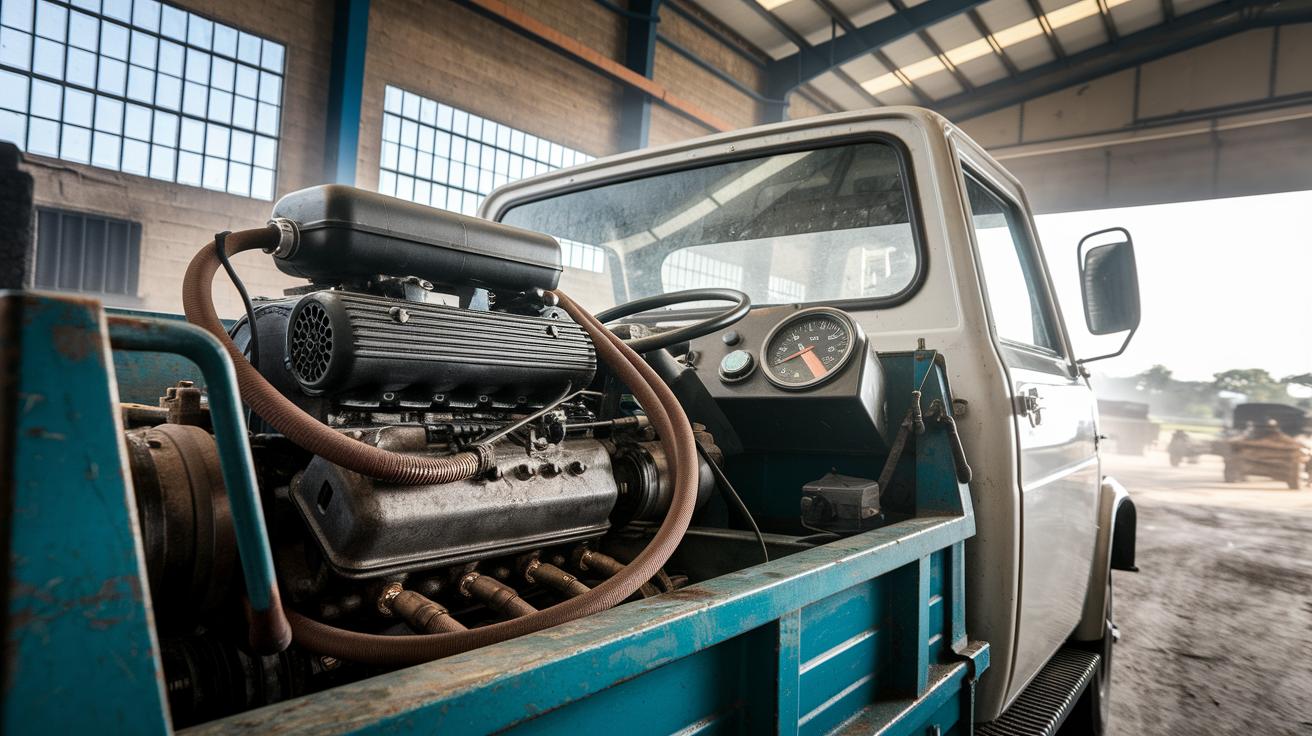
Truck-mounted extractors have their own engine that provides around 50 horsepower. This engine produces about 125,000 BTUs per hour. Out of the total power, 20 hp runs the water and vacuum pumps, another 20 hp is used for heat recovery, and about 10 hp is lost to friction. In comparison, portable extractors rely on electrical systems. Their pumps create roughly 300 to 400 CFM of vacuum and work at lower pressure, which can mean longer drying times.
| Metric | Truck-Mounted Extractor | Portable Extractor |
|---|---|---|
| Power Output | ~50 hp | Depends on electrical system |
| BTU Output | 125,000 BTU/hr | Lower heat capacity |
| Suction (CFM) | High suction capacity | 300–400 CFM |
| Pump Pressure (PSI) | Optimized for high flow | Lower PSI |
This table shows that truck-mounted extractors deliver greater power and heat, making them a better choice for big recovery jobs. Portable extractors work well for smaller tasks but offer lower suction and pump pressure.
Capacity and Efficiency in Water Extraction Systems
We have updated our Equipment Overview section to include a detailed look at truck-mounted systems versus portable extractors. This update shows clear numbers on water flow, capacity, and drying speeds so you can see the full picture. For example, in a flooded warehouse, our truck-mounted system runs continuously, which helps cut down drying time during major water damage.
Cost Analysis: Upfront Investment, Maintenance, and Return on Investment
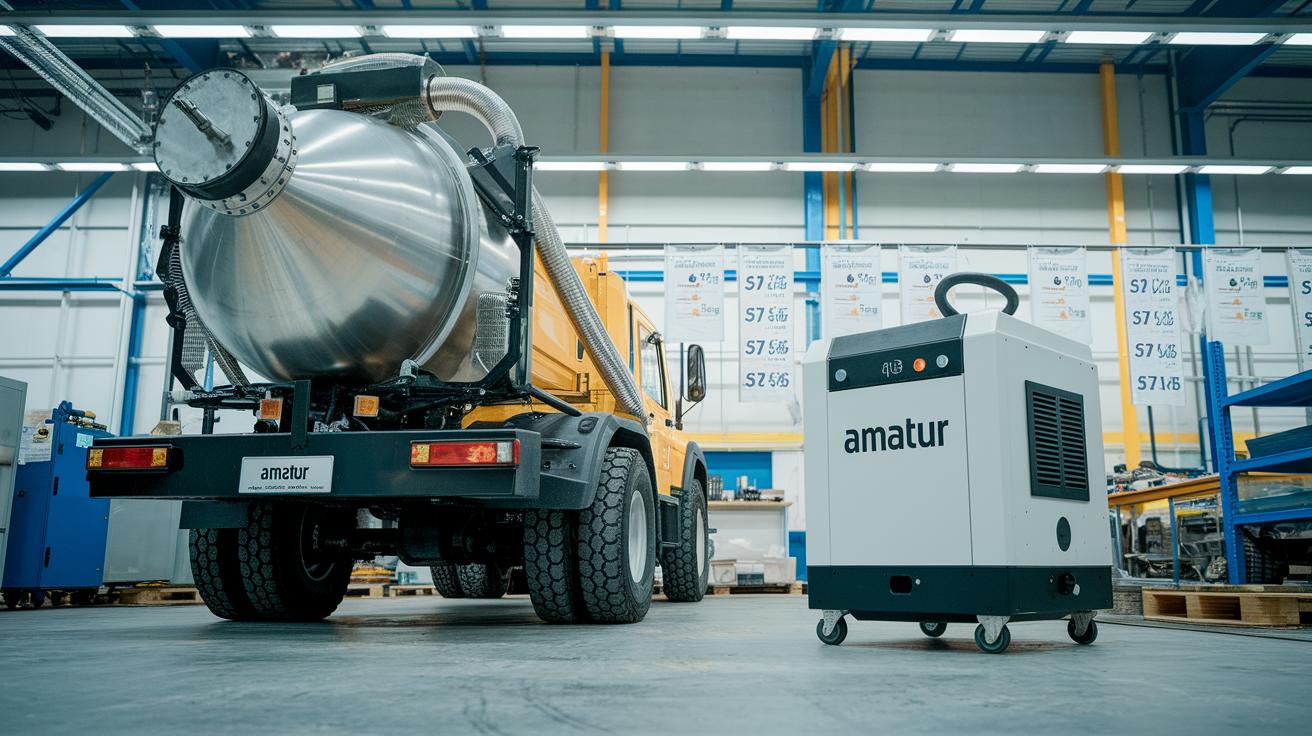
Understanding the financial impact of your extraction system is crucial. You need to weigh the costs of truck-mounted extractors against portable models. We look at factors like the purchase price, energy use, upkeep, labor, and how many jobs it takes to earn back your investment. These details help you decide if a truck-mounted unit's higher cost is worth its stronger performance. For example, a truck-mounted extractor that costs about $27,950 may need roughly 155 service jobs at $180 each to pay off. In contrast, a portable extractor costing around $5,192 might break even after about 29 jobs.
- Purchase Price: Truck-mounted extractors require a bigger initial spend, roughly $27,950, compared to portable models at about $5,192. This price difference includes the cost for a standalone engine and a more powerful cleaning capability.
- Fuel or Electricity: Truck-mounted units often run on gasoline and may use about 1 gallon per hour. On the other hand, portable systems run on electricity, which generally means lower operating costs.
- Maintenance: The upkeep for a truck-mounted system is higher, with an average cost of $1.50 per production hour or around $180 to $240 each month. Portable extractors usually need only routine checks and occasional filter cleaning.
- Labor: Using a truck-mounted system might involve extra labor since it is a whole vehicle setup. Portable extractors are built for quick setup and easy handling, which can save time on the job.
- Break-even Analysis: Truck-mounted extractors might need about 155 jobs to cover costs, while portable models may break even after only around 29 jobs. It is important to estimate how many jobs you expect to complete before choosing the equipment that fits your business best.
Maneuverability and Installation Requirements for Portable vs Truck-Mounted Extractors
Truck-mounted extractors are built into service vehicles like vans or trucks. They stay in place permanently and have their own engine and equipment. These units need proper airflow to keep the engine working safely. They also require creating openings in walls for hose access, which makes the installation more involved. This type of extractor works best where a fixed setup is available and when you need extra power for big jobs.
Portable extractors have a plug-and-play design that makes them quick to set up and easy to move. They are lightweight and ready to deploy in many settings. They are especially useful in places where access is limited, such as tall apartment buildings or confined areas. You can move them easily from one spot to another, offering a flexibility that truck-mounted systems lack.
Key points to consider include:
- Permanent versus temporary installation needs
- Requirement for dedicated space in a service vehicle
- Ventilation and safety measures
- Fit with wall openings and building design
- Ease of transport into tight or challenging spaces
Durability and Maintenance: Longevity Comparison of Extraction Equipment
Truck-mounted extraction systems are built tough and can run for more than 10 years if cared for properly. Regular tune-ups by professionals and timely filter replacements keep these machines working at their best. Taking care of a truck-mounted unit means you must follow a strict service plan to ensure its engine, pumps, and heating systems stay within safe limits. For instance, experts often check and replace filters every few months so the engine continues to run smoothly.
Portable extractors usually have a lifespan of 5 to 7 years. They need periodic pump seal inspections and regular filter cleanings to maintain their performance. With their simpler design, the initial cost is lower, but you can expect to perform maintenance more frequently. Also, replacement parts and service support can vary by brand. It is important to verify that you can easily obtain parts and assistance when you need them. Comparing these options helps you plan long-term by understanding the durability and upkeep required for each type of extraction equipment.
Water Extraction Machine vs Truck Mounted Extractor: Unbeatable
Residential Use Cases
Homeowners often turn to portable extractors when dealing with water damage from burst pipes, basement floods, or carpet cleaning. These units are easy to set up and move around in tight spaces like high-rise apartments or basements. Their compact design and plug-in operation help stop further water damage and speed up repairs. For example, if a leak in a high-rise apartment needs immediate water removal, a portable unit can be deployed quickly without any major changes. This fast response reduces downtime and eases the stress during emergency repairs.
Commercial Use Cases
Truck-mounted extractors are the top choice for large-scale water removal in commercial settings. They are built for tough jobs such as warehouse floods, major roof leaks, or industrial water damage. With strong engines and onboard water tanks, these units can work continuously over large areas. In places like big office complexes or factories, they remove heavy loads of water fast to cut down overall damage. Emergency teams use truck-mounted extractors for disaster recovery (this means quick work when water threatens a building's structure) because they provide the power needed for demanding tasks. Their strength and reliable performance reduce the need for multiple visits, saving both time and money during extensive repair projects.
water extraction machine vs truck mounted extractor: Unbeatable
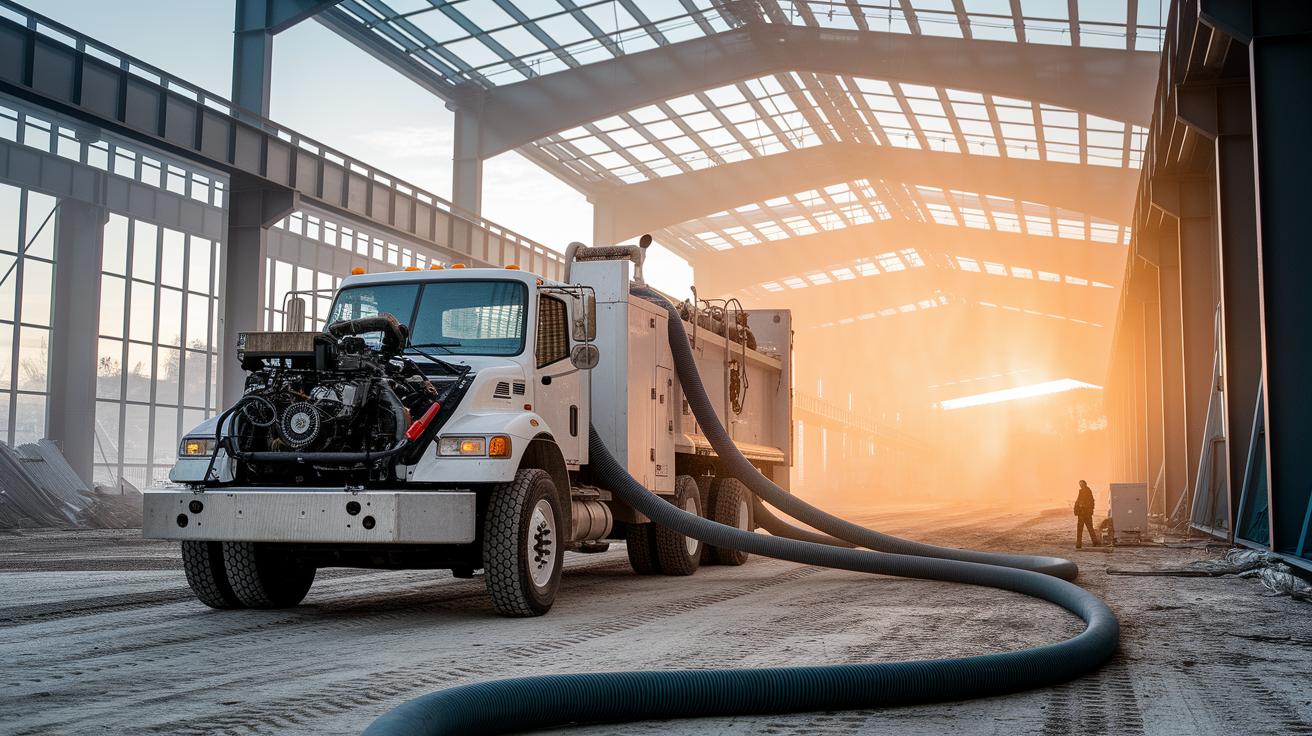
Experts say truck-mounted systems dry out water damage much faster. They use their own engines, sensors that control heat (automated temperature control), and designs that lower noise. These systems work best on large projects that need continuous, heavy-duty work.
Today’s portable extractors also pack a punch. They use modern heat and suction power to work well in tight, hard-to-reach spots. One expert explained, "Truck-mounted units are the workhorses on major projects, but portable models still deliver steady, high-quality results." One technician added that portable extractors shine when accessing small, difficult areas.
Homeowners and business owners are both happy with their systems. Homeowners appreciate that portable extractors are easy to move and quick to set up, even if their suction power is a bit lower. Meanwhile, business clients say truck-mounted systems offer the strong, fast response needed to recover from serious water damage. One customer noted, "During a major flood, our truck-mounted system worked so well that it greatly reduced our downtime."
In the end, the best option depends on how big the job is, what your needs are, and the cost.
Visualization: Charts and Tables for Quick Reference in Equipment Comparison
Charts and tables let you quickly see the main differences between truck-mounted and portable extractors. Picture a bar chart that shows cost, power output, gallons per minute capacity, and drying times side by side. This clear view helps you see what each system does well and where it may fall short.
| Feature | Truck-Mounted | Portable |
|---|---|---|
| Cost Efficiency | Higher investment | Budget-friendly |
| Power & Performance | High horsepower; fast drying | Lower power; slower drying |
| Application | Large-scale, commercial jobs | Residential and tight spaces |
| Flexibility | Fixed installation | Highly portable |
A bar chart may show numbers or percentages to bring out the differences. It helps you see how much more you might pay for a truck-mounted system and the trade-off in drying speed. These simple visuals make it easier to compare each option without getting lost in details. Use them to pick the right equipment for your water damage removal job.
Final Words
In the action, we broke down the differences between extraction systems, explaining performance, capacity, cost, installation, and durability. We compared key metrics, from power output to run-time efficiency, using clear numbers and real-world examples. Our discussion highlighted how each system, whether a portable unit or one in a truck, suits various job sizes. When comparing water extraction machine vs truck mounted extractor, you can choose the right tool for your needs. Embrace the next steps with confidence, knowing you’re set to make an informed decision.
FAQ
Is truck mounted carpet cleaning better?
Truck-mounted carpet cleaning is better because it uses a powerful standalone engine that delivers high suction and deep water extraction, making it ideal for large-scale or heavy-duty cleaning tasks.
What is the most effective carpet cleaning method?
The most effective carpet cleaning method is extraction cleaning since it removes deep-seated dirt and allergens by combining water application with powerful extraction, ensuring a thorough clean and faster drying time.
What’s the difference between an extractor and a carpet cleaner?
The difference between an extractor and a carpet cleaner lies in their operation; an extractor uses high-powered water extraction for deep cleaning, while a carpet cleaner often focuses more on surface-level cleaning with cleaning solutions.
Is an extractor vacuum worth the investment?
An extractor vacuum is worth the investment because its deep extraction power significantly cuts cleaning time and improves overall carpet hygiene, saving money on potential replacement and maintenance in the long run.