
Blood spills might seem small, but they can hide serious dangers. Cleaning them up the right way stops germs from spreading infections. We use a five-step plan to keep you safe. First, we secure the area to keep people away. Next, we soak up the liquid with the proper tools. Then we apply EPA-approved disinfectants (safe cleaning agents) to kill any remaining germs. A simple mop just doesn't do the job here. Each step is designed to protect both responders and bystanders from harm. Let's explore these safe spill solutions and see how they make a real difference.
blood cleanup procedures: Safe Spill Solutions
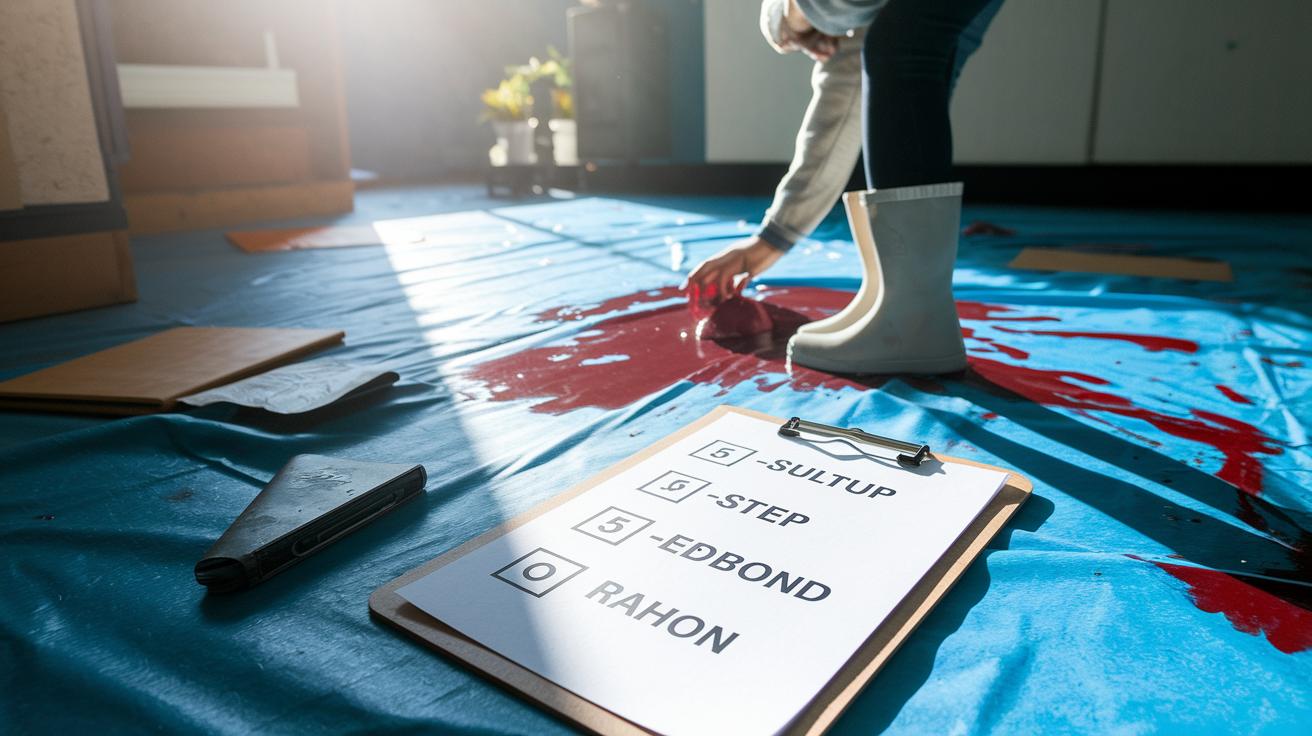
Blood cleanup procedures are essential to keep you safe from harmful germs in blood. Blood can carry bacteria and viruses that make people sick. A simple mop will not remove these dangers. Instead, we use a clear five-step plan that follows safety rules to lower any risks.
A safe blood cleanup involves:
- Block off the area to keep others away and avoid spreading the blood.
- Remove extra liquid with absorbent materials that soak up the blood quickly.
- Use a disinfectant approved by the Environmental Protection Agency (EPA) and let it sit so it can kill any germs.
- Clean all the tools and reusable equipment used in the cleanup.
- Check that the area is safe by doing a visual look-over or using an ATP test (a test that shows if any germs remain).
Each of these steps is important. For example, using the right disinfectant does more than just wiping down the surface; it makes sure that any germs left behind are killed. Before becoming a famous scientist, Marie Curie even carried radioactive materials in her pockets because she did not know the risks. This surprising fact reminds us why every step in our process matters.
Following this plan helps protect responders and others. It meets cleanup guidelines and stops infections from spreading.
Essential PPE and Blood Spill Cleanup Kits
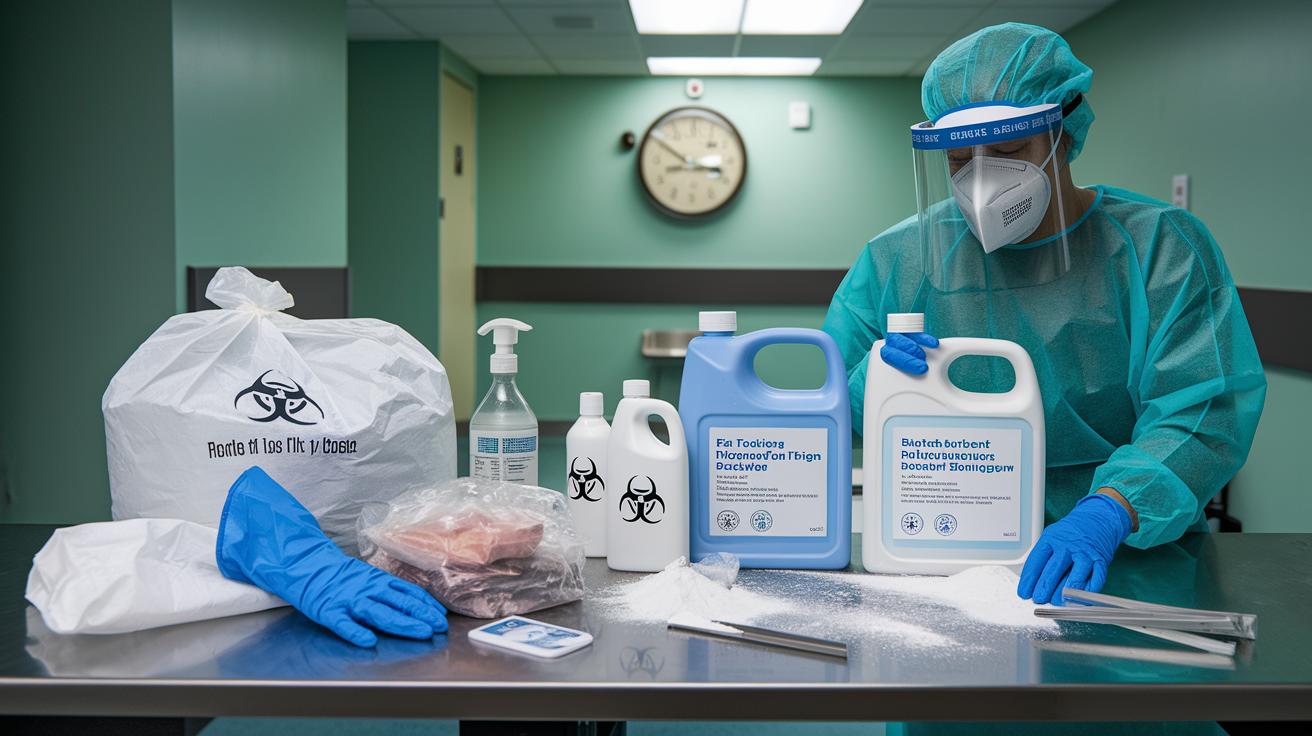
When cleaning up blood spills, using the right gear is a must. Always wear single-use nitrile gloves to handle contaminated items safely. A fluid-resistant gown keeps your clothes clean, and face shields or goggles along with an N95 mask help protect your eyes and lungs from dangerous germs. This gear is your first line of defense against infection.
You also need to use a Bloodborne Pathogen Cleanup Kit that meets OSHA guidelines. These kits come with absorbent powders that quickly soak up spilled fluids. They include tongs for picking up contaminated items and biohazard bags for safe disposal. EPA-registered disinfectants are part of the kit too; they are selected to match the spill size and location for effective germ removal. For more details on what each kit contains, please check the biohazard cleanup process link provided.
Always stick to safety rules when putting on your protective gear and setting up your cleanup kit. Once the job is done, throw away single-use items properly and clean any equipment that you can reuse. Make sure to follow the manufacturer's instructions for every item and check them carefully for any damage before you use them again.
Step-by-Step Blood Spill Cleanup Procedures
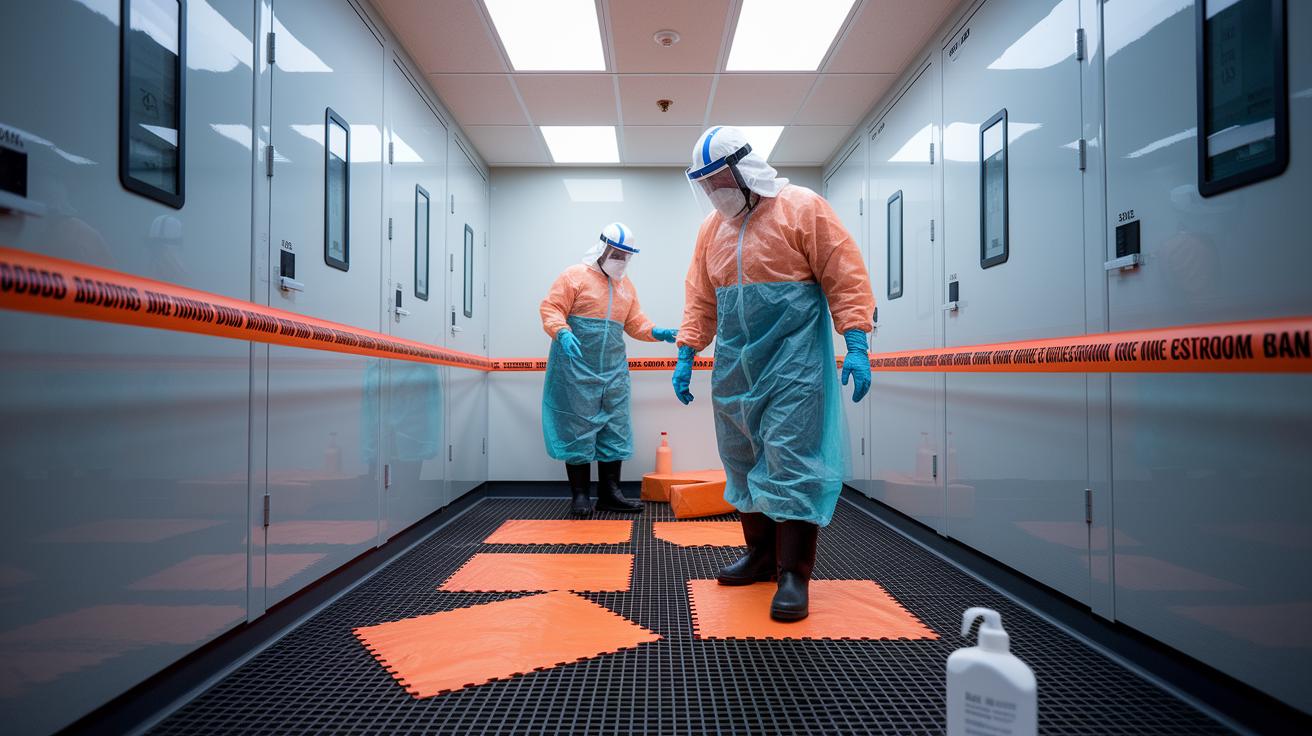
Before you enter the spill area, put on your personal protective equipment (PPE). This means wearing new nitrile gloves, a gown that resists fluids, a face shield, and an N95 mask.
-
Block off the area. Use physical barriers or warning signs to stop anyone from entering the zone and spreading contaminants.
-
Remove excess liquid. Use disposable absorbent pads or powder to soak up the fluid fast, helping to prevent further contamination.
-
Use an EPA-approved disinfectant (a cleaning product approved by the Environmental Protection Agency). Spread it evenly over the spill and let it sit for about 10 minutes to kill any remaining germs.
-
Clean your tools. Wipe down mops, brushes, and any reusable equipment with the disinfectant to remove all traces of contamination.
-
Check your work. Do a careful visual inspection and use an ATP test (a quick test to find germs) to ensure the area is fully cleaned before normal activity resumes.
Blood Cleanup Procedures for Various Surfaces and Settings

Non-absorbent Hard Surfaces
For hard floors like tile, vinyl, and metal, start by using an EPA-registered disinfectant spray or wipe. Spray the area well and scrub away any blood or stains. Let the disinfectant sit on the surface for at least 10 minutes so it can work on killing germs. One technician shared, "After scrubbing ceramic tiles, I set a timer for 10 minutes to make sure the disinfectant has enough time to work. This simple step helps avoid having to clean again later."
Carpeted and Upholstered Materials
Cleaning carpets and upholstered furniture is tougher because blood can penetrate deep into the fibers. In these cases, extraction machines and enzymatic cleaners (cleaners that break down organic materials) help remove most of the blood. If the fabric is very soaked, you might need to replace it. A technician explained, "Thorough extraction is like squeezing a soaked sponge; if too much liquid stays behind, complete disinfection is impossible." Acting quickly is very important.
Pools and Outdoor Areas
In a well-kept pool, chlorine levels (1 to 3 parts per million free chlorine) are enough to handle bloodborne germs, so no extra cleaning is needed. For outdoor spots like concrete or soil, start by cordoning off the spill area to keep people safe. Then, apply a hydrogen peroxide solution (a liquid used to clean and disinfect) directly on the spill, wait a short time, and rinse the area well. This method helps lower the chance of spreading germs.
Proper Disposal and Decontamination of Biohazardous Blood Waste
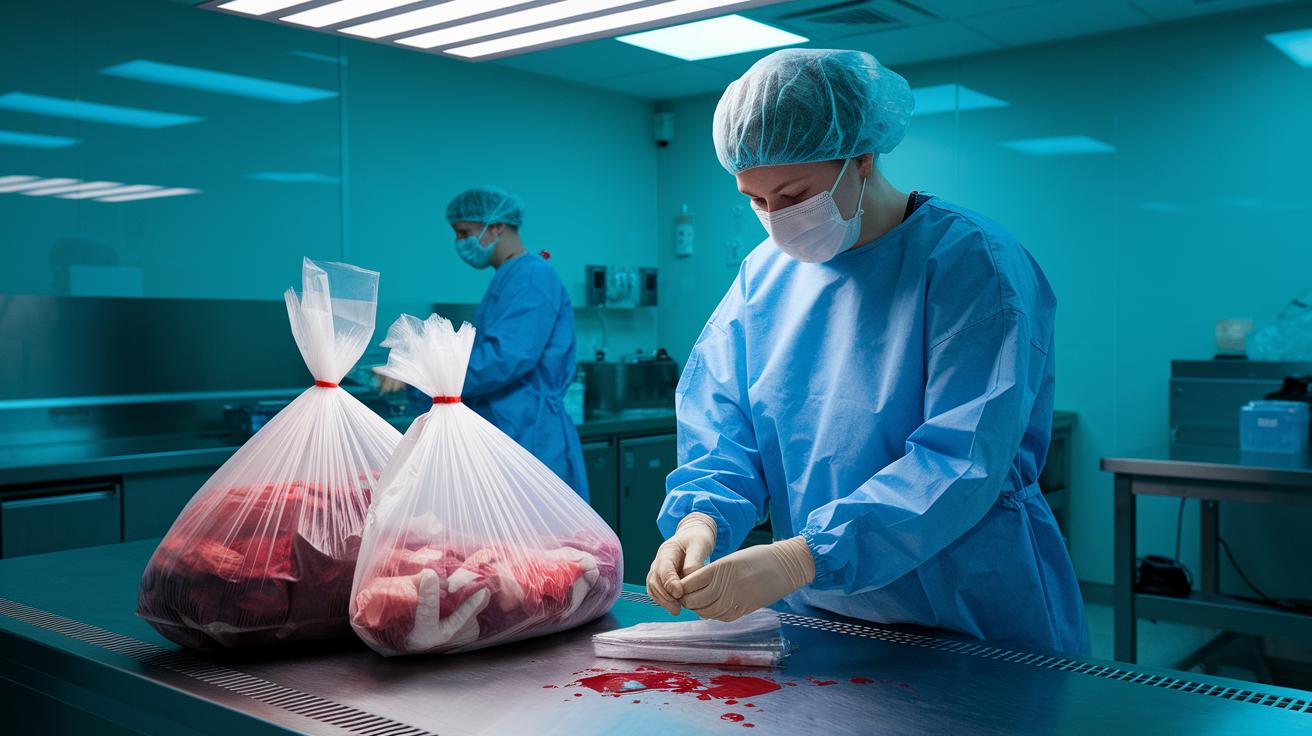
When you are cleaning up blood spills, it is important to handle all materials safely and correctly. Begin by sorting waste into two groups: sharps like needles or broken glass and non-sharps like soaked cloth or contaminated clothing. Non-sharps should be placed in two layers of OSHA-approved biohazard bags to lock in any bloodborne germs. Sharps must go into hard, sealed containers to avoid accidental cuts or further spread of contamination.
Next, transport these materials to facilities that have the proper equipment to steam sterilize (autoclave) or burn (incinerate) the waste according to EPA and local laws. It is crucial to follow these guidelines to keep everyone safe.
Finally, record all details of the process. Write down how much waste was handled and describe each step of the cleanup and disposal process. These records help show that you followed all safety standards and are ready for any inspections.
Regulatory and Best-Practice Standards for Blood Cleanup Procedures

We follow OSHA's 29 CFR 1910.1030 guidelines to handle blood spills safely. These rules require proper protective gear, effective cleaning methods, and safe ways to dispose of waste. The EPA also gives advice on the right disinfectants and steps to fight off germs found in blood. By following these guidelines, you help reduce exposure risks and stop the spread of contamination.
Keeping clear records is very important. Logging every step of the cleaning process, how waste is disposed of, and when equipment is checked proves that you meet all safety rules and can protect you if issues arise. Regular training for everyone on duty is also essential. These training sessions update the team on new rules, review standard procedures, and show ways to lower risks.
Performing a job safety analysis helps ensure that each step is safe. Regular checks and practice drills make sure cleanup methods work well and keep up with standards. By sticking to these practices and reviewing them often, you stay compliant with OSHA and EPA guidelines and create a safe, reliable way to clean up blood spills while always aiming to improve safety.
When to Call Professional Blood Cleanup Services
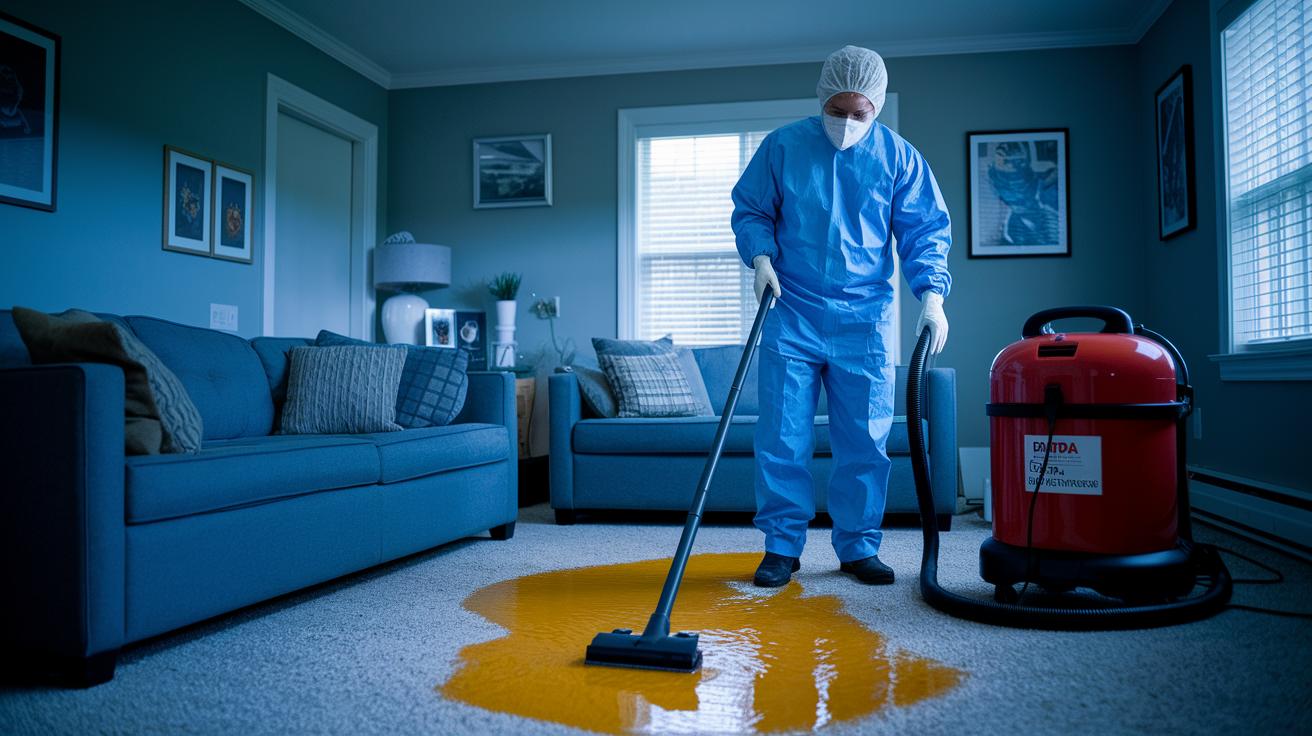
If you discover a large spill that no one has cleaned up or see signs of criminal activity, call licensed biohazard technicians right away. These professionals know how to handle blood cleanup safely and efficiently. When blood soaks deep into furniture or you lack the proper safety gear (personal protective equipment, or PPE), experts help lower the risk of exposure and further damage.
Licensed technicians use equipment like HEPA vacuums (high efficiency air filters) and ozone generators, plus specialized tools for moving hazardous waste. Their training and gear allow them to contain the spill quickly and remove all harmful materials. This method not only protects your health but can also reduce overall cleanup costs by limiting potential liability.
If you are handling an insurance claim, professional cleanup is a must. Their clear documentation and adherence to standards provide essential evidence for regulatory compliance and ease the insurance process. When the situation goes beyond a routine cleanup, calling the professionals is the safest choice.
Final Words
In the action, we explored every aspect of blood cleanup procedures. We broke down the process, from gearing up with proper PPE and assembling efficient cleanup kits to following a clear, five-step framework that covers all surfaces and proper waste disposal. We also highlighted the importance of adhering to safety standards and knowing when to call in professionals. Each step is designed to protect you while swiftly mitigating risk. Taking these precautions can help swiftly restore your space and bring you peace of mind during challenging times.
FAQ
What do blood cleanup procedures include?
Blood cleanup procedures involve cordoning off the area, using absorbent materials to remove excess fluid, applying EPA-registered disinfectants, decontaminating tools, and ensuring proper disposal to reduce exposure risks.
How do hospitals clean up blood spills?
Hospitals follow strict protocols by donning PPE, using biohazard cleanup kits with absorbent powders and disinfectants, and safely disposing of contaminated materials in line with OSHA standards to prevent infection.
How are blood spills safely cleaned in the workplace and on floors?
In workplaces, professionals contain the spill, remove the excess fluid with absorbents, disinfect the area with EPA-approved cleaners, and decontaminate tools and surfaces to minimize cross-contamination.
What is the standard bodily fluid cleanup procedure?
The standard procedure requires wearing proper PPE, isolating the spill, removing the fluid, disinfecting surfaces with approved solutions, and following guidelines for safe disposal of contaminated materials.
What does OSHA require for blood cleanup procedures?
OSHA standards require using proper PPE, following detailed step-by-step cleanup protocols with EPA-approved disinfectants, proper waste disposal, and strict adherence to safety guidelines to limit exposure to bloodborne pathogens.
How should blood from a crime scene be cleaned?
Blood cleanup at a crime scene should be handled by licensed biohazard remediation experts who use specialized equipment and strict protocols to safely remove contaminants and comply with legal requirements.
What protocol should be followed to clean up blood spills?
The protocol involves containing the spill, extracting excess fluid, disinfecting surfaces with approved cleaners, decontaminating reusable tools, and verifying the cleanup through inspections or ATP testing.
Why is proper blood cleanup important?
Proper blood cleanup is critical to limit exposure to bloodborne pathogens, prevent cross-contamination, protect health, and comply with OSHA and EPA guidelines, ensuring a safe and healthy environment.