
Ever wondered what it costs to clean up a biohazard? You might be surprised. Every cleanup starts with monthly expenses for labor, insurance, and safety supplies. Think of it like balancing a checkbook: even small costs add up fast.
In this article, we explain how our base fees and job-specific charges work together to ensure a safe cleanup. Understanding these costs can help you plan smart savings while keeping safety and quality a top priority.
Biohazard Cleanup Cost: Smart, Safe Savings
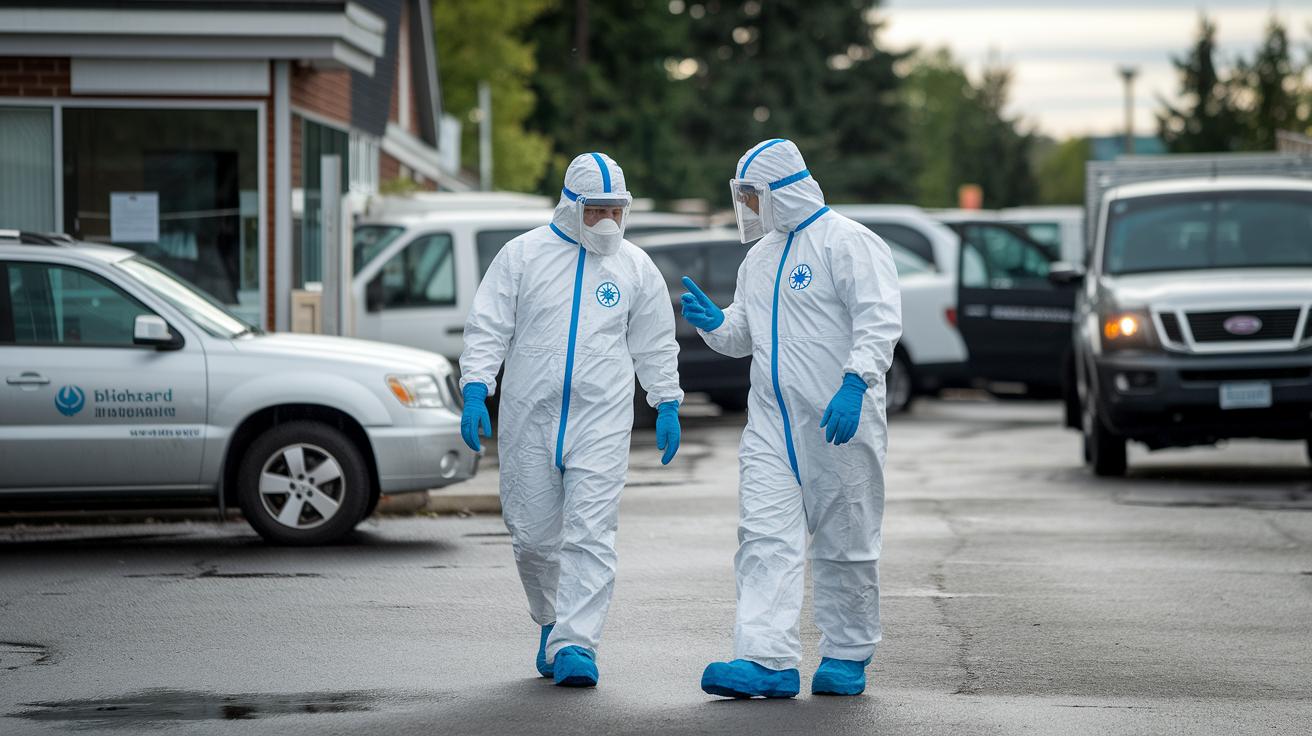
Biohazard cleanup services set a base fee to cover monthly business costs. For instance, paying a lead technician and a certified team member costs about $12,917 every month. Other fixed costs include vehicle leases, rent, insurance, legal and accounting fees, meeting regulatory rules, and even digital marketing. All these expenses create a baseline price for having services ready when you need them.
Job costs vary based on each incident. Cleanup teams add charges for things like personal protective gear (safety supplies) and disposal fees, which usually come to about 25-28% of the revenue from that job. These extra fees cover the specialized materials and extra procedures needed for safe and proper cleaning.
The total cost you see is a mix of base fees and job-specific charges. When you consider that more than half of the operating budget goes to labor and that fixed overhead is around $10,250 each month, you can see how pricing is built. This structure helps companies deliver high-quality, safe service when dealing with biohazards.
Here is a breakdown of the main costs:
| Cost Category | Details |
|---|---|
| Labor | Main cost driver with monthly payroll of about $12,917 |
| Disposal | Fees for proper removal and treatment at roughly 25-28% of job revenue |
| Insurance | Specialized monthly policy costing around $1,200 |
| Overhead | Fixed costs such as rent, leases, and compliance averaging about $10,250 per month |
| PPE | Safety supplies included as part of the variable costs for each job |
The final cost depends on the incident's scope and complexity. The amount of hazardous material, the need for special containment and cleaning methods, and regulatory demands all add up. Larger or more complex jobs that need extra cleaning steps naturally lead to higher service fees, ensuring every cleanup is both safe and thorough.
Key Factors Influencing Biohazard Cleanup Cost Breakdown

Fixed costs play a big role in setting the price for biohazard cleanup. Factors like technician pay, insurance, legal fees, safety rules compliance (regulatory compliance), and even digital marketing set a baseline that helps secure a fast and safe cleanup. For example, a company may spend more on technician wages and compliance checks to meet new safety standards, much like buying the best safety gear to do the job right.
Variable costs add another layer of change. Fees for protective gear (PPE) and waste disposal can vary based on what each job needs. When a cleanup requires extra steps, companies boost their budgets to cover added safety measures and proper disposal. For instance, if a job needs more contamination control, costs can rise in line with similar cases.
Comparing Fixed and Variable Expenses in Biohazard Remediation Pricing
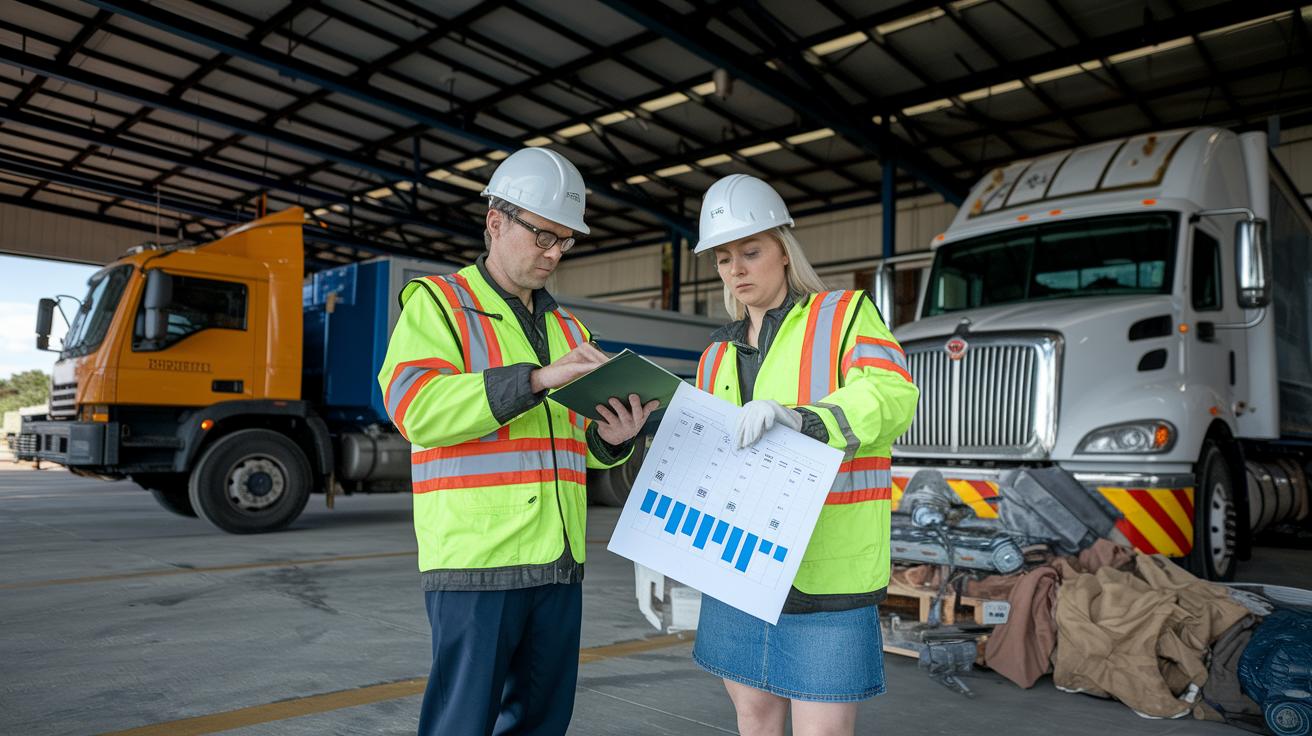
Cleanup teams deal with two main kinds of costs. Fixed expenses include regular payments like technician wages and costs for running the business (for example, vehicle leases, office rent, insurance, legal fees, accounting, regulatory compliance, and digital marketing). A typical monthly wage bill is about $12,917, while fixed overhead runs around $10,250. Altogether, this creates a fixed operating budget of roughly $24,067. This setup makes sure that teams and equipment are ready to go even when no incident is happening.
Variable costs change with each job. They cover supplies like personal protective equipment (PPE) and the safe disposal of hazardous materials. On average, these costs come to about 25-28% of the job’s revenue, depending on the scope and the special safety measures needed.
| Cost Type | Monthly Spend | % of Budget |
|---|---|---|
| Labor | $12,917 | ~54% |
| Fixed Overhead | $10,250 | ~43% |
| Variable Costs | Job-dependent | 25-28% per incident |
Incident Type Cost Variations for Crime Scenes, Chemical Spills, and Infectious Waste
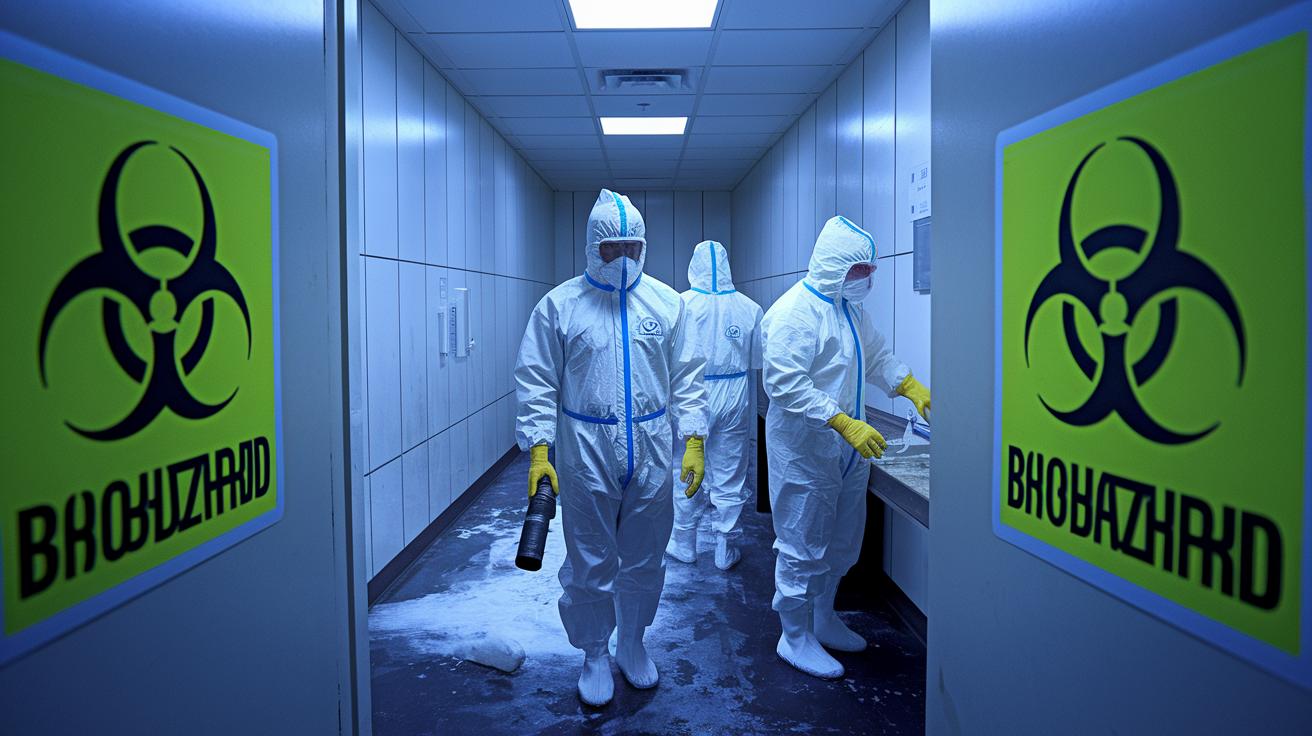
When incidents happen, the cost for cleanup changes with each situation. The fees differ because every case has its own challenges. In many cases, fees for disposal and PPE (personal protective equipment, gear to keep workers safe) make up about 25 to 28% of the overall cost. However, these fees can increase during large incidents. Factors like the amount of hazardous material, the work needed, and extra safety steps all affect the final price.
Crime Scene Cleanup
Cleaning a crime scene means removing a lot of waste and thoroughly disinfecting areas to eliminate blood-borne pathogens (germs found in blood). Cleanup crews often work long hours to remove stains and residue left by bodily fluids. More waste leads to higher labor costs, and detailed cleaning measures add to the overall fee. When the scene involves structural damage, extra resources are needed to remove every bit of contamination.
Chemical Spill Response
Cleaning up a chemical spill requires a specialized approach. Costs can be high because chemicals must be neutralized (made safe). There are also fees for safely disposing of hazardous materials and charges for permits when detailed documentation is needed. Experts trained in handling dangerous substances and following environmental safety rules handle these types of cleanups.
Infectious Waste Remediation
When dealing with infectious waste, extra care is needed to protect public health. The cleanup process goes beyond standard methods. Additional costs include incineration (burning the waste) and other specialized disposal steps, especially if large amounts of infectious material are present. These extra measures help keep both the cleanup team and the community safe.
The complexity of each incident affects the amount of work needed, the disposal methods used, and the safety supplies required. This means that costs change based on the size and risk of the job.
How to Obtain Accurate Biohazard Cleanup Quotes and Estimates
Clear quotes help you avoid surprises later. A reliable estimate shows how costs break out into labor, protective gear (PPE stands for personal protective equipment), waste disposal fees, and an overhead charge. Always ask for a detailed quote that lists labor, materials, disposal, and any regulatory fees. This means you can see the specific costs for technician hours, waste disposal, and permit fees, so you know exactly what you're paying for.
Detailed estimates let you compare different providers to find the best value for safe and approved cleanup services. When you get quotes, make sure every part of the service is itemized so you can check that the fees match the work needed. Using a cost estimation tool can help you spot any mismatches early.
- Ask several trusted providers for bids.
- Compare every line item on each estimate.
- Confirm that each provider holds proper licensing and insurance.
- Arrange a pre-cleanup inspection to cover all aspects of the service.
Budgeting and Negotiating Strategies for Biohazard Cleanup Pricing

Scheduling your cleanup during slower times may help you save money. When there are fewer jobs, companies often cut back on non-essential costs like online ads or even renegotiate leases. This can lead to lower rates if you plan your cleanups during quieter periods or combine several service areas. Providers must cover high fixed costs, including a cash reserve of about $726,000 to stay profitable, along with job-specific expenses. Clear payment plans and detailed fee breakdowns give you a strong position when negotiating. By choosing the right time, you can secure discounts that lower your costs without reducing safety or quality.
- Bundle services across multiple rooms to lower per-area rates.
- Ask for itemized invoices to check each cost.
- Set clear payment milestones that match job stages.
- Explore multi-site contracts to get bulk pricing.
- Solicit multiple bids to compare rates and find the best offer.
Final Words
In the action, the blog outlined base fees, per-job charges, and incident-specific cost variations that impact overall pricing. It broke down fixed and variable expenses while explaining how elements like labor, disposal, and regulatory fees influence each job.
This guide helps prepare homeowners to compare estimates and negotiate fair pricing. By understanding the details, you can manage risks and plan strategically. Remember, transparency matters when tackling biohazard cleanup cost.
FAQ
What is the typical biohazard cleanup cost per hour?
The cost per hour for biohazard cleanup reflects specialized labor, disposal fees, and overhead. It varies by service provider and job specifics, with ratios often influenced by regulatory requirements.
How do local factors like state regulations affect biohazard cleanup cost near me, in California, or Texas?
The cost near you depends on local market rates and state regulations. Regions like California and Texas may have higher fees due to stricter standards and higher disposal costs.
What does a biohazard cleanup include?
A biohazard cleanup includes removal of contaminated materials, decontamination of surfaces, use of PPE (personal protective equipment), and safe disposal of hazardous waste according to regulatory guidelines.
Does insurance cover biohazard cleanup?
Insurance may cover biohazard cleanup if the incident is sudden and accidental. Coverage details vary, so it’s important to check your specific policy and speak with your insurer.
Who pays for a crime scene cleanup?
The party responsible, such as the property owner or business, generally pays for crime scene cleanup. In some cases, insurance can help offset the costs if the policy covers such incidents.
How much is biohazard disposal and what are hazmat cleanup costs?
Biohazard disposal fees include safe waste removal and incineration, while hazmat cleanup costs depend on incident complexity and waste volume. Both costs are influenced by labor, permit fees, and disposal requirements.
How much does biohazard cleanup pay in terms of wages?
Earnings for biohazard cleanup technicians vary by certification, experience, and location. Wages are competitive with rates reflecting the need for specialized safety protocols and hazardous materials handling.